
Fine Haircut Style Recommender
Find Your Perfect Cut
Answer these questions to get personalized recommendations for your very thin, fine hair.
Why Your Cut Works
See how this style addresses your specific concerns based on expert hairdressing knowledge.
Select your preferences and click "Get Recommendation" to see your results.
If you have very thin, fine hair, you’ve probably stared at your reflection wondering why your strands look limp, flat, or just… gone. You’re not alone. Fine hair doesn’t mean less hair-it means each strand is thinner, and that makes it harder to hold shape, resist gravity, or create the illusion of fullness. The right haircut isn’t just about looks-it’s your secret weapon to make your hair appear thicker, livelier, and more manageable.
Why Some Haircuts Make Thin Hair Look Worse
Not all cuts work for fine hair. A blunt, one-length bob? It can look like a wig. Long layers? They might make your hair look stringy. Heavy bangs? They can weigh down your roots. The problem isn’t your hair-it’s the style. Many stylists still recommend long layers for fine hair because they think it adds movement. But with very thin hair, those layers can disappear halfway down your head, leaving you with wispy ends and no body at the root.
What fine hair needs isn’t more length or more layers-it’s structure, texture, and strategic weight distribution. The goal is to create the illusion of density by making hair look fuller at the crown and tapered at the ends. Think volume where it matters: at the scalp, not the tips.
The Best Haircuts for Very Thin Fine Hair
After working with hundreds of clients in Brighton salons, here are the top three cuts that actually deliver results for fine, thin hair:
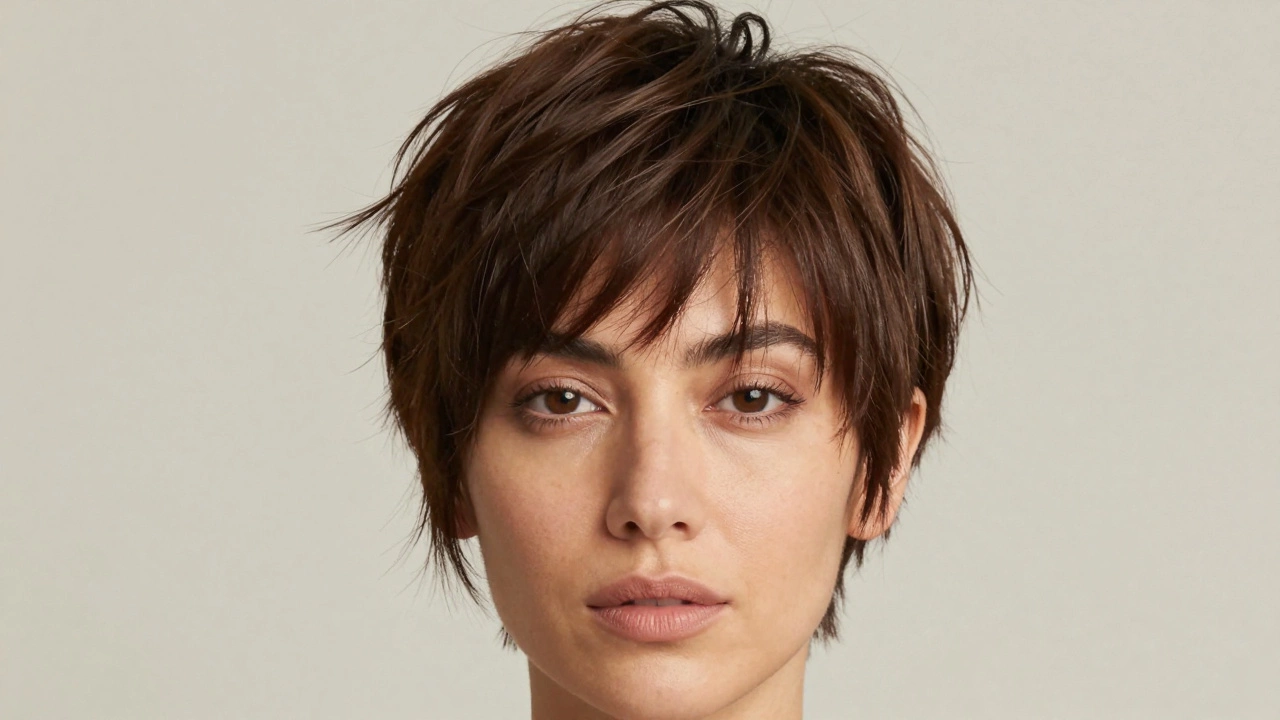
1. The Pixie Cut with Textured Top
This isn’t the short, spiky style from the ’90s. Modern pixies for fine hair are soft, sculpted, and designed to lift at the roots. The key is keeping the sides and back very short-just enough to frame the face-while leaving slightly longer hair on top, cut with point-cutting techniques to create texture. This lets you style it with your fingers and a bit of volume powder. The shorter length reduces weight, so your hair doesn’t collapse. And because it’s close to the scalp, it catches light differently, making it look denser.
Women with fine hair who’ve switched to this cut often say it’s the first time they’ve felt like their hair actually looks like it belongs to them-not like they’re wearing a wig.
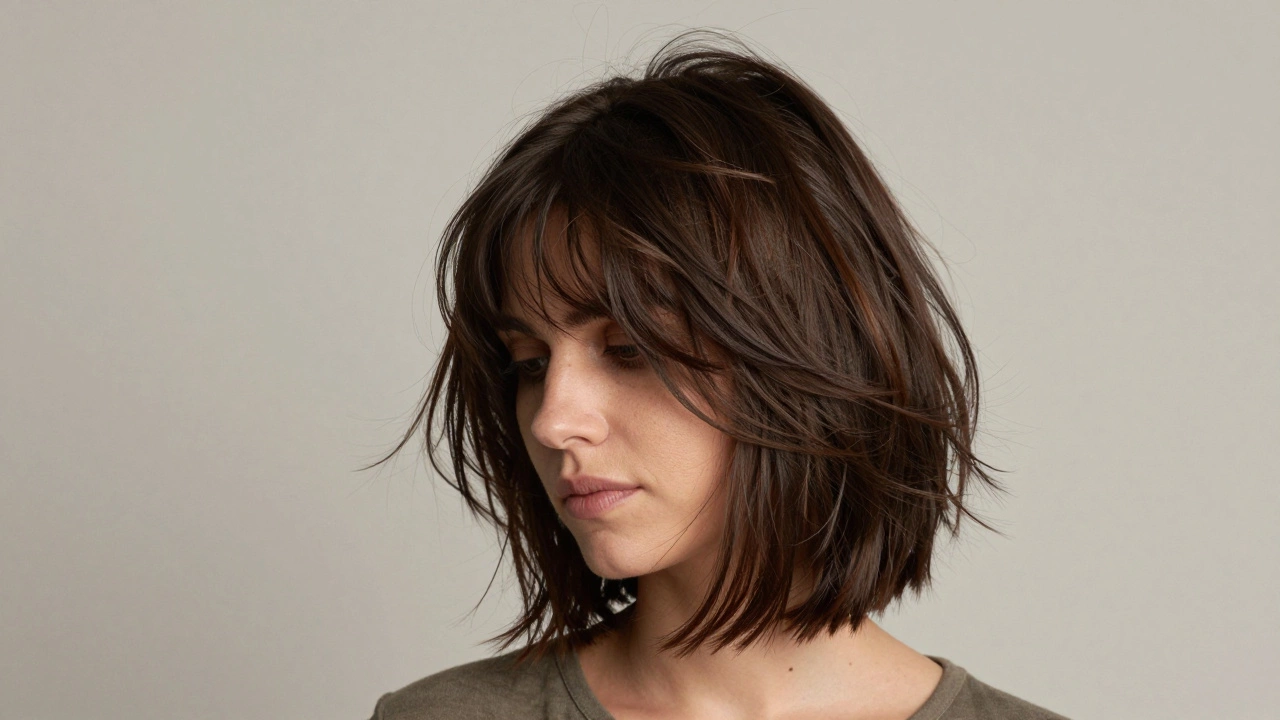
2. The Chin-Length Bob with Internal Layers
A bob that hits at the chin or just below is the sweet spot. It’s long enough to be versatile but short enough to avoid weighing down. The magic is in the internal layers-layers cut *inside* the hair, not on the outside. This means your stylist doesn’t remove bulk from the ends; they remove weight from the middle. The result? Hair that springs up at the crown instead of hanging flat. Add a slight flip at the ends for lift, and you’ve got a cut that holds its shape all day.
Pro tip: Avoid heavy, straight-across bangs. Instead, go for wispy, feathered bangs that start higher on the forehead. They draw attention upward and don’t drag down your roots.
3. The Shag with Face-Framing Layers
Yes, the shag is back-and it’s perfect for fine hair. But not the wild, 70s version. Modern shags for fine hair are refined: shorter layers around the face, longer layers at the back, and choppy texture throughout. The layers are cut to overlap, creating the illusion of thickness. The ends are point-cut, not blunt, so they don’t look heavy. And the top is left slightly longer to add height.
This cut works because it adds movement without adding weight. It also makes styling easier-you don’t need heat tools every day. Just tousle with your fingers and a texturizing spray, and you’re done.
What to Avoid
Even the best stylist can’t fix a bad cut. Here’s what to tell your stylist not to do:
- Don’t cut long, heavy layers-these make fine hair look sparse and stringy.
- Avoid one-length haircuts longer than shoulder length-they drag down your roots.
- Stay away from thick, blunt bangs-they weigh down your forehead and make your hair look thinner.
- Don’t let them thin out your hair with thinning shears. They create flyaways and reduce volume.
These are common mistakes even experienced stylists make because they think they’re “lightening” the hair. In reality, they’re making it look even finer.
Styling Tips That Actually Work
A great cut is only half the battle. You need the right routine to keep it looking full.
- Wash your hair every other day with a volumizing shampoo. Overwashing strips natural oils that give hair body.
- Use a lightweight conditioner only on the ends. Avoid heavy creams on the scalp-they flatten roots.
- Blow-dry upside down for 30 seconds to lift the roots. Then use a round brush to smooth the rest.
- Apply a pea-sized amount of root-lifting mousse to damp hair before blow-drying.
- Finish with a dry texture spray-not hairspray. It adds grit, not stiffness, so your hair looks naturally full.
One client, a 42-year-old teacher from Hove, told me she stopped using heat tools entirely after switching to the chin-length bob. She just washes, scrunches in a bit of sea salt spray, and lets it air-dry. Her hair looks thicker than it ever did with blowouts and flat irons.
When to See a Specialist
If your hair is thinning due to genetics, stress, or medical conditions, a haircut alone won’t fix it. But it can still help you feel better. Look for a stylist trained in hair loss or scalp health. They’ll know how to cut around thinning areas and use techniques to camouflage them. In Brighton, several salons offer free scalp consultations with trichologists-don’t skip this if you’re noticing more shedding than usual.

Final Thought: It’s Not About Quantity, It’s About Design
Thin, fine hair doesn’t need to be hidden. It just needs to be cut right. The best cuts for this hair type don’t try to force volume-they work with the hair’s natural behavior. They lift, they frame, they add texture without bulk. And they’re low-maintenance. You don’t need to spend hours styling. Just a few smart moves, and your hair will look fuller, healthier, and more confident than ever.
Can fine hair grow long and still look thick?
Yes, but only if it’s cut correctly. Long hair on fine strands tends to look stringy because the weight pulls it down. To keep it looking full, opt for subtle internal layers and avoid blunt ends. Keep the length just below the shoulders, and always use texture-enhancing products. Anything longer than mid-back usually requires heavy maintenance and rarely looks naturally thick.
Does coloring help thin hair look thicker?
Subtle highlights or lowlights can create contrast that tricks the eye into seeing more volume. A single process-like a soft balayage or root shadow-adds dimension without damage. Avoid harsh bleaching or all-over light colors, which can dry out fine hair and make it look even thinner. Darker roots with lighter ends create the illusion of density because darker tones appear heavier visually.
How often should I get a trim if I have fine hair?
Every 6 to 8 weeks. Fine hair grows at the same rate as thicker hair, but it doesn’t hold shape as well. Split ends and uneven layers make fine hair look even thinner. Regular trims keep the cut clean and the texture sharp, so your style stays full and defined.
Can I use volumizing products every day?
Yes, but choose lightweight formulas. Thick creams or oils will weigh your hair down. Look for products labeled "fine hair," "volume," or "lightweight." Root-lifting sprays, texturizing powders, and sea salt sprays are safe for daily use. Avoid heavy serums and silicones-they coat the hair and make it look greasy and flat.
Is a layered cut better than a blunt cut for fine hair?
Yes, but not all layers are equal. Traditional long layers can make fine hair look sparse. Internal layers-cut within the hair, not at the ends-are ideal. They remove weight without sacrificing length. A blunt cut can work if it’s short (like a pixie or chin-length bob) and doesn’t drag down the crown. Long blunt cuts are the worst choice for fine hair-they look heavy and lifeless.
Next Steps
Start by scheduling a consultation with a stylist who specializes in fine hair. Bring photos of the cuts you like-pixie, chin-length bob, or modern shag. Don’t just say "I want volume." Say: "I want my hair to look thicker at the top and not weigh down at the ends." That’s the language that gets results.
If you’re unsure where to start, try the chin-length bob with internal layers. It’s the most forgiving, easiest to maintain, and most universally flattering for fine hair. And remember-your hair doesn’t need to be thick to be beautiful. It just needs to be cut right.