Professional Skincare: What You Need to Know

Ever wonder why some people swear by pricey serums while others stick to drugstore basics? The secret usually lies in who’s behind the product and how it’s formulated. In this guide we’ll break down the main players, show you when to book a professional appointment, and give straight‑forward advice on medical‑grade skincare that actually works.

Who Should Treat Your Skin? Dermatologist vs Esthetician

First things first: not every skin concern needs a doctor. Dermatologists are medical doctors trained to diagnose and treat skin diseases, prescribe medication, and perform procedures like lasers or chemical peels. If you have persistent acne, eczema, suspicious moles, or need prescription‑strength retinoids, a dermatologist is the right call.

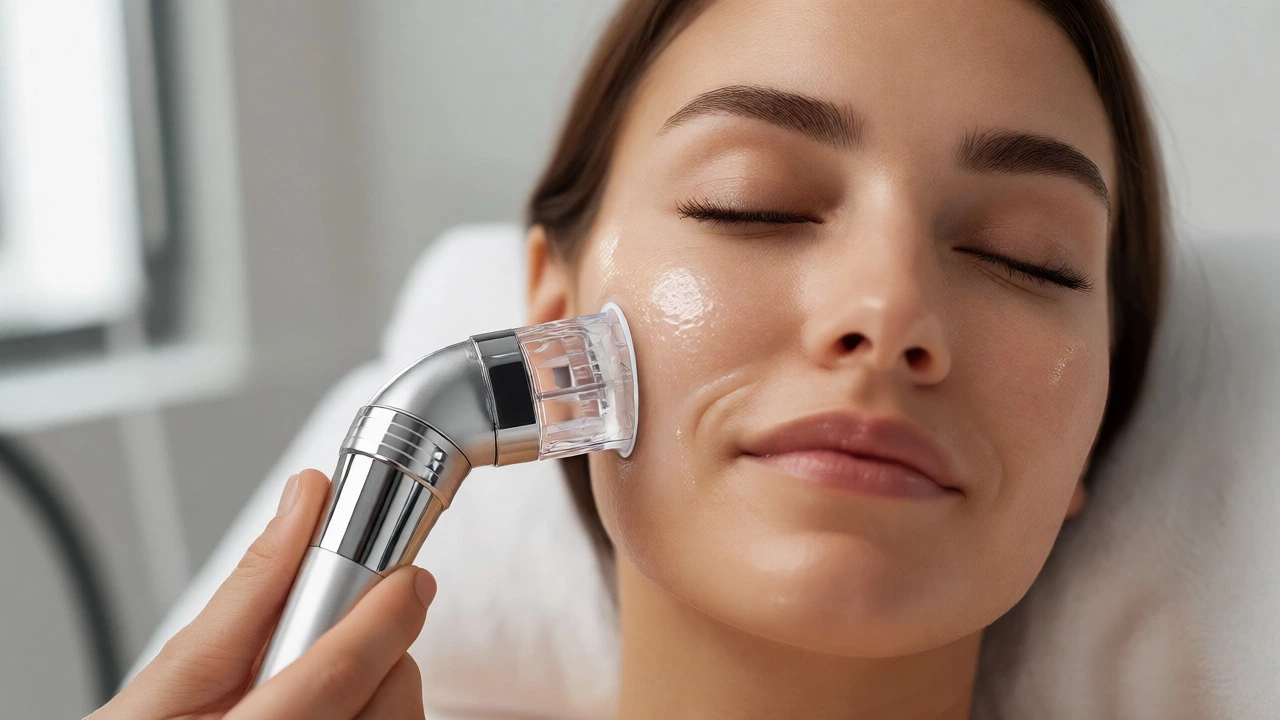
Estheticians, on the other hand, focus on beauty‑focused treatments. They can give you facials, micro‑needling, and advice on over‑the‑counter products. For routine maintenance, mild exfoliation, or a relaxing facial, an esthetician is often enough and usually cheaper.

Knowing the difference saves time and money. Think of it like this: you’d see a mechanic for engine trouble, but you’d visit a car wash for a quick shine. Use the professional who matches the severity of your issue.

Medical‑Grade Products: Are They Worth It?

Medical‑grade doesn’t automatically mean “better for everyone,” but it does signal higher ingredient concentrations and stricter testing. Brands like Obagi and Skinceuticals fall into this category. They often contain prescription‑level actives such as higher % of vitamin C, niacinamide, or retinoids. This is why they tend to cost more.

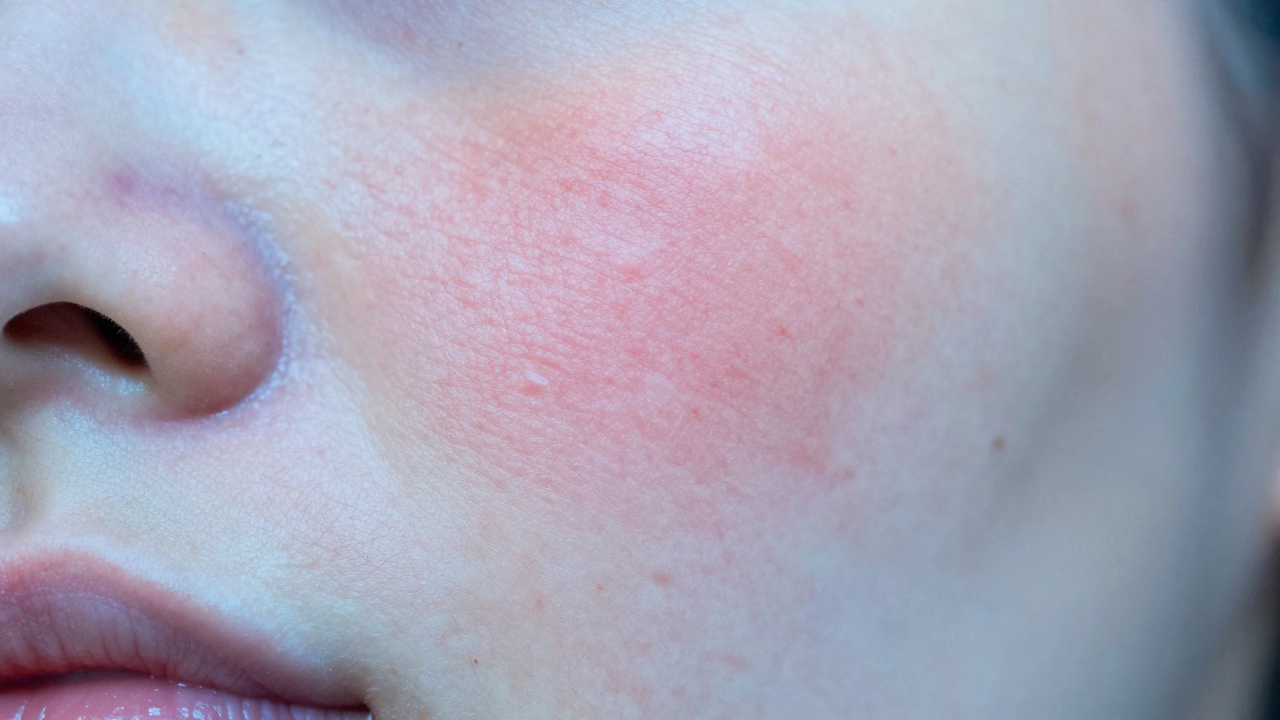
If you have specific concerns—like hyperpigmentation, fine lines, or a weakened skin barrier—these potent formulas can speed up results. However, they can also irritate sensitive skin if you jump in without a gradual approach. Start with a lower frequency, patch‑test, and watch how your skin reacts.

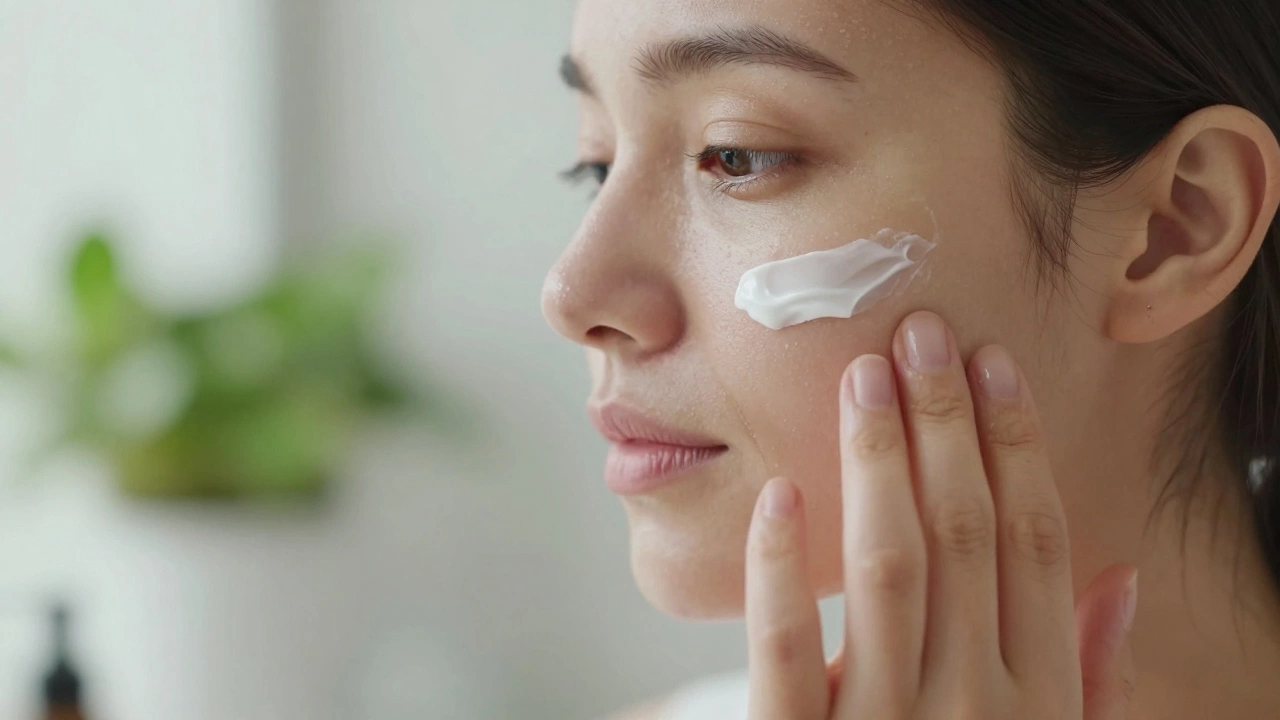
For most people, a solid routine of a gentle cleanser, sunscreen, and a moisturizer with antioxidants covers daily needs. Save the medical‑grade upgrades for targeted issues or when a professional recommends them.

One practical tip: look for products that list the active ingredient and its percentage on the label. That transparency lets you compare potency across brands without guessing.

Now, let’s talk anti‑aging, the hot topic that drives many purchases. Ingredients like retinoids, peptides, and vitamin C have solid research backing their ability to smooth wrinkles and boost collagen. When you see a serum boasting “clinical strength,” check if it actually contains a measurable amount of these actives.

In short, professional skincare isn’t a mystery. Pick the right expert for the right problem, use medical‑grade products when you need a stronger punch, and keep the basics—cleanser, sunscreen, moisturizer—on lock. Your skin will thank you with fewer breakouts, less redness, and a glow that feels earned, not just sold.
What Is the No. 1 Brand Recommended by Dermatologists in 2026?

What Is the No. 1 Brand Recommended by Dermatologists in 2026?

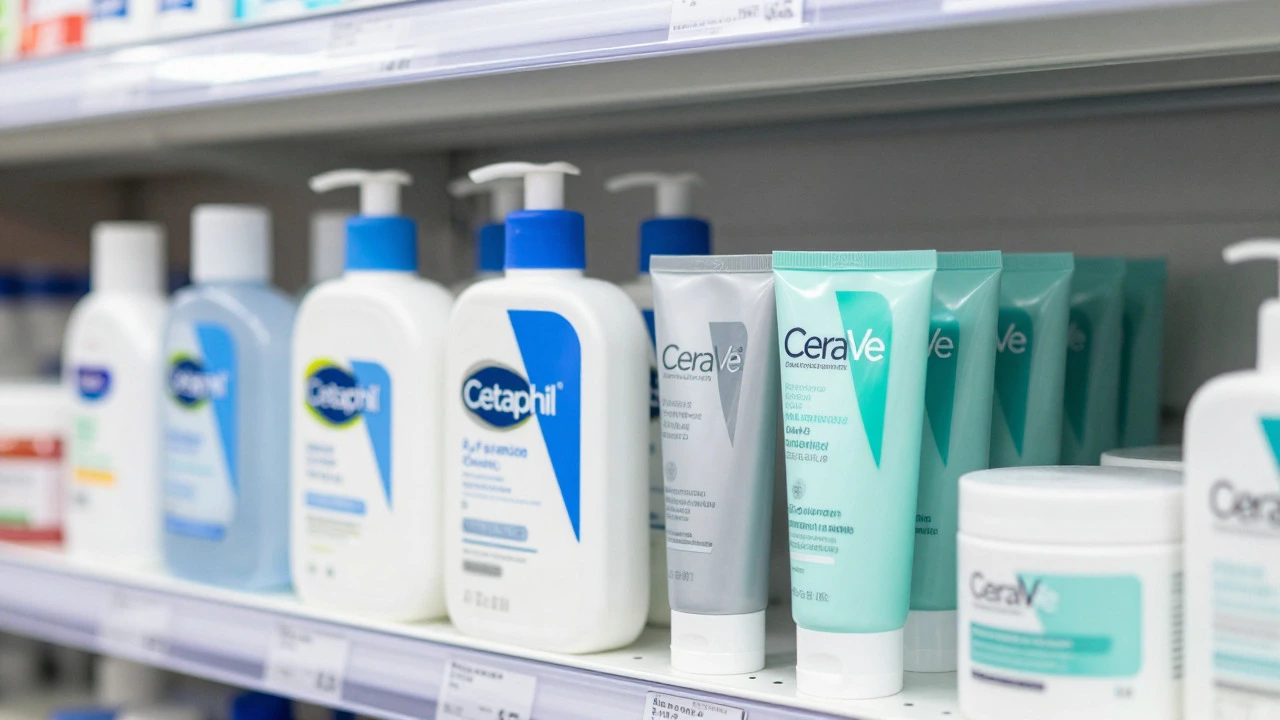
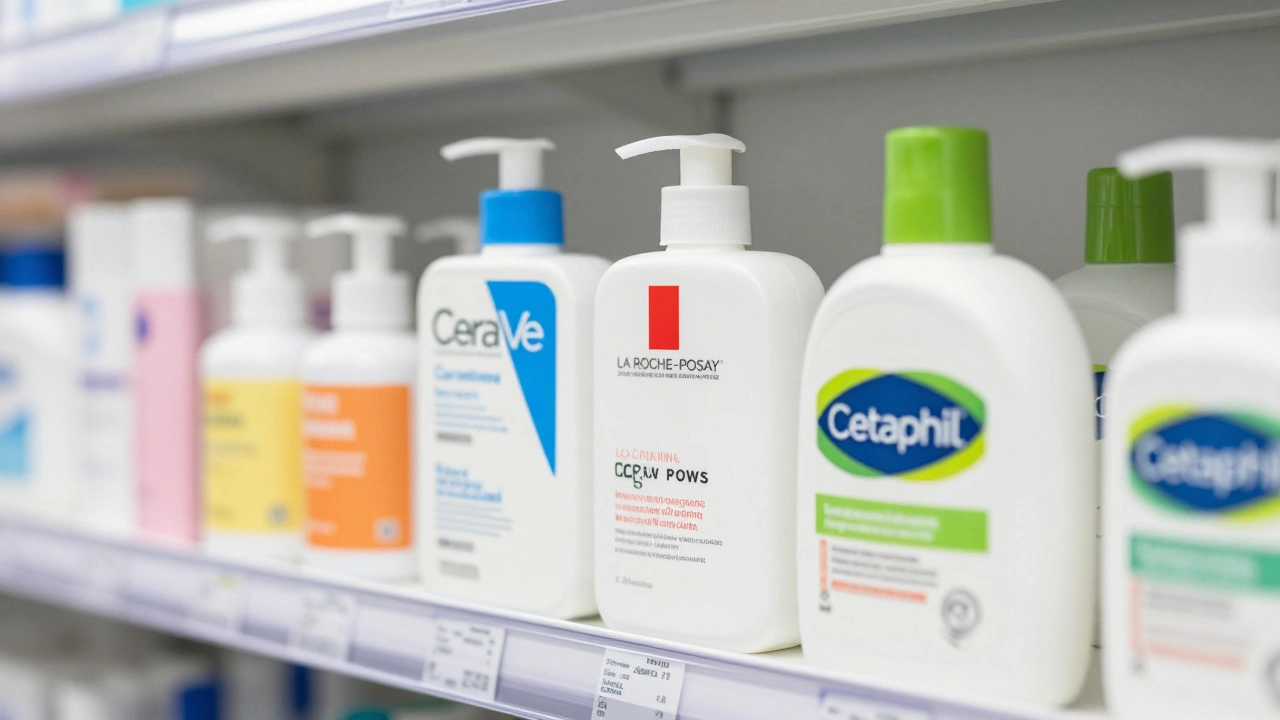
Discover why CeraVe, La Roche-Posay, and Cetaphil are the top dermatologist-recommended skincare brands in 2026. Learn how to choose the right one for your skin type.

Who is the Highest Paid Esthetician? Earning Potential and Top Careers

Who is the Highest Paid Esthetician? Earning Potential and Top Careers

Discover who the highest paid aestheticians are and how they achieve top incomes. From medical aesthetics to brand ownership, learn the strategies that turn skincare skills into seven-figure careers.

How to Look 20 Years Younger Naturally: Science-Backed Anti-Aging Tips

How to Look 20 Years Younger Naturally: Science-Backed Anti-Aging Tips

Discover science-backed natural ways to look younger by improving sleep, diet, sun protection, and skincare habits. No surgery needed.

Will I Regret Laser Hair Removal? Real Risks, Results, and Who Should Skip It

Will I Regret Laser Hair Removal? Real Risks, Results, and Who Should Skip It

Wondering if you'll regret laser hair removal? Discover real risks, costs, and suitability factors to decide if permanent hair reduction is right for your skin type and budget.

The Hidden Downsides of Facial Treatments: Risks, Costs, and Skin Damage

The Hidden Downsides of Facial Treatments: Risks, Costs, and Skin Damage

Explore the hidden downsides of facial treatments, including skin irritation, breakouts, and high costs. Learn how to avoid risks and decide if professional facials are worth the investment.

Why You Look Older Than Your Age: The Hidden Factors Beyond Wrinkles

Why You Look Older Than Your Age: The Hidden Factors Beyond Wrinkles

Discover why you might look older than your age. From collagen loss to sun damage, learn the hidden factors behind facial aging and how to reverse them with simple habits and professional treatments.

Why Dermatologists Recommend CeraVe: The Science Behind the Hype

Why Dermatologists Recommend CeraVe: The Science Behind the Hype

Discover why dermatologists consistently recommend CeraVe. We explore the science of ceramides, MVE technology, and how barrier repair works for all skin types.

How Painful Is Laser Hair Removal? What to Expect and How to Manage It

How Painful Is Laser Hair Removal? What to Expect and How to Manage It

Wondering if laser hair removal hurts? Learn about pain levels by body area, how different laser types feel, and expert tips to make your sessions painless.

What Is the Controversy with CeraVe? Explained

What Is the Controversy with CeraVe? Explained

CeraVe is still effective for sensitive skin, but controversy has grown over its corporate ownership by L'Oréal, misleading marketing claims, and use of controversial ingredients. Here's what really happened.

What Are the Best Age-Defying Procedures for Real Results in 2026?

What Are the Best Age-Defying Procedures for Real Results in 2026?

Discover the most effective, science-backed age-defying procedures in 2026 - from Ultherapy to Profhilo - that deliver real, lasting results without surgery. No hype, just proven treatments.

Why Is Expensive Skincare Better? The Real Reasons Behind the Price Tag

Why Is Expensive Skincare Better? The Real Reasons Behind the Price Tag

Expensive skincare isn't just marketing-it's science. Higher concentrations of stable actives, advanced delivery systems, and rigorous testing make luxury products more effective for complex skin concerns.

What Is the Number One Skin Tightening Treatment in 2026?

What Is the Number One Skin Tightening Treatment in 2026?

Radiofrequency skin tightening is the most effective non-surgical treatment for lifting and firming facial skin. With no downtime and results lasting up to two years, it outperforms lasers, ultrasound, and at-home devices. Here's how it works and who it's best for.