
Gray Hair Reversibility & Health Calculator
Analysis Results
Calculate to see results.
Recommended Focus Areas:
Enter your details to analyze factors affecting your hair pigmentation.
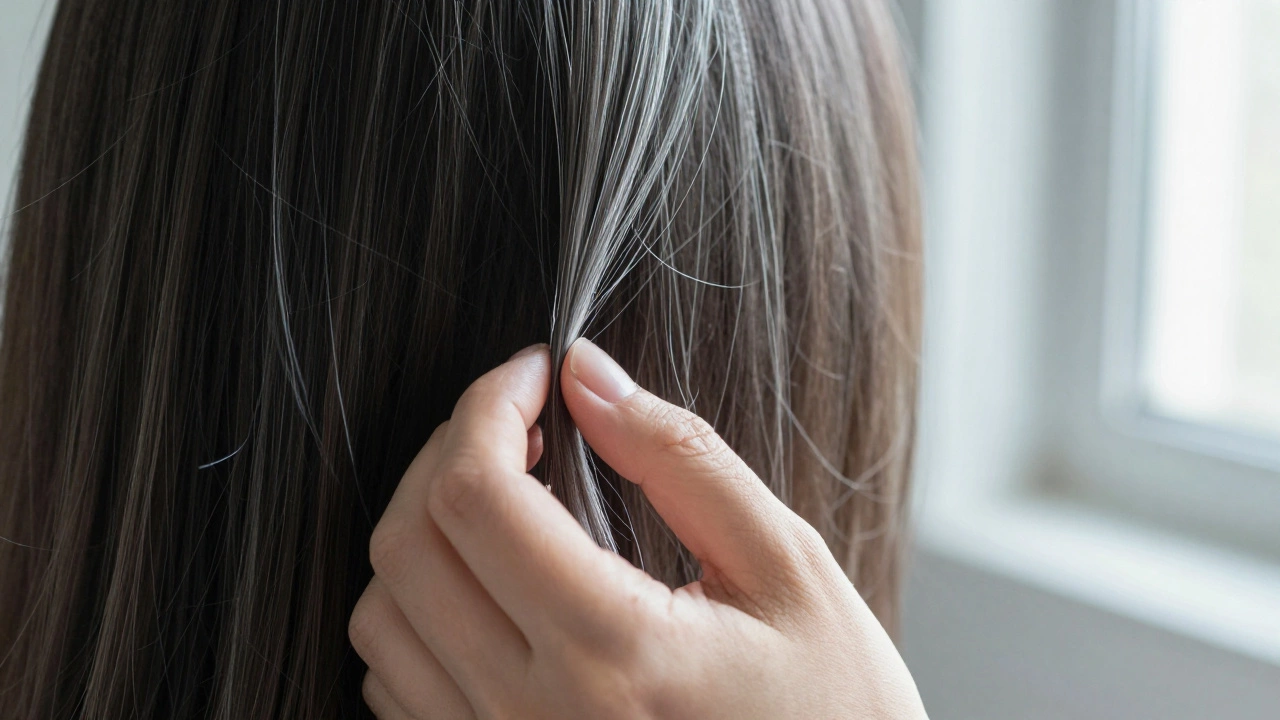
Waking up and seeing a new streak of silver in the mirror can feel like a sudden punch to the gut. You haven’t changed your diet, you aren’t feeling older, but your hair is signaling a shift that feels irreversible. The question on everyone’s mind is simple yet frustrating: how do you get old hair back? Specifically, can you turn those white or gray strands back to their original dark shade?
The short answer is complicated. If your hair has turned completely white, meaning the follicle has stopped producing melanin entirely, it is generally permanent. However, if your hair is graying due to stress, nutritional deficiencies, or specific medical conditions, you might be able to reverse the process. Understanding the biology behind why our hair changes color is the first step toward deciding whether reversal is possible for you.
Understanding Why Hair Turns Gray
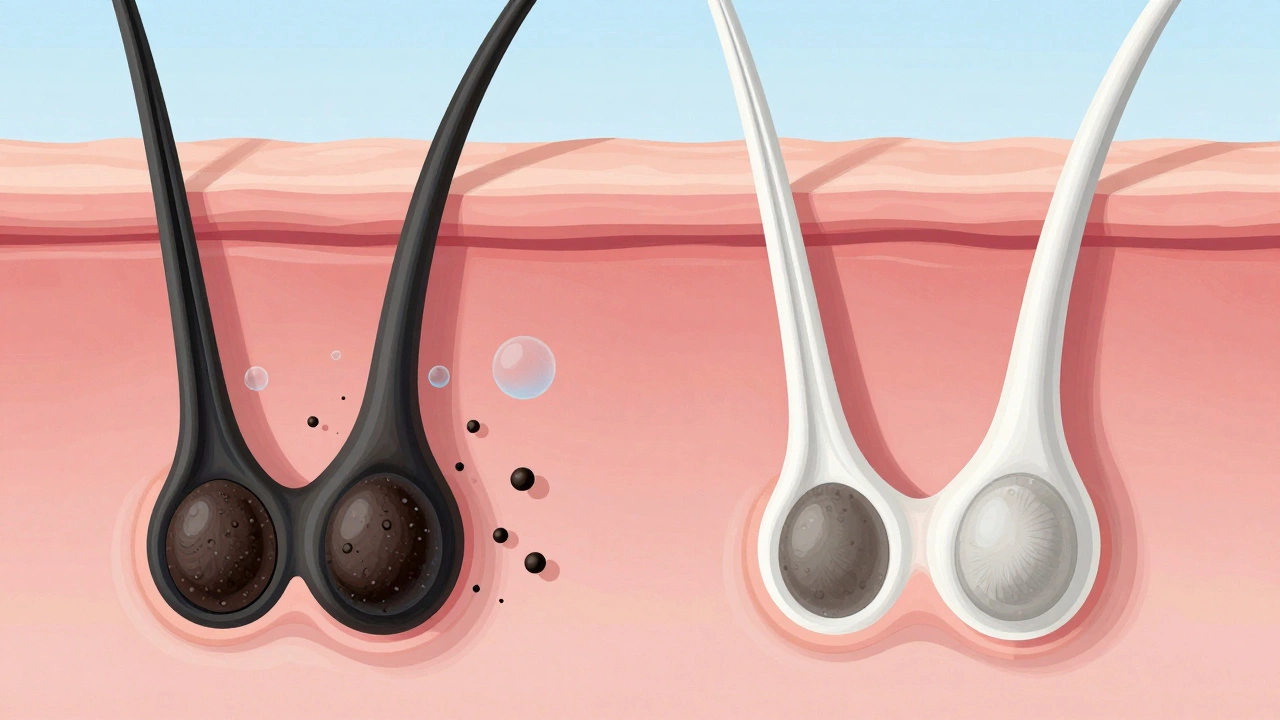
To figure out how to get old hair back, you need to understand what happens inside the hair follicle. Hair gets its color from melanin, a pigment produced by cells called melanocytes. These cells sit at the base of each hair follicle and inject pigment into the growing hair shaft.
As we age, these melanocytes naturally slow down and eventually die off. When they stop producing melanin, the hair grows in without color. Because light reflects off the clear keratin structure of the hair, it appears white or gray. This is largely genetic. If your parents went gray early, there is a high probability you will too. This type of aging is chronological and typically cannot be reversed with creams or supplements.
However, not all graying is caused by the clock ticking. Some graying is triggered by external factors that damage the melanocytes before their time. Identifying these triggers is crucial because addressing them might restore pigment production.
- Oxidative Stress: An accumulation of hydrogen peroxide in the hair follicle can bleach the hair from the inside out.
- Nutritional Deficiencies: Lack of certain vitamins can starve melanocytes of the resources they need to function.
- Hormonal Imbalances: Thyroid issues can disrupt hair pigmentation cycles.
- Smoking: Chemicals in tobacco smoke increase oxidative stress, accelerating the graying process.
Can You Reverse Premature Graying?
If you are under 30 and noticing gray hairs, this is considered premature graying. In some cases, this condition is reversible. A landmark study published in Nature Communications in 2021 revealed that hair graying follows a predictable pattern around the scalp and, more importantly, that it can be reversed when the underlying cause is removed. The researchers found that stress-induced graying was linked to the depletion of stem cells in the hair follicle.
When the stressor is removed, these stem cells can repopulate, potentially restoring color. This doesn’t mean every single strand will turn black overnight, but it suggests that lifestyle changes can halt progression and possibly encourage regrowth of pigmented hair.
Nutritional Factors That Impact Hair Color
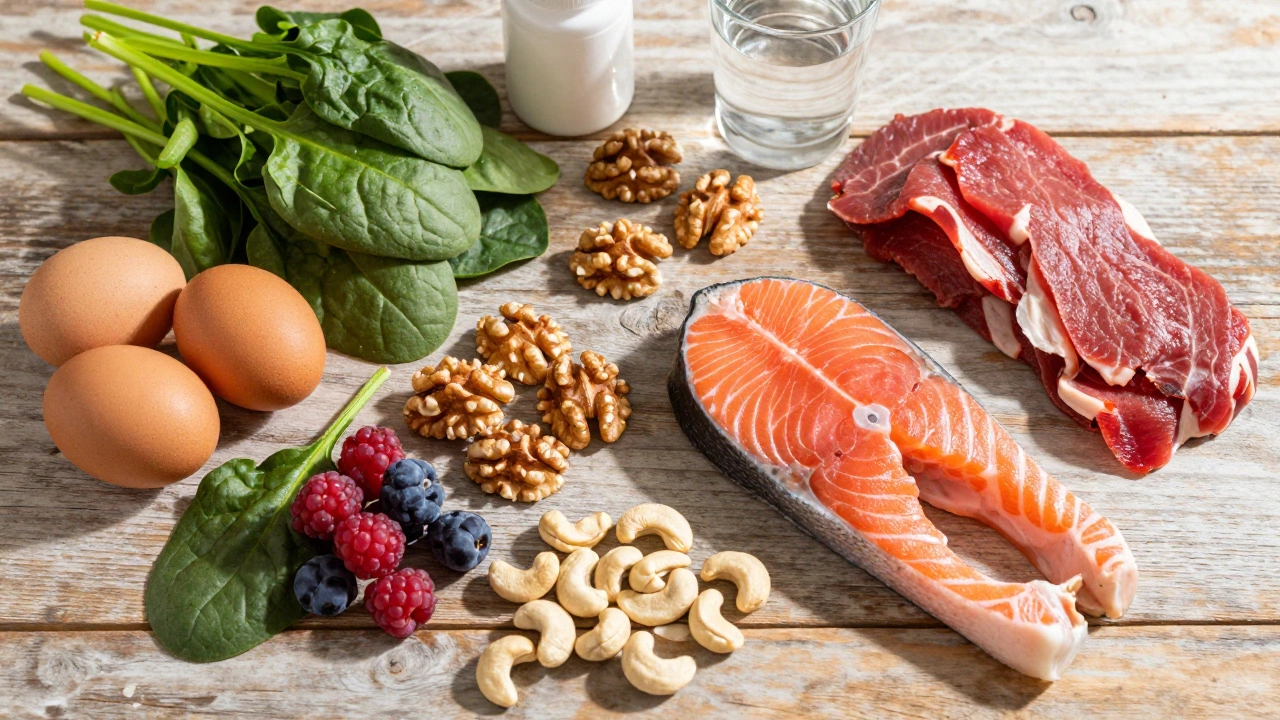
Your diet plays a massive role in hair health. Melanin production requires specific building blocks. If your body is deficient in these nutrients, it prioritizes vital organs over cosmetic functions like hair color. Here are the key nutrients associated with maintaining hair pigment:
| Nutrient | Role in Hair Health | Food Sources |
|---|---|---|
| Vitamin B12 | Essential for red blood cell formation; deficiency is strongly linked to premature graying. | Meat, fish, eggs, dairy, fortified cereals. |
| Copper | Required for the enzyme tyrosinase, which helps produce melanin. | Nuts, seeds, shellfish, whole grains, dark chocolate. |
| Vitamin D3 | Low levels are associated with vitiligo and premature graying. | Sunlight exposure, fatty fish, fortified milk. |
| Iron | Anemia can lead to hair loss and changes in hair texture and color. | Red meat, spinach, lentils, beans. |
| Antioxidants (Vitamins C & E) | Fight oxidative stress that damages melanocytes. | Berries, citrus fruits, almonds, sunflower seeds. |
If you suspect a deficiency, consult a doctor for blood tests. Supplementing blindly can sometimes cause harm, especially with minerals like copper and iron, which can be toxic in high doses. Correcting a verified deficiency often leads to improved hair health, though returning color takes months as new hair grows in.
Lifestyle Changes to Slow Down Graying
While you can’t change your genetics, you can control how fast your hair ages. Oxidative stress is one of the biggest enemies of melanocytes. Reducing this stress gives your hair follicles the best chance to maintain their pigment.
Quitting smoking is perhaps the most impactful step you can take. Studies have shown that smokers are two to four times more likely to go gray before age 30 compared to non-smokers. The toxins in cigarette smoke constrict blood vessels, reducing oxygen flow to hair follicles, and generate free radicals that destroy melanocytes.
Managing stress is equally important. Chronic stress releases cortisol, which can deplete the stem cells responsible for hair pigment. Techniques like meditation, regular exercise, and adequate sleep help lower cortisol levels. While these won’t magically dye existing white hairs black, they prevent further loss of pigment in remaining colored hairs.
Hair Care Products and Treatments
There is no shampoo that can permanently reverse gray hair. Any product claiming to "cure" white hair by restoring melanin through topical application is likely misleading. However, certain ingredients can support hair health and reduce oxidative stress at the scalp level.
Catalase is an enzyme that breaks down hydrogen peroxide. Some supplements and topical treatments contain catalase to help neutralize the buildup of hydrogen peroxide in the follicle. While evidence is mixed, using shampoos with antioxidants like green tea extract or resveratrol may help protect the scalp environment.
For immediate cosmetic results, many people opt for semi-permanent dyes or root touch-up sprays. These options are less damaging than permanent dyes because they don’t use ammonia or strong developers. They wash out after a few weeks, allowing you to test colors without long-term commitment. Brands like Just For Men or L’Oréal Root Cover-Up offer discreet solutions for managing gray coverage between salon visits.
Medical Conditions Linked to Graying
Sometimes, sudden graying is a sign of an underlying health issue. Autoimmune conditions like alopecia areata or vitiligo can affect hair pigmentation. Thyroid disorders, both hypothyroidism and hyperthyroidism, are also common culprits. If you notice rapid graying accompanied by other symptoms like fatigue, weight changes, or hair thinning, see a healthcare provider.
Treating the underlying condition may stabilize hair health. For example, correcting thyroid hormone levels can improve overall hair quality, although it rarely reverses established gray hair. Early intervention is key to preventing further damage to the follicles.
Acceptance and Styling Tips
If reversal isn’t possible, embracing your gray hair can be empowering. Silver hair has gained popularity in recent years, celebrated for its elegance and distinction. Proper care makes gray hair look vibrant rather than dull.
Gray hair tends to be coarser and drier because it lacks the protective oils that darker hair retains. Use purple or blue shampoos once a week to counteract yellow tones caused by environmental pollutants or hard water. These shampoos deposit cool pigments that keep silver hair bright and clean-looking.
Invest in good conditioning treatments. Hyaluronic acid and argan oil help moisturize the cuticle, adding shine and softness. Regular trims prevent split ends, which are more visible on lighter hair. With the right routine, gray hair can look stunning and healthy.
Can I turn white hair black naturally?
If your hair is completely white due to genetic aging, it is unlikely to turn black naturally. However, if graying is caused by nutritional deficiencies (like B12 or copper) or stress, correcting these issues may allow new hair to grow in with its original color. Existing white hairs will not change color; only new growth will reflect improvements.
Does plucking gray hair make more grow back?
No, plucking does not cause more gray hairs to appear. Each hair follicle operates independently. However, plucking can damage the follicle, leading to thinner regrowth or permanent hair loss in that spot. It is better to trim gray hairs close to the scalp if you wish to remove them.
What foods help prevent gray hair?
Foods rich in Vitamin B12, copper, iron, and antioxidants help support melanin production. Include eggs, nuts, leafy greens, berries, and fish in your diet. Ensuring adequate intake of these nutrients supports overall hair health and may slow the graying process.
Are there supplements that reverse gray hair?
Supplements like PABA (para-aminobenzoic acid) and catalase have been marketed for reversing gray hair, but scientific evidence is limited. They may help if a deficiency exists, but they are not miracle cures. Always consult a doctor before starting new supplements to avoid interactions or toxicity.
Why did I suddenly get a lot of gray hair?
Sudden graying can result from extreme stress, illness, or significant life events. It can also indicate an underlying medical condition such as thyroid disease or vitamin deficiency. If the change is rapid and concerning, seek medical advice to rule out health issues.