
Dermalogica Clean Beauty Scorecard
Customize Your Standards
Select the criteria that matter most to you. The score will update automatically.
Your Compatibility Score
Great Match
Based on your priorities, Dermalogica is a strong choice.
- Dermalogica passes standard chemical tests.
- Cruelty-free status confirmed.
Walk into any high-end salon or browse the shelves of Sephora, and you’ll spot Dermalogica, a professional skincare brand founded in 1986 by estheticians to address skin concerns without harsh chemicals. It’s everywhere. Estheticians swear by it. Dermatologists recommend it. But if you’re someone who cares about what goes on your face-specifically if you identify with the "clean beauty" movement-you might be pausing before you buy. Is Dermalogica actually clean? Or is it just marketing dressed up in medical white coats?
The short answer is complicated. Dermalogica is not "organic." It doesn’t market itself as such. But is it "clean"? That depends entirely on how you define the word, because "clean beauty" isn’t a regulated term. For some, it means no parabens. For others, it means plant-based only. For many, it simply means "safe." Let’s break down exactly where Dermalogica stands so you can decide if it fits your personal standards.
What Does "Clean Beauty" Actually Mean?
Before we judge the brand, we need to agree on the rules of the game. The beauty industry loves buzzwords, and "clean" is the biggest one of the last decade. Unlike "organic," which has strict USDA definitions, "clean beauty" is self-defined by brands and retailers. Generally, however, consumers expect three things from a clean brand:
- No "Dirty" Ingredients: This usually refers to a blacklist of chemicals like parabens, sulfates (SLS/SLES), phthalates, formaldehyde releasers, and synthetic fragrances.
- Transparency: Brands should list all ingredients clearly and explain why they are there.
- Ethical Practices: This often includes being cruelty-free (not testing on animals) and using sustainable packaging.
If you hold this standard, does Dermalogica pass? Let’s look at the evidence.
The Ingredient Breakdown: What’s In and What’s Out
Dermalogica prides itself on being "professional grade." Their philosophy is that efficacy comes first. They formulate products based on clinical research rather than trends. Here is how their ingredient list stacks up against common clean beauty red flags.
| Ingredient Type | Dermalogica Stance | Verdict for Clean Advocates |
|---|---|---|
| Parabens | Never used since 2005 | Pass ✓ |
| Sulfates (SLS/SLES) | Avoided in most cleansers; uses gentler surfactants | Pass ✓ |
| Phthalates | Not used | Pass ✓ |
| Formaldehyde Releasers | Not used | Pass ✓ |
| Synthetic Fragrance | Most products are fragrance-free; some use essential oils | Mixed ⚠️ |
| Retinyl Palmitate | Used in some anti-aging products | Fail ✗ (for strict clean lists) |
| Preservatives | Uses safe, effective preservatives like Phenoxyethanol | Mixed ⚠️ (depends on your tolerance) |
The big win here is that Dermalogica eliminated parabens over fifteen years ago, long before it became trendy. They also avoid sulfates in their popular Daily Microfoliant and Special Cleansing Gel, opting for milder cleansing agents that don’t strip the skin barrier. This makes them safer than many drugstore brands that still rely on cheap, irritating surfactants.
However, purists will take issue with two areas: fragrance and certain preservatives. While many products are labeled "fragrance-free," others contain essential oils or aromatic compounds. If you have sensitive skin or react to linalool or limonene (common allergens found in citrus and lavender oils), you need to check the label carefully. Additionally, they use preservatives like Phenoxyethanol. While considered safe by regulatory bodies like the EU Commission and the FDA, some strict "clean" advocates avoid it due to limited long-term data, preferring natural alternatives like radish root ferment.
Is Dermalogica Organic?
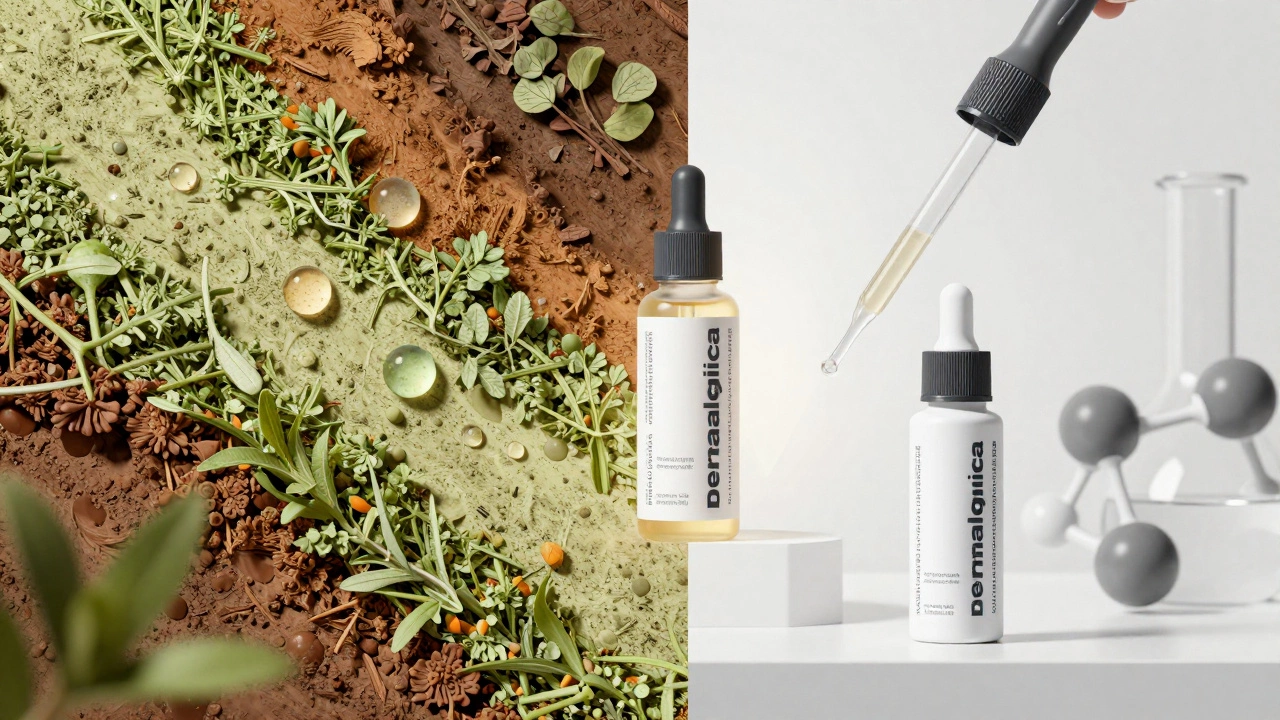
This is a crucial distinction. Organic Skincare refers to products made with ingredients grown without synthetic pesticides, fertilizers, or GMOs, often certified by bodies like USDA or COSMOS. Dermalogica is not an organic brand. You will not find USDA Organic seals on their bottles. Why? Because their focus is on active ingredients like peptides, niacinamide, and retinol derivatives, which are often synthesized in labs for purity and potency. Natural extraction doesn’t always guarantee stability or effectiveness in high concentrations.
Does this make them "unclean"? No. It makes them "clinical." Think of it like food: organic kale is great, but sometimes you need a vitamin supplement to fix a deficiency. Dermalogica positions itself as the latter. They use botanical extracts (like green tea or licorice root) alongside scientific actives. So, if your definition of clean requires 100% natural origin ingredients, Dermalogica will disappoint you. If your definition is "free of harmful toxins," they mostly fit the bill.
Cruelty-Free Status: A Clear Yes
For many consumers, "clean" is inseparable from ethics. Can you feel good buying a product if it was tested on rabbits? Dermalogica has a strong stance here. They are certified cruelty-free by Leaping Bunny, one of the most rigorous certification programs in the world. This means neither their finished products nor their ingredients are tested on animals anywhere in the world.
There is one catch, though. Dermalogica sells in China. Historically, China required animal testing for imported cosmetics. However, regulations changed in 2021, allowing most ordinary cosmetics to bypass mandatory animal testing if they meet certain manufacturing standards. Dermalogica complies with these new rules, maintaining their cruelty-free status while selling in the Chinese market. This is a nuance worth noting if you strictly boycott brands present in mainland China regardless of current laws.
Environmental Impact and Sustainability
Clean beauty isn’t just about your skin; it’s about the planet. How does Dermalogica perform here? They have made significant strides, but they aren’t perfect. Their bottles are made from recycled plastic (PCR), and they are working toward reducing virgin plastic use. They also offer refillable options for some professional lines, though this is less common in retail consumer packs.
However, compared to brands like Aveda a personal care company known for its commitment to sustainability and plant-based ingredients or Kjaer Weis a luxury makeup brand famous for its refillable metal compacts, Dermalogica’s packaging footprint is heavier. Most of their products come in single-use plastic tubes and bottles. If zero-waste is a core part of your clean beauty ethos, you might find their environmental record lacking.
Who Should Buy Dermalogica?
So, is it clean? It’s "clinically clean." It avoids the worst offenders in the industry. It’s safe for daily use. It’s effective. But it’s not raw, natural, or organic.
You should choose Dermalogica if:
- You want results-driven skincare that treats acne, aging, or hyperpigmentation.
- You prefer fragrance-free options to minimize irritation.
- You trust professional esthetician recommendations over influencer hype.
- You consider "clean" to mean "free of parabens, sulfates, and phthalates."
You should look elsewhere if:
- You demand 100% natural or organic ingredients.
- You avoid all synthetic preservatives, even those deemed safe by regulators.
- You prioritize zero-waste packaging above all else.
- You are allergic to essential oils and cannot verify every specific formula.
Alternatives to Consider
If Dermalogica doesn’t quite hit the mark for your specific definition of clean, here are three alternatives that lean harder into different aspects of the clean beauty spectrum.
| Brand | Best For | Key Difference |
|---|---|---|
| Drunk Elephant | Bio-compatible, pH-balanced formulas | Strictly avoids the "Suspicious 6" (essential oils, drying alcohols, silicones, etc.) |
| Tata Harper | Luxury organic skincare | 100% naturally derived and non-toxic; farm-to-face transparency |
| Paula’s Choice | Ingredient-focused, affordable science | High transparency, no fragrance, no dyes, very similar efficacy to Dermalogica |
Each of these brands takes a different approach. Drunk Elephant focuses on bio-compatibility (ingredients that work well with skin biology). Tata Harper offers true organic luxury. Paula’s Choice gives you the same no-nonsense, fragrance-free science as Dermalogica but often at a lower price point and with even stricter ingredient bans.
Final Thoughts on Dermalogica’s Clean Status
Labels are tricky. "Clean" is a marketing term, not a scientific one. Dermalogica is a responsible brand that prioritizes skin health over fear-mongering. They avoid the chemicals linked to serious health issues. They test rigorously. They deliver results. If you are looking for a brand that bridges the gap between clinical dermatology and conscious consumerism, Dermalogica is a solid choice. Just know that you are paying for professional-grade formulation, not necessarily organic purity.
Is Dermalogica vegan?
Not entirely. While many Dermalogica products are vegan, some contain animal-derived ingredients like beeswax, lanolin, or carmine. They do not explicitly label themselves as a vegan brand, so you must check individual product labels or ask a consultant to confirm if a specific item is free from animal products.
Does Dermalogica use retinol?
Yes, but not always pure retinol. Many of their anti-aging products use retinyl palmitate or other retinoid derivatives. These are generally gentler than pure prescription retinol but may not be accepted by strict clean beauty advocates who avoid retinyl palmitate due to potential oxidative stress on the skin when exposed to light.
Is Dermalogica safe for pregnant women?
Many Dermalogica products are safe during pregnancy, but you should avoid those containing retinoids (like Retinol Skin-Perfecting Serum) and high concentrations of salicylic acid. Always consult your OB-GYN before starting a new skincare routine during pregnancy, as hormonal changes can affect skin sensitivity.
Why is Dermalogica so expensive?
The high price reflects its professional positioning. Costs include extensive clinical testing, high-quality active ingredients, stable formulations that don’t require heavy preservatives, and distribution through trained estheticians. You are paying for efficacy and professional support, not just the bottle.
Can I buy Dermalogica online?
Yes, Dermalogica sells directly through its official website and authorized retailers like Sephora, Ulta, and Amazon. Be cautious of third-party sellers on marketplaces like eBay, as counterfeit skincare products are a growing concern. Buying from authorized sources ensures product authenticity and freshness.
Is Dermalogica better than CeraVe?
It depends on your needs. CeraVe is excellent for basic barrier repair and hydration at an affordable price, making it great for everyday maintenance. Dermalogica offers more targeted treatments for specific concerns like acne, rosacea, or advanced aging, with higher concentrations of actives. If you have complex skin issues, Dermalogica may offer more solutions; if you just need gentle cleansing and moisturizing, CeraVe is a cost-effective choice.
Does Dermalogica expire?
Yes, like all skincare products, Dermalogica has a shelf life. Unopened products typically last 2-3 years. Once opened, most products should be used within 6-12 months, indicated by the PAO (Period After Opening) symbol on the packaging (e.g., "6M" means 6 months). Using expired products can reduce efficacy and increase the risk of bacterial growth.