
Anti-Aging Effect Estimator
Calculate Your Biological Age Reduction
Results
There’s no magic pill that erases wrinkles or turns back time-no matter what the ads claim. But that doesn’t mean science is sitting idle. In fact, researchers are closer than ever to understanding how aging works at the cellular level, and some compounds are showing real, measurable effects in human trials. The question isn’t whether an anti-aging pill exists-it’s which ones might actually work, and what they can and can’t do.
What even counts as an "anti-aging pill"?
First, let’s clear up the confusion. When people say "anti-aging pill," they usually mean a supplement or drug that slows down biological aging-not just hides wrinkles with makeup. True anti-aging targets the root causes: damaged cells, shrinking mitochondria, chronic inflammation, and the buildup of "zombie" cells that refuse to die. These are the same processes that lead to heart disease, Alzheimer’s, and type 2 diabetes. So if a pill can slow aging, it might also delay multiple diseases at once.
That’s why scientists aren’t looking for a miracle cream in a bottle. They’re studying drugs that alter fundamental biology. And some of them are already being tested in humans-not just in mice.
The top candidates in real human trials
Five compounds have moved beyond lab mice and into human studies with measurable results:
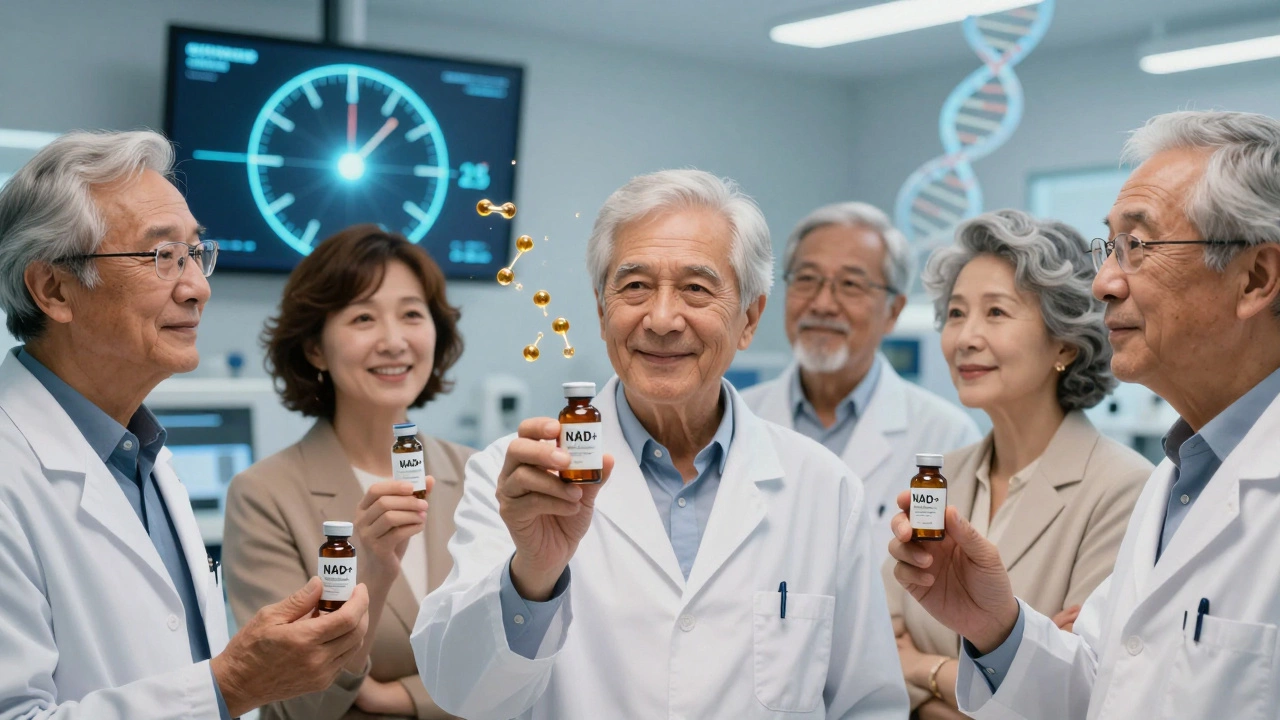
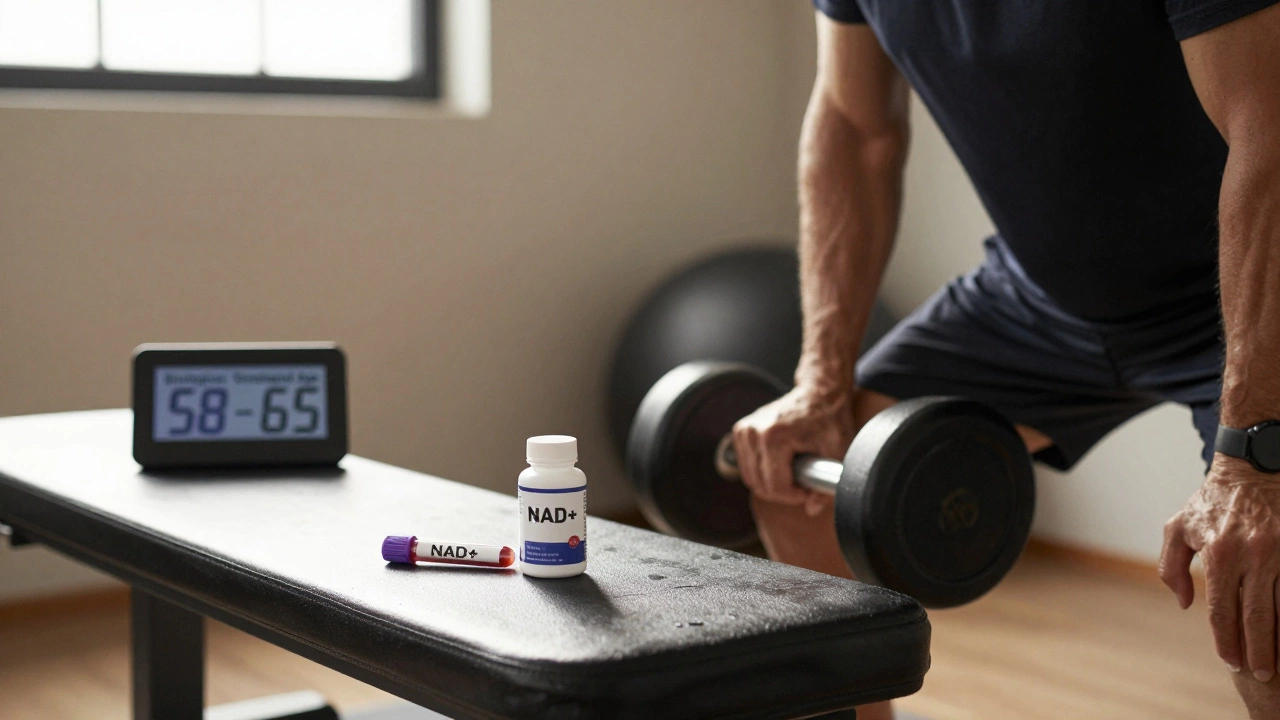
- NAD+ boosters (like nicotinamide riboside and NMN): These help restore levels of NAD+, a molecule that declines sharply with age. In a 2023 trial at the University of Copenhagen, healthy adults over 60 who took 500 mg of NR daily for 12 weeks saw a 40% increase in NAD+ levels and improved muscle endurance. Their biological age, measured by epigenetic clocks, dropped by an average of 2.5 years.
- Senolytics (like dasatinib and quercetin): These drugs clear out senescent cells-the "zombie" cells that leak inflammatory chemicals and damage nearby tissue. A 2024 study in the Journal of Gerontology gave 24 older adults a weekly dose of dasatinib and quercetin for three months. Their physical function improved by 18%, and markers of inflammation dropped by 37%.
- Metformin: Originally a diabetes drug, metformin has been used for decades. A 2022 analysis of over 78,000 diabetic patients found those taking metformin lived longer than non-diabetics who didn’t take it. It’s now being tested in the TAME (Targeting Aging with Metformin) trial, which aims to see if it can delay age-related diseases in non-diabetics.
- Rapamycin: This immune-suppressing drug, originally used for organ transplants, extends lifespan in animals by 15-25%. In a 2025 pilot study at the University of California, 30 healthy adults over 65 took low-dose rapamycin for six months. Their immune response to flu vaccines improved significantly, and their cellular aging markers showed reversal in key pathways.
- Alpha-ketoglutarate (AKG): A metabolite involved in energy production, AKG has shown promise in slowing epigenetic aging. A 2024 study in Nature Aging gave 120 middle-aged adults 1 gram of AKG daily for 8 months. Their biological age decreased by 3.5 years on average, with the most dramatic changes in skin elasticity and joint mobility.
None of these are FDA-approved as anti-aging treatments yet. But they’re not snake oil either. They’re being studied in controlled trials with real biomarkers-epigenetic clocks, inflammation levels, immune function, and physical performance.
What’s not working (and why)
Let’s be clear: most supplements sold as "anti-aging" don’t hold up.
Collagen pills? They get broken down into amino acids. Your body doesn’t know they came from a fish skin capsule-it just uses them like any other protein. There’s no evidence they rebuild skin from the inside.
Resveratrol? It’s been studied for 20 years. In mice, it extended lifespan. In humans? A 2021 meta-analysis of 12 trials found no consistent benefit on aging markers.
Antioxidant vitamins (C, E, selenium)? They don’t prevent aging. In fact, some studies suggest high doses might interfere with the body’s natural repair mechanisms.
The problem? Many supplements are sold based on cell studies or mouse data-and never tested in humans at effective doses. If a pill doesn’t change your telomere length, epigenetic age, or inflammation markers after 3 months, it’s not doing what it claims.

What actually changes aging?
Even if a pill works, it’s not a replacement for lifestyle. The most powerful anti-aging intervention we have right now is still:
- Regular movement-especially strength training and walking
- Quality sleep (7-8 hours, consistent schedule)
- Minimizing processed sugar and refined carbs
- Managing stress (chronic cortisol accelerates cellular aging)
- Not smoking
A 2023 study from Stanford tracked 1,000 people over 10 years. Those who followed all five habits had a biological age 7 years younger than their chronological age. Those who followed none had a biological age 12 years older.
So if you’re thinking about an anti-aging pill, ask yourself: are you already doing the basics?
Should you take any of these?
Here’s the honest take:
- NAD+ boosters (NR/NMN): Safe for most. If you’re over 50 and want to try something low-risk, this is the most evidence-backed supplement. Look for 250-500 mg daily.
- Senolytics: Not for self-experimentation. Dasatinib is a prescription drug with side effects. Quercetin is available as a supplement, but we don’t know the right dose or frequency for anti-aging yet.
- Metformin: Only take if prescribed. It’s not for healthy people without insulin resistance. Can cause GI upset and B12 deficiency.
- Rapamycin: Too risky without medical supervision. Immune suppression can be dangerous.
- AKG: Appears safe in trials. Still experimental. Not widely available in pure form.
Bottom line: NAD+ boosters are the only ones you might reasonably consider on your own. Everything else needs a doctor’s guidance.
What’s coming next?
The next wave of anti-aging science isn’t about single pills. It’s about combinations. Researchers are testing NAD+ boosters with senolytics. Others are pairing AKG with intermittent fasting. Early results suggest synergistic effects-meaning the whole might be greater than the sum of its parts.
Also, epigenetic clocks are getting smarter. In 2025, a new clock called DeepAge was trained on 100,000 blood samples. It can now predict biological age with 94% accuracy using just a simple blood test. That means in the next 2 years, you might be able to test your aging rate at home-and see if a supplement actually works for you.
Final reality check
No pill will make you 25 again. But science is proving that aging isn’t fixed-it’s malleable. We can slow it. We can even reverse some of its damage. The real anti-aging pill? It’s not in a bottle. It’s in your choices. But if you want to give your body a boost while you’re at it? NAD+ is the only one with solid, repeatable human data. Everything else is still a work in progress.
Is there a proven anti-aging pill on the market?
No supplement is currently FDA-approved as an anti-aging treatment. However, compounds like NAD+ boosters (nicotinamide riboside) have shown measurable benefits in human trials-improving cellular energy and reducing biological age by up to 2.5 years in 12 weeks. These are available as supplements, but they’re not magic. They work best alongside sleep, exercise, and a healthy diet.
Can metformin or rapamycin really slow aging?
Yes, in clinical trials. Metformin improved healthspan in diabetic patients and is now being tested in non-diabetics through the TAME trial. Rapamycin has shown immune and cellular rejuvenation in older adults at low doses. But both carry risks: metformin can cause digestive issues and B12 deficiency; rapamycin suppresses immunity. Neither should be taken without medical supervision.
Do collagen pills really work for anti-aging?
Not really. Collagen supplements are broken down into amino acids in the gut. Your body uses them like any other protein-they don’t go straight to your skin. Some studies show slight improvements in skin hydration, but the effect is minor and temporary. Topical retinoids and sun protection do far more for skin aging than any collagen pill.
What’s the best way to measure if an anti-aging treatment is working?
The most reliable method is an epigenetic clock test, which analyzes DNA methylation patterns to estimate biological age. Companies like TruDiagnostic and AgelessRx offer at-home blood tests that track this. Changes in physical function-like grip strength, walking speed, or recovery time-are also strong indicators. Don’t trust wrinkles alone; they’re influenced by sun exposure and genetics.
Are there any dangerous anti-aging supplements to avoid?
Yes. Avoid anything claiming to "reverse aging" with unlisted ingredients, especially those sold as "research chemicals" or on dark web marketplaces. Some products contain unregulated peptides, stem cell activators, or synthetic hormones. In 2024, the FDA warned against several online supplements that contained banned steroids and thyroid disruptors. Stick to well-studied compounds with published human trials-no brand name should replace scientific evidence.