
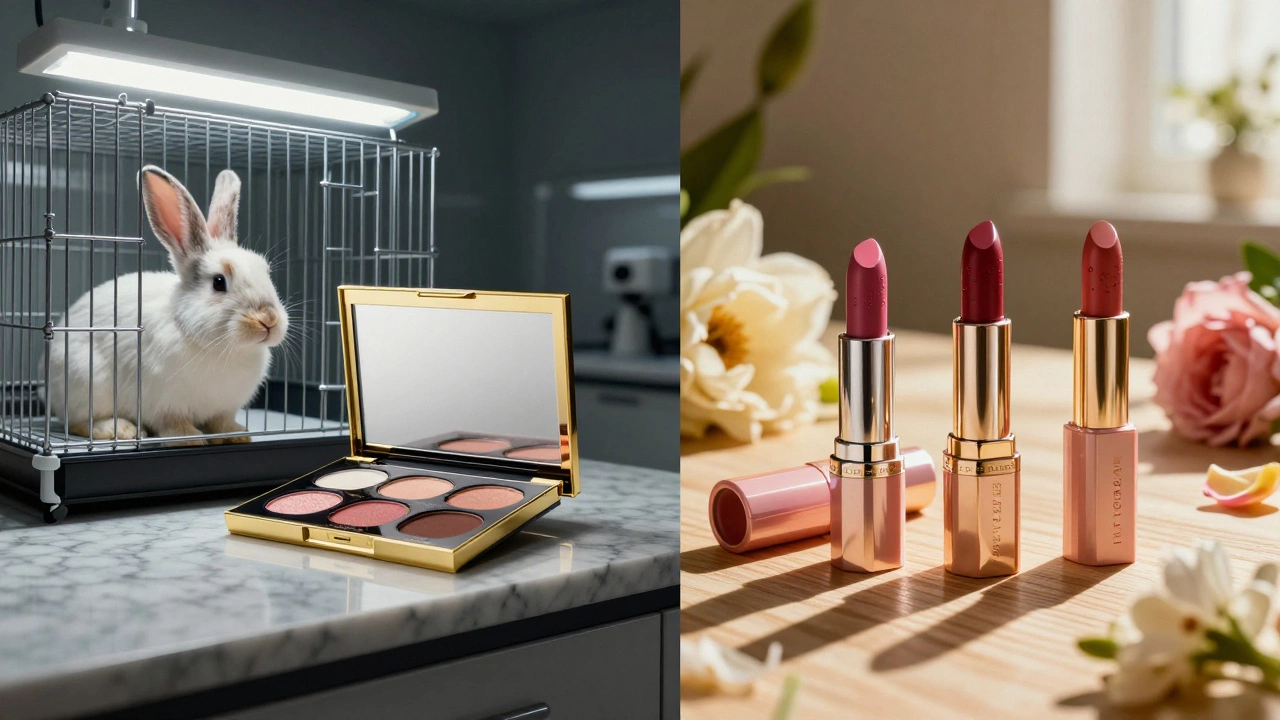
Victoria’s Secret is one of the most recognizable names in lingerie and beauty, but if you care about animal welfare, you might be asking: Is Victoria’s Secret cruelty-free? The short answer is no. And here’s why that matters - and what you can do instead.
Victoria’s Secret doesn’t test on animals, but they sell in China
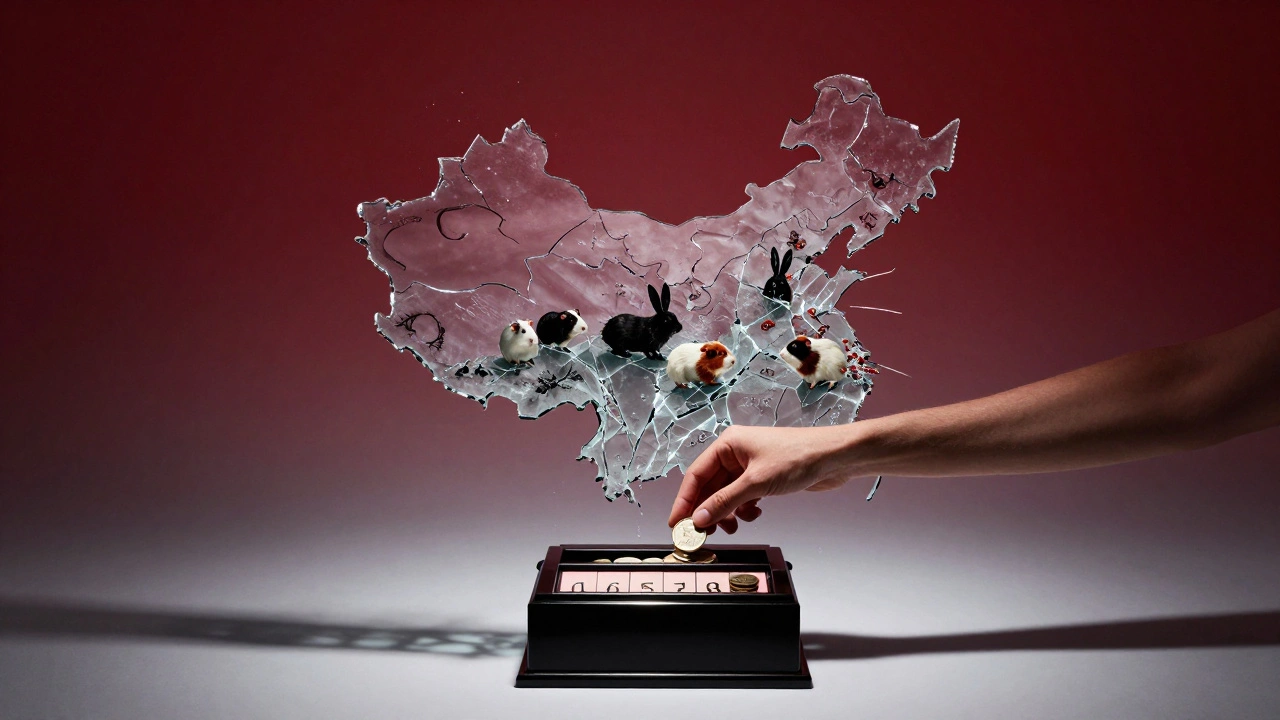
Victoria’s Secret claims they don’t test their products on animals. That sounds good, right? But there’s a big catch. They sell their makeup and body care products in mainland China. And China still requires animal testing for most imported cosmetics - even if the brand says they don’t do it themselves.Here’s how it works: Chinese authorities take random samples of products sold in stores and send them to labs for testing on rabbits, mice, or guinea pigs. The brand doesn’t do the testing, but they still allow it to happen to get access to a $100 billion market. That’s not cruelty-free. That’s complicity.
Brands like Lush, The Body Shop, and Fenty Beauty refuse to sell in China because they won’t let animals suffer for their profits. Victoria’s Secret chose profit over ethics.
They’re not certified by any cruelty-free organization
If a brand is truly cruelty-free, they get certified. That means they’re audited by groups like Leaping Bunny or PETA. These certifications require strict rules: no animal testing at any stage, no exceptions for foreign markets, and full transparency.Victoria’s Secret has none of these certifications. They don’t even list themselves on PETA’s database of cruelty-free brands. That’s not an accident. It’s a red flag.
Even their parent company, L Brands (now Bath & Body Works, Inc.), doesn’t claim cruelty-free status for Victoria’s Secret Beauty. Their official statement says they don’t test on animals - but they don’t say they won’t let others do it for them.
Are any Victoria’s Secret products vegan?
Vegan means no animal ingredients. Cruelty-free means no animal testing. They’re not the same thing.Victoria’s Secret doesn’t label any of their makeup as vegan. Their products contain things like beeswax, carmine (made from crushed beetles), lanolin (from sheep’s wool), and collagen. Even their popular Lip Kisses contain beeswax. That’s not vegan. And if you’re avoiding animal-derived ingredients, you’re better off looking elsewhere.
Some of their body mists and lotions might not have obvious animal ingredients, but without full transparency or third-party verification, you can’t trust the label. Companies don’t list every single ingredient - especially the hidden ones.
What about their 2025 product line?
In 2025, Victoria’s Secret launched a new line called “Purely Perfect”, marketed as more “inclusive” and “clean.” But their marketing didn’t change their policy. No new certifications. No withdrawal from China. No vegan swaps. Just a new name and a slightly updated bottle.That’s greenwashing. It’s when companies use words like “pure,” “natural,” or “gentle” to make you feel good - while keeping the same harmful practices. If they were serious about ethics, they’d make the hard choices. They’d pull out of China. They’d get certified. They’d reformulate.
They haven’t. And that tells you everything you need to know.
Who are the real cruelty-free alternatives?
You don’t have to give up color, glow, or luxury to avoid animal testing. There are dozens of brands that are certified, transparent, and still deliver high-quality makeup.- Too Faced - Leaping Bunny certified, 100% cruelty-free, and makes stunning eyeshadow palettes.
- Fenty Beauty - Rihanna’s brand doesn’t test on animals, doesn’t sell in China, and has over 50 foundation shades.
- Urban Decay - Certified by Leaping Bunny since 2012. Their Naked palettes are iconic - and animal-free.
- Charlotte Tilbury - Cruelty-free and vegan options clearly labeled. No China sales.
- Dr. Hauschka - German brand with certified natural and vegan formulas. Great for sensitive skin.
These brands prove you don’t need to hurt animals to make beautiful makeup. They’re also cheaper than Victoria’s Secret in many cases. A $28 vegan lipstick from Fenty does the same job as a $32 Victoria’s Secret one - without the guilt.
Why does this even matter?
Animal testing isn’t just outdated - it’s unnecessary. Modern science has alternatives: lab-grown human skin, 3D-printed tissue, and computer models that predict reactions better than rabbits ever could. The EU banned animal testing for cosmetics in 2013. India, Israel, and Norway did too. Even South Korea is phasing it out.China is the last major market holding on to this practice. But change is coming. In 2024, China started allowing some imported cosmetics to skip animal testing if they meet strict safety standards - but only if they’re sold online or in duty-free shops. Brands that want to sell in physical stores still face mandatory testing.
Victoria’s Secret hasn’t moved. They’re still choosing the old system. That means every time you buy their lipstick, you’re funding animal suffering - even if you didn’t know it.
What you can do
You have power. You vote with your wallet every time you shop.- Stop buying Victoria’s Secret makeup. Their lingerie might still be your thing - but skip the beauty line.
- Use apps like Cruelty-Free Kitty or Bunny Free. Scan barcodes in-store to instantly check if a brand is safe.
- Call or email Victoria’s Secret. Ask them why they won’t get certified. Ask them why they won’t leave China. Companies listen when customers speak up.
- Support brands that do it right. Share your favorite cruelty-free finds on social media. Make it normal to care.
It’s not about perfection. It’s about progress. One less lipstick bought from Victoria’s Secret is one less rabbit subjected to eye irritation tests. One more person choosing Fenty is one more voice pushing the industry forward.
Final verdict
Is Victoria’s Secret cruelty-free? No. They’re not certified. They sell in China. Their products contain animal ingredients. Their marketing hides the truth.If you want makeup that doesn’t cost animals their lives, there are better options - and they’re not hard to find. You don’t need to sacrifice quality, color, or confidence to be ethical. You just need to know where to look.
Does Victoria’s Secret test on animals directly?
Victoria’s Secret claims they don’t test their products on animals themselves. But because they sell in mainland China, where the government requires animal testing for imported cosmetics, their products are still tested on animals by third parties. This means they benefit from and allow animal testing to happen.
Is Victoria’s Secret makeup vegan?
No, Victoria’s Secret makeup is not vegan. Their products contain animal-derived ingredients like beeswax, carmine (from crushed beetles), lanolin (from sheep’s wool), and collagen. None of their products are labeled or certified as vegan.
Does Victoria’s Secret sell in China?
Yes, Victoria’s Secret sells its makeup and body care products in physical stores across mainland China. This requires them to comply with China’s mandatory animal testing laws for imported cosmetics, disqualifying them from being cruelty-free.
Are there any cruelty-free makeup brands that are similar to Victoria’s Secret?
Yes. Brands like Too Faced, Fenty Beauty, Urban Decay, and Charlotte Tilbury offer similar styles - bold colors, glamorous packaging, and high-performance formulas - without animal testing or animal ingredients. Many are also more affordable and have better ingredient transparency.
What does it mean if a brand is Leaping Bunny certified?
Leaping Bunny certification means the brand has been independently audited to ensure no animal testing occurs at any stage - not by the company, not by suppliers, and not in any country, including China. It’s the gold standard for cruelty-free beauty.
If you’re ready to make the switch, start with one product - a lipstick, a mascara, a highlighter - from a certified cruelty-free brand. You’ll be surprised how easy it is to find something just as beautiful - and infinitely more ethical.