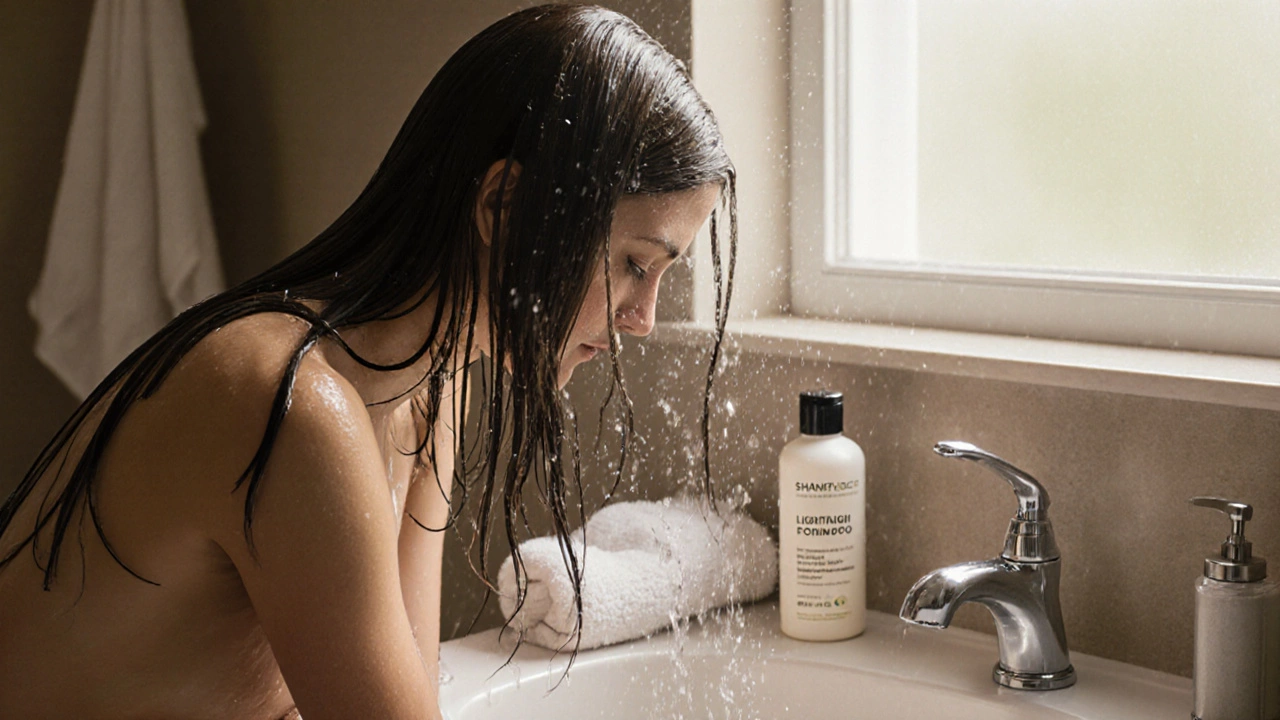
Hair Type Washing: How to Wash Your Hair Based on Your Hair Type
When it comes to hair type washing, the way you clean your hair should match your natural hair structure, not a one-size-fits-all routine. Also known as hair washing by texture, this approach isn’t about following trends—it’s about giving your scalp and strands what they actually need to stay healthy, shiny, and strong. Washing your hair the wrong way for your type can strip natural oils, cause frizz, or make fine hair look flat. It’s not just how often you wash—it’s how you wash, what you use, and why.
For example, if you have curly hair, a texture that holds moisture but is prone to dryness and tangling. Also known as coily or wavy hair, it thrives on gentle cleansing and minimal shampooing. Overwashing curls can remove the natural oils that keep them defined and soft. Many people with curly hair wash only once or twice a week, using sulfate-free cleansers and focusing on scalp massage instead of scrubbing the lengths. On the other hand, oily hair, a condition caused by overactive sebaceous glands that produce excess sebum. Also known as greasy hair, it often needs more frequent washing—every other day or even daily—to prevent buildup and limpness. But even oily hair shouldn’t be stripped raw. Harsh shampoos can trick your scalp into making even more oil. The trick? Use a light, clarifying formula and rinse with cool water to seal the cuticle.
Dry hair, often caused by damage, heat, or genetics, lacks moisture and feels rough or brittle. Also known as dehydrated hair, it needs hydrating cleansers and conditioning treatments that stick around. If your hair feels straw-like after washing, you’re probably using something too stripping. Look for ingredients like glycerin, aloe vera, or shea butter in your shampoo. And if you have fine hair, a texture that’s thin in diameter and easily weighed down. Also known as thin hair, it benefits from lightweight, volumizing formulas that clean without residue. Heavy conditioners or oils can make fine hair look flat and lifeless. Rinse thoroughly and apply conditioner only to the ends.
There’s no magic number for how many times a week you should wash. It’s not about the clock—it’s about your scalp’s response. If your roots get greasy by day two, you likely have oily hair. If your curls get frizzy and dull after two washes, you probably need to space them out. Pay attention to how your hair feels after washing. Does it feel squeaky clean? That’s a sign you’re overdoing it. Does it feel greasy or tangled? You might be under-cleaning. Your hair will tell you what it needs if you listen.
You’ll find posts here that cut through the noise. No fluff, no fake promises. Just real advice on what products work for each hair type, how often to wash, and what ingredients to avoid. Whether you’re dealing with damaged ends, limp strands, or frizz that won’t quit, the guides below give you clear, step-by-step routines that match your hair’s actual needs—not someone else’s.