
Choosing the right makeup product shouldn’t feel like guessing what works. You’ve probably bought a foundation that looked perfect in the store but turned orange by noon. Or picked a lipstick that promised long wear, only to have it fade after lunch. It’s not you-it’s the overwhelming options and vague advice. The truth? There’s no universal ‘best’ makeup. What works for your best friend might look muddy or cakey on you. The key is matching products to your skin, lifestyle, and goals.
Know Your Skin Type First
Before you even touch a lipstick, you need to understand your skin. This isn’t just about being oily or dry. It’s about how your skin behaves throughout the day. If you’re not sure, wash your face, wait an hour, and check your T-zone (forehead, nose, chin). If it’s shiny, you’re likely oily. If it’s tight or flaky, you’re dry. If it’s only shiny in spots, you’re combination. Normal skin feels balanced-no major shine or dryness.Here’s what that means for makeup:
- Oily skin: Look for oil-free, matte, or long-wear formulas. Avoid creamy foundations-they’ll slide off. Powder foundations or mineral makeup often work better. Setting sprays with mattifying ingredients help too.
- Dry skin: Hydrating, dewy foundations are your friend. Skip powders that emphasize flakes. Look for ingredients like hyaluronic acid, squalane, or glycerin. Cream blushes and liquid highlighters blend better than powders.
- Combination skin: Use different products for different zones. A lightweight liquid foundation on your T-zone, and a creamier one on your cheeks if they’re dry. Set only the oily areas with translucent powder.
- Sensitive skin: Avoid fragrances, alcohol, and harsh preservatives. Look for products labeled ‘hypoallergenic’ or ‘dermatologist-tested’. Patch test new products behind your ear for 48 hours before using them on your face.
Match Your Skin Tone Accurately
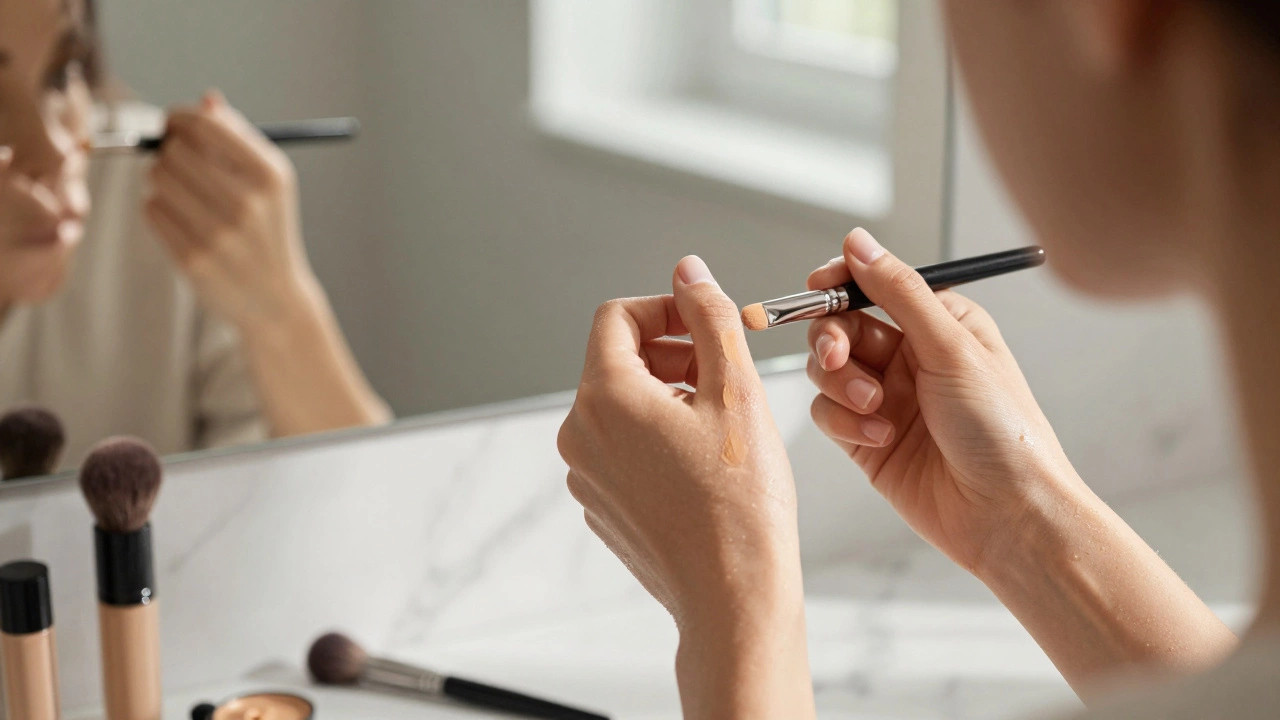
A foundation that’s too light makes you look ghostly. One that’s too dark looks like a mask. Many people pick foundation based on their neck or arm, but that’s a mistake. Your face and neck often differ in tone. Always test foundation on your jawline in natural light.Here’s how to test properly:
- Apply three swatches along your jawline-one your usual shade, one lighter, one darker.
- Step back and look in a mirror under daylight. The right shade disappears into your skin.
- Don’t trust store lighting. It’s designed to make everything look flawless.
Shade names like ‘porcelain’ or ‘caramel’ are useless. Brands like Fenty Beauty, NARS, and MAC offer 30+ shades for a reason. If a brand has fewer than 20 shades, they’re not designed for real diversity. Don’t settle.
Consider Your Makeup Goals
Are you going for natural everyday wear, full coverage for a wedding, or a bold night out? Your purpose changes everything.For a no-makeup makeup look, skip heavy foundations. Use a tinted moisturizer or BB cream. Add a touch of cream blush and clear gloss. A few coats of mascara are enough.
For full coverage, you need a long-wear foundation. Liquid or cushion formulas with medium to high pigment work best. Set with a light dusting of powder. Use a concealer that’s one shade lighter than your foundation for under-eye brightening, but don’t go too light-it creates a halo effect.
For bold looks, play with color. Bright lips? Go for a matte liquid lipstick. Smoky eyes? Use a cream shadow base to make pigment stick. Don’t be afraid to experiment, but keep the rest of your makeup simple. One statement feature is enough.

Check the Ingredients (Especially If You Have Skin Issues)
Makeup isn’t just color-it’s chemistry. If you get breakouts from foundation, it’s likely because of comedogenic ingredients. Look for products labeled ‘non-comedogenic’ if you’re acne-prone. Avoid mineral oil, lanolin, and cocoa butter in foundations.For rosacea or redness, avoid products with alcohol, menthol, or peppermint oil. Green-tinted color correctors can help neutralize redness before foundation. Look for soothing ingredients like niacinamide, centella asiatica, or allantoin.
If you have eczema or psoriasis, stick to fragrance-free, hypoallergenic brands like Vanicream, CeraVe, or Avene. These brands test their products on sensitive skin and avoid common irritants.
Read Reviews-But Filter Them
Online reviews are helpful, but not always trustworthy. Someone with oily skin giving a 5-star review to a hydrating foundation doesn’t help you if you’re dry. Look for reviews from people with your skin type and tone.Here’s how to spot useful reviews:
- Check for photos-not just text. Real skin under real lighting tells you more.
- Look for reviews that mention wear time, blending, and how it looks after 6 hours.
- Ignore one-star rants that say ‘it’s terrible’ without explaining why.
- Trust reviewers who say ‘this works for my combination skin’ over those who say ‘this changed my life’.
YouTube and TikTok are great for seeing products in motion. Watch videos tagged with your skin type. Don’t just watch influencers-look for everyday people with similar features.

Start Small and Build Your Kit
You don’t need 20 foundations, 15 lipsticks, and 8 palettes. Start with the basics:- One foundation or tinted moisturizer that matches your skin
- One concealer for under eyes and blemishes
- One neutral eyeshadow palette (nudes, browns, taupes)
- One mascara
- One blush (cream or powder, depending on your skin)
- One lip color you love (a universal nude or berry)
Buy mini sizes or travel kits before committing to full-size products. Many brands offer sample packs. Use them. Test them in your daily routine-morning rush, evening out, under different lights.
Replace Old Products Regularly
Makeup doesn’t last forever. Bacteria builds up. Oils go rancid. Mascara should be replaced every 3 months. Liquid foundation lasts 6-12 months. Powder products last longer-up to 2 years-if stored properly.Signs your makeup has gone bad:
- Change in smell (sour, rancid, chemical)
- Change in texture (clumpy, separated, watery)
- Breakouts after using it
- Color looks off
Write the opening date on your products with a marker. It’s a small habit that prevents skin reactions and keeps your makeup looking its best.
Don’t Chase Trends-Find What Fits You
TikTok makes it seem like you need the latest ‘glass skin’ serum or viral lipstick. But trends fade. Your skin doesn’t. What matters is what makes you feel confident. Maybe you love a bold red lip every Tuesday. Maybe you only wear concealer and brow gel. That’s enough.Makeup is a tool, not a requirement. The best product is the one you’ll actually use. Don’t buy something because it’s popular. Buy it because it works for you.
How do I know if a foundation is the right shade?
Test it on your jawline in natural daylight. The right shade blends invisibly into your skin. Avoid testing on your wrist or hand-those areas are often lighter or darker than your face. If you’re unsure, ask for a sample or buy a travel size first.
Can I use the same makeup for day and night?
Yes, but adjust the intensity. Use lighter coverage and softer colors for day. At night, you can add more pigment, shimmer, or bold lip color. The same foundation can work for both-just layer it more for evening. Keep a small makeup bag with a darker lipstick and extra mascara for touch-ups.
Is expensive makeup always better?
No. Many drugstore brands like Maybelline, L’Oréal, and e.l.f. offer excellent quality. High price doesn’t guarantee better performance. What matters is formulation, ingredients, and how it works on your skin. Some luxury products have better packaging or scent, but not necessarily better wear or coverage. Test before you spend.
What should I avoid if I have acne-prone skin?
Avoid heavy, oil-based products and ingredients like coconut oil, lanolin, and isopropyl myristate. Look for ‘non-comedogenic’ on the label. Use water-based or silicone-based foundations. Always remove makeup before bed, and wash your brushes weekly. Don’t layer too many products-simplicity reduces irritation.
How often should I clean my makeup brushes?
Clean brushes used for liquid products like foundation and concealer once a week. Brushes for powder products can be cleaned every two weeks. Use a gentle shampoo or brush cleaner. Let them air dry flat-never stand them upright while wet, or water can loosen the glue. Dirty brushes cause breakouts and patchy application.