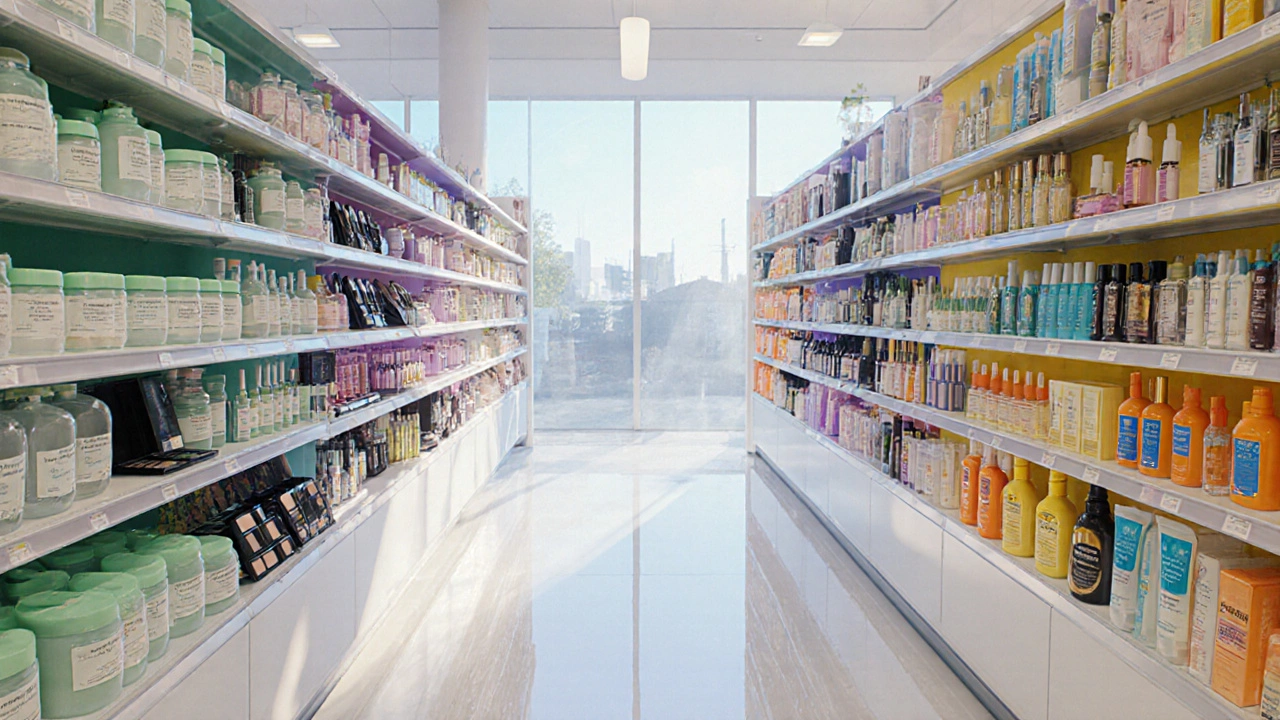
Product Types: Your Quick Guide to Beauty Essentials
When you shop for beauty, the sheer number of product types can feel overwhelming. Is it a serum or a cream? Should you buy a foundation or a tinted moisturizer? This guide breaks down the main categories so you can pick what fits your routine without the guesswork.
Makeup & Cosmetic Categories
Makeup starts with the base. Foundations, BB creams, and tinted moisturizers all aim to even out skin tone, but they differ in coverage and texture. If you want full coverage, stick with a traditional foundation. For a natural look, a BB cream or tinted moisturizer does the job and adds light SPF.
Concealers target specific spots—think under‑eyes or blemishes. Choose a shade that matches your skin tone for dark circles, or a slightly lighter hue for spot treatment. Powders set everything in place; loose powders give a matte finish, while pressed powders are great for on‑the‑go touch‑ups.
Color products—eyeshadows, blushes, lipsticks—each have sub‑types. Matte eyeshadows last longer, while shimmer adds brightness. Cream blushes blend smoother on dry skin, whereas powder blush works well on oily skin. For lips, a sheer tint offers a natural wash of color, while a bold lipstick makes a statement.
Skincare & Hair Care Products
Skincare can be split into three main steps: cleanse, treat, protect. Cleansers range from foaming gels for oily skin to creamy washes for dry skin. Toners balance pH, but if you skip them, a gentle spray can do the trick.
Treatment products include serums, essences, and masks. Serums are concentrated; pick a vitamin C serum for brightening or a hyaluronic acid serum for hydration. Masks—clay, sheet, or overnight—give a boost when your skin feels dull.
Moisturizers seal in the benefits. Light gels are perfect for hot weather, while richer creams work best at night or in winter. Don’t forget sunscreen; SPF 30 is the minimum, but SPF 50 offers extra protection if you’re outdoors a lot.
Hair care follows a similar pattern: cleanse, condition, treat. Shampoos target specific needs—volume, moisture, color protection. Conditioners keep strands smooth; a leave‑in conditioner adds extra slip for tangled hair. Treatments like hair oils or serums focus on split ends and frizz.
When you know the purpose of each product type, shopping becomes faster and less stressful. Look at the label, match it to your skin or hair concern, and you’ll spend less time experimenting and more time enjoying results.
Got a favorite product that doesn’t fit neatly into these categories? That’s fine—many hybrid products blur the lines. The key is to understand what problem they solve and how they fit into your routine.
Now that you’ve got a clear picture of the main product types, you can build a routine that actually works for you. Keep this guide handy whenever you browse a new brand or shop in the aisle; it’ll help you pick the right items without the overwhelm.