
Beauty Giant Strategy Explorer
How it works: Select a company below to explore their core business strategy, market focus, and the unique approach they use to dominate the global beauty landscape.
Click on a company to view their detailed market profile.
Key Attribute:
Quick Takeaways
- L'Oréal remains the undisputed global leader in beauty and skincare.
- The industry is shifting from traditional luxury to 'clean beauty' and dermatologist-backed science.
- Major players like Estée Lauder and Coty focus heavily on prestige fragrance and high-end makeup.
- Innovation is now driven by AI-powered skin analysis and personalized cosmetics.
The Heavyweights of the Beauty World
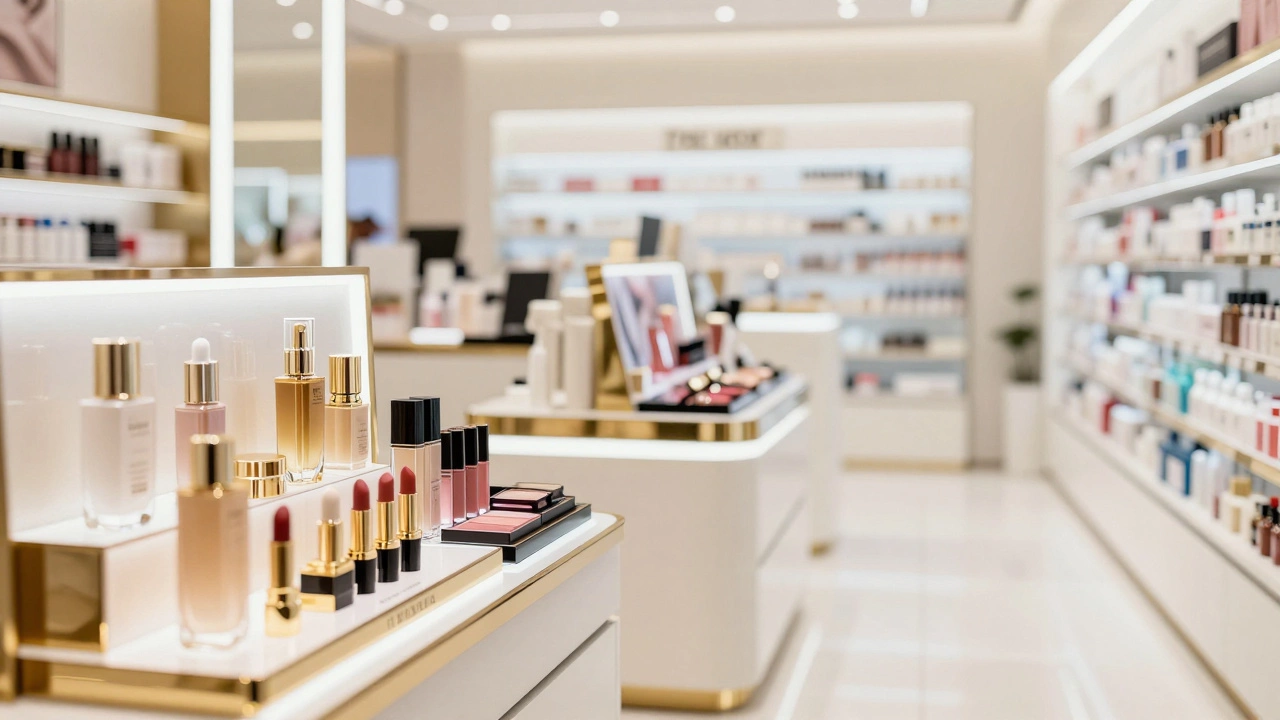
When we talk about the top cosmetic companies, we aren't just looking at who sells the most mascara. We're looking at market capitalization, global distribution networks, and the number of sub-brands they control. For instance, L'Oréal is a French multinational personal care company that specializes in cosmetics, skincare, and fragrances. They aren't just one brand; they are the umbrella for everything from Maybelline to Lancôme. Their scale allows them to dominate both the drugstore aisle and the luxury counter simultaneously.
Then you have The Estée Lauder Companies, which operates differently. While L'Oréal casts a wide net, Estée Lauder focuses on the prestige market. They prioritize high-margin luxury products and have a massive grip on the travel retail sector-think of those glittering shops in international airports. Their strategy is built on exclusivity and high-touch customer experiences, which keeps their profit margins healthy even when the broader economy dips.
Across the pond, Procter & Gamble (P&G) takes a more utilitarian approach. They don't focus on the 'glamour' of makeup as much as the 'necessity' of personal care. By owning brands like Olay, they've integrated skincare into a broader health and hygiene ecosystem. This makes them incredibly resilient; people might stop buying expensive eyeshadow, but they rarely stop buying moisturizer or soap.
Comparing the Industry Titans
Not all beauty giants play the same game. Some chase volume, while others chase prestige. To make sense of how these companies differ, look at their primary focus areas and how they reach customers.
| Company | Core Strategy | Key Attributes | Market Segment |
|---|---|---|---|
| L'Oréal | Diversification | Massive R&D Budget | Mass & Luxury |
| Estée Lauder | Prestige | High Brand Loyalty | Luxury Only |
| Coty | Fragrance Power | Licensing Focus | Mid-to-High |
| Shiseido | Asian Innovation | Advanced Skincare Tech | Premium |
| Unilever | Global Reach | Household Accessibility | Mass Market |
The Fragrance and Fashion Bridge
You can't discuss the top companies without mentioning Coty Inc.. Coty is a fascinating case because they specialize in the intersection of fashion and beauty. Instead of building everything from scratch, they often partner with fashion houses to create fragrances. If you've ever bought a perfume based on a designer's name, there's a good chance Coty was the engine behind the scenes. They've recently pivoted toward 'celebrity beauty,' acquiring brands that leverage the massive social media reach of influencers and stars.
Similarly, Unilever manages a portfolio that emphasizes 'wellness' and 'natural' beauty. They've spent the last few years buying up organic and sustainable brands to keep up with the Gen Z demand for transparency. Their approach is about scale-getting a 'clean' product into a village in India and a boutique in London using the same logistics chain.
Innovation and the Asian Influence
For a long time, the beauty world looked toward Paris and New York for direction. That's changed. Shiseido has fundamentally altered how the world thinks about skincare. As a Japanese powerhouse, they've introduced the concept of 'J-Beauty,' focusing on prevention and skin health over the 'correction' model common in the West. Their investment in biotechnology has forced Western companies to rethink their formulas.
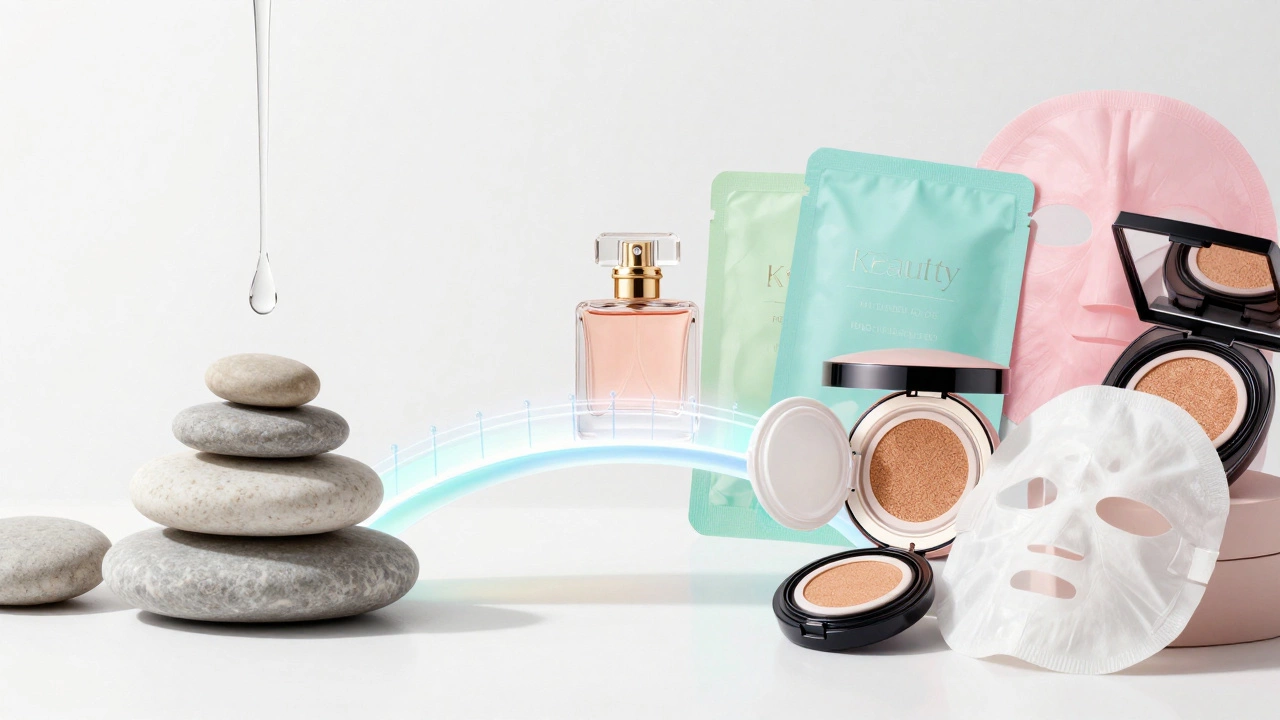
We're also seeing the rise of Amorepacific from South Korea. They are the architects of the 'K-Beauty' craze. By pioneering products like cushion compacts and sheet masks, they've shifted the global consumer's expectations. They don't just sell cream; they sell a multi-step ritual. This shift in consumer behavior has forced companies like L'Oréal to acquire Korean startups just to stay relevant.
The New Era of Direct-to-Consumer (DTC) Giants
While the legacy companies still hold the most money, new players have rewritten the rulebook. Look at how companies like Ulta Beauty (which acts as both a retailer and a brand incubator) or the massive growth of LVMH's beauty division. LVMH is the ultimate luxury conglomerate, treating beauty products as an extension of a lifestyle brand. When you buy Dior beauty, you're buying into the LVMH ecosystem of prestige.
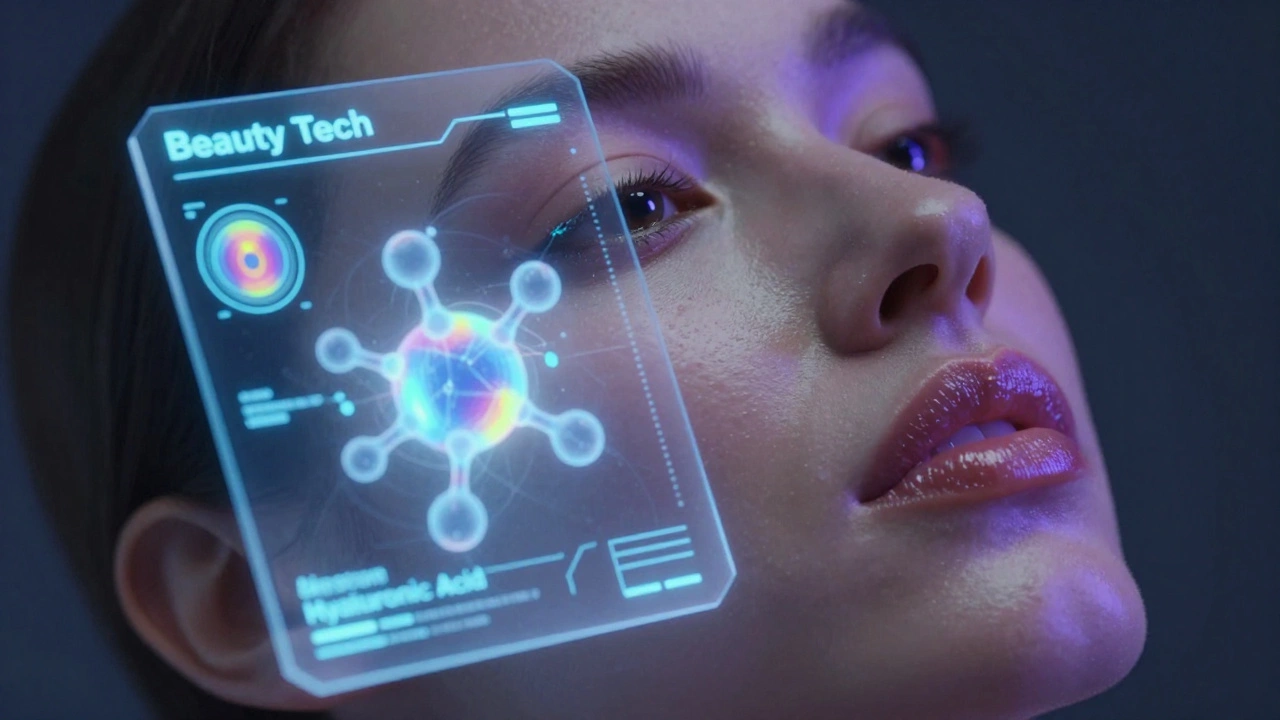
The most disruptive shift, however, is the move toward 'clinical beauty.' Brands that focus on active ingredients-like Hyaluronic Acid or Retinol-have forced the big ten to pivot. We're seeing a trend where the 'science' of the product is more important than the 'story' of the brand. If a company can't prove their ingredients work through a clinical study, today's consumer will simply switch to a cheaper, more transparent alternative.
How the Big Players Stay on Top
You might ask: why don't these giants just get disrupted by a teenager with a viral TikTok brand? The answer is acquisition. When a small, indie brand starts gaining traction, the top 10 companies don't compete with them-they buy them. This is how they maintain their dominance. They provide the small brand with global distribution and professional manufacturing while keeping the 'indie' image intact for the consumer.
Moreover, they are investing heavily in Beauty Tech. This isn't just fancy websites. We're talking about AI-driven skin diagnostic tools and 3D-printed makeup. By owning the technology that tells you which shade of foundation you need, they lock you into their product ecosystem before you've even seen a physical store.
Which cosmetic company is the biggest in the world?
L'Oréal is widely considered the largest cosmetic company globally by revenue and market share. They possess a diverse portfolio that spans across mass-market drugstore brands and high-end luxury lines, allowing them to capture a vast majority of the global consumer base.
Do these companies own the brands I use?
Almost certainly. Most famous brands-from Maybelline and Kiehl's to Clinique and MAC-are owned by larger parent conglomerates. This structure allows the parent company to manage the business and logistics while the individual brand focuses on marketing and product identity.
What is the difference between prestige and mass-market cosmetics?
Mass-market cosmetics are sold in supermarkets and pharmacies at accessible prices, focusing on high volume. Prestige cosmetics are sold in boutiques or department stores, focusing on higher quality ingredients, exclusive branding, and a more personalized shopping experience.
Are these companies moving toward cruelty-free products?
Many are. Due to changing laws in the EU and China, as well as consumer pressure, giants like Unilever and L'Oréal have significantly reduced animal testing and are acquiring more vegan and cruelty-free brands to align with modern ethics.
How is AI changing the cosmetic industry?
AI is being used for hyper-personalization. Companies now use algorithms to analyze skin tone and texture via smartphone cameras to recommend exact product matches, reducing the risk of buying the wrong shade and increasing customer loyalty.
What to Watch Next
If you're tracking the beauty industry, keep an eye on the rise of biotech-driven skincare. The next big shift isn't just 'natural' ingredients, but lab-grown alternatives that are more potent and sustainable than what we find in nature. Additionally, watch how the 'wellness' sector merges with cosmetics; we're seeing a move toward products that don't just make you look better, but actively improve your biological health.
For those interested in the business side, look into how these companies handle their supply chains. The move toward 'circular beauty'-where packaging is returned and reused-will be the next major battleground for the top 10 companies as they fight to meet strict 2030 carbon goals.