
Skincare Absorption Timer & Guide
Select Your Serum
Select a serum from the list to start your absorption timer
Serum Name
Quick Takeaways for Your Routine
- Water-based serums: Wait 30 to 60 seconds or apply while skin is damp.
- Active ingredients (Retinoids/Acids): Wait 2 to 5 minutes to let the pH stabilize.
- The "Tacky" Test: If your skin feels slightly sticky but not wet, you're usually good to go.
- The Goal: Avoid pilling and ensure the active ingredients reach the deeper layers of the epidermis.
Why Timing Actually Matters
Think of your skincare like painting a wall. If you apply a second coat of paint while the first is still dripping, the colors bleed and the finish looks terrible. Your skin works similarly. Serums are lightweight, highly concentrated liquids designed to deliver active ingredients deep into the skin. They have small molecular structures that allow them to penetrate quickly.
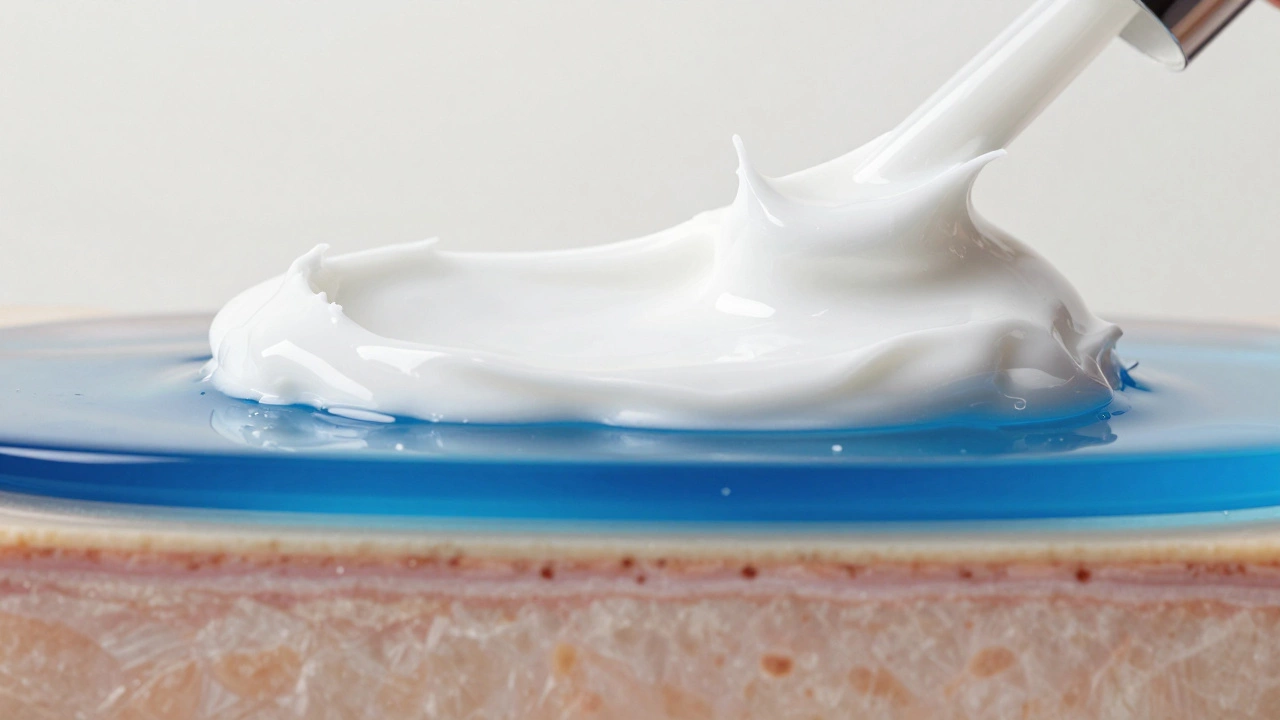
Moisturizers, on the other hand, are thicker creams or lotions meant to lock in hydration and protect the skin barrier. If you apply a thick cream immediately over a serum, you create a physical barrier that can trap the serum on the surface or actually dilute the active ingredients, making them less effective. This is especially true with oil-based moisturizers, which can act like a "shield," preventing water-based serums from ever reaching the dermis.
The Breakdown by Serum Type
Not all serums are created equal. The wait time depends entirely on what's inside the bottle. If you're using a simple hydrating serum, you can move fast. If you're using a chemical peel or a potent anti-aging ingredient, you need to slow down.
For instance, if you're using Hyaluronic Acid is a humectant that draws moisture from the environment into the skin , you actually don't want to wait for it to dry completely. Hyaluronic acid works best when it can grab onto water. Applying your moisturizer while the serum is still slightly damp helps "trap" that extra hydration. A 30-second gap is plenty here.
However, things change when you move into the realm of Vitamin C is a potent antioxidant used to brighten skin and stimulate collagen production (specifically L-ascorbic acid). These are often formulated at a very low pH to penetrate the skin. If you immediately apply a moisturizer with a higher pH, you neutralize the acid, potentially rendering your expensive serum useless. In this case, waiting 3 to 5 minutes allows the serum to fully absorb and the skin's pH to stabilize.
| Serum Ingredient | Recommended Wait | Reasoning |
|---|---|---|
| Hyaluronic Acid | 30-60 Seconds | Needs dampness to lock in moisture |
| Vitamin C (L-Ascorbic Acid) | 3-5 Minutes | Requires low pH for activity |
| Retinoids / Retinol | 5-10 Minutes | Reduces irritation/sensitivity |
| Niacinamide | 1-2 Minutes | General absorption time |
| BHA/AHA (Exfoliants) | 3-5 Minutes | Allows acids to work without neutralization |
Dealing with Retinoids and Sensitivity
If you're a beginner with Retinol is a Vitamin A derivative used to treat acne and fine lines by increasing cell turnover , the wait time is actually a safety mechanism. Applying moisturizer immediately can sometimes "push" the retinol deeper or spread it into sensitive areas like the corners of the mouth or eyes, causing redness and peeling.
Some people use the "sandwich method" where they apply moisturizer before and after the retinol to buffer the strength. But if you're doing a standard layer, give it 5 to 10 minutes. This ensures the retinol has settled. If your skin is incredibly reactive, waiting longer can actually reduce the intensity of the active ingredient, making the experience more comfortable.
How to Spot "Pilling" and What It Tells You
Ever noticed those tiny grey or white flakes that roll off your skin when you apply makeup over your skincare? That's pilling. It usually happens for two reasons: you're using too much product, or you didn't wait long enough between layers.
Pilling occurs when the polymers in your serum (like the thickeners in many hydrating serums) don't have time to bond with your skin before the moisturizer is applied. Instead, the moisturizer pushes those polymers back up, and they clump together. If you see this happening, try the "press and pat" method. Instead of rubbing your moisturizer in circles, gently press it into your skin. This prevents you from disturbing the layer of serum underneath.
The Role of the Skin Barrier
The ultimate goal of this whole process is to support the Skin Barrier is the outermost layer of the epidermis that protects the body from environmental threats and prevents water loss . When you use a serum, you're treating the skin. When you use a moisturizer, you're protecting it.
If you wait too long-say, 20 minutes-your skin might become too dry, and you lose the benefit of the occlusive properties of the moisturizer. You want a balance. The serum should be absorbed enough that it doesn't slide around, but the skin should still feel "plump" so the moisturizer can seal that hydration in. Think of it as a window of opportunity; once the skin feels completely dry and tight, you've waited too long.
Pro Tips for a Faster Routine
Who has 10 minutes to stand in a bathroom every morning? If you're in a rush, there are ways to optimize without sacrificing results. First, use a lightweight Niacinamide is a form of Vitamin B3 that helps with oil control and pore size serum. Niacinamide is generally more stable and absorbs faster than Vitamin C or Retinol, meaning you can cut your wait time down to about 60 seconds.
Second, prioritize the "thinnest to thickest" rule. Always start with your watery serums, move to gels, and end with heavy creams. If you have a facial oil, that goes last because oil cannot penetrate through a cream, but a cream can't penetrate through an oil. If you put your oil on before your moisturizer, you've essentially created a waterproof seal that prevents your moisturizer from doing anything.
Can I mix my serum and moisturizer in my hand?
Generally, no. While it's tempting to save time, mixing them can change the pH of the serum, which is critical for ingredients like Vitamin C or Salicylic Acid to work. It can also dilute the concentration of the active ingredients, meaning you aren't getting the full benefit of the product. It's better to layer them separately.
What happens if I don't wait at all?
If you apply moisturizer immediately, you risk "pilling" where the products ball up on the skin. More importantly, you might hinder the absorption of the serum. Some active ingredients may be trapped on the surface and never reach the layers of skin where they are needed, essentially wasting your money.
Do I need to wait after applying toner before serum?
Usually, you don't need to wait. In fact, most serums (especially hyaluronic acid) work better when applied to damp skin. Applying serum immediately after a hydrating toner can actually help the serum glide on more easily and absorb more effectively.
How do I know if the serum has actually absorbed?
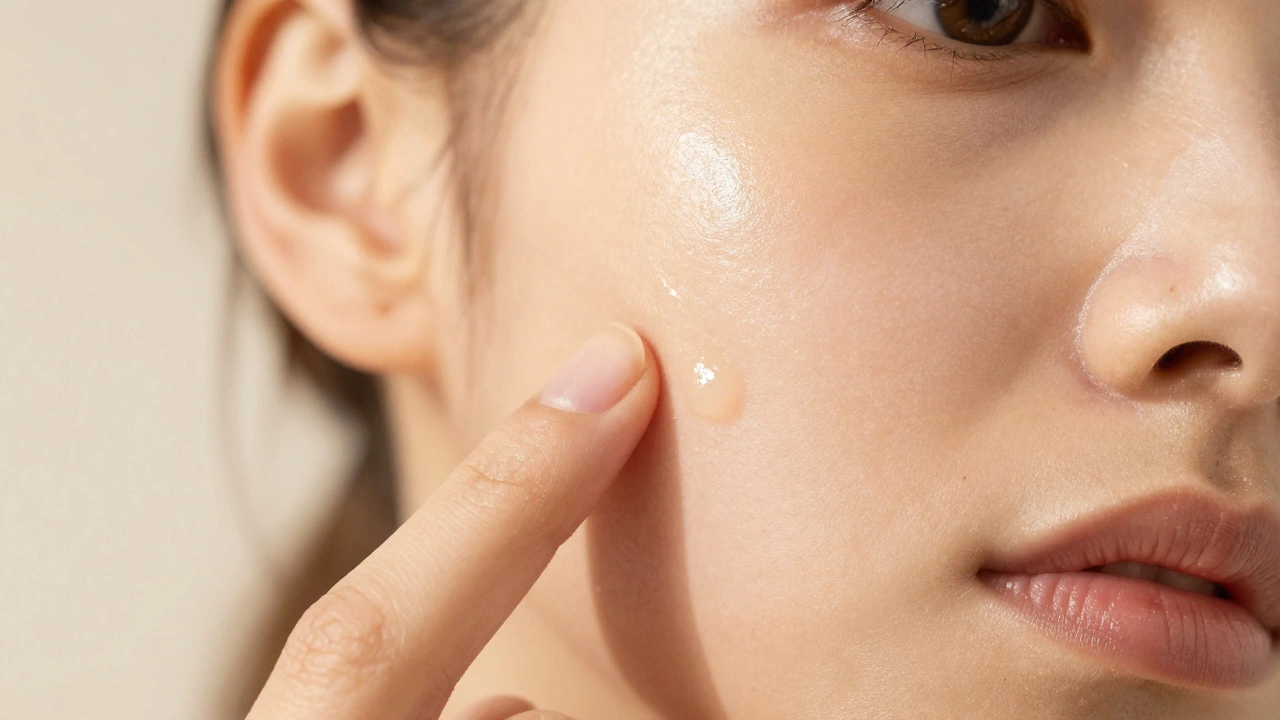
Touch your skin with the back of your finger. If it feels wet or slippery, it's still on the surface. If it feels slightly tacky (like a sticky note) or just soft and plump, it has likely absorbed enough for you to apply your next layer.
Does the type of moisturizer affect the wait time?
Yes. Gel-moisturizers are thinner and can sometimes be applied sooner. Heavy, occlusive creams (those containing petrolatum or high amounts of shea butter) create a stronger seal, so it's even more important to ensure your serum is fully absorbed first to avoid trapping it unevenly.
Next Steps for Your Skin
If you've been rushing your routine and noticing pilling, try the "One-Minute Rule" for a week. Use a timer on your phone to ensure you're giving your actives enough space. For those with extremely sensitive skin, consider the "buffer method" by applying a thin layer of moisturizer first, then your serum, and then another layer of moisturizer to slow down the delivery of the active ingredient.
If you're still experiencing irritation, check if your serum and moisturizer contain conflicting ingredients. For example, using a strong AHA serum and a moisturizer with high concentrations of retinol in the same session can compromise your skin barrier, regardless of how long you wait between them. When in doubt, use your actives at night and your simple hydration during the day.