
Salon Etiquette Scorecard
Your Etiquette Score
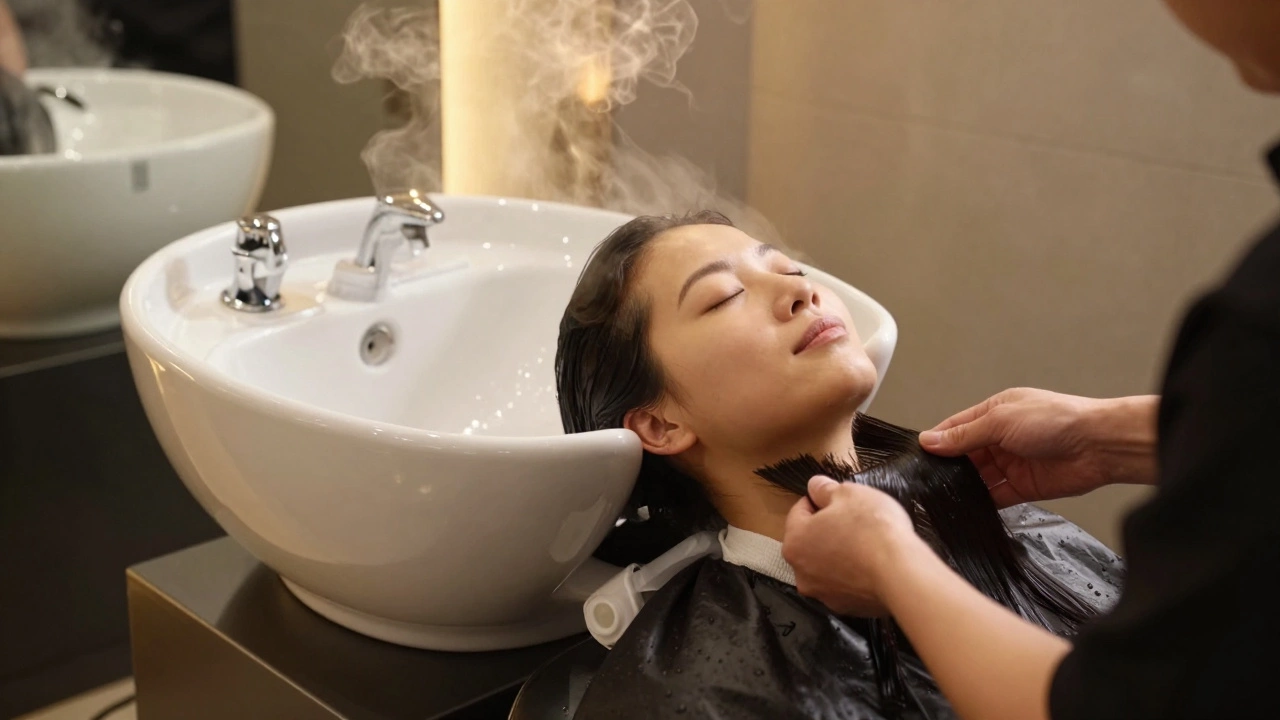
You sit in the chair. The shampoo water is warm. Your eyes are closed or staring at your reflection in the mirror. You want to relax. But then you open your mouth and say something that makes the air suddenly feel thick. The stylist’s smile tightens. They nod quickly. You can tell they just want to get back to cutting your hair.
We have all been there. We treat the salon like a therapy session, a gossip hub, or a free consultation for our friends’ problems. But here is the truth: a salon is a workplace. It is also a social space. Balancing those two roles is tricky. When you cross the line, you make things awkward for everyone. This includes you.
Knowing what not to talk about in a salon is just as important as knowing how to tip. It shows respect. It keeps the vibe positive. And it might even lead to a better haircut. Let’s look at the topics that kill the mood and why you should leave them at the door.
The Heavy Stuff: Politics, Religion, and Controversy
This is the big one. You walk into a salon, and you are surrounded by people who do not know your political party, your religious beliefs, or your stance on current events. That is a feature, not a bug. The salon is supposed to be a neutral zone. A place where you can escape the noise of the world outside.
When you start debating politics, you force everyone in the room to pick a side. The stylist behind you? They might disagree with you. The receptionist checking in the next client? They might be tired of hearing about it after a long week. Even if you think you are being polite, these topics carry emotional weight. They are rarely light conversation.
Think about it. If you go to a restaurant, you do not usually argue about government policy with the waiter while they bring your appetizer. The same rule applies here. Keep the chat light. Talk about travel, food, pets, or hobbies. These are safe zones. Politics and religion are landmines. Avoid them unless you are sitting down with a close friend who invited you specifically to vent.
Criticizing the Stylist’s Appearance or Work
This one hurts more than you realize. You might think you are giving constructive feedback. Or maybe you are just making a casual observation. But telling a stylist their own hair looks messy, or that their outfit is strange, is a major faux pas.
Stylists spend hours on their feet. They often sacrifice their own grooming time to care for clients. Their appearance is part of their professional image, but it is also personal. Commenting on it feels like an attack. It creates immediate defensiveness. Once that wall goes up, the connection between you and your stylist breaks. And that connection is vital for getting the look you want.
What about criticizing other stylists? Never do this. Even if you are praising your current stylist by bashing someone else, it puts your stylist in an uncomfortable position. They now have to agree with you or defend their colleague. Both options are bad. If you had a bad experience elsewhere, keep it to yourself. Focus on what you want now, not what went wrong before.
Your Ex-Partner and Personal Drama
We love to vent. Life is stressful. Breakups happen. Jobs end badly. It feels natural to unload this baggage when someone is listening closely. But remember: the stylist is working. They are mixing color. They are watching the timing on the bleach. They are monitoring the temperature of the dryer. They are not a licensed therapist.
Dumping heavy emotional trauma on a service provider is exhausting for them. They have to manage their own emotions while trying to provide a service. Plus, salons are small worlds. Word travels fast. If you share juicy details about your ex, that information might leak. You never know who will hear it. Is it worth the risk?
If you need to talk, keep it brief and general. “I am having a tough week” is enough. You do not need to explain every detail. Save the deep dives for your actual friends or a counselor. The salon is for treating your hair, not your heartbreak.
Money Matters and Salary Questions
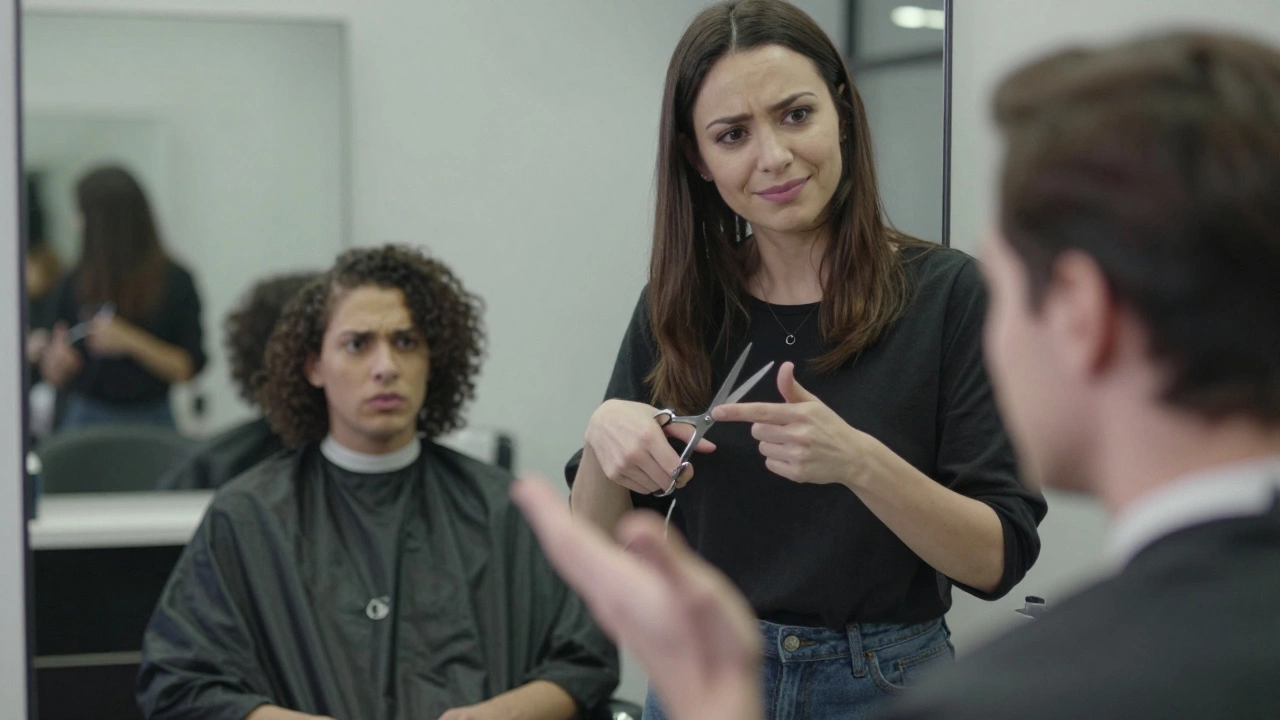
Asking a stylist how much they make is rude. It is intrusive. It reduces their craft to a number. Stylists earn money through hourly wages, commissions, tips, and product sales. Their income varies wildly based on experience, location, and clientele. Asking this question puts them on the spot. It can make them feel judged or exposed.
Similarly, avoid discussing your own financial struggles in detail. Complaining that you cannot afford a certain treatment is fine if you are setting boundaries. But going into a long story about your debts or budget issues makes the atmosphere tense. The stylist wants to help you look good, not solve your financial crisis. If price is a concern, ask about package deals or student discounts upfront. Keep the conversation professional.
Medical Advice and Health Complaints
Stylists are trained in cosmetology, not medicine. They know about scalp conditions related to hair loss or dandruff. But they are not doctors. Do not ask them for medical advice about rashes, infections, or chronic illnesses. It is irresponsible and potentially dangerous.
Also, avoid excessive complaining about your health. Constantly mentioning your pain, fatigue, or ailments can be draining. Everyone has health issues. No one wants to sit in a chair for two hours listening to a detailed medical history. If you have a condition that affects your appointment (like a sensitivity to certain chemicals), mention it clearly and briefly. Otherwise, keep the focus on the service you are receiving.
Gossip About Other Clients
This is a classic trap. You see someone you know walking in. You whisper to your stylist, “Do you know her? She did such-and-such.” This is a terrible idea. Stylists are bound by confidentiality. They hear everything. Gossiping about other clients violates that trust. It makes you look untrustworthy.
If the stylist knows the person you are talking about, they are now stuck. They cannot agree with your negative comments without betraying their duty to that client. They cannot disagree without offending you. It is a lose-lose situation. Stay out of other people’s business. It keeps your reputation clean and the salon environment respectful.

Unsolicited Business Pitches
Some people use the salon chair as a networking opportunity. They try to sell their products, promote their side hustle, or recruit friends for multi-level marketing schemes. Please stop. The stylist is not your audience. They are busy. They are not interested in buying your essential oils or joining your crypto venture.
It is aggressive and distracting. It turns a relaxing experience into a sales pitch. If you want to network, join a local business group. Do not ambush service workers. They deserve a break from selling too. Let them enjoy the conversation, not endure a presentation.
| Topic Category | Safe Topics (Green Light) | Avoid These (Red Light) |
|---|---|---|
| Personal Life | Hobbies, travel plans, pets, movies | Breakups, family feuds, mental health crises |
| Society | Local events, food trends, fashion styles | Politics, religion, controversial news |
| Professional | Compliments on their work, style inspiration | Criticism of their appearance, salary questions |
| Others | General observations about the neighborhood | Gossip about other clients, medical diagnoses |
Why Silence Is Sometimes Golden
Not every salon visit requires conversation. Some people go to read a book. Others listen to podcasts. Many just want to nap. If you are quiet, that is perfectly okay. A good stylist will pick up on your cues. If you give short answers, they will likely slow down the chatter.
However, if you want to ensure silence, communicate it politely. “I am really tired today, so I might be quiet. I hope that is okay.” Most professionals appreciate the honesty. It saves them from trying to fill the void. Just do not be rude about it. A simple request works wonders.
How to Repair a Social Blunder
Mistakes happen. Maybe you got carried away with a story. Maybe you made a joke that fell flat. Do not panic. Acknowledge it lightly. “Sorry, I got a bit intense there. How is your day going?” This shifts the focus back to them. It shows self-awareness. Most people will forgive a minor slip-up if you handle it with grace.
If you realize you have crossed a serious line, apologize sincerely. Then change the subject. Do not dwell on it. Over-apologizing makes things worse. Move forward. Next time, you will know better.
Is it okay to talk about my job in the salon?
Yes, but keep it positive. Briefly mentioning your role or interesting projects is fine. Avoid complaining about your boss, coworkers, or workload. Negative energy is contagious and makes the salon feel like another office.
Can I ask my stylist for relationship advice?
It depends on your relationship with them. If you have been seeing the same stylist for years and they are like a friend, maybe. For most clients, no. Stylists are not equipped to give relationship counsel. Stick to lighter topics to maintain professional boundaries.
What if I want to discuss a sensitive skin condition?
You should absolutely inform your stylist about allergies, sensitivities, or recent reactions. This is crucial for your safety. However, keep it factual. Describe the symptoms and triggers. Do not turn it into a long medical narrative. Ask if they have experience handling similar cases.
Is it rude to check my phone during the appointment?
Checking messages quickly is generally acceptable. However, scrolling endlessly or taking calls can be seen as disrespectful. It signals disinterest in the interaction. If you must use your phone, keep it brief and silent. Engaging with your stylist builds rapport and leads to better results.
How do I handle a stylist who won't stop talking?
Politely steer the conversation. Ask specific questions about the service you are receiving. “How long does this color usually last?” or “What shampoo do you recommend for this cut?” This redirects their energy toward professional topics. If they continue, you can say, “I am going to catch up on some reading/listening now.”