
There’s no such thing as a single "most attractive" facial. Not because beauty is subjective-though it is-but because what looks attractive on one person can look unnatural or even damaging on another. The truth is, the most attractive facial isn’t about a trend, a celebrity endorsement, or a viral TikTok filter. It’s about what works for your skin type, your goals, and your lifestyle. And that’s something no one-size-fits-all treatment can deliver.
What Makes a Facial "Attractive"?
When people say they want an "attractive" facial, they usually mean one that gives them glowing skin, reduces redness, smooths fine lines, or clears breakouts. But attractiveness here isn’t about looking like someone else. It’s about looking like your best self-healthier, more even-toned, and naturally radiant. That’s the real goal.
A facial that leaves your skin looking flushed and shiny for a few hours after a spa visit might feel luxurious, but if it causes irritation the next day or clogs your pores, it’s not attractive at all. Real attractiveness comes from consistency, not spectacle.
According to a 2024 study by the British Journal of Dermatology, 78% of people who saw noticeable improvements in skin clarity and texture did so after following a personalized skincare routine paired with quarterly professional facials-not monthly, not weekly, but tailored to their skin’s actual needs. That’s the key: personalization.
The Top 4 Facials That Actually Deliver Results
Not all facials are created equal. Some are just expensive steam sessions with a massage. Others are clinical-grade treatments backed by dermatology. Here are the four that consistently deliver visible, attractive results across different skin types.
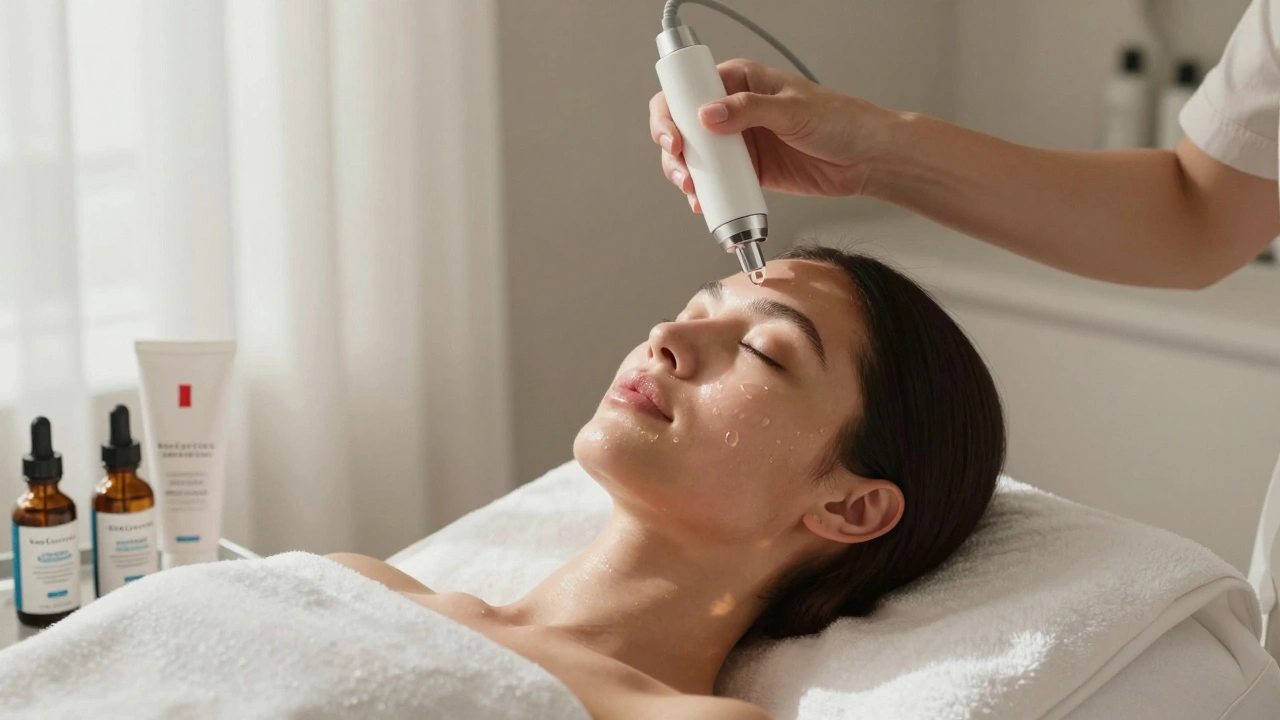
- Hydrafacial - This is the most popular professional facial in the UK right now. It combines cleansing, exfoliation, extraction, and hydration in one 30-minute session. It uses a patented vortex technology to pull out impurities while simultaneously infusing antioxidants, peptides, and hyaluronic acid. People with oily, congested, or dull skin see a noticeable glow within 24 hours. No downtime. No peeling. Just clearer, plumper skin.
- Chemical Peel (Low to Medium Strength) - If you’re dealing with sun damage, acne scars, or uneven texture, a light glycolic or lactic acid peel can be transformative. It removes the top layer of dead skin cells, revealing fresher skin underneath. Results appear in 3-7 days. Redness fades quickly, and skin looks smoother and brighter. But this isn’t for sensitive skin or people who skip sunscreen.
- LED Light Therapy Facial - Blue light kills acne-causing bacteria. Red light reduces inflammation and boosts collagen. Many spas now combine both in one session. It’s gentle, non-invasive, and works well for people with rosacea, hormonal breakouts, or early signs of aging. You won’t see results after one session, but after 4-6 weekly treatments, skin tone evens out and fine lines soften.
- Microcurrent Facial - Think of it as a workout for your facial muscles. Tiny electrical pulses stimulate muscle tone and lymphatic drainage. It’s not a filler, but it lifts and tightens subtly. People over 35 often report looking 5-10 years younger after a series. Results last 2-4 weeks, so maintenance is key.
What Doesn’t Work (And Why)
There are plenty of facials that promise miracles but deliver little more than a fancy massage. Here’s what to avoid.
- Gold or caviar facials - These are luxury gimmicks. Gold doesn’t penetrate the skin. Caviar extract is expensive but not proven to do anything beyond moisturizing. You’re paying for the packaging, not the science.
- At-home microdermabrasion kits - These often scratch the skin instead of exfoliating. Overuse leads to barrier damage, increased sensitivity, and worse breakouts. Stick to professional-grade tools if you want results without side effects.
- Facials with unregulated ingredients - Some spas, especially in tourist areas, use products with undisclosed hydroquinone or high-dose retinoids. These can cause burns, pigmentation issues, or long-term damage. Always ask for ingredient lists. If they refuse, walk out.

Real People, Real Results
Emma, 32, from Brighton, struggled with hormonal acne for years. She tried everything: prescription creams, dietary changes, even laser treatments. Nothing stuck. After six months of monthly Hydrafacials combined with a simple routine of niacinamide and SPF 50, her breakouts dropped by 80%. "I don’t look "perfect,"" she says, "but I look like I take care of myself. That’s the attractiveness I wanted."
James, 47, noticed his skin looked tired and saggy after stress and lack of sleep. He started microcurrent facials every three weeks. After four sessions, his jawline looked more defined. "People kept asking if I’d lost weight," he laughs. "I hadn’t. I just had better muscle tone."
These aren’t outliers. They’re examples of what happens when you match the treatment to the problem-not the trend.
How to Choose Your Facial
Here’s a simple guide to picking the right one for you:
- Identify your main concern: Is it dullness? Breakouts? Dryness? Sagging? Pick one. Don’t try to fix everything at once.
- Know your skin type: Oily? Sensitive? Mature? Reactive? This determines what ingredients are safe.
- Ask your esthetician: Don’t just say "I want a glow." Say: "I have oily skin and breakouts around my chin. What do you recommend?"
- Check the products: Look for brands like SkinCeuticals, Dr. Dennis Gross, or La Roche-Posay. Avoid facials that don’t disclose what they use.
- Start slow: One facial every 4-6 weeks is enough for maintenance. More than that can overwhelm your skin.
What Happens After the Facial?
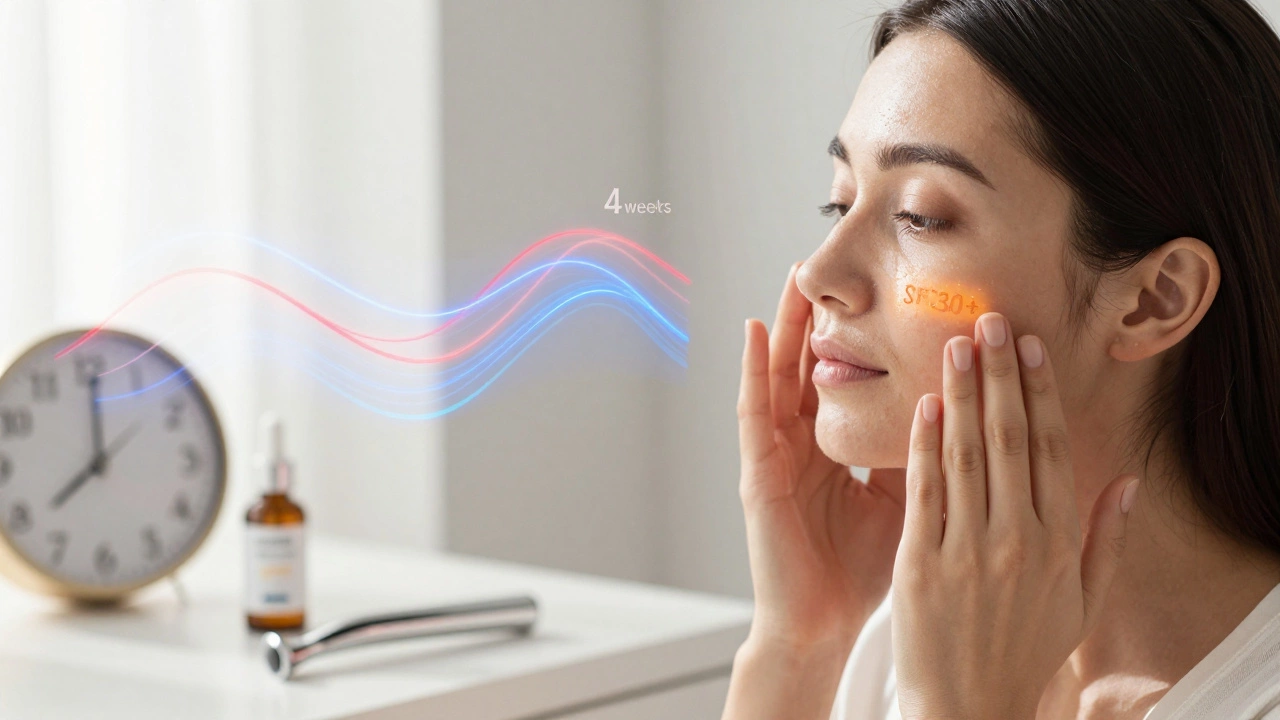
The real work starts after you leave the spa. A facial is only as good as the care you give your skin afterward.
For the next 48 hours:
- Avoid harsh scrubs or retinoids
- Use gentle cleansers and fragrance-free moisturizers
- Apply SPF 30+ every morning-even if it’s cloudy
- Drink water. Seriously. Hydration from within matters as much as what you put on your face
Skipping aftercare is like getting a massage and then lifting heavy weights right after. You undo the benefits. Your skin needs time to heal and renew.
The Bottom Line
There’s no single "most attractive" facial. But there is a best one for you. It’s the one that addresses your real skin concerns, uses science-backed ingredients, and fits your lifestyle. The glow you want isn’t found in a bottle or a spa package. It’s built over time-with the right treatment, consistent care, and patience.
Forget the hype. Focus on results. Your skin will thank you.
What facial gives the most immediate glow?
The Hydrafacial delivers the most immediate glow-often visible within hours. It hydrates deeply, removes surface debris, and infuses antioxidants that brighten skin tone. It’s ideal for events, photos, or just feeling refreshed. But the glow fades in 3-5 days without maintenance.
Can I do a facial if I have acne?
Yes, but only if it’s done correctly. Avoid aggressive extractions or steam-heavy treatments. Stick to Hydrafacials or LED light therapy, which reduce bacteria and inflammation without irritating active breakouts. Always tell your esthetician you have acne-they’ll adjust the treatment.
How often should I get a professional facial?
Every 4 to 6 weeks is ideal for most people. This matches your skin’s natural renewal cycle. If you have sensitive skin or are using strong actives like retinol, stretch it to every 6-8 weeks. More frequent facials can strip your skin barrier and cause irritation.
Are at-home facial devices worth it?
Some are, but most aren’t. LED masks can help with inflammation and acne if used consistently. Microcurrent devices show mild lifting over time. But devices that promise "dermabrasion" or "deep cleansing" usually just irritate the skin. Stick to professional treatments for serious concerns.
Do facials make your skin age faster?
Only if they’re done wrong. Over-exfoliating, using harsh chemicals, or getting facials too often can damage your skin barrier, leading to sensitivity and faster aging. But when done correctly-with the right products and frequency-facials support skin health and can actually slow signs of aging.
Next Steps
If you’re ready to try a facial, start with a consultation. Most reputable spas offer free 15-minute skin assessments. Bring your current routine-cleanser, moisturizer, sunscreen-and ask what they’d change. A good esthetician will listen, not sell.
Don’t chase the most expensive option. Don’t follow Instagram influencers. Find the treatment that matches your skin’s real needs. That’s the only way to get that natural, healthy glow everyone notices-and no one can fake.