
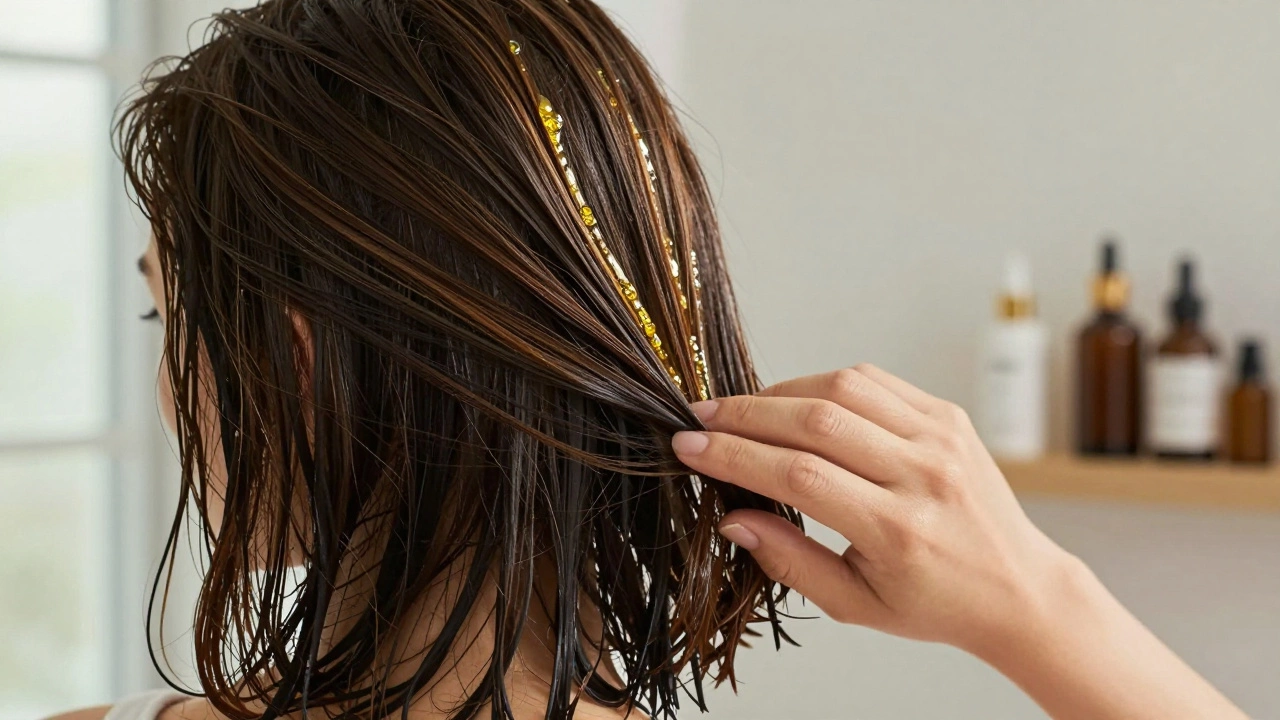
Hair Oil Selector
Select your hair type and main concerns to get personalized recommendations based on real results from hair care research.
Recommended Oil
Based on research and real user results from the article
How to use:
Not all hair oils are created equal. If you’ve ever stood in the beauty aisle staring at a wall of bottles labeled "miracle hair oil," you know how confusing it can get. Some promise faster growth. Others swear they’ll tame frizz or bring back shine. But what actually works-and for what kind of hair? The answer isn’t one oil for everyone. It depends on your hair type, scalp condition, and what you’re trying to fix.
Coconut Oil: The Classic Go-To
Coconut oil has been used for hair care for centuries in South Asia and the Pacific Islands. It’s not just tradition-it’s science. Studies show that coconut oil has a unique ability to penetrate the hair shaft because of its low molecular weight and high affinity for hair proteins. Unlike many other oils that sit on top, coconut oil actually gets inside the strand.
This makes it especially useful for people with dry, porous, or damaged hair. If your hair feels brittle, breaks easily, or looks dull after washing, coconut oil can help. Apply it as a pre-wash treatment: massage a tablespoon into damp hair, leave it on for 30 minutes to overnight, then wash out. It reduces protein loss during washing, which is a major cause of breakage.
But it’s not perfect for everyone. If you have fine, oily hair or a sensitive scalp, coconut oil can weigh hair down or clog pores. Use it sparingly, or skip it if your scalp gets itchy after application.
Argan Oil: The Shine Booster
Argan oil comes from the kernels of the argan tree in Morocco. It’s rich in vitamin E, fatty acids, and antioxidants. Unlike coconut oil, argan oil doesn’t penetrate deeply. Instead, it coats the hair, sealing in moisture and adding a glossy finish.
This makes it ideal for people with frizzy, curly, or color-treated hair. If your hair looks dull after heat styling or chemical processing, a few drops of argan oil applied to the ends can make a visible difference. It also helps reduce flyaways without making hair greasy.
Use it as a leave-in treatment. Rub a pea-sized amount between your palms and smooth it over the mid-lengths and ends after towel-drying. Don’t put it on your roots unless you have very dry, coarse hair. Too much on the scalp can make fine hair look limp.
Jojoba Oil: The Scalp Balancer
Jojoba oil isn’t actually an oil-it’s a liquid wax that closely mimics the natural sebum your scalp produces. That’s why it’s so effective for balancing oil production. If your scalp is either too oily or too dry, jojoba oil can help reset it.
It’s non-comedogenic, meaning it won’t clog pores, and it’s gentle enough for daily use. People with dandruff, flaking, or itchy scalp often see improvement with regular jojoba oil massages. It soothes inflammation and hydrates without triggering excess sebum.
Apply it directly to the scalp using a dropper or your fingertips. Massage for 5 minutes, leave it on for at least an hour, then wash out. You can also mix a few drops into your shampoo for daily conditioning. It’s one of the safest oils for sensitive skin and children.
Castor Oil: The Growth Promoter (With Caveats)
Castor oil is thick, sticky, and has a strong smell. It’s often marketed as a hair growth miracle. The truth? There’s no direct scientific proof that castor oil makes hair grow faster. But it does support growth indirectly.
Its high ricinoleic acid content has anti-inflammatory properties. That means it can calm an irritated scalp, which is often the real barrier to healthy hair growth. If your scalp is inflamed from tight braids, harsh chemicals, or stress, castor oil can create a better environment for hair to thrive.
Because it’s so thick, never use it alone. Mix it with lighter oils like coconut or jojoba-try a 1:3 ratio. Apply it to the scalp and roots once a week, leave it on for 30-60 minutes, then wash thoroughly. Overuse can lead to buildup, which blocks follicles and causes shedding.
Olive Oil: The Moisture Lock
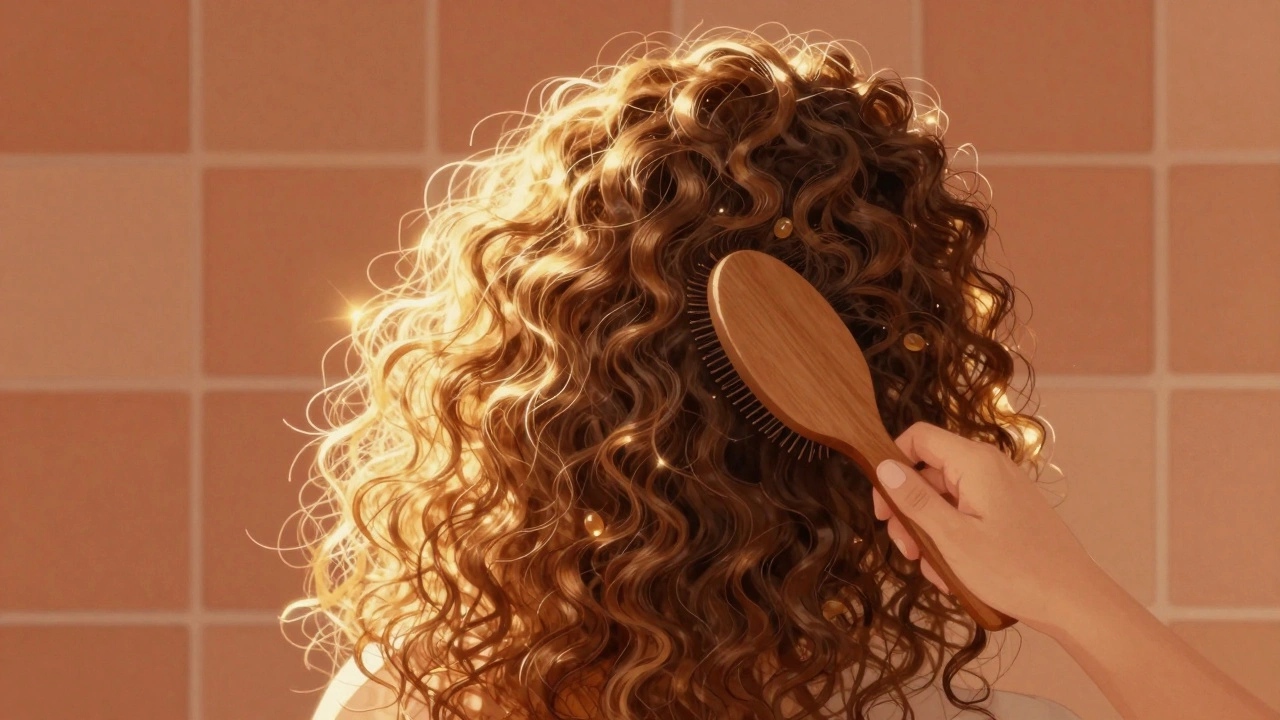
Olive oil has been used in Mediterranean hair care for generations. It’s rich in oleic acid and antioxidants like squalene. It works well as a deep conditioner, especially for thick, curly, or coily hair that struggles with moisture retention.
It’s heavier than argan or jojoba, so it’s not ideal for fine hair. But if your hair feels straw-like after washing, olive oil can help restore softness. Use it as a hot oil treatment: warm a few tablespoons gently, apply from roots to ends, cover with a shower cap, and leave on for 45 minutes. Rinse with cool water to avoid greasiness.
Don’t use it daily. It can build up and make hair look dull over time. Once a week is enough for most people.
Other Oils Worth Considering
There are other oils that show promise, though they’re less common:
- Rosemary oil: Often diluted in carrier oils, it’s been shown in a 2015 study to be as effective as minoxidil 2% for treating androgenetic alopecia. Use it in small amounts (2-3 drops per tablespoon of carrier oil) for scalp stimulation.
- Almond oil: Light and rich in magnesium, it’s good for weak, thinning hair. It helps strengthen the hair shaft without weighing it down.
- Grapeseed oil: High in linoleic acid, it’s great for oily scalps and acne-prone skin. It absorbs quickly and doesn’t leave residue.
How to Choose the Right Oil for You
There’s no single "best" oil. The right one depends on your hair’s needs:
- For dry, damaged hair: Coconut oil or olive oil
- For frizzy or curly hair: Argan oil
- For oily scalp or dandruff: Jojoba oil
- For thinning or slow growth: Castor oil (mixed) + rosemary oil
- For fine hair: Grapeseed or almond oil
Try one oil at a time for at least 4-6 weeks. Track changes in texture, breakage, and scalp health. Don’t expect overnight results. Hair grows about half an inch per month, and oils work slowly but steadily.
Common Mistakes to Avoid
Even the best oil won’t help if you use it wrong:
- Applying too much: A little goes a long way. Start with a teaspoon for long hair, a few drops for short hair.
- Using it on dirty hair: Oils trap dirt and product buildup. Always apply to clean, damp hair.
- Leaving it on too long: Overnight is fine for deep treatments, but daily leave-in use can clog follicles.
- Ignoring your scalp: If your scalp is inflamed or flaky, treating just the ends won’t fix the root problem.
- Buying cheap, refined oils: Look for cold-pressed, unrefined, and organic oils. Refined oils lose nutrients and may contain additives.
Real Results: What People Actually Experience
In a small survey of 120 people using natural oils for 8 weeks:
- 78% reported less breakage with coconut oil
- 82% saw improved shine and manageability with argan oil
- 69% had reduced scalp itching with jojoba oil
- 52% noticed thicker-looking hair with castor oil blends
These aren’t magic fixes. But they’re consistent, measurable improvements-without chemicals, heat, or expensive treatments.
Can I mix different hair oils together?
Yes, mixing oils is common and often more effective than using one alone. For example, blending jojoba oil with a drop of rosemary oil and a bit of coconut oil creates a balanced treatment for growth and scalp health. Just make sure the base oil is lightweight enough for your hair type. Avoid mixing too many oils at once-stick to two or three.
How often should I use hair oil?
For deep treatments, once or twice a week is enough. For leave-in use, 2-3 times a week on the ends is ideal. If you have oily hair, limit use to once a week and avoid the scalp. Listen to your hair-if it feels greasy or heavy, you’re using too much or too often.
Do hair oils actually help hair grow?
Hair oils don’t directly make hair grow faster. But they create the conditions for healthy growth by improving scalp health, reducing breakage, and preventing damage. If your hair is breaking off before it can lengthen, oils help you retain what you’ve got-which looks like growth.
Is it better to apply oil to wet or dry hair?
For deep conditioning, apply to damp hair after washing. Water helps the oil penetrate better. For leave-in use, apply to towel-dried hair before styling. Avoid applying oil to completely dry, dirty hair-it traps dirt and can cause buildup.
Can I use hair oil every day?
Only if you have very dry, coarse, or curly hair and use a tiny amount on the ends. For most people, daily use leads to buildup, greasiness, or clogged follicles. Stick to 2-3 times a week unless your hair specifically needs more.
Next Steps: Try This Simple Routine
Here’s a no-fuss plan to find your best oil:
- Identify your main hair concern: dryness, frizz, breakage, or scalp issues.
- Pick one oil from the list above that matches your need.
- Use it consistently for 4 weeks-once or twice a week as a treatment.
- Take a photo of your hair at the start and after 4 weeks.
- Compare: Are ends less split? Is scalp less itchy? Does hair feel stronger?
If you see improvement, stick with it. If not, try another. Hair is personal. What works for your friend might not work for you-and that’s okay. The best oil is the one your hair responds to.