
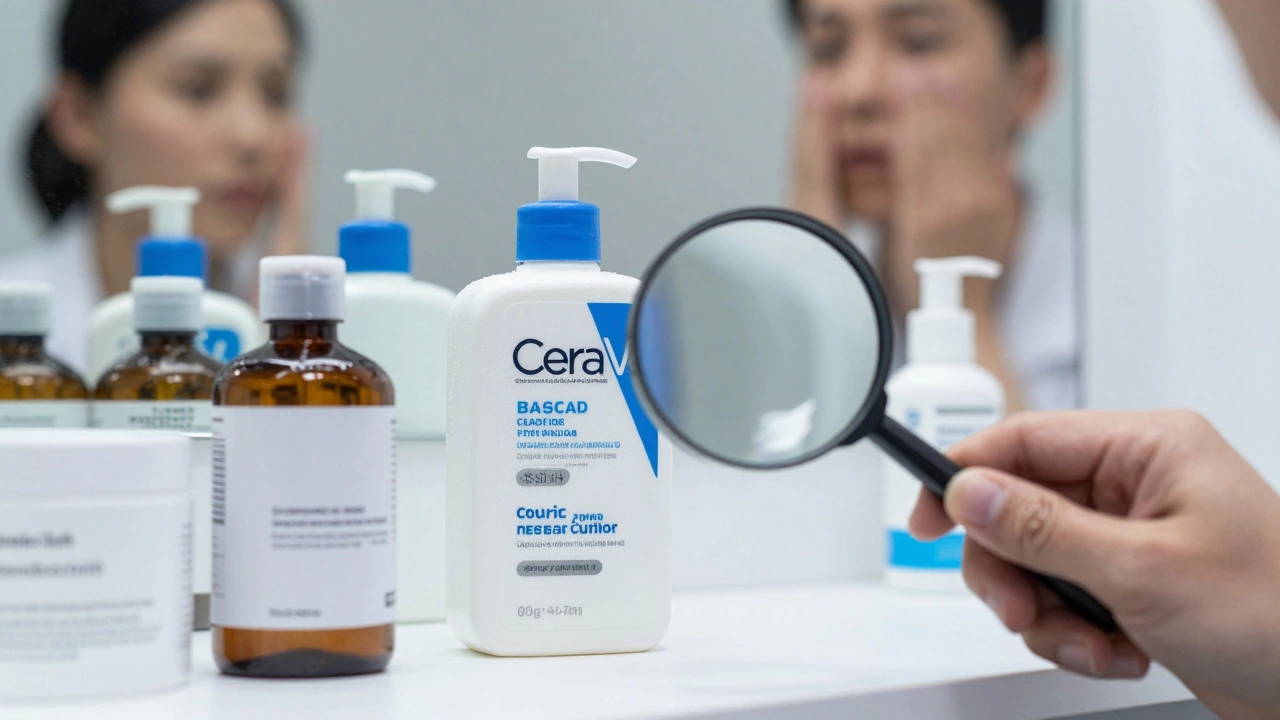
It feels like everyone is talking about CeraVe, a brand that has become synonymous with affordable, dermatologist-backed skincare. You see their blue and white bottles everywhere, from drugstore shelves to TikTok feeds. The promise is simple: restore your skin barrier with ceramides and hyaluronic acid without breaking the bank. For millions of people, this formula is a miracle worker for dry, irritated, or acne-prone skin. But here is the uncomfortable truth that marketing campaigns often skip over: what works wonders for one person can cause severe breakouts or irritation for another.
Just because a product is labeled "gentle" or "non-comedogenic" does not mean it is safe for every single face on the planet. Skin biology is incredibly complex. Your unique combination of genetics, environment, and existing conditions dictates how your skin reacts to ingredients. If you have ever experienced stinging, redness, or sudden cystic acne after switching products, you know that "hypoallergenic" is not a guarantee. So, who actually needs to stay away from CeraVe?
The Niacinamide Sensitivity Group
If you have heard of niacinamide, you probably know it as a superstar ingredient. It helps control oil, minimizes pores, and brightens dark spots. It is also a key component in many CeraVe formulas, including the popular PM Facial Moisturizing Lotion and the Hydrating Cleanser. However, for a small but significant group of people, niacinamide is the villain, not the hero.
Niacinamide sensitivity is real. When applied topically, some individuals experience immediate flushing, intense itching, or a burning sensation known as "niacinamide flush." This happens because the body converts excess niacinamide into niacin (vitamin B3), which causes blood vessels to dilate. If you have tried other products containing niacinamide-such as those from The Ordinary or Olay-and noticed redness within minutes of application, CeraVe will likely trigger the same reaction. Check the ingredient list; if niacinamide appears high up, proceed with extreme caution or avoid it entirely.
Skin Types Prone to Milia
Milia are those tiny, hard, white bumps that often appear around the eyes and cheeks. Unlike regular pimples, they do not have an opening and cannot be popped. They are essentially trapped keratin under the surface of the skin. While milia can happen to anyone, they are notoriously difficult to treat and even harder to prevent if you use the wrong products.
Many CeraVe moisturizers, particularly the Moisturizing Cream in the tub, are rich and occlusive. They contain heavy emollients like petrolatum and squalane. For people with thin, delicate skin around the eye area, these thick creams can trap dead skin cells and lead to milia formation. If you are prone to these stubborn bumps, you might need to switch to lighter, non-occlusive serums or gels for the eye area, rather than slathering on a heavy barrier-repair cream.
Those with Active Eczema Flares
This sounds counterintuitive. CeraVe was developed with dermatologists specifically to help repair the skin barrier, which is compromised in eczema patients. Ceramides are literally the mortar between your skin cells. So why would someone with eczema avoid it?
The issue lies in the preservatives and fragrances. While CeraVe is fragrance-free, it contains phenoxyethanol and other preservatives necessary to keep the product shelf-stable. During a severe eczema flare-up, your skin barrier is so damaged that even mild preservatives can sting or cause contact dermatitis. In acute phases, dermatologists often recommend simpler, more inert ointments like plain petroleum jelly (Vaseline) or Aquaphor, which have fewer potential irritants. Once the flare subsides, CeraVe can be reintroduced, but during the peak inflammation, it might be too much for your skin to handle.
Rosacea Sufferers
Rosacea is a chronic condition characterized by persistent facial redness, visible blood vessels, and sometimes acne-like bumps. People with rosacea have hypersensitive skin barriers and vascular reactivity. Heat, stress, and certain ingredients can trigger a "flare," turning the face beet red.
While CeraVe is generally gentle, some formulations contain ingredients that can be triggering for rosacea patients. For example, the SA Smoothing Cleanser contains salicylic acid. While great for exfoliation, acids can be too harsh for inflamed rosacea skin, leading to increased redness and irritation. Even the hydrating cleansers might contain surfactants that strip natural oils slightly, which can aggravate the condition. Rosacea sufferers often benefit from ultra-minimalist routines with products specifically formulated for vascular sensitivity, avoiding any active ingredients until the skin is calm.
Acne-Prone Skin That Reacts to Petrolatum
CeraVe’s Moisturizing Cream contains petrolatum (petroleum jelly). Petrolatum is non-comedogenic by definition-it is too large to clog pores. However, "clogging" isn't the only way to get acne. Some people experience follicular occlusion or bacterial imbalance when using heavy occlusives.
If you have oily, acne-prone skin and notice that your breakouts worsen after using thick creams, petrolatum might be trapping bacteria and sweat against your skin. This creates a warm, moist environment perfect for Cutibacterium acnes (the bacteria responsible for acne) to thrive. For these individuals, gel-based moisturizers with lighter humectants like glycerin or hyaluronic acid are often better choices. Look for water-based formulas that absorb quickly rather than sitting on top of the skin.

Allergies to Specific Preservatives
Every skincare product needs preservatives to prevent mold and bacterial growth. CeraVe uses phenoxyethanol and ethylhexylglycerin. While these are considered safe and effective, allergic contact dermatitis to phenoxyethanol is on the rise. If you have a documented allergy to this preservative, you must avoid CeraVe. Always patch test new products behind your ear or on your inner arm for 24-48 hours before applying them to your face.
| Skin Type/Condition | Reason to Avoid | Alternative Ingredient Focus |
|---|---|---|
| Niacinamide Sensitive | Flushing, itching, redness | Zinc PCA, Green Tea Extract |
| Milia-Prone | Heavy occlusives trap keratin | Lightweight Gels, Hyaluronic Acid |
| Active Eczema Flare | Potential preservative irritation | Petroleum Jelly, Plain Ointments |
| Rosacea | Acids and surfactants may irritate | Centella Asiatica, Madecassoside |
| Oily/Acne-Prone (Petrolatum Intolerant) | Bacterial trapping, follicular occlusion | Water-based Gels, Niacinamide-free |
How to Test If CeraVe Is Right for You
If you fall into one of the categories above, don't panic. You might still tolerate specific CeraVe products. The brand has a wide range, from foaming cleansers to lightweight lotions. Here is how to test safely:
- Check the Ingredient List: Identify if niacinamide, salicylic acid, or petrolatum are present. If you know you react to these, skip that specific product.
- Patch Test: Apply a dime-sized amount behind your ear or on your jawline. Wait 24 hours. If there is no redness, itching, or bumpiness, try it on a larger area.
- Introduce Slowly: Do not overhaul your entire routine at once. Add one new product every two weeks. This makes it easy to identify the culprit if a reaction occurs.
- Consult a Dermatologist: If you have a diagnosed skin condition like rosacea or severe eczema, ask your doctor for personalized recommendations. They can look at your medical history and suggest alternatives.
Finding Alternatives
If CeraVe isn't for you, there are plenty of other excellent options. For niacinamide-sensitive skin, look for brands like La Roche-Posay (specifically their Toleriane line) or Aveeno Calm + Restore. For milia-prone skin, consider lightweight gels from Neutrogena Hydro Boost or Vichy Minéral 89. For eczema flares, stick to basic petroleum-based ointments until healed. Remember, skincare is highly personal. What works for your best friend might destroy your complexion. Listen to your skin, read labels, and don't be afraid to swap products if something doesn't feel right.
Can I use CeraVe if I have sensitive skin?
Generally, yes. CeraVe is formulated for sensitive skin and is fragrance-free. However, "sensitive" is a broad term. If your sensitivity is triggered by niacinamide or specific preservatives like phenoxyethanol, you may experience irritation. Always patch test first.
Does CeraVe cause breakouts?
For most people, no. CeraVe is non-comedogenic. However, some individuals with oily or acne-prone skin may react to the petrolatum or heavy emollients, leading to follicular occlusion or bacterial trapping. If you notice increased breakouts, switch to a lighter, water-based moisturizer.
Is CeraVe good for rosacea?
It depends on the product. Formulas with salicylic acid or strong surfactants can irritate rosacea. The Hydrating Cleanser and Moisturizing Cream are generally gentler, but some rosacea sufferers find even these too stimulating. Consult a dermatologist for rosacea-specific advice.
What should I do if CeraVe stings my face?
Stop using the product immediately. Rinse your face with cool water. If the stinging persists or is accompanied by swelling or hives, seek medical attention. Stinging usually indicates a compromised skin barrier or an ingredient sensitivity.
Are there CeraVe products without niacinamide?
Yes. Many CeraVe products, such as the Hydrating Cleanser and the Moisturizing Cream, do not contain niacinamide. Always check the ingredient label, as formulations can change. The PM Facial Moisturizing Lotion and SA Smoothing Cleanser typically contain niacinamide.