
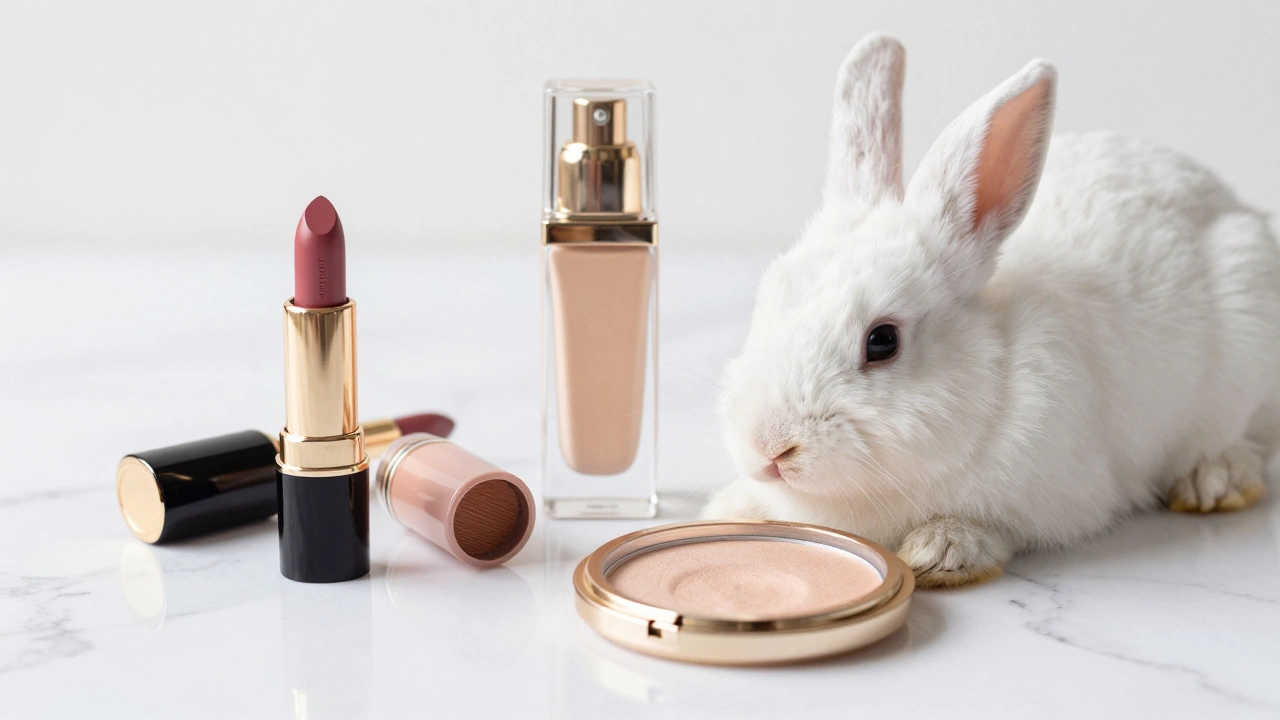
Cruelty-Free & Vegan Beauty Checker
Use this tool to evaluate a product's ethical status based on labels and certifications mentioned in the guide.
Quick Guide to Ethical Shopping
- Look for the Leaping Bunny logo for the gold standard of certification.
- Distinguish between "cruelty-free" (no animal testing) and "vegan" (no animal ingredients).
- Be wary of brands that claim to be cruelty-free but sell in mainland China where testing is often required.
- Prioritize brands that use synthetic alternatives like lab-grown collagen or plant-based waxes.
Decoding the Labels: What Does Cruelty-Free Actually Mean?
Before we get into the specific brands, we need to clear up some confusion. You'll often see "cruelty-free" and "vegan" used interchangeably, but they aren't the same thing. Cruelty-Free is a term meaning that neither the final product nor its individual ingredients were tested on animals at any stage of development. However, a cruelty-free mascara could still contain beeswax or carmine (crushed beetles). If you want to avoid all animal products, you need to look for the vegan label specifically.
Then there's the issue of certifications. Some brands just write "not tested on animals" on their box. That's a pinky-promise, not a legal guarantee. To be sure, look for the Leaping Bunny is a globally recognized certification program that requires companies to implement a fixed cut-off date for animal testing and undergo independent audits. If a brand has this logo, they've proven their claims to a third party. Another one to watch for is the PETA "Beauty Without Bunnies" logo, though it's generally seen as slightly less rigorous than Leaping Bunny because it relies more on company statements than audits.
The Heavy Hitters: High-End Cruelty-Free Brands
You don't have to shop at niche health stores to find ethical options. Some of the biggest names in luxury beauty have ditched animal testing. Hourglass Cosmetics is a luxury beauty brand known for its high-performance mineral makeup and commitment to being 100% vegan and cruelty-free. Their Ambient Lighting Powders are a cult favorite for a reason-they give a soft-focus finish without needing any animal-derived binders.
Then there's Rare Beauty, launched by Selena Gomez. This brand focuses on inclusivity and mental health while maintaining a strict no-animal-testing policy. Their liquid blushes have a pigment density that rivals almost any traditional brand, proving that synthetic alternatives can actually outperform old-school formulas.
If you're looking for something with a clinical edge, Milk Makeup offers a range of "sticks" (highlighters, contours, and bronzers) that are not only cruelty-free but often vegan. They focus on a "clean beauty" approach, meaning they strip out parabens and phthalates alongside the animal testing.
| Brand | Certification | Vegan Status | Best For |
|---|---|---|---|
| Hourglass | Leaping Bunny | 100% Vegan | Luxury Finish |
| Rare Beauty | Cruelty-Free | Mostly Vegan | Natural Glow |
| Milk Makeup | PETA/Leaping Bunny | Mostly Vegan | Quick Application |
| Tarte | Cruelty-Free | Mixed | High-Coverage Base |
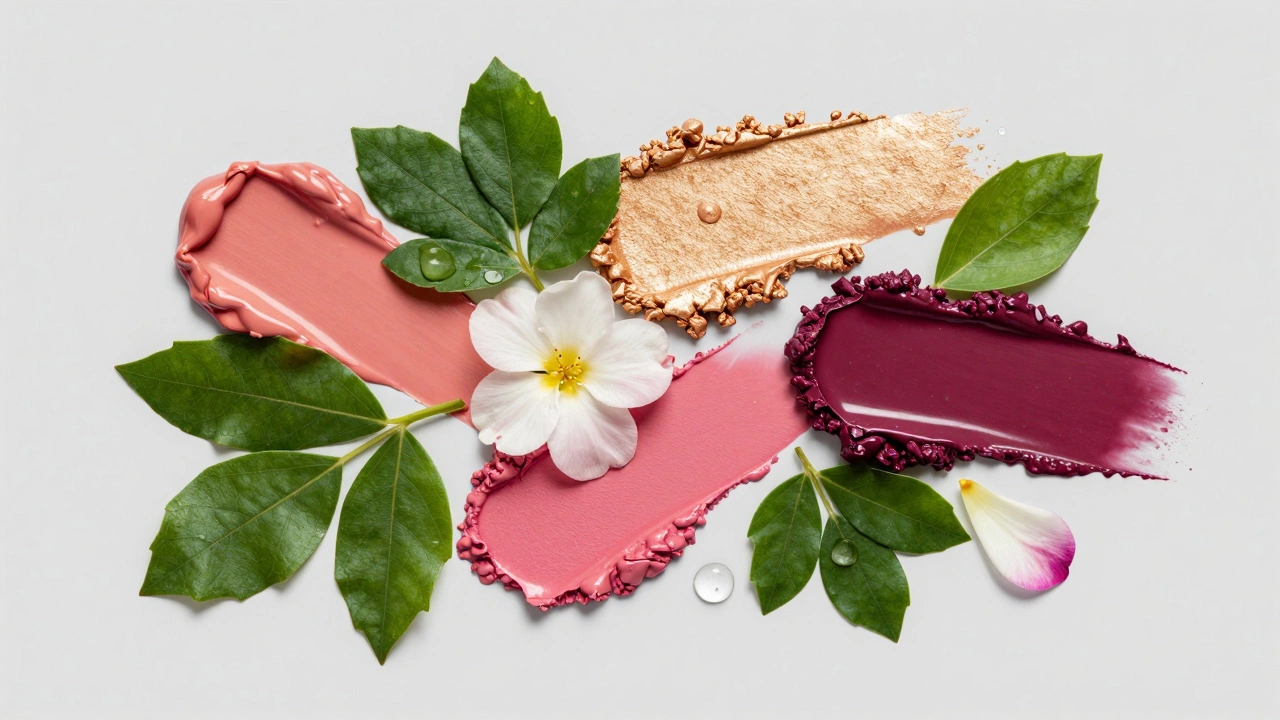
Drugstore Gems: Cruelty-Free Makeup on a Budget
Ethical beauty shouldn't be a luxury. You can find incredible cruelty-free makeup at your local pharmacy or supermarket. NYX Professional Makeup is a professional-grade drugstore brand that maintains a cruelty-free status across its massive range of color cosmetics. They're the go-to for a reason-their eyeliners and lip liners last all day and don't cost a fortune.
Another powerhouse is e.l.f. Cosmetics. Not only are they cruelty-free, but they are also 100% vegan. They've made a name for themselves by creating high-quality "dupes" of expensive luxury products, ensuring that an ethical routine is accessible to everyone regardless of their budget. When you see a brand offering 50 different shades of concealer that are all vegan, you know they've invested in the chemistry of synthetic alternatives.
Don't overlook Essence. This brand is incredibly affordable and strictly avoids animal testing. Their mascara is often cited in beauty forums as being better than products five times its price, which just goes to show that animal testing isn't a prerequisite for a great formula.
The "Gray Area" Brands: What to Watch Out For
This is where it gets tricky. Some brands claim to be cruelty-free but are owned by parent companies that still test on animals. For example, a small cruelty-free brand might be bought by a conglomerate like L'Oréal or Estée Lauder. Does that make the small brand "not cruelty-free"? Technically, the individual brand's products aren't tested on animals, but your money is going to a company that does. It's a personal choice-some people are okay with this, while others prefer to avoid the parent company entirely.
Another red flag is the "China Loophole." In the past, China required almost all imported cosmetics to be tested on animals by government labs. If a brand says they are cruelty-free but they sell in physical stores in mainland China, they are likely compromising their ethics. While laws in China are starting to relax for some "general cosmetics," it's still a gamble. Always check if a brand sells in China if you want to be 100% sure.
How to Transition Your Makeup Bag
You don't need to throw away everything you own today. That would be a waste of money and create unnecessary landfill. Instead, use the "replace as you run out" method. When your favorite foundation hits the bottom of the bottle, that's your cue to find a cruelty-free alternative.
Start with the products that have the easiest substitutes. Mascaras and eyeliners are usually simple to swap. Foundation and concealer are a bit harder because you need to match your skin tone perfectly. I recommend visiting a store where you can swatch different brands side-by-side. Many cruelty-free brands now use advanced In-Vitro Testing, which is a method using human cell cultures or reconstructed human epidermis to test for irritation without using live animals. This means the safety and efficacy are still there, just without the cruelty.
Is MAC makeup cruelty-free?
MAC is generally considered not cruelty-free because they have sold products in mainland China, where animal testing was historically required by law. While they may not conduct their own tests, their presence in those markets often implies that testing has occurred.
Does "dermatologist tested" mean it was tested on animals?
Not necessarily. "Dermatologist tested" usually means the product was applied to human volunteers under the supervision of a doctor to check for reactions. However, it doesn't guarantee that the ingredients weren't tested on animals earlier in the development process.
What is the difference between PETA and Leaping Bunny?
Leaping Bunny is more rigorous. It requires a company to open its doors to independent audits and provide proof that no animal testing happens at any level of the supply chain. PETA's certification is based largely on a company's statement of assurance, which is still helpful but less verified.
Are there any cruelty-free brands that are also vegan?
Yes, many! Brands like e.l.f. Cosmetics and Hourglass are 100% vegan, meaning they use no animal-derived ingredients like beeswax, lanolin, or carmine, in addition to being cruelty-free.
Can I trust brands that just say "not tested on animals"?
It's risky. Without a third-party certification (like Leaping Bunny), a brand can interpret "not tested on animals" however they want. They might not test the final product, but their raw material suppliers might still be using animal testing.
Next Steps for Ethical Beauty
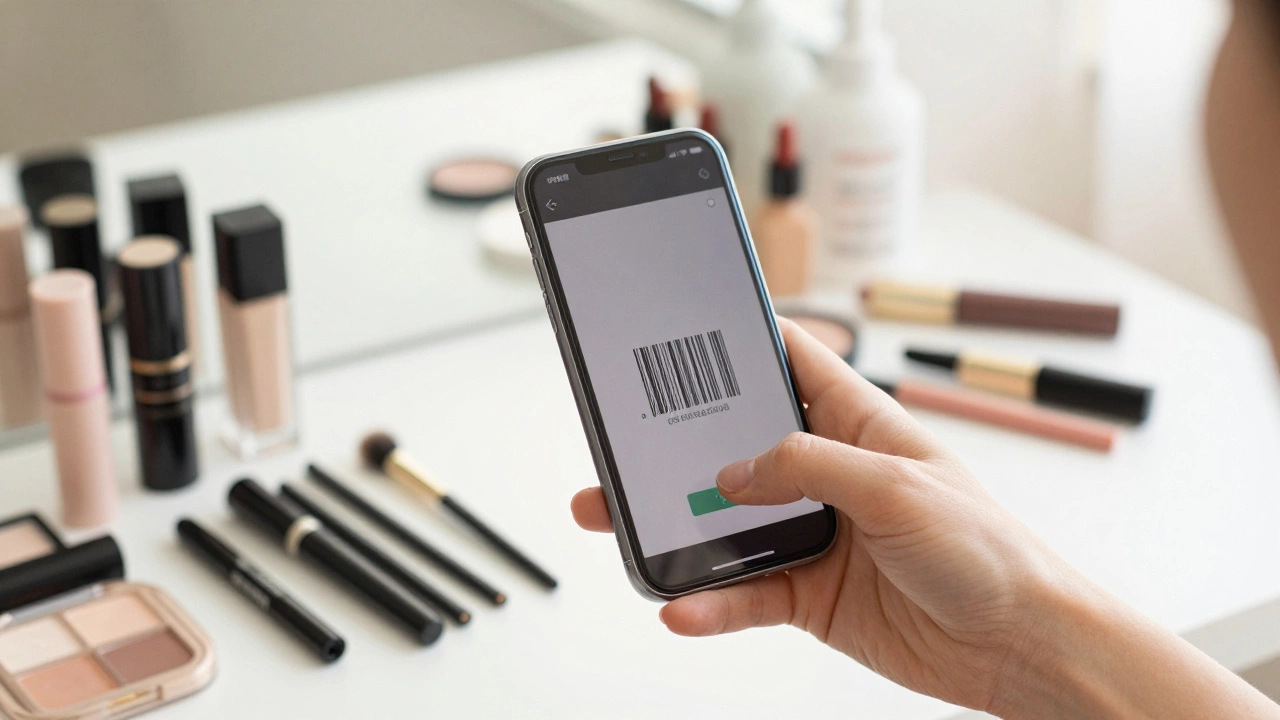
If you're feeling overwhelmed, start by downloading a cruelty-free database app. These tools let you scan a barcode in the store to see instantly if a product meets your standards. If you're a makeup artist or a heavy user, consider switching to a professional-grade cruelty-free line like NYX or Milk to ensure your kit remains high-performance while staying ethical.
For those who want to go further, look into "fair trade" certifications. Often, brands that are kind to animals are also more mindful of the humans who harvest their ingredients, such as mica for shimmer or shea butter for moisture. Combining cruelty-free choices with fair-trade shopping is the best way to ensure your beauty routine doesn't cause harm to anyone.