
Anti-Aging Treatment Matcher
Answer three simple questions to get a personalized recommendation from our practical guide.
Recommended Approach
You wake up, look in the mirror, and notice something different. Maybe it’s a deeper line around your mouth, or perhaps your cheeks just don’t bounce back quite like they used to. It happens to everyone, but knowing exactly what works-and what is just marketing hype-can save you money and frustration. The truth is, there is no single magic bullet for aging skin. Instead, effective care requires a mix of proven ingredients, professional procedures, and consistent habits tailored to your specific concerns.
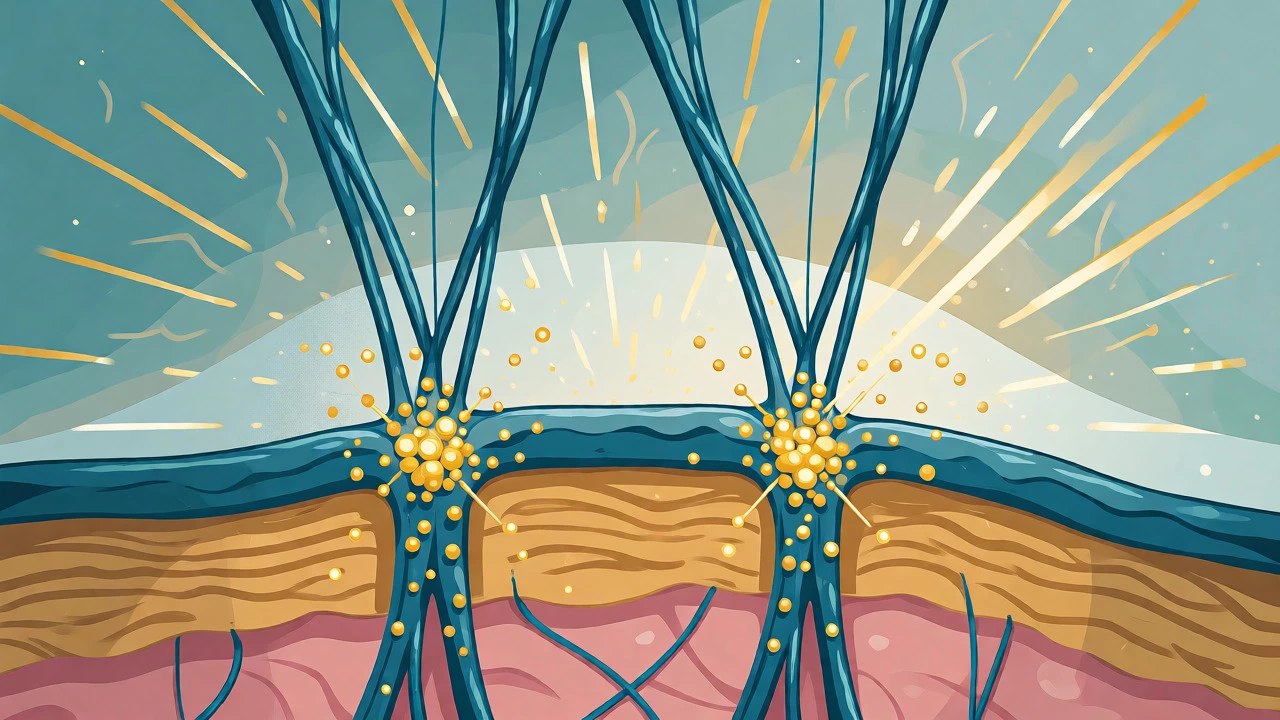
Before you book an appointment or buy another jar of cream, let’s break down what actually changes as we age. Your skin loses collagen and elastin, the proteins that keep it firm and elastic. Cell turnover slows down, meaning dead cells pile up on the surface, making skin look dull. Hyaluronic acid levels drop, leading to dryness and fine lines. Understanding these mechanisms helps you choose treatments that address the root cause, not just the symptoms.
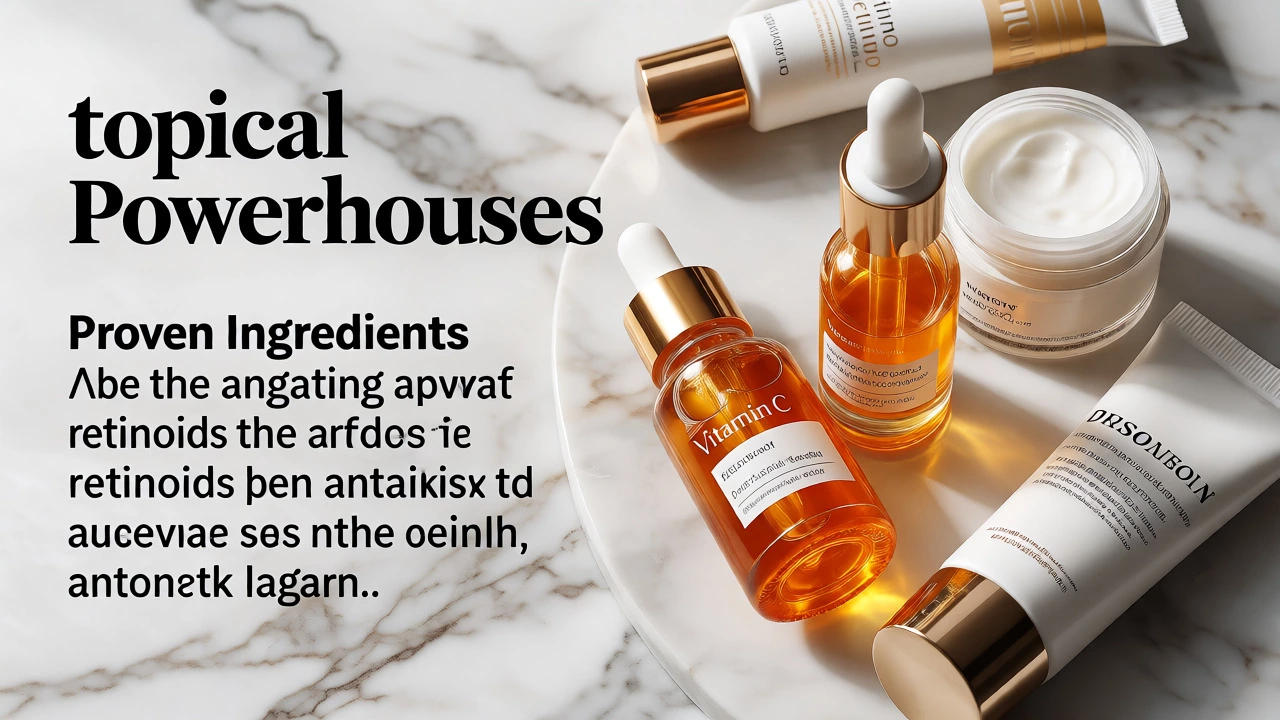
Topical Powerhouses: What Actually Works
If you only do one thing, make it sunscreen. But beyond protection, certain ingredients have decades of clinical data backing their ability to reverse visible signs of aging. These aren't new trends; they are the gold standard.
Retinoids are arguably the most effective topical treatment available. Derived from vitamin A, compounds like retinol and prescription-strength tretinoin speed up cell turnover and stimulate collagen production. They can fade dark spots, smooth texture, and reduce wrinkles over time. However, they come with a learning curve. Start low and go slow to avoid irritation. If you experience redness or peeling, use them every other night and buffer with moisturizer.
Vitamin C is another heavy hitter. As an antioxidant, it neutralizes free radicals caused by UV exposure and pollution. More importantly, it is a cofactor in collagen synthesis. Look for L-ascorbic acid at concentrations between 10% and 20%, formulated at a low pH (below 3.5) for stability and penetration. Apply it in the morning under sunscreen for maximum benefit.
Niacinamide, or vitamin B3, is often overlooked but deserves attention. It strengthens the skin barrier, reduces inflammation, and evens out skin tone. Unlike retinoids, it plays well with almost everything else in your routine. Peptides are also worth considering. While less potent than retinoids, signal peptides can encourage collagen production without the irritation factor, making them great for sensitive skin types.
In-Clinic Procedures: When Creams Aren't Enough
When topical products hit their limit, professional treatments offer more dramatic results. These procedures work by creating controlled injury to the skin, triggering the body’s natural healing response to produce fresh, younger-looking tissue.
Chemical peels remove damaged outer layers of skin. Superficial peels using alpha-hydroxy acids (AHAs) like glycolic acid improve brightness and texture. Medium-depth peels, such as those containing trichloroacetic acid (TCA), target moderate wrinkles and pigmentation issues. Deep peels reach the dermis but require significant downtime. The choice depends on your tolerance for recovery time versus desired results.
Laser therapies offer precision that creams cannot match. Fractional lasers create microscopic columns of heat in the skin, leaving surrounding tissue intact to speed up healing. This stimulates massive collagen remodeling. Non-ablative lasers, like Fraxel Dual, have minimal downtime and treat sun damage and fine lines. Ablative lasers, such as CO2, are more aggressive and effective for deep wrinkles but leave you looking like you’ve had a bad sunburn for several days.
Microneedling is a popular alternative for those wary of lasers. Using tiny sterile needles, this procedure creates micro-injuries across the face. The real magic happens when combined with platelet-rich plasma (PRP), often called a "Vampire Facial." PRP uses your own blood’s growth factors to accelerate healing and boost collagen. It’s particularly effective for acne scars and overall skin laxity.
Injectables: Restoring Volume and Relaxing Muscles
Skin aging isn’t just about surface texture; it’s also about structural support. Gravity pulls tissues down, and fat pads shrink. Injectables address these volume losses and dynamic wrinkles directly.
Neuromodulators like Botox, Dysport, and Xeomin relax the muscles that cause expression lines. They are best for crow’s feet, forehead lines, and frown lines between the eyebrows. The effects are temporary, typically lasting three to four months. Regular treatments can train muscles to stay relaxed, potentially reducing the depth of static wrinkles over time.
Dermal fillers restore lost volume. Hyaluronic acid fillers are the most common because they are reversible with hyaluronidase if you don’t like the result. They plump lips, lift cheeks, and soften nasolabial folds. For longer-lasting results, biostimulatory fillers like Sculptra stimulate your body to produce its own collagen over several months. Calcium hydroxylapatite (Radiesse) offers immediate lift plus collagen stimulation. Choosing the right filler depends on the area treated and how much movement occurs there.
Choosing the Right Path: A Decision Framework
With so many options, how do you decide? It comes down to three factors: budget, downtime, and primary concern. Here is a quick guide to help you navigate.
| Treatment Type | Best For | Downtime | Cost Estimate | Results Duration |
|---|---|---|---|---|
| Retinoids (Topical) | Fine lines, texture, tone | None (initial adjustment) | $20-$100/month | Continuous with use |
| Chemical Peel (Light) | Dullness, mild pigmentation | 1-3 days | $100-$300/session | Months |
| Microneedling + PRP | Scarring, laxity, glow | 24 hours | $500-$800/session | 6-12 months |
| Botox | Dynamic wrinkles | None | $10-$15/unit | 3-4 months |
| Hyaluronic Acid Fillers | Volume loss, deep folds | Minimal (bruising risk) | $600-$1,200/syringe | 6-18 months |
| CO2 Laser Resurfacing | Deep wrinkles, severe damage | 7-14 days | $2,000-$5,000 | Years |
Note that costs vary significantly by location and provider expertise. In Brighton, for instance, reputable clinics may charge premium rates, but you are paying for safety and aesthetic judgment. Always prioritize board-certified dermatologists or plastic surgeons over bargain-basement deals. Mistakes in injectables can take months to correct.
The Foundation: Lifestyle Factors You Can Control
No treatment works long-term if your lifestyle undermines it. Sleep is non-negotiable. During deep sleep, your body produces human growth hormone, which repairs tissues. Chronic stress elevates cortisol, which breaks down collagen. Find ways to manage stress, whether through exercise, meditation, or hobbies.
Diet plays a surprising role. High sugar intake leads to glycation, a process where sugar molecules attach to collagen fibers, making them stiff and brittle. Reduce processed sugars and increase antioxidants through colorful fruits and vegetables. Hydration matters too, but drinking water alone won’t fix dehydrated skin. Use humectants like glycerin and hyaluronic acid in your topical routine to lock moisture in.
Smoking is the enemy of youthful skin. Nicotine constricts blood vessels, depriving skin of oxygen and nutrients. It also damages collagen and elastin directly. Quitting smoking improves skin health within weeks. Similarly, excessive alcohol consumption dehydrates skin and causes inflammation, leading to puffiness and broken capillaries.
Building Your Personalized Routine
Don’t try to do everything at once. Start with the basics: gentle cleanser, antioxidant serum, moisturizer, and broad-spectrum SPF 30+. Once your skin tolerates this, introduce a retinoid at night. After three months, assess your progress. Do you need more volume? Consider fillers. Is texture still rough? Try microneedling or a light peel. Is muscle movement causing lines? Explore neuromodulators.
Consistency beats intensity. Applying retinol sporadically yields poor results compared to steady, gradual use. Protect your investment by avoiding direct sun exposure after treatments. Post-inflammatory hyperpigmentation is a real risk, especially for darker skin tones, so strict sun protection is critical during any active treatment phase.
What is the single most important anti-aging product?
Broad-spectrum sunscreen with at least SPF 30. Up to 80% of visible skin aging is caused by UV exposure. Without daily sunscreen use, other treatments lose effectiveness and can even increase sensitivity to sun damage.
How long does it take to see results from retinoids?
Typically 3 to 6 months. The first month might involve irritation and peeling (the "retinization" period). Visible improvements in texture and tone usually appear after 12 weeks, while significant wrinkle reduction takes longer.
Are home devices like LED masks effective?
They can be, but results are subtle and require consistency. Red LED light promotes collagen and reduces inflammation, while blue light targets acne bacteria. They are best as maintenance tools rather than primary treatments for significant aging signs.
Can I combine multiple active ingredients?
Yes, but carefully. Vitamin C in the morning and retinoids at night is a classic combination. Avoid mixing strong exfoliants (AHAs/BHAs) with retinoids in the same routine unless your skin is very tolerant, as this can compromise the skin barrier.
Is microneedling painful?
Most people describe it as uncomfortable rather than painful. Topical numbing cream is applied before the procedure. Sensations feel like light scratching or vibration. Recovery involves redness similar to a sunburn for 24-48 hours.