
Cetaphil vs CeraVe: Skin Type Match Finder
Not sure which brand fits you? Answer these three questions and we'll recommend the best match based on your skin's actual needs.
Cetaphil
0%CeraVe
0%Why this recommendation
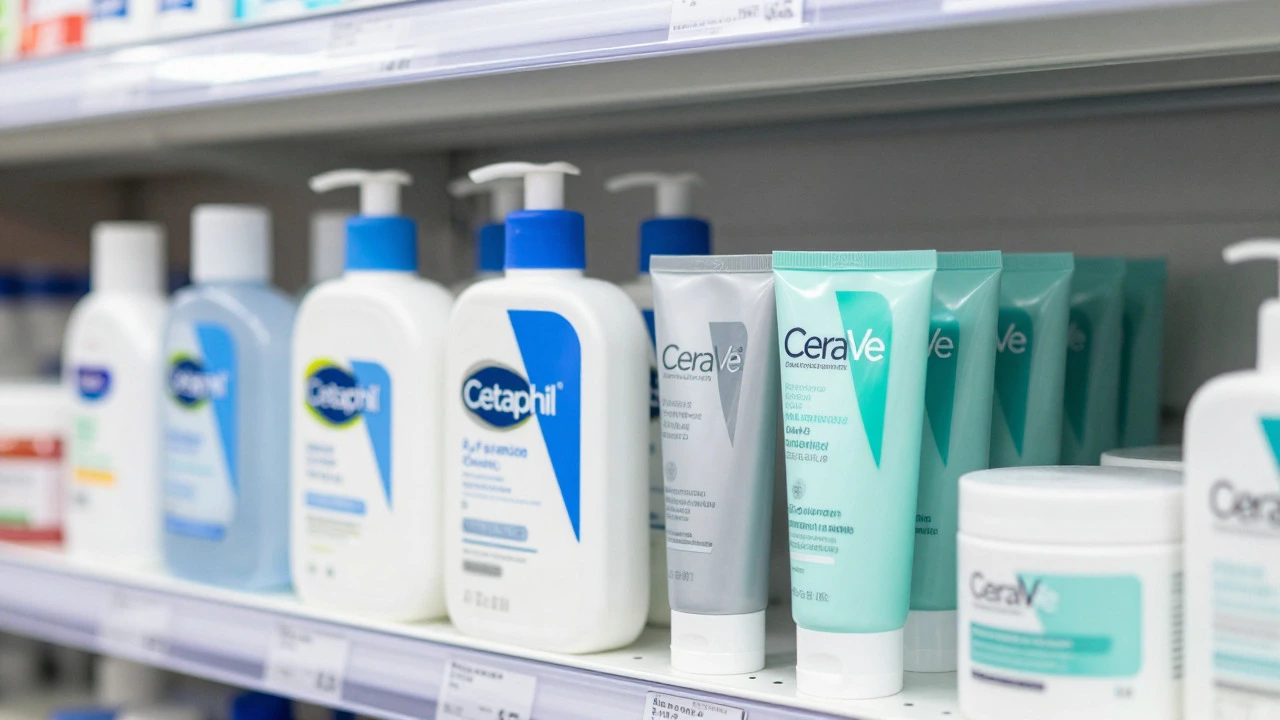
Walking into a drugstore aisle can feel like walking into a maze when you’re trying to pick a moisturizer. You see two big names staring back at you: Cetaphil is a dermatologist-recommended brand known for gentle, hypoallergenic formulas that have been around since the 1940s. And right next to it sits CeraVe, which is a newer brand developed by dermatologists that focuses on restoring the skin barrier using ceramides and hyaluronic acid. Both promise to keep your skin healthy, but they take very different approaches. So, which one actually works better? The short answer is: it depends entirely on what your skin needs right now.
Quick Summary / Key Takeaways
- CeraVe is generally better for dry or compromised skin barriers because it contains three essential ceramides and hyaluronic acid.
- Cetaphil is often preferred for extremely sensitive or reactive skin due to its simpler ingredient list and lack of fragrance or dyes.
- If you are dealing with acne-prone skin, CeraVe offers more targeted options with niacinamide and salicylic acid.
- For basic hydration without active ingredients, Cetaphil remains a safe, no-fuss staple.
- Both brands are affordable and widely available, making them accessible entry points into consistent skincare routines.
The Core Difference: Barrier Repair vs. Gentle Hydration
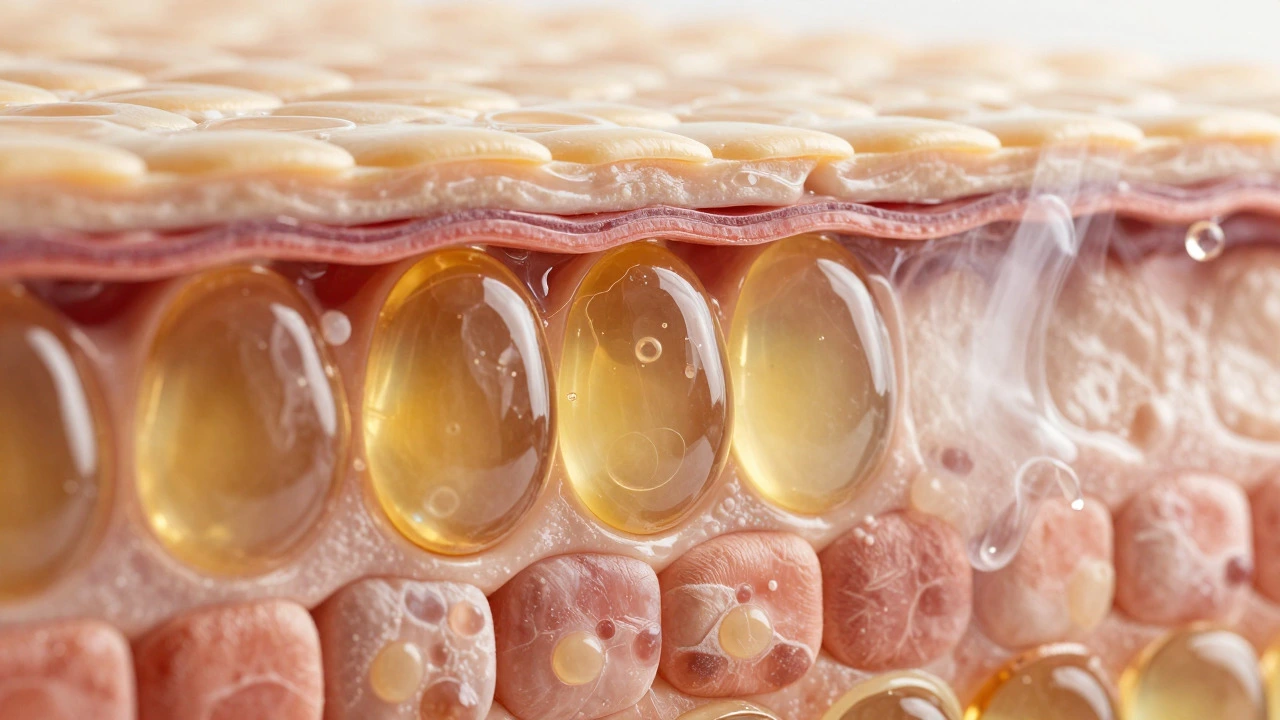
To understand why people debate this topic so much, you need to look at what each brand puts inside the bottle. CeraVe was built on the science of the skin barrier. Their flagship products, like the Moisturizing Cream, contain three specific types of ceramides (1, 3, and 6-II) that mimic the natural lipids in your skin. Think of ceramides as the mortar between the bricks of your skin cells. If your barrier is damaged-maybe from harsh weather, over-exfoliating, or eczema-those “bricks” fall out, and moisture escapes. CeraVe aims to rebuild that mortar.
Cetaphil, on the other hand, has historically focused on gentle cleansing and basic hydration. Their classic Daily Facial Cleanser is famous for being non-soapy and pH-balanced. While their moisturizers do hydrate, they don’t always rely heavily on the same lipid-replenishing technology that defines CeraVe. Instead, Cetaphil leans on simple emollients and humectants to soothe and protect. It’s less about “fixing” a broken barrier and more about maintaining a calm, hydrated surface without introducing potential irritants.
Ingredient Breakdown: What’s Actually Inside?
Let’s get concrete. When you compare the ingredient lists, the differences become clear. Here is how the two brands stack up in terms of key active components:
| Feature | Cetaphil (e.g., Moisturizing Lotion) | CeraVe (e.g., Moisturizing Cream) |
|---|---|---|
| Primary Function | Gentle hydration and protection | Barrier repair and deep hydration |
| Ceramides | Usually absent or minimal | Contains 3 essential ceramides |
| Hyaluronic Acid | Not typically present | Present for water retention |
| Niacinamide | Rarely included | Included in many products for soothing |
| Fragrance | Fragrance-free | Fragrance-free |
| Texture | Lightweight, absorbs quickly | Richer, creamier consistency |
Notice that both are fragrance-free, which is huge if you have reactive skin. But the presence of hyaluronic acid in CeraVe means it can pull water into the skin layers more effectively. Meanwhile, niacinamide, another common CeraVe ingredient, helps reduce redness and regulate oil production. Cetaphil keeps things simpler, which is exactly why some people with ultra-sensitive skin prefer it-they know there are fewer variables to trigger a reaction.
Which One Should You Choose Based on Your Skin Type?
There is no single “winner” here. The best choice depends on your specific skin concerns. Let’s break it down by scenario.
If you have dry or flaky skin: Go with CeraVe. The combination of ceramides and hyaluronic acid provides deeper, longer-lasting moisture. The Moisturizing Cream is thick enough to lock in hydration overnight, especially in winter months when the air is dry.
If you have oily or acne-prone skin: CeraVe still has the edge, but choose the right product. Look for their Oil Control Moisturizer or Acne Control Gel. These contain salicylic acid or niacinamide to help unclog pores without stripping the skin. Cetaphil’s lightweight lotions work well too, but they won’t actively treat breakouts.
If you have extremely sensitive or rosacea-prone skin: This is where Cetaphil shines. Its minimalist formula is less likely to cause stinging or irritation. Many dermatologists recommend Cetaphil Redness Relief specifically for those who react to almost everything else. If your skin feels tight or raw after washing, Cetaphil’s calming approach might be safer than the richer CeraVe creams.
If you just want a basic, no-nonsense routine: Either works. If you prefer a lighter feel, try Cetaphil. If you want extra barrier support, go with CeraVe. Both are effective for general maintenance.
Price and Availability: Can You Afford the Difference?
One of the biggest advantages of both brands is affordability. Neither requires a luxury budget. A tube of Cetaphil Moisturizing Lotion typically costs around $15-$20 for 16 ounces. CeraVe Moisturizing Cream is similar, ranging from $18-$25 for 12 ounces. Considering the size difference, Cetaphil often offers slightly more product per dollar. However, both are widely available in pharmacies, supermarkets, and online retailers, so access isn’t an issue. You won’t need to hunt for specialty stores or pay shipping fees for premium brands.
Common Mistakes People Make When Switching Brands
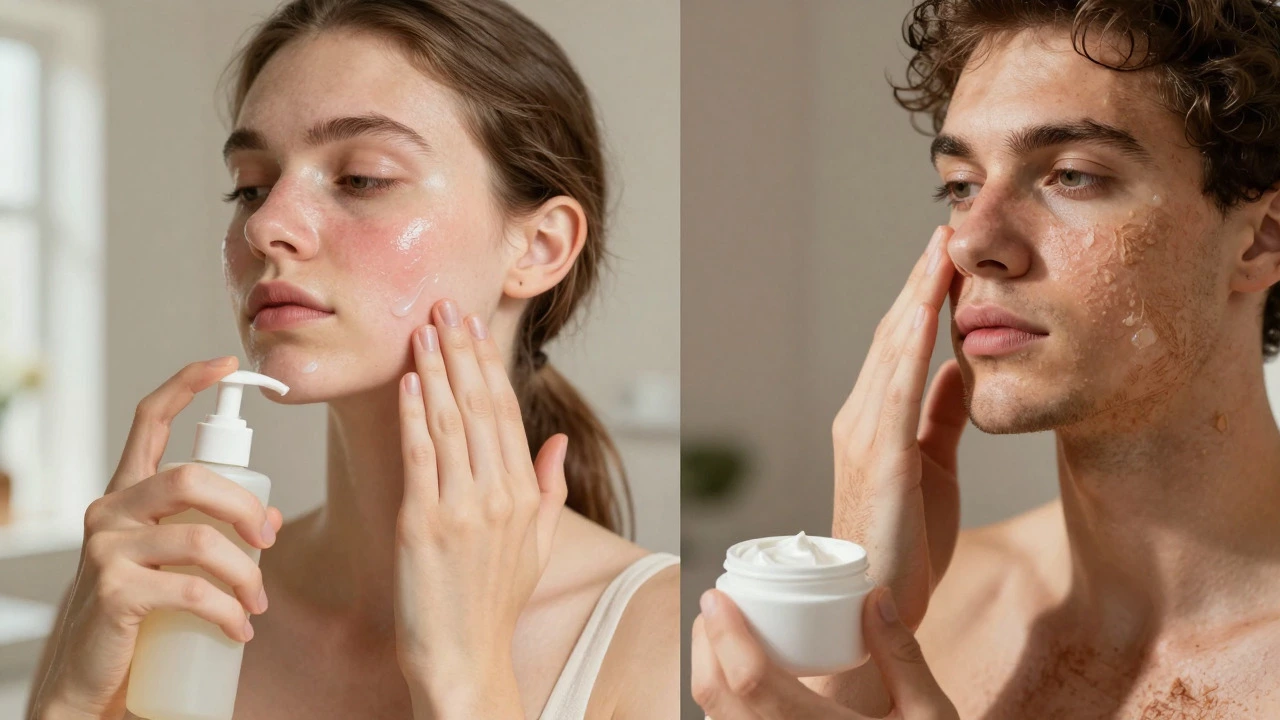
A lot of confusion arises when people switch from one brand to the other without adjusting their routine. For example, someone with oily skin might switch from Cetaphil to CeraVe Moisturizing Cream and think it’s “too heavy.” That’s not the product failing; it’s the wrong formulation for their skin type. Always match the texture to your needs. Similarly, if you have eczema and switch to a standard Cetaphil lotion, you might find it lacks the intensive barrier support you need. In that case, CeraVe’s specialized Eczema Therapy line would be a better fit. Don’t judge the entire brand based on one product. Test small areas first, especially if your skin is prone to reactions.
What Dermatologists Say
Dermatologists generally agree that both brands are safe and effective. The American Academy of Dermatology often cites both as suitable for patients with sensitive skin. However, recent trends show a slight shift toward recommending CeraVe for patients with visible barrier damage, such as those undergoing retinoid treatment or laser procedures. Why? Because the added ceramides help speed up recovery time. Cetaphil remains a top recommendation for daily cleansing and basic hydration, particularly for children or individuals with contact dermatitis. Ultimately, your dermatologist will likely tell you to use whichever one your skin tolerates best. Consistency matters more than the brand name.
FAQ
Is CeraVe better than Cetaphil for anti-aging?
Neither brand is primarily marketed as an anti-aging solution, but CeraVe has a wider range of products with antioxidants and peptides that may help with fine lines. Cetaphil focuses more on hydration and sensitivity. If anti-aging is your main goal, you might need to add separate serums regardless of which base moisturizer you choose.
Can I use Cetaphil and CeraVe together?
Yes, many people use Cetaphil cleansers with CeraVe moisturizers. This is a popular combination because Cetaphil cleanses gently without stripping oils, while CeraVe replenishes the barrier afterward. Just make sure you aren’t layering too many heavy products if you have oily skin.
Why does my skin break out after switching to CeraVe?
This could be due to the richer texture of certain CeraVe products, especially if you have oily or acne-prone skin. Try switching to their Oil Control or Acne Control lines. Alternatively, it might be a temporary adjustment period as your skin adapts to new ingredients like niacinamide. Give it two weeks before deciding it doesn’t work.
Are both brands cruelty-free?
Both Cetaphil and CeraVe are owned by Galderma, which has made strides toward cruelty-free practices, but certification varies by region. Check the current status on Leaping Bunny or PETA websites for the most up-to-date information, as policies can change.
Which brand is better for babies and children?
Cetaphil Baby products are widely recommended by pediatricians for their simplicity and safety. CeraVe Baby line is also excellent and includes ceramides, which are beneficial for infant skin barriers. Both are safe, but Cetaphil’s milder formulations are often the first choice for newborns.