
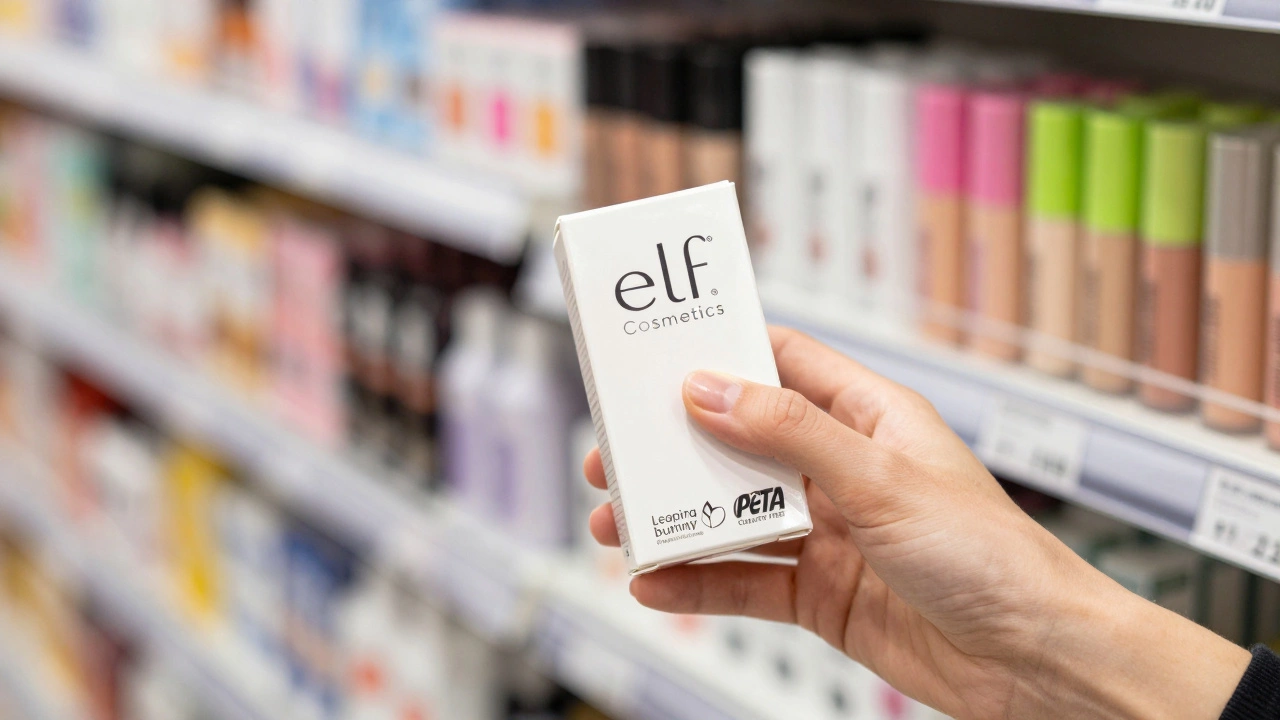
Cruelty-Free Brand Comparison Tool
Select a brand below to analyze its ethical standing based on certifications, supply chain transparency, and market regulations.
ELF Cosmetics
Leaping Bunny PETAIndependent & Certified
Maybelline
Not CertifiedSells in China (Physical)
NYX Professional
PETAOwned by L'Oréal
ColourPop
PETA 100% VeganIndependent
Brand Name
Certification & Policy
Ownership & Market
Walking down the makeup aisle can feel like navigating a minefield of greenwashing. You see the cute packaging, the affordable price tag, and the bold claim: "Cruelty-Free." But does that label actually mean what you think it means? For years, ELF Cosmetics has been a staple in drugstores worldwide, known for its budget-friendly eyeshadow palettes and viral highlighters. But when it comes to animal testing, the answer isn't as simple as a sticker on the box.
If you are trying to build an ethical beauty routine, you need more than just marketing slogans. You need hard facts about certifications, supply chains, and market regulations. This guide cuts through the noise to tell you exactly where ELF stands today, whether their products are truly vegan, and how they compare to other major brands in the cruelty-free space.
The Short Answer: Yes, ELF Is Cruelty-Free
To get straight to the point: yes, ELF Cosmetics is considered cruelty-free. They do not test their finished products on animals, nor do they allow third parties to test on their behalf. Furthermore, they do not sell their products in physical stores in countries where animal testing is required by law, such as mainland China.
This distinction is crucial. Many large international brands claim to be cruelty-free but still sell in China, where imported cosmetics historically required mandatory animal testing. By avoiding these markets or adhering to new post-market testing rules that don't require pre-market animal tests, ELF maintains its ethical stance. However, being "cruelty-free" is a broad term. To really understand if ELF aligns with your values, we need to look at their official certifications and specific policies.
Official Certifications: PETA vs. Leaping Bunny
In the world of ethical beauty, not all badges are created equal. There are two main organizations that certify cruelty-free brands: PETA (People for the Ethical Treatment of Animals) and Leaping Bunny.
ELF Cosmetics is certified by both, which adds significant weight to their claims. Here is why that matters:
- PETA Certification: To get this stamp, a company must sign a statement affirming they do not test on animals. It is widely recognized but has fewer auditing requirements compared to Leaping Bunny.
- Leaping Bunny Certification: This is the gold standard. It requires companies to implement a rigorous monitoring system and audit their entire supply chain to ensure no ingredients are tested on animals either. It also requires a commitment to never test in the future.
Because ELF holds the Leaping Bunny certification, you can trust that they have gone beyond just signing a paper. They actively monitor their suppliers to ensure that raw materials like pigments and preservatives were not tested on animals before reaching the factory. This level of transparency is rare among mass-market brands.
| Certification Body | Auditing Process | Supply Chain Check | Brand Example |
|---|---|---|---|
| Leaping Bunny | Rigorous, ongoing audits | Required for all ingredients | ELF, The Body Shop, e.l.f. |
| PETA | Self-reported statement | Not strictly audited | Urban Decay, Milani |
| Choose Cruelty Free (CCF) | Annual verification | Required | Various indie brands |
Are All ELF Products Vegan?
This is where things get tricky. Being cruelty-free means no animals were harmed during testing. Being Vegan means no animal-derived ingredients were used in the formula. These are two different concepts, and many consumers confuse them.
ELF Cosmetics states that the majority of their products are vegan. In fact, they claim that over 90% of their lineup contains no animal by-products like beeswax, carmine (crushed beetles), or lanolin. However, not every single item is vegan. Some lip balms or mascaras might contain beeswax or other natural animal derivatives.
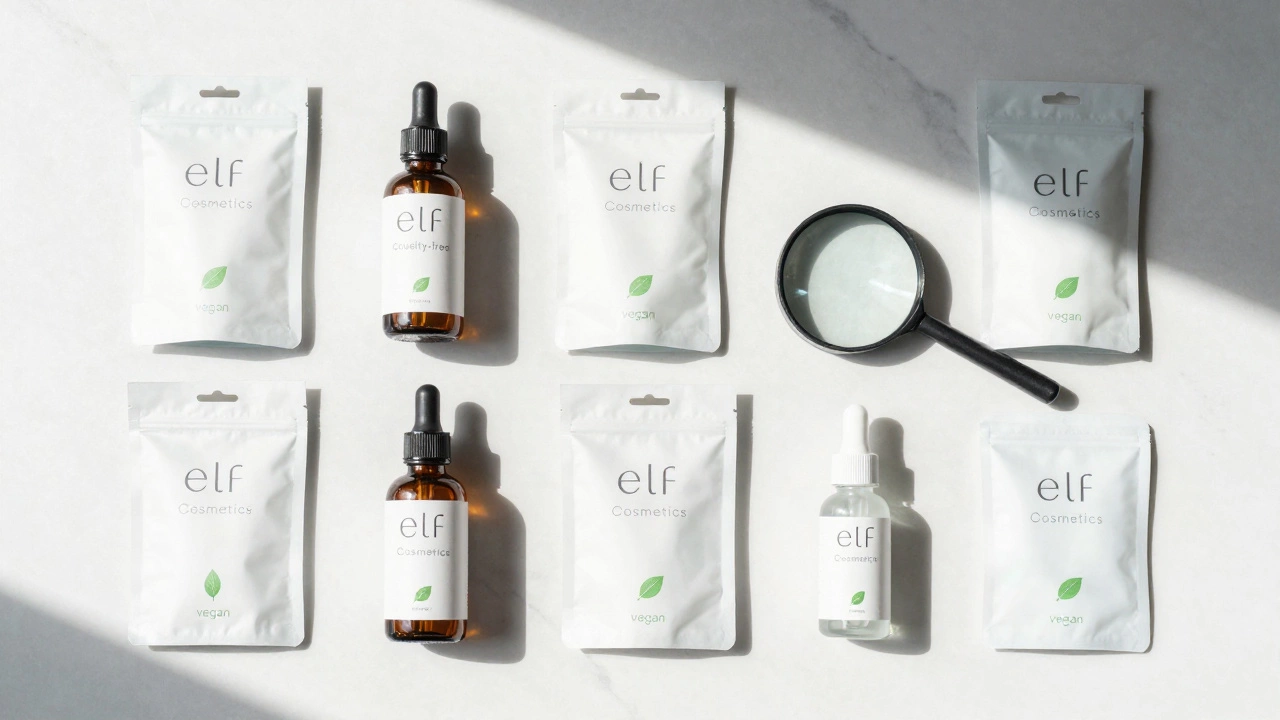
How do you spot the difference? ELF makes it relatively easy. They clearly label vegan products on their website and often mark them with a leaf icon or the word "Vegan" on the packaging. If you are strict about veganism, you cannot assume everything from ELF is safe; you must check the specific product label. If you only care about cruelty-free status, then the entire brand is generally safe to buy, provided you stick to their current policy.
The China Question: A Critical Detail
The biggest controversy in the cruelty-free community revolves around sales in China. For decades, Chinese law required imported cosmetics to undergo animal testing. This forced many global brands to choose between selling in the massive Chinese market and keeping their cruelty-free status.
ELF Cosmetics has navigated this carefully. They do not sell their products in physical retail stores in mainland China. Instead, they may sell via cross-border e-commerce. Under current Chinese regulations, goods sold through cross-border online platforms are exempt from mandatory animal testing. This loophole allows brands to reach Chinese consumers without violating their no-testing pledge.
However, regulations change. As of 2026, while general cosmetics (like lipstick and foundation) no longer require pre-market animal testing in China, special-use cosmetics (like sunscreens or whitening agents) might still face scrutiny. ELF avoids this risk by limiting their presence to non-mandatory testing channels. Always verify their latest market strategy, as one wrong move could revoke their Leaping Bunny status.
Parent Company Policy: Does Ownership Matter?
A common question is whether a parent company's testing practices taint a subsidiary brand. For example, L'Oréal owns many brands, but some argue that buying from a subsidiary still supports a corporation that tests on animals.
ELF Cosmetics is privately held. It is not owned by a larger conglomerate like Estée Lauder, L'Oréal, or Coty. This independence is a huge plus for ethical shoppers. It means ELF answers only to its own shareholders and its own ethical code. There is no corporate pressure from a parent company to start testing in certain markets to protect broader revenue streams. This autonomy allows them to maintain a consistent, uncompromising stance on animal welfare.
ELF vs. Other Drugstore Brands
If you are looking for affordable, ethical makeup, ELF isn't alone. How does it stack up against competitors like Maybelline, NYX, or ColourPop?
| Brand | Cruelty-Free? | Vegan Options? | Sells in China? |
|---|---|---|---|
| ELF Cosmetics | Yes (Leaping Bunny) | Mostly (90%+) | No (Physical Stores) |
| Maybelline | No | Some | Yes |
| L'Oréal Paris | No | Some | Yes |
| NYX Professional Makeup | Yes (PETA) | Many | Complex (Owned by L'Oréal) |
| ColourPop | Yes (PETA) | All | No |
Notice that while Maybelline and L'Oréal are affordable, they are not cruelty-free because they sell in markets requiring animal testing. NYX is technically cruelty-free in practice, but its ownership by L'Oréal raises ethical questions for some purists. ELF sits in a sweet spot: independent, fully certified, and affordable.
Why This Matters for Your Wallet and Conscience
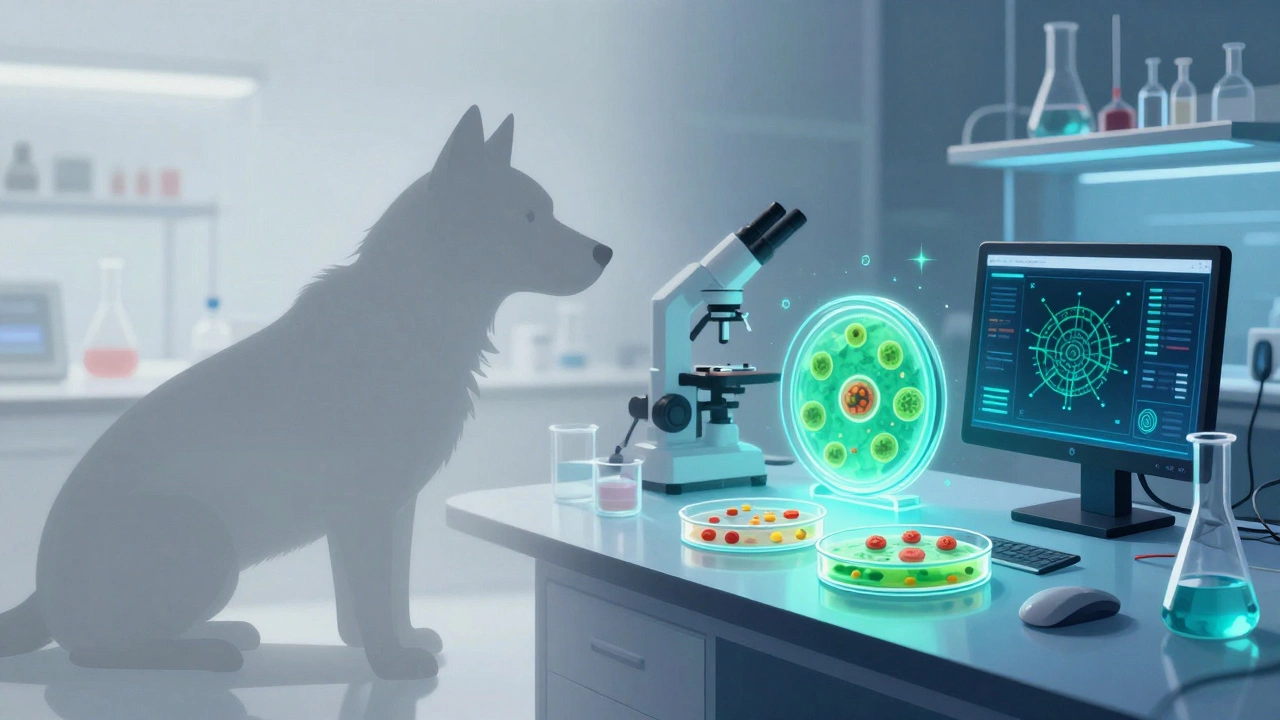
Choosing cruelty-free makeup isn't just about morality; it's about supporting innovation. Brands that don't test on animals are often forced to use alternative testing methods, such as:
- In Vitro Testing: Using human skin cells grown in a lab to test for irritation.
- Computer Modeling: Using AI and historical data to predict toxicity.
- Donor Skin: Using discarded human skin from surgeries (with consent) for patch tests.
By buying from ELF Cosmetics, you are voting for a future where science advances without animal suffering. Plus, you get high-quality products. Don't let the low price fool you; ELF invests heavily in R&D to ensure safety through modern, humane methods.
How to Verify ELF's Status Yourself
Don't just take my word for it. Here is how you can double-check ELF's status anytime:
- Check the Packaging: Look for the Leaping Bunny logo or the PETA bunny symbol on the back of the bottle or box.
- Visit the Official Site: Go to ELF.com and scroll to the footer. They usually have a dedicated "Our Values" or "Ethics" page detailing their no-animal-testing policy.
- Consult Third-Party Lists: Websites like Cruelty-Free Kitty or Logical Harmony maintain updated lists of cruelty-free brands. They often flag changes in policy faster than big brands do.
If you ever see a new ELF product and aren't sure, search the specific SKU number on the Leaping Bunny website. If it's listed, you're good to go.
Is ELF Cosmetics 100% vegan?
No, not 100%. While the vast majority of ELF products are vegan, some items may contain animal-derived ingredients like beeswax or carmine. Always check for the "Vegan" label on the product page or packaging to be sure.
Does ELF sell in China?
ELF does not sell in physical retail stores in mainland China. They may sell via cross-border e-commerce, which is exempt from mandatory animal testing under current Chinese laws. This allows them to remain cruelty-free.
What is the difference between PETA and Leaping Bunny certification?
Leaping Bunny is considered stricter because it requires regular audits of the entire supply chain to ensure no ingredients are tested on animals. PETA certification relies largely on a signed statement from the company. ELF holds both certifications.
Who owns ELF Cosmetics?
ELF Cosmetics is a privately held company. It is not owned by any larger beauty conglomerate like L'Oréal or Estée Lauder, which gives it full control over its ethical policies.
Can I trust ELF's cruelty-free claim?
Yes. Because ELF is certified by Leaping Bunny, they undergo rigorous monitoring to ensure neither they nor their suppliers test on animals. This is the highest standard available in the industry.