
Personalized Application Guide
Unsure when to layer your products? Select your profile below to reveal the best order for your unique biology.
This guide uses professional principles found in the article above.
Recommended Strategy
Product
Reasoning goes here...
Product
Reasoning goes here...
Additional advice...
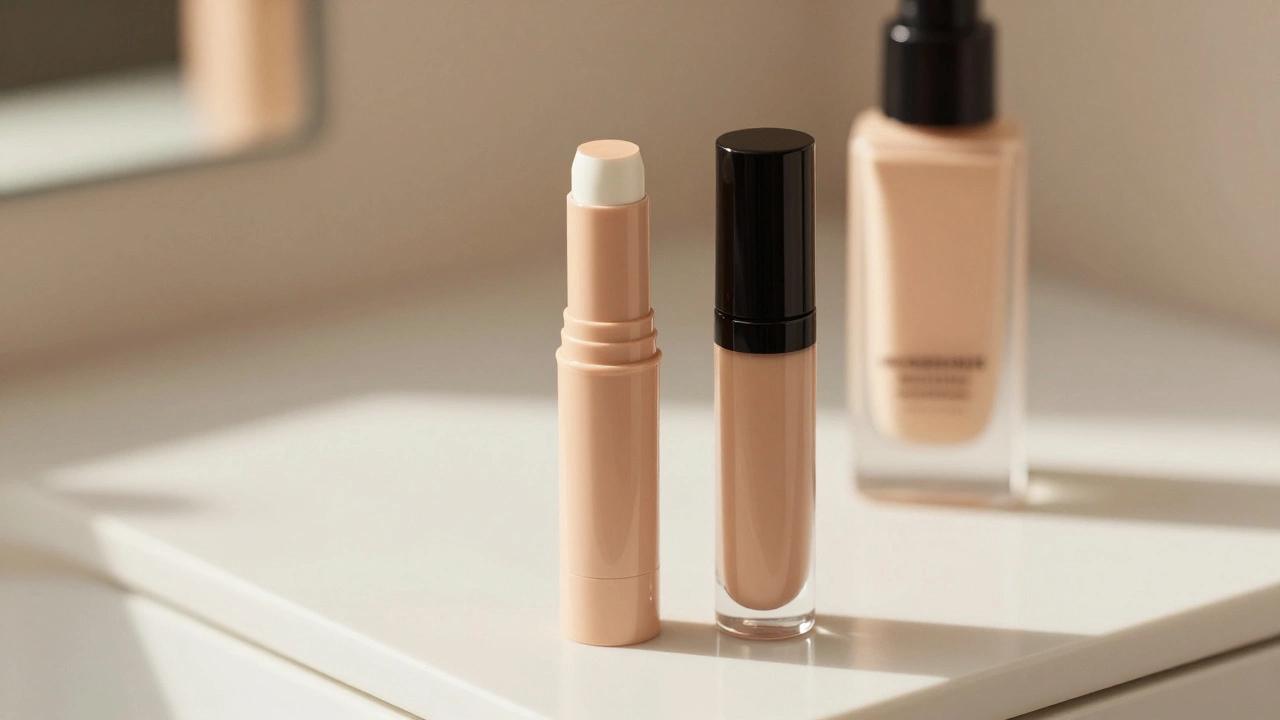
There is one question that never goes away in any makeup discussion: should you apply concealer before or after your base layer? The honest truth is that neither option is universally right. It depends entirely on what you need your makeup to do for your face today. Some days require maximum correction, while other times you just need to hide a small blemish. Understanding the science behind the layers will help you stop second-guessing your routine.
The Standard Rule of Thumb
Most professional artists follow a general hierarchy to build their canvas. Typically, you would apply skincare first, then primer, followed by foundation, and finally concealer. Doing this allows you to gauge exactly how much coverage you still need after the initial layer. If you apply foundation over your concealers, you risk moving the product around or sheering it out, which defeats the purpose of high-coverage correction.
This traditional method works best when your goal is a natural-looking complexion. By mapping out the overall tone of your skin with foundation first, you can spot specific areas that remain dull or dark. You then dab the concealer only where absolutely necessary. This technique prevents the "mask-like" effect that happens when people apply too much product all over their under-eyes before touching base.
When to Break the Rules
While the standard method covers most scenarios, there are specific situations where putting concealer on first makes more sense. This usually involves severe discoloration or pigmentation issues. If you have deep hyperpigmentation or severe redness around acne, applying a color corrector or heavy concealer first ensures the opacity is high enough to neutralize the tone.
- Heavy Pigmentation: Deep brown spots often need two layers of product. Applying a thick coat underneath lets you blend the top layer more easily without disturbing the coverage beneath.
- Tattoos or Scars: These surfaces require camouflage. A layer dedicated to opacity first, followed by a blended foundation, ensures the ink does not show through.
- High Coverage Needs: For stage performance or photography, full coverage is priority number one. Stacking products creates an opaque wall rather than relying on sheer layers.
In these cases, think of the first layer as a primer for color, not just a covering agent. You are essentially painting a white canvas so that your subsequent colors stay true. However, you must be careful not to mix textures. If you use a creamy concealer under a liquid foundation, make sure they are compatible. Mismatched bases can cause slipping, sliding, or cracking throughout the day.
Skin Texture and Finish Compatibility
Your skin type plays a massive role in determining the best order of application. Oily skin tends to produce sebum that breaks down makeup faster. If you apply a thick layer of cream concealer directly onto oily skin before foundation, the oil might lift the product immediately. Instead, setting the concealer with a light dusting of translucent powder before applying foundation can lock it in place.
| Skin Concern | Recommended Order | Reasoning |
|---|---|---|
| Dry / Mature | Foundation Then Concealer | Prevents caking and settling into fine lines |
| Oily / Acne-Prone | Foundation Then Concealer | Controls excess shine; allows targeted spot coverage |
| Dark Circles | Concealer Then Foundation | Better color correction for deep purple tones |
| Normal Skin | Either Works | Flexible depending on coverage preference |
For dry skin, putting foundation first helps hydrate the surface with oils present in the formula. Concealer applied after sits gently on top without needing to push through the same friction. Conversely, those with under-eye bags benefit from placing a colour-correcting peach or orange shade before foundation. This neutralizes blue tones, allowing the foundation to sit evenly without turning grey.

The Role of Color Theory
Making the right decision often comes down to understanding color opposites on the wheel. Blue undertones under the eyes look best neutralized by apricot or salmon shades. If you apply these correctors after a pink-toned foundation, the colors might clash. Applying the corrector first creates a harmonious base layer. Once the color is neutralized, your skin tone matches the rest of your face more seamlessly.
This concept applies heavily to concealer selection. You are not just covering darkness; you are cancelling it out. Many users skip this step because they fear complexity, but it is the secret to making products last longer. When colors oppose each other effectively, you need less product overall. Less product means less likelihood of the makeup breaking up by midday.
Application Tools and Techniques
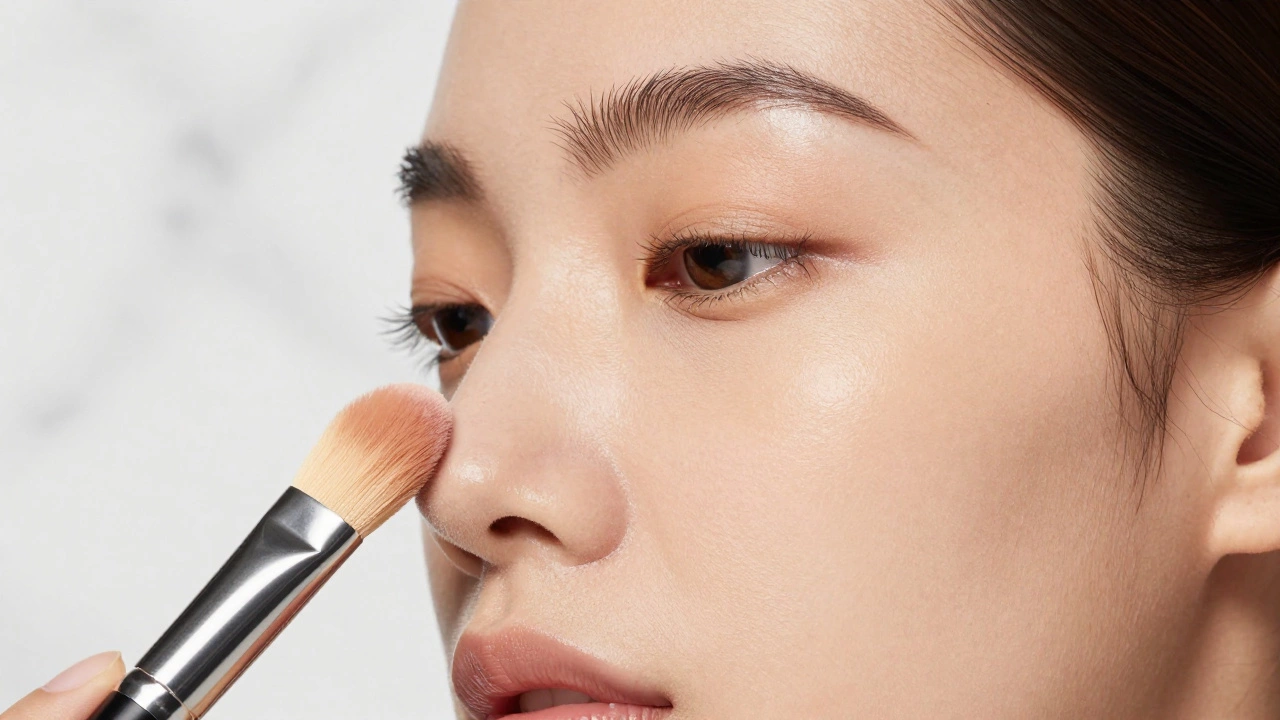
How you blend matters just as much as the order. Using fingers generates heat, which warms the product and helps it melt into the skin. This is excellent for creams but risky for powders. Brushes offer precision but can leave streak marks if not tapped lightly. Sponges, particularly damp ones, press product into the pores rather than sliding over them.
- Beauty Sponges: Ideal for pressing under-eye concealer into fine lines. They absorb excess product, preventing the dreaded "crepe paper" look.
- Precision Brushes:
- Best for spot concealing active breakouts. They allow you to target the center of the inflammation without touching the surrounding inflamed skin.
- Fingers:
- Good for warming up thicker formulas. Avoid rubbing, which irritates the skin.
When switching between steps, clean your tool. Mixing leftover residue from your foundation brush onto your concealer area introduces bacteria and dilutes your coverage. Always wipe your brush clean between product changes to maintain hygiene and color accuracy.
Setting Your Makeup for Longevity
Regardless of the order you choose, locking it in is non-negotiable. Without a setting step, gravity and facial movement will displace your makeup quickly. Lightly dusting powder over the concealer after foundation application helps prevent transfer. However, for dry skin, a setting spray is preferable. It adds hydration back into the mix while keeping the liquid components locked together.
If you did apply concealer before foundation, ensure the first layer is completely dry before applying the next. Wet-on-wet application leads to patchiness. Patience here saves hours of touch-ups later. The goal is a seamless finish where layers merge visually, creating a uniform texture across the entire face.
Troubleshooting Common Issues
You might run into a few problems regardless of the method you try. Creasing under the eyes is the most frequent complaint. This usually stems from applying too much product to thin skin. Try reducing the amount of concealer and focus on the inner corner of the eye where darkness is deepest rather than dragging it all the way out.
Another issue is oxidation. As soon as makeup touches air, it starts changing color. If your foundation looks darker after sitting for an hour, you likely chose a shade too light. This isn't a problem with the order, but rather shade selection. Testing products on your jawline in natural daylight is always more accurate than swatching on your wrist.
Does the order change if I use powder foundation?
Yes. With powder foundations, you should generally apply liquid or cream concealer first. Since you cannot blend powder over wet cream effectively without cake buildup, set your concealer with powder first, then apply your powder foundation over the top.
Can I apply both at the same time?
Some people mix them, but this alters the formula chemistry. Mixing can reduce the wear time of both products. It is better to layer them sequentially for the best longevity and finish.
What if my concealer creases after I apply foundation?
You are likely applying too much product. Remove half of the product on your sponge and pat it out. Ensure your eye cream has fully absorbed before starting your makeup routine.
Is color correcting the same as concealer?
No. Color correctors are highly pigmented to neutralize tones (green for red, orange for blue). Concealers match your skin tone to cover flaws. Often you use corrector first, then concealer.
Should I set my concealer with powder?
If you have oily skin or want all-day hold, yes. Use a finely milled translucent powder to bake or dust lightly. Dry skin types may prefer a setting spray to maintain moisture.
Final Thoughts on Routine Flexibility
Ultimately, your makeup routine should be built around your unique features and daily goals. There is no strict law enforced by beauty gurus that dictates one rigid path. Listen to how your skin feels when you apply products. If the mixture feels tacky or moves around, switch the order. Experimentation is part of finding what works best for your specific biology.
Start with the foundation-first approach as your baseline, then tweak when you notice specific imperfections showing through. Over time, you will develop a feel for exactly how much coverage your skin needs day by day. The right balance gives you confidence without looking painted on.