
Sulfa Drug Ingredient Checker
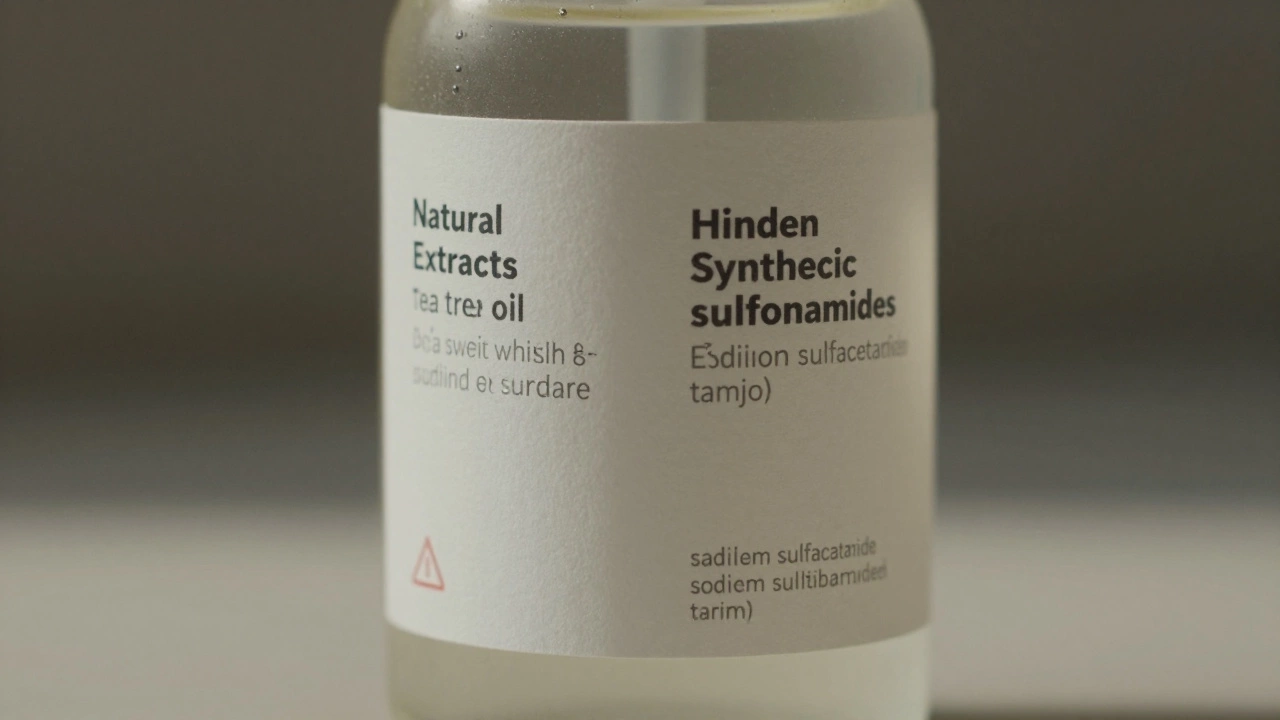
Check if an ingredient is a sulfa drug (sulfonamide) used in skincare products. Sulfa drugs are synthetic antibiotics that shouldn't be in organic skincare products.
Enter an ingredient name above to check if it's a sulfa drug.
When you see "sulfur" or "sulfate" on an organic skincare label, you might assume it’s just another harsh chemical. But what if the real concern isn’t sulfate at all-it’s sulfa drugs? These aren’t the same as sulfates or sulfur, yet they’re often confused. And if you’re using natural skincare products, you might be surprised to learn that some still contain sulfa-based compounds-even ones labeled "organic."
What exactly are sulfa drugs?
Sulfa drugs, or sulfonamides, are a class of synthetic antibiotics first developed in the 1930s. They work by blocking bacteria from making folic acid, which they need to grow. The most common ones are sulfamethoxazole, sulfadiazine, and sulfacetamide. These were once widely used to treat infections-from urinary tract infections to acne. Today, you’ll still find them in prescription topical creams and lotions, especially for acne, rosacea, and minor skin infections.
But here’s the catch: sulfonamides are not naturally occurring. They’re made in labs. That means they don’t belong in truly organic skincare. Organic certification standards-like COSMOS, USDA Organic, or Ecocert-strictly forbid synthetic antibiotics. So if a product claims to be organic and contains a sulfa drug, it’s misleading. You’re not getting nature’s solution. You’re getting a pharmaceutical ingredient disguised as a skincare component.
Why are sulfa drugs in skincare at all?
Sulfacetamide sodium, a sulfa drug, is still used in some acne treatments because it’s effective at killing the bacteria that cause breakouts. It also has mild anti-inflammatory properties. That’s why you’ll find it in products like Sulfacet-R 10% or AcneFree Terminator 10. Some dermatologists still prescribe it for stubborn acne, especially when other treatments fail.
But here’s what most people don’t realize: sulfacetamide isn’t always listed clearly. On ingredient labels, it might appear as "sodium sulfacetamide" or "sulfacetamide sodium." It doesn’t scream "antibiotic"-it sounds like a salt or a preservative. And because it’s used in low concentrations (usually 5-10%), manufacturers argue it’s "not strong enough" to be considered a drug. But that’s not how it works. Even at low doses, it can trigger reactions in sensitive people.
Can you get a sulfa allergy from skincare?
Yes. And it’s more common than you think. A sulfa allergy isn’t about penicillin-like hives. It’s often slower, subtler. People report redness, stinging, peeling, or persistent breakouts after using a product that contains sulfonamides. They think it’s a reaction to fragrance or essential oils-but it’s the sulfonamide.
Studies show that up to 3% of the population has a true sulfa allergy. That’s about 1 in 30 people. And if you’ve ever had a reaction to a sulfa antibiotic like Bactrim or Septra, your risk is much higher. Even if you’ve never had a reaction before, repeated exposure through skincare can sensitize your skin over time.
In 2024, the British Association of Dermatologists reported a 22% increase in contact dermatitis cases linked to sulfonamide-containing topical products over the previous five years. Most patients assumed their skincare was safe because it was "natural" or "dermatologist-tested."
What’s the difference between sulfa drugs, sulfates, and sulfur?
This confusion is everywhere. Let’s clear it up.
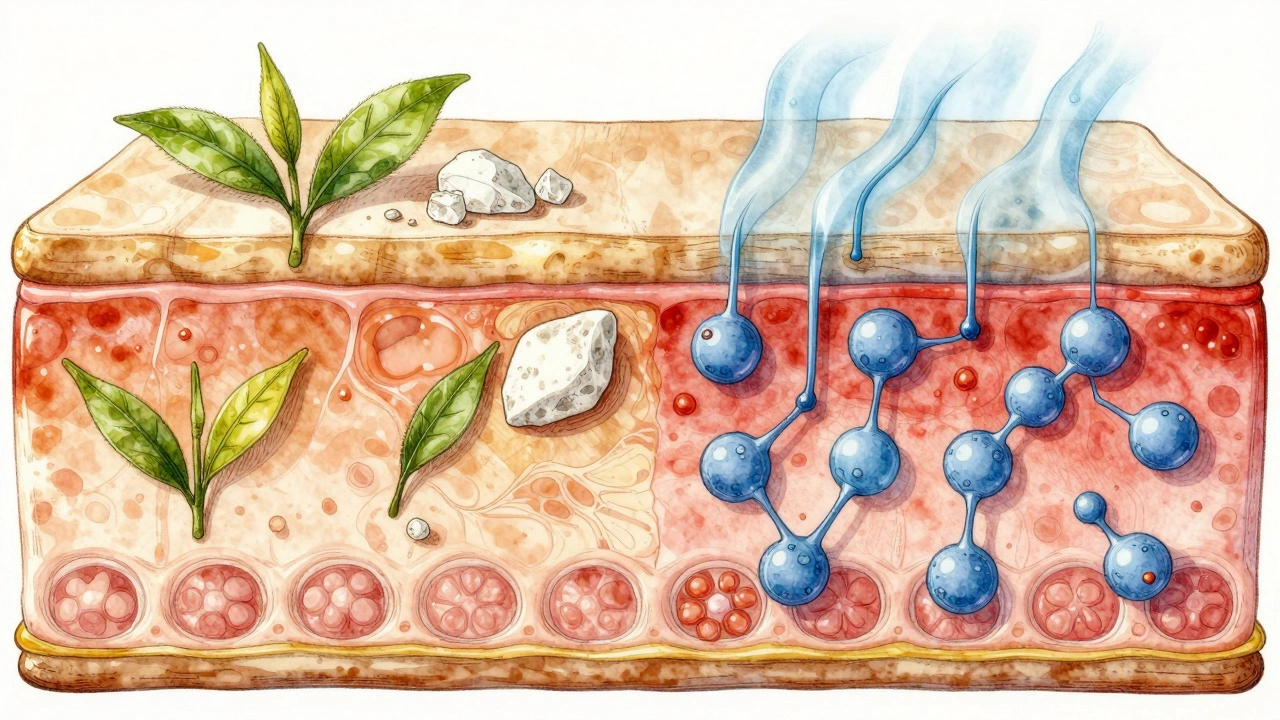
- Sulfa drugs = sulfonamides. Synthetic antibiotics. Found in prescription acne creams. Can cause allergies.
- Sulfates = sodium lauryl sulfate (SLS), sodium laureth sulfate. Foaming agents. Found in cleansers. Irritating, but not allergenic in the same way.
- Sulfur = natural element. Used in masks and spot treatments for acne. Non-allergenic for most people. Has antibacterial and keratolytic properties.
They’re chemically unrelated. Sulfur is an element. Sulfates are surfactants. Sulfa drugs are antibiotics. But because they all start with "sulf," people lump them together. That’s dangerous. If you’re avoiding sulfa drugs, you don’t need to avoid sulfur. And you don’t need to avoid sulfates unless you have sensitive skin.
How to spot sulfa drugs in skincare ingredients
You need to read labels like a pharmacist. Look for these exact names:
- Sodium sulfacetamide
- Sulfacetamide
- Sulfadiazine
- Sulfamethoxazole
- Sulfisoxazole
They’re rarely listed as "sulfa"-that’s not a legal ingredient name. They’re always listed as their full chemical names. If you see any of these, stop. Even if the product says "organic," "natural," or "dermatologist-recommended."
Also watch out for products that say "antibacterial" or "acne-fighting" without listing ingredients clearly. That’s a red flag. Legitimate organic brands don’t need to hide what’s in their formula.
What should you use instead?
If you’re looking for acne-fighting ingredients that are safe for sensitive skin and truly organic, here are proven alternatives:
- Tea tree oil (5-10% concentration): A 2023 study in the Journal of Clinical and Aesthetic Dermatology found it as effective as 5% benzoyl peroxide for mild acne-with fewer side effects.
- Sulfur (3-10%): Works by drying out excess oil and reducing bacteria. Doesn’t cause antibiotic resistance.
- Salicylic acid (from willow bark): A natural beta hydroxy acid that unclogs pores. Approved by organic certifiers.
- Zinc PCA: A mineral derivative that regulates sebum and calms inflammation.
- Green tea extract: Rich in antioxidants, reduces redness and bacterial growth.
Brands like Herbivore Botanicals, Dr. Hauschka, and True Botanicals use these ingredients and avoid all sulfonamides. They’re certified organic and transparent about their sourcing.
What if you’ve been using sulfa drugs in your skincare?
If you’ve been using a product with sodium sulfacetamide and noticed irritation, redness, or worsening acne, stop immediately. Don’t wait for a full-blown reaction. Switch to a sulfur-based or tea tree oil treatment. Give your skin 2-4 weeks to reset. You might see breakouts at first-that’s your skin adjusting. But within a month, most people report calmer, clearer skin.
Keep a skincare journal. Note what you use and how your skin reacts. If you’ve had a reaction to sulfa antibiotics in the past, avoid any product with sulfonamides-even if it’s "topical" and "low dose." Your skin remembers.
Organic doesn’t mean safe by default
Just because a product is labeled "organic" doesn’t mean it’s free of synthetic drugs. The term "organic" in skincare is loosely regulated in many countries. In the U.S., for example, the USDA doesn’t regulate skincare the way it does food. So a product can say "95% organic" and still contain sulfonamides if they’re in the other 5%.
Always check for third-party certifications: COSMOS, Ecocert, or USDA Organic. These require full ingredient transparency and ban synthetic antibiotics. If it doesn’t have one, assume the worst.
And if you’re unsure? Contact the brand. Ask: "Does this product contain any sulfonamide compounds?" If they hesitate, dodge, or say "it’s just a preservative," walk away.
Bottom line
Sulfa drugs have no place in organic skincare. They’re synthetic antibiotics, not natural ingredients. Even in small amounts, they can trigger allergic reactions, disrupt your skin’s microbiome, and contribute to antibiotic resistance. If you’re choosing organic skincare to avoid toxins, you’re missing the point if you’re still exposing your skin to pharmaceuticals.
Read labels. Know the names. Trust certifications over marketing. And remember: true organic skincare doesn’t need antibiotics to work. Nature gives us plenty of better options.