
Cruelty-Free Lip Balm Verifier
Select a brand to reveal its cruelty-free profile.
Walking down the skincare aisle can feel like a minefield when you’re trying to avoid animal testing. You pick up a tube of Lip Balm is a cosmetic product designed to moisturize and protect the lips from environmental factors such as wind and cold. that looks perfect, only to realize later it was tested on mice in a lab. It’s frustrating, especially since many big-name brands still operate under the radar regarding their ethical standards. If you want to keep your paws (and lips) safe, knowing exactly which brands have cut ties with animal testing is key.
Why "Cruelty-Free" Claims Can Be Misleading
Before we jump into specific brands, let’s clear up a common confusion. The term "cruelty-free" isn’t legally regulated in most countries, including the UK and the US. This means a brand can slap that label on their packaging even if they sell in markets where animal testing is mandatory by law, such as mainland China. However, regulations have shifted recently, allowing more foreign companies to enter China without mandatory animal testing, provided they meet certain Good Manufacturing Practice (GMP) standards. Still, vigilance is required.
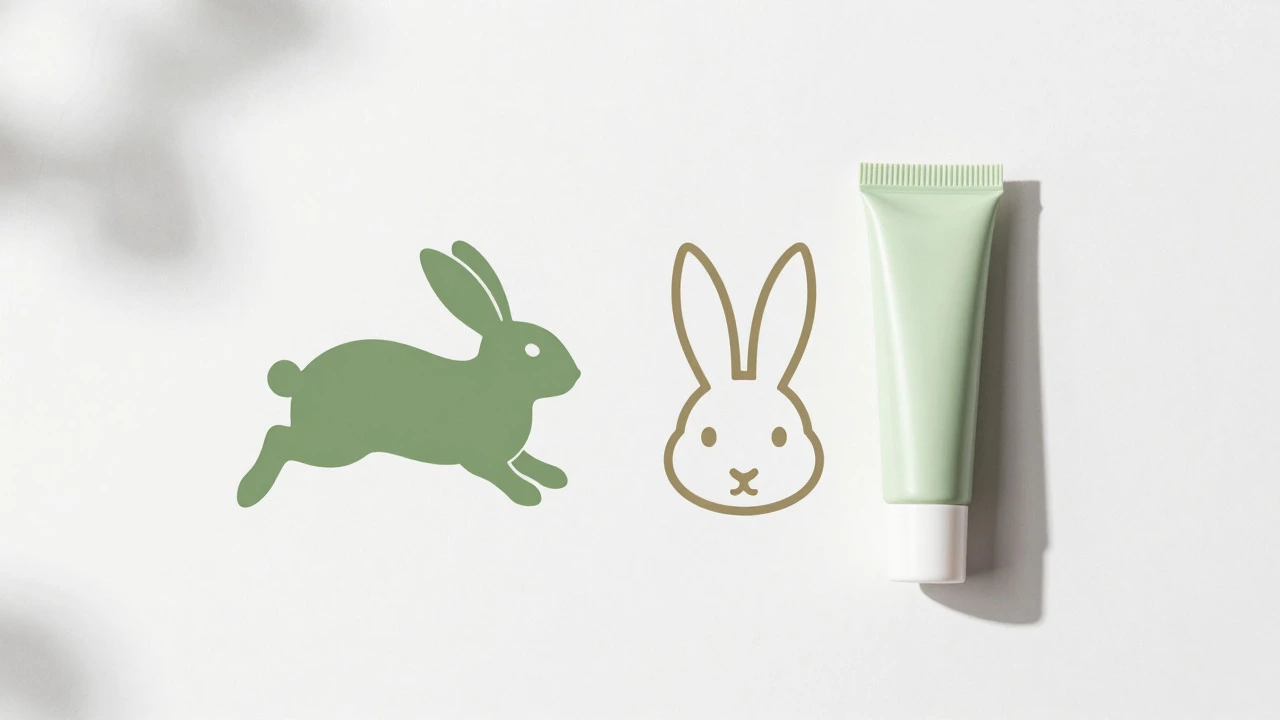
To be truly confident, look for third-party certifications. The two gold standards are Leaping Bunny is the world's leading cruelty-free certification program that verifies brands do not test finished products or ingredients on animals anywhere in the world. and PETA Beauty Without Bunnies is a certification program by People for the Ethical Treatment of Animals that identifies brands committed to ending animal testing.. These organizations audit supply chains, not just final products, ensuring that no ingredient suppliers use animal testing either.
Top Certified Cruelty-Free Lip Balm Brands
Here are some reliable options that have passed rigorous audits. These brands don’t just say they’re ethical; they prove it.
- Burt’s Bees: A household name that has been Leaping Bunny certified since 2015. Their classic beeswax formula is iconic for a reason. Note: While the parent company Clorox is large, Burt’s Bees maintains strict independent oversight for its cruelty-free status. They also offer vegan options, though some contain beeswax.
- Weleda: Known for natural and biodynamic cosmetics, Weleda is certified by both Leaping Bunny and PETA. Their Almond Lip Care is a favorite for those who prefer gentle, plant-based ingredients without synthetic fragrances.
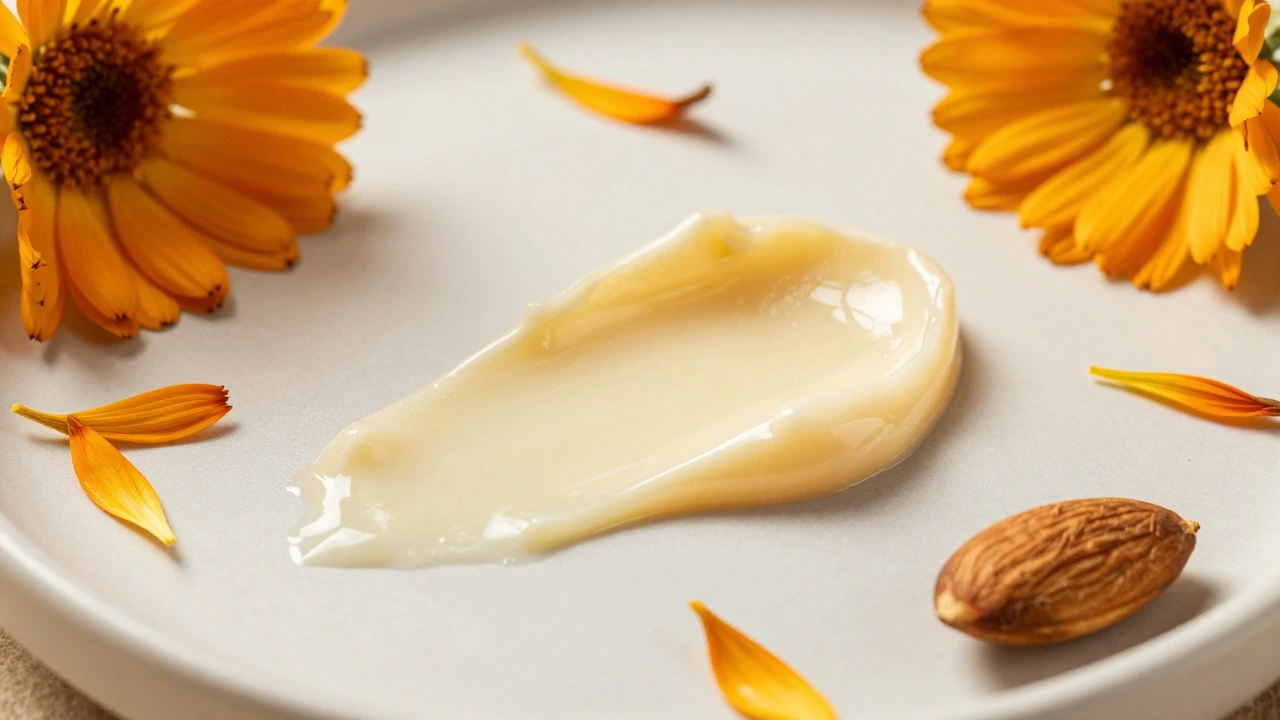
- Dr. Hauschka: This German brand focuses on biodynamic farming and natural ingredients. They hold Leaping Bunny certification, ensuring their entire supply chain is free from animal tests. Their lip care products often feature calendula and shea butter.
- Aveeno: Owned by Johnson & Johnson, Aveeno might surprise you. Despite being part of a large conglomerate, Aveeno has maintained its Leaping Bunny certification. Their Oat Lip Relief is highly effective for cracked lips due to its colloidal oatmeal content.
- The Ordinary: Part of the DECIEM group, The Ordinary is fully cruelty-free and vegan-friendly. While famous for serums, their Hyaluronic Acid 2% + B5 Lip Mask is a cult favorite. They are certified by PETA and maintain transparent sourcing practices.
| Brand | Certification | Vegan Option? | Key Ingredient | Price Range (USD) |
|---|---|---|---|---|
| Burt’s Bees | Leaping Bunny | Yes (Select lines) | Beeswax | $3 - $6 |
| Weleda | Leaping Bunny / PETA | No (Contains Beeswax) | Almond Oil | $8 - $12 |
| Dr. Hauschka | Leaping Bunny | No (Contains Beeswax) | Calendula | $10 - $15 |
| Aveeno | Leaping Bunny | Yes | Oatmeal | $4 - $7 |
| The Ordinary | PETA | Yes | Hyaluronic Acid | $5 - $9 |
Understanding Vegan vs. Cruelty-Free
It’s easy to mix these terms up, but they aren’t the same. Cruelty-free means no animal testing. Vegan means no animal-derived ingredients. A product can be cruelty-free but not vegan (like Burt’s Bees with beeswax), or vegan but not necessarily cruelty-free (if the brand tests on animals). For the most ethical choice, look for products that are both. Brands like Tatcha is a Japanese-inspired luxury skincare brand known for its clean, cruelty-free, and often vegan formulations. and RMS Beauty is a pioneer in organic, non-toxic, and cruelty-free cosmetics, offering a wide range of vegan lip balms. offer extensive ranges that check both boxes.
How to Verify a Brand’s Status Yourself
If you come across a new brand you love, don’t just trust the label. Here is a quick checklist to verify their claims:
- Check for Logos: Look for the Leaping Bunny rabbit logo or the PETA bunny logo on the packaging or website footer.
- Visit the Official Website: Most ethical brands have a dedicated "Ethics" or "Sustainability" page detailing their policy. If it’s vague, dig deeper.
- Use Databases: Websites like Logical Harvest or the Leaping Bunny official database allow you to search specific brands. These databases are updated regularly as policies change.
- Contact Customer Service: If in doubt, email them. Ask specifically: "Do you or your suppliers test on animals? Do you sell in markets where animal testing is mandatory by law?"
Common Pitfalls to Avoid
Even well-intentioned shoppers can make mistakes. One big trap is assuming that because a brand is "natural," it must be cruelty-free. Many small indie brands start strong but may compromise when they expand into international markets. Always re-verify before buying, especially if it’s been a few years since you last checked.
Another pitfall is ignoring subsidiary brands. If a parent company owns multiple brands, one might be cruelty-free while another isn’t. For example, Lush is famously cruelty-free, but not all brands under the same corporate umbrella share this status. Stick to the specific brand name you are purchasing, not the parent company’s general reputation.
Frequently Asked Questions
Is Nivea lip balm cruelty-free?
Generally, no. While Nivea has made strides in reducing animal testing, it is not currently certified by Leaping Bunny or PETA globally. Because it sells in mainland China where mandatory testing can still occur for certain categories, it is safer to choose certified alternatives if avoiding animal testing is your priority.
What is the difference between Leaping Bunny and PETA certification?
Both are reputable, but Leaping Bunny is considered stricter. Leaping Bunny requires an annual recommitment and audits the entire supply chain, including ingredient suppliers. PETA’s program is self-reported by the brand and does not require ongoing annual audits, though they do monitor compliance. Many experts recommend prioritizing Leaping Bunny for the highest level of assurance.
Are drugstore lip balms usually cruelty-free?
Not always. Major drugstore brands like ChapStick and Carmex vary in their status. ChapStick, owned by Church & Dwight, is not certified cruelty-free. However, brands like Aveeno and Eucerin (under Beiersdorf) have achieved certification. Always check the specific brand rather than assuming all drugstore items are ethical.
Does selling in China mean a brand tests on animals?
Not necessarily anymore. Since 2021, China relaxed laws allowing imported cosmetics to bypass mandatory animal testing if they are manufactured in GMP-certified facilities. However, if a product is classified as "special use" or if random inspections occur, testing may still happen. Certified brands like Leaping Bunny ensure they have protocols to minimize this risk or avoid these categories entirely.
What are some affordable cruelty-free lip balm options?
You don’t need to spend a fortune. Burt’s Bees and Aveeno are widely available at major retailers like Boots or Superdrug for under £5. The Ordinary offers high-quality ingredients at very low price points. Local pharmacy brands like Boots own-brand sometimes carry certified lines, so check the packaging for logos.