
Cruelty-Free Status Checker
Test your knowledge or check specific brands by answering three key questions about their practices.
Select answers above and click "Check Status" to see the verdict.
You’re standing in the aisle at your local drugstore, holding a bottle of Olay Regenerist Micro-Sculpting Cream. You want the glowing skin promise, but you also want to sleep well at night knowing no rabbits were harmed for your moisturizer. It’s a common dilemma. If you’ve ever wondered, "Does Olay test on animals?", you aren’t alone. The answer isn’t a simple yes or no-it’s a messy mix of corporate policy, legal requirements, and consumer definitions.
Here is the short version: Olay states they do not test their products on animals unless required by law. Because they sell in mainland China, where animal testing laws have historically been strict, many cruelty-free advocates consider them non-compliant. But the landscape is shifting fast. Let’s break down exactly what happens behind the scenes, who owns the brand, and whether you can actually call Olay cruelty-free in 2026.
The Core Policy: What Does Olay Actually Say?
When you check Olay’s official stance, they claim they are committed to ending animal testing globally. They state that they don’t test finished products or ingredients on animals unless governments require it. This sounds good on paper. However, that phrase "unless required by law" is the catch-all loophole that trips up most ethical shoppers.
Olay is owned by Procter & Gamble (P&G) a multinational consumer goods corporation headquartered in Cincinnati, Ohio. P&G has invested heavily in alternative testing methods, such as lab-grown human skin models. They argue these methods are more accurate than animal tests. But accuracy doesn’t always override regulation. If a country mandates animal safety checks for imported cosmetics, Olay complies. That compliance is why organizations like PETA People for the Ethical Treatment of Animals often list brands with this policy as "Testing Required" rather than fully "Cruelty-Free."
The China Factor: Why Location Matters More Than Intent
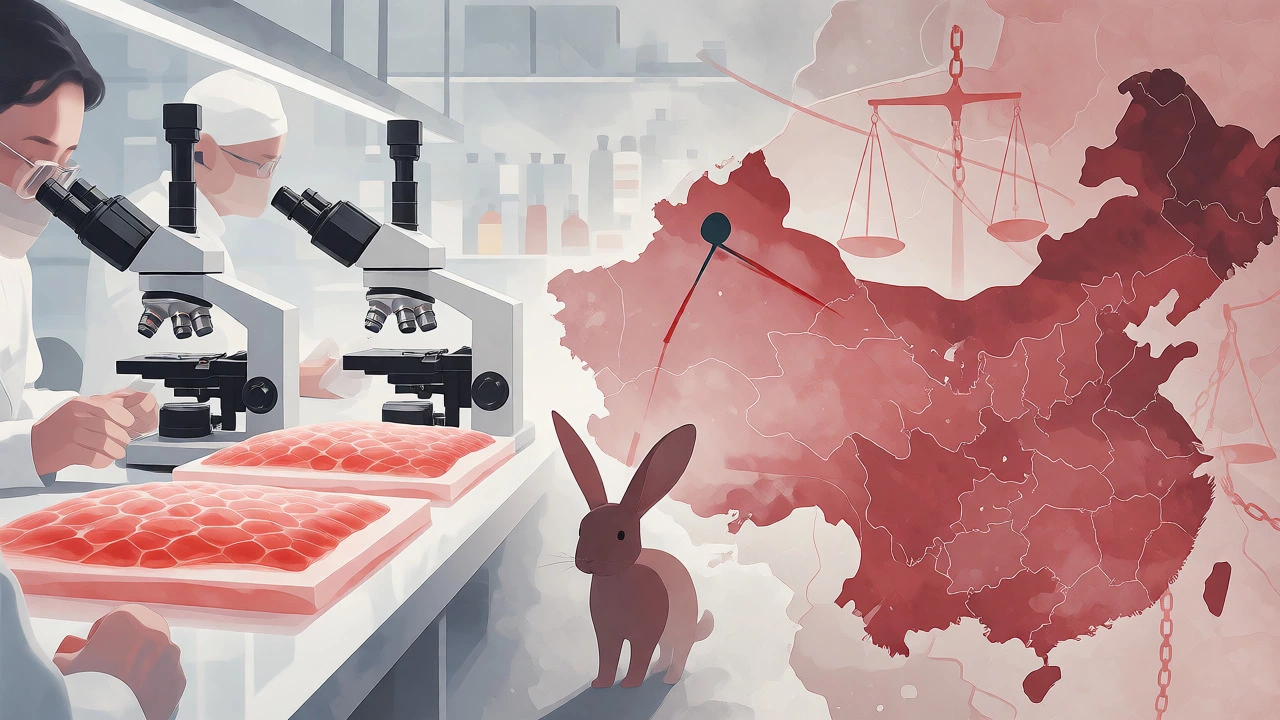
To understand if Olay is truly cruelty-free, you have to look at where they sell. Mainland China has long been a sticking point for global beauty brands. For years, Chinese regulations required mandatory animal testing for all imported "ordinary" cosmetics. While recent updates have relaxed some rules for "general" cosmetics (like shampoos and lotions), post-market testing risks remain. This means even if a product passes initial checks without animals, authorities can still pull samples from shelves and test them on animals later.
Olay sells widely in China. This market presence forces them into a gray area. Unlike brands that refuse to enter the Chinese market specifically to maintain their status, Olay prioritizes global reach. For many consumers, this trade-off disqualifies them from being considered cruelty-free. If you buy Olay in Brighton, England, you might think you’re safe because UK/EU bans on animal testing are strict. But your money supports a global operation that funds testing regimes elsewhere.
Certifications: Who Vouches for Olay?
If you want peace of mind, look for third-party certifications. These logos mean an independent auditor has checked the supply chain. Here is how Olay stacks up against the major players:
| Certification Body | Requirement | Olay Status |
|---|---|---|
| Leaping Bunny | No animal testing at any stage; no selling in countries requiring testing. | Not Certified |
| PETA Beauty Without Bunnies | Company must sign a pledge; may allow sales in China under specific conditions. | Listed as 'Testing Required' |
| Choose Cruelty Free (CCF) | Strict audit; no animal testing for 5+ years; no selling in China. | Not Certified |
The lack of Leaping Bunny certification is significant. Leaping Bunny is widely regarded as the gold standard because they don’t accept the "selling in China" exception. Since Olay lacks this badge, purists usually skip them. PETA’s listing is less strict, which is why you’ll sometimes see conflicting information online. Always check which logo is on the bottle-or lack thereof.
Is Olay Vegan? A Different Question Entirely
Don’t confuse "cruelty-free" with "vegan." These terms get mixed up constantly. Cruelty-free refers to animal testing. Vegan refers to ingredients. Even if a brand doesn’t test on animals, their products might contain beeswax, lanolin, or carmine (red pigment from beetles).
Olay is not a vegan brand. Many of their formulations include glycerin, which can be plant-based or animal-derived, and other derivatives like collagen or keratin. Unless a specific product explicitly says "Vegan," assume it contains animal by-products. So, even if you overlook the testing issue, you might still need to scan ingredient lists if you follow a vegan lifestyle.
The Parent Company Problem: Does P&G Ruin It?
Some shoppers practice a "holistic" approach. They won’t buy a cruelty-free product if the parent company tests on animals. This is known as the "parent company rule." Since Procter & Gamble owns dozens of brands that do test on animals (like Head & Shoulders or Gillette in certain markets), buying Olay puts money back into a conglomerate that profits from animal testing.
However, others argue that supporting brands investing in alternatives helps shift the industry. P&G spends millions on developing non-animal testing methods. By buying Olay, you support that R&D. It’s a philosophical choice. Do you punish the brand for its parent’s sins, or reward it for incremental progress? There is no right answer, only your personal threshold for compromise.
Better Alternatives for the Conscious Consumer
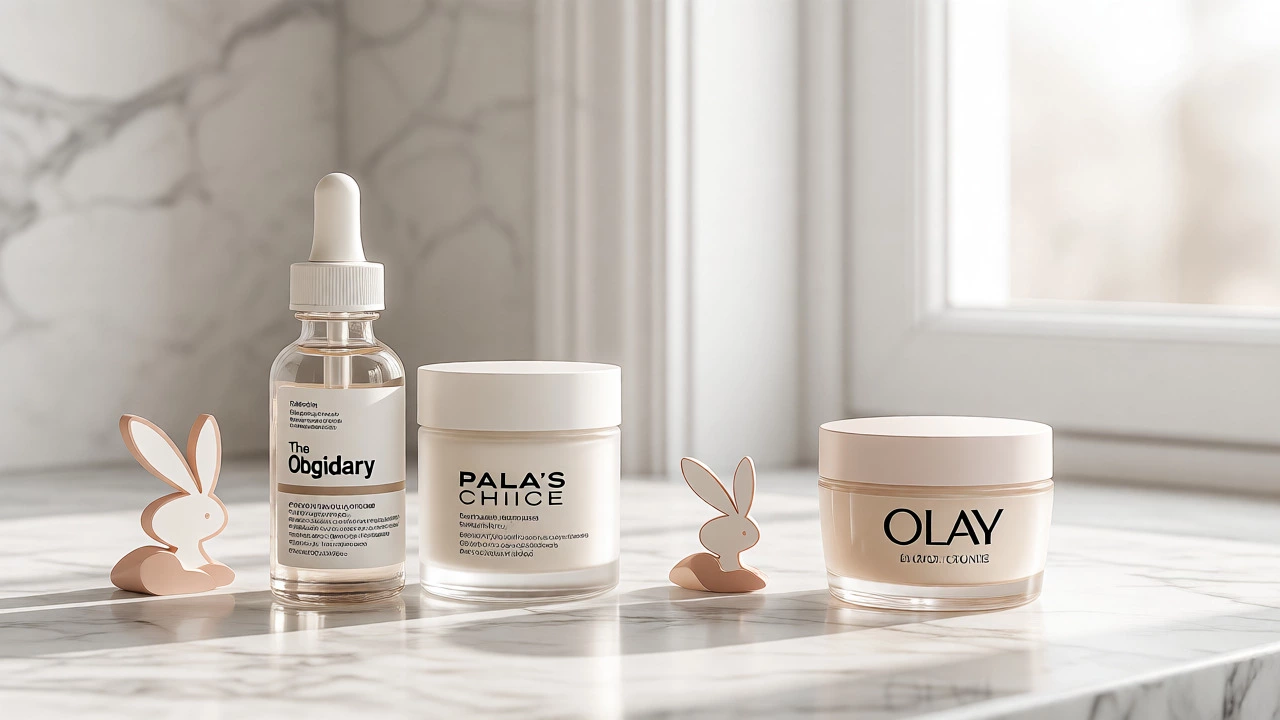
If the Olay situation leaves you uneasy, plenty of high-performing alternatives exist. These brands are certified by Leaping Bunny and avoid the China loophole entirely.
- The Ordinary A Canadian skincare brand known for clinical formulations and affordability: Owned by DECIEM, they are fully cruelty-free and offer potent serums comparable to luxury anti-aging creams.
- Paula’s Choice An American skincare brand founded by Paula Begoun: Highly respected for evidence-based formulas and strict adherence to cruelty-free standards.
- Rose-Inc A UK-based brand focused on clean, vegan, and cruelty-free skincare: Great for those wanting a natural angle without sacrificing efficacy.
- Eucerin A German dermatological skincare brand: Note: Eucerin’s status varies by region and ownership changes, so always double-check current certifications before buying.
Final Verdict: Can You Call Olay Cruelty-Free?
It depends on your definition. If you define cruelty-free as "no animal testing anywhere, ever," then no, Olay is not cruelty-free. Their willingness to pay for government-mandated tests in China disqualifies them from the strictest lists.
But if you believe in gradual change and support companies moving away from traditional methods, you might view Olay as "transitional." They aren’t perfect, but they aren’t the worst offenders either. For most people looking for a genuinely ethical purchase, though, there are better options available at similar price points.
Does Olay test on animals in 2026?
Olay does not conduct animal testing themselves, but they allow it when required by law, particularly in mainland China. Therefore, they are not considered fully cruelty-free by strict standards like Leaping Bunny.
Is Olay owned by a cruelty-free parent company?
No. Olay is owned by Procter & Gamble (P&G), a large corporation that sells many brands which do test on animals where required by law.
Are all Olay products vegan?
No. Most Olay products contain animal-derived ingredients such as glycerin, lanolin, or carmine. You must check individual labels for vegan claims.
Why does selling in China affect cruelty-free status?
Mainland China has historically required animal testing for imported cosmetics. While regulations are evolving, the risk of post-market animal testing remains, preventing brands from claiming full cruelty-free status while selling there.
What is the difference between PETA and Leaping Bunny?
Leaping Bunny is stricter and requires no animal testing at any stage and no sales in countries mandating it. PETA allows brands to sell in China under certain conditions, making their "cruelty-free" label less rigorous.