
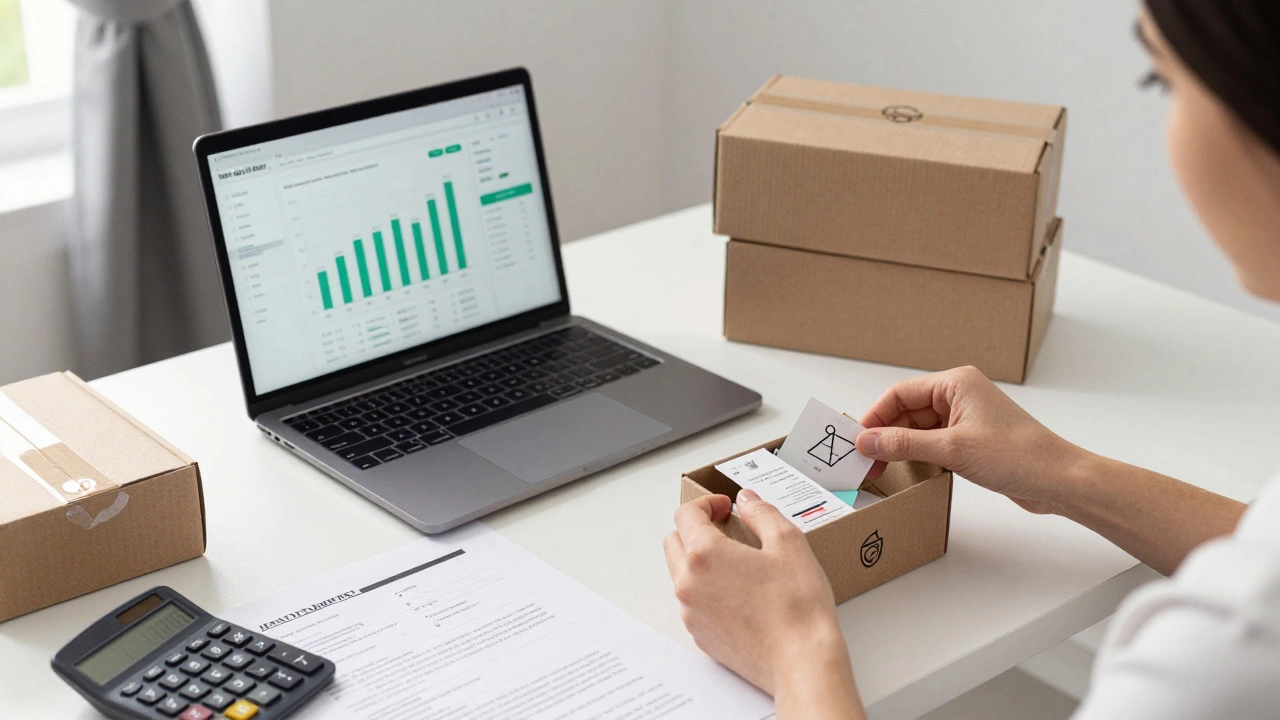
Subscription Box Startup Cost & Break-Even Calculator
Your Business Parameters
Financial Projection
Boxes needed to cover initial investment:
0 Boxes
At this volume, you have recovered your startup costs. Every box after this is pure profit.
Starting a subscription box business is a recurring revenue model where customers pay a fixed fee for curated products delivered regularly feels like the holy grail of e-commerce. You get predictable income, loyal customers, and the thrill of unboxing. But before you order your first batch of branded boxes or hire a designer, you need to look at the cold, hard numbers. How much does it actually cost to launch? The answer isn't a single number; it’s a range that depends entirely on whether you’re bootstrapping from your bedroom or building a brand with venture capital.
In 2026, the barrier to entry has lowered due to better technology, but the cost of customer acquisition has skyrocketed. If you are looking into niche markets, such as the specific directories found at this resource, you might see how specialized audiences require tailored approaches. For a standard beauty subscription box, however, the math is universal. Let’s break down every dollar you’ll spend before you ship your first box.
The Hidden Costs Before You Ship Anything
Most entrepreneurs focus on the product cost and miss the "silent killers" of startup budgets: legal, branding, and software. These are one-time or monthly fixed costs that exist regardless of whether you have ten subscribers or ten thousand.
Legal and Administrative Setup: You cannot run a subscription business without proper legal protection. In the UK, registering a limited company costs around £12. However, you also need terms of service, privacy policies, and cancellation clauses that comply with consumer rights laws. A freelance lawyer or a reputable online legal service will charge between £300 and £800 for this. Do not skip this. Subscription fraud and chargebacks are real risks, and weak terms will leave you vulnerable.
Branding and Design: Your box is your billboard. If it looks cheap, people churn. You need a logo, packaging design, and an unboxing experience that encourages social media sharing. DIY tools like Canva are free, but professional graphic designers on platforms like Fiverr or Upwork can charge $500-$1,500 for a complete brand identity package. This includes the box design, insert cards, and sticker assets.
Website and Tech Stack: You need a platform that handles recurring billing seamlessly. Shopify Plus is expensive for beginners, so most startups use Shopify Basic ($39/month) combined with a subscription app like Recharge or Skio. These apps typically charge a base fee (around $10-$50/month) plus a transaction fee. Expect to spend about $50-$100 in the first month for domain registration, theme customization, and app subscriptions.
Product Sourcing and Inventory Costs
This is where the bulk of your capital goes. For a beauty subscription box is a monthly delivery of cosmetics, skincare, or hair care products, margins are tight because beauty products have high perceived value but vary wildly in wholesale cost.
You have two main sourcing strategies:
- Wholesale Buying: You buy full-size products from brands at a discount. To get decent margins, you need to buy in bulk. A minimum order quantity (MOQ) might be 50-100 units per product. If you want five different products in your box, that’s 250-500 units upfront. At an average wholesale cost of $10 per product, that’s $2,500-$5,000 just for inventory.
- Private Labeling: You create your own branded products. This requires even higher MOQs (often 500+ units per SKU) and manufacturing fees. Initial investment here can easily exceed $10,000.
A smart middle ground for 2026 is curated samples. Many beauty brands offer sample-sized products at low costs. You can source these for $1-$3 each. If your box contains five samples, your Cost of Goods Sold (COGS) is only $5-$15. This lowers your risk significantly but may affect customer perception if they expect full-size items.
Fulfillment and Shipping: The Logistics Nightmare
Shipping is the most complex part of the equation. You are not just paying for postage; you are paying for labor, packaging materials, and returns.
| Cost Item | Per Unit Cost | Total for 100 Boxes |
|---|---|---|
| Custom Printed Box | $1.50 - $3.00 | $150 - $300 |
| Fillers & Inserts (tissue, stickers) | $0.50 | $50 |
| Domestic Shipping (US/UK) | $4.00 - $7.00 | $400 - $700 |
| Labor (Packing time) | $2.00 (if self-packed) | $200 |
| Total Fulfillment | $8.00 - $12.50 | $800 - $1,250 |
If you outsource fulfillment to a third-party logistics (3PL) provider, they will charge storage fees and pick-and-pack fees. This adds another $3-$5 per box. For a startup, packing yourself in your garage or home office is the best way to save money initially. Just remember to factor in your own time as a cost.
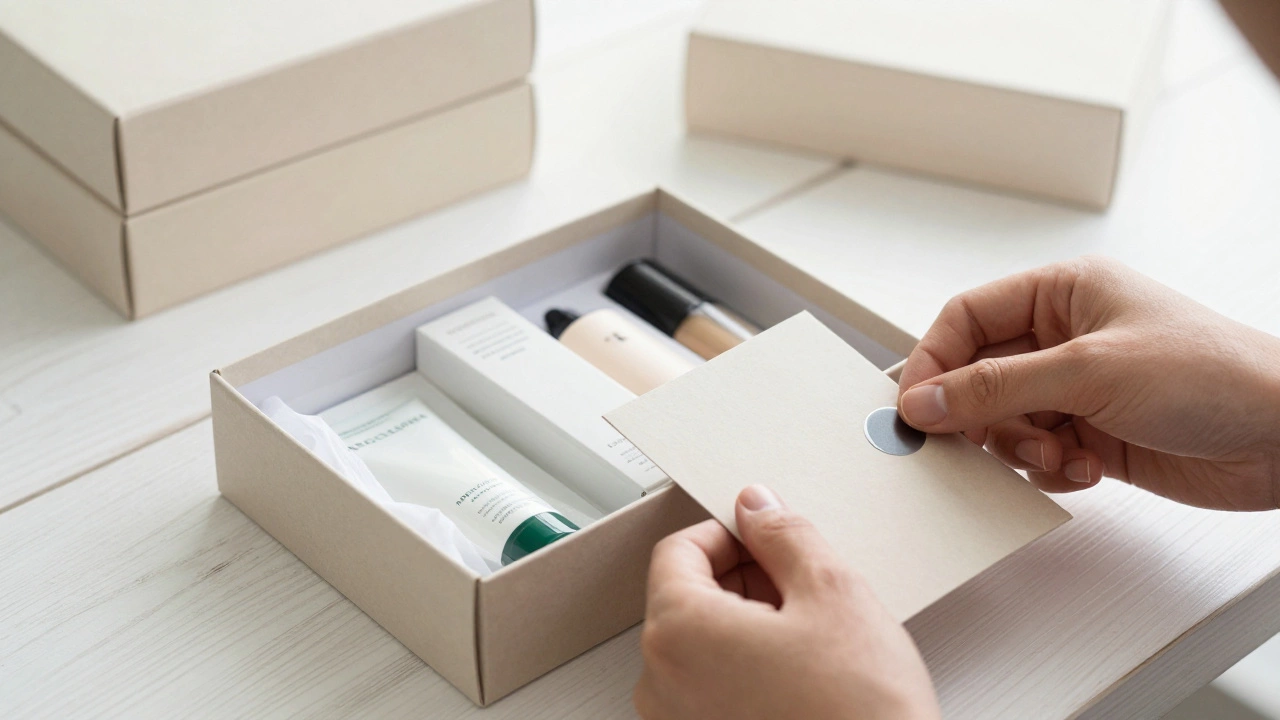
Marketing and Customer Acquisition
You can have the best box in the world, but if no one knows about it, you’re out of business. Marketing is an ongoing expense, not a one-time startup cost. However, you need an initial budget to generate your first 100-500 customers.
In 2026, organic social media growth is slower than ever. Paid ads are necessary. Here’s a realistic breakdown:
- Influencer Seeding: Send free boxes to micro-influencers (10k-50k followers). Cost: Product + Shipping = ~$20 per influencer. Send to 20 influencers = $400.
- Paid Social Ads (Meta/TikTok): Expect a Cost Per Acquisition (CPA) of $30-$60 for a subscription customer. To get 100 customers, you might spend $3,000-$6,000 on ads in the first few months.
- Email Marketing Tools: Klaviyo or Mailchimp. Free tiers exist, but as you grow, expect to pay $20-$50/month.
A common mistake is underestimating churn. Beauty subscription boxes often have a churn rate of 5-10% per month. This means you must constantly acquire new customers just to stay flat. Your marketing budget should never drop below 20-30% of your monthly revenue.
Total Startup Cost Scenarios
Let’s put it all together. What is the total cash required to open your doors?
Scenario A: The Lean Bootstrapper
You use sample-sized products, pack boxes yourself, and rely heavily on organic social media and influencer seeding rather than paid ads.
- Legal/Admin: £100 (~$130)
- Branding/DIY: $100
- Website/Apps (Month 1): $100
- Inventory (100 boxes @ $10 COGS): $1,000
- Packaging Materials: $200
- Initial Marketing (Seeding only): $400
- Total: ~$1,930
Scenario B: The Professional Launch
You sell full-size products, hire a designer, use a basic 3PL for shipping, and run paid ad campaigns.
- Legal/Admin: $500
- Branding/Design: $1,500
- Website/Apps (Month 1): $200
- Inventory (100 boxes @ $30 COGS): $3,000
- Packaging Materials: $500
- Initial Marketing (Ads + Seeding): $4,000
- Total: ~$9,700
So, realistically, you need between $2,000 and $10,000 to start properly. If you have less than $2,000, consider starting with a pre-order model where customers pay before you buy inventory. This eliminates inventory risk entirely.

How to Lower Your Costs in 2026
The market is crowded, so efficiency is key. Here are three tactics to keep your burn rate low:
- Niche Down Hard: Don’t do "Beauty." Do "Vegan Skincare for Sensitive Skin" or "K-Beauty for Men." Narrow niches have lower competition and cheaper ad costs because your targeting is precise.
- Use Pre-Orders: Launch with a landing page. Collect emails and take payments for the first three months before buying any stock. Use that cash to fund your inventory. This is the safest way to validate demand.
- Partner with Emerging Brands: Big brands won’t give you good rates. Find small, indie beauty brands that want exposure. They may provide products at cost or even for free in exchange for featuring them in your box.
When Will You Break Even?
Profitability isn’t immediate. Most subscription box businesses take 6-12 months to break even. Why? Because your early customers are acquired through expensive ads, and your operational inefficiencies (packing mistakes, shipping errors) are high.
To calculate your break-even point, use this formula:
Break-Even Point (in boxes) = Fixed Monthly Costs / (Average Revenue Per User - Variable Cost Per Box)
If your fixed costs (website, software, salaries) are $1,000/month, your average revenue per user (ARPU) is $30, and your variable cost (product + shipping + packaging) is $15, then:
1,000 / (30 - 15) = 66 boxes.
You need to sell 66 boxes a month just to cover your costs. Every box after that is profit. Keep this number in mind when setting your pricing. Never price your box below what allows for a healthy margin after all hidden costs are accounted for.
What is the cheapest way to start a subscription box business?
The cheapest method is the pre-order model combined with sample-sized products. By collecting payment before purchasing inventory, you eliminate the risk of unsold stock. Using samples reduces your Cost of Goods Sold (COGS) to under $10 per box, allowing you to launch with less than $2,000 in total capital.
Do I need to hold inventory for my subscription box?
Not necessarily. While holding inventory gives you more control over timing and quality, many successful startups begin with dropshipping or direct-from-brand partnerships. However, for a curated box experience, holding some inventory ensures consistency and faster shipping times, which reduces churn.
How much should I charge for a beauty subscription box?
Pricing depends on your niche and product value. Most beauty boxes range from $25 to $50 per month. Ensure your price covers the product cost, shipping, packaging, and marketing while leaving a 20-30% profit margin. Higher-priced boxes should include full-size luxury items to justify the cost.
What are the biggest financial risks for subscription box startups?
The primary risks are high customer acquisition costs (CAC) and rapid churn. If you spend $50 to acquire a customer who cancels after two months, you lose money. Additionally, unexpected spikes in shipping rates or supply chain disruptions can erode thin margins quickly.
Can I start a subscription box business with no money?
Technically, yes, but it is extremely difficult. You would need to rely entirely on organic social media growth and pre-orders to fund initial operations. Without any budget for advertising or professional branding, growth will be slow, and competition from funded startups is fierce.