
Ethical Beauty Product Checker
Use this tool to analyze a product's claims and find out its true ethical status.
Verdict:
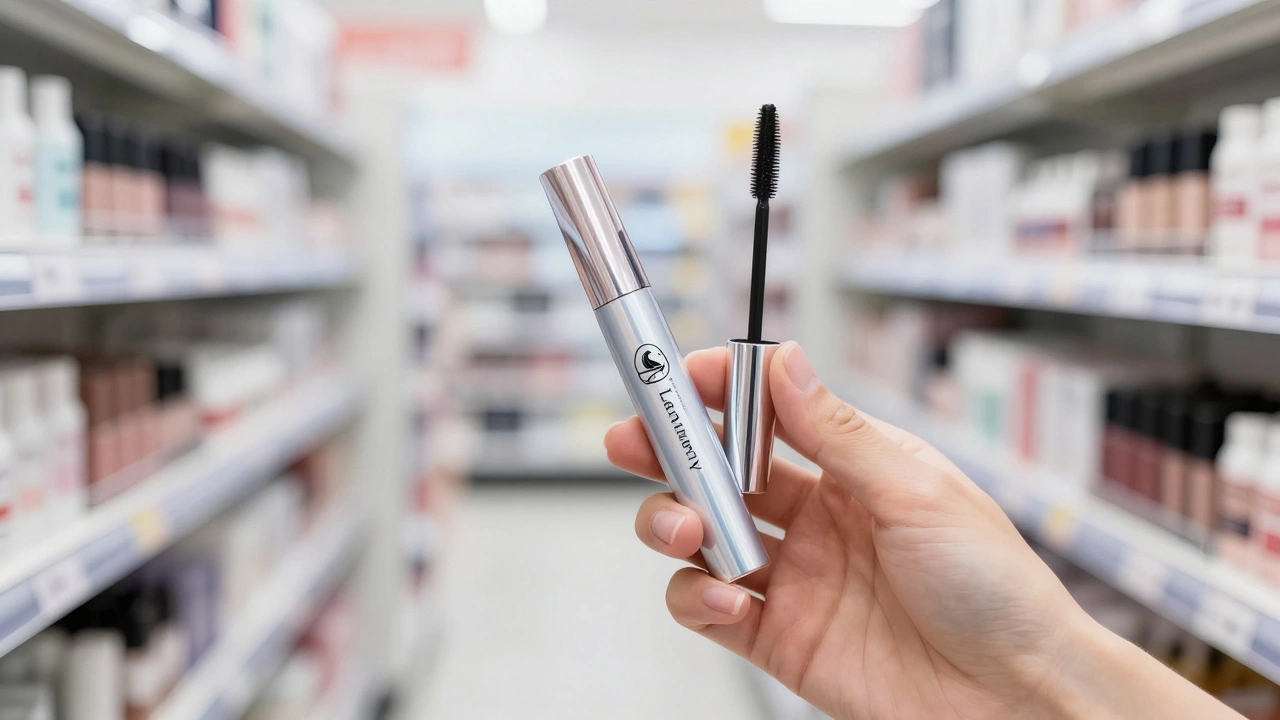
You’ve probably noticed a little bunny logo on your favorite mascara or a "paraben-free" claim on a lipstick. But if you actually want to stop animal testing in your beauty routine, the labels can be a total minefield. The truth is, "cruelty-free" isn't a legally protected term in most countries. Any brand can slap those words on a bottle without actually proving they don't test on rabbits or mice. If you're tired of guessing, you need a system to filter out the marketing fluff from the actual ethics.
Quick Tips for Ethical Shopping
- Look for third-party certifications like Leaping Bunny or PETA.
- Check if the brand sells in Mainland China (where animal testing was historically required).
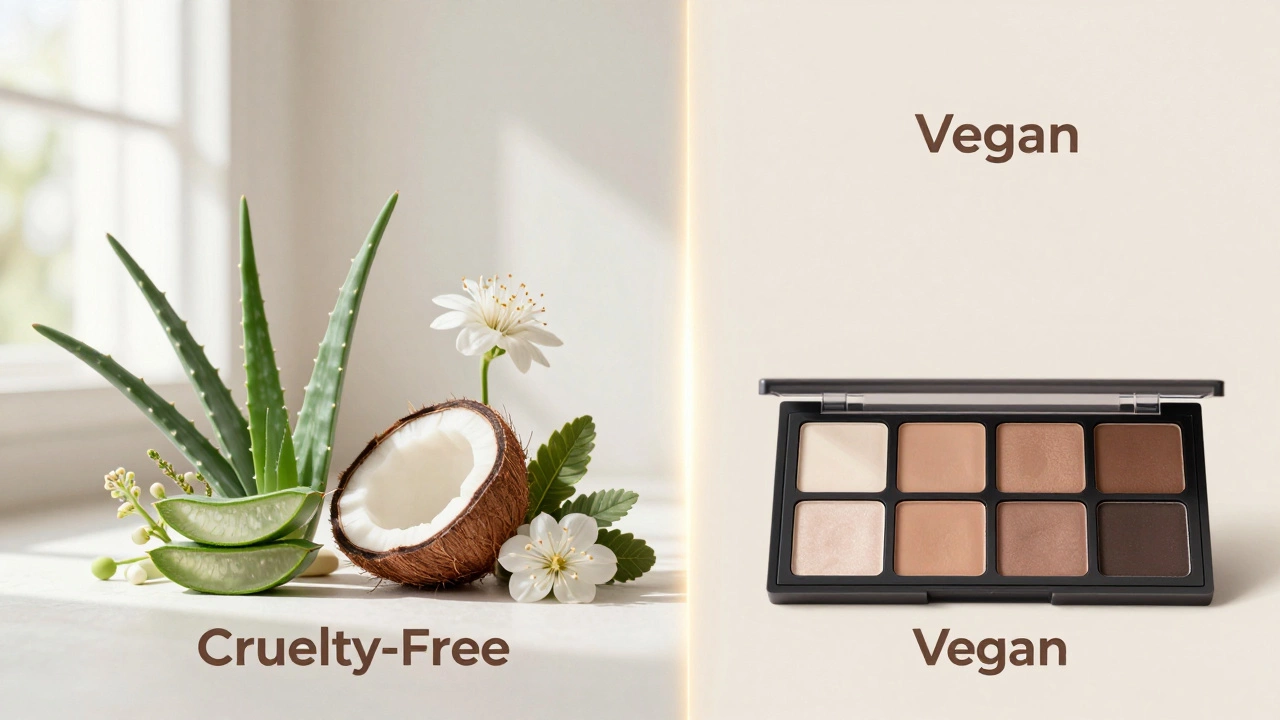
- Distinguish between "cruelty-free" (no testing) and "vegan" (no animal ingredients).
- Use dedicated databases like Cruelty-Free Kitty or Leaping Bunny’s official search.
- Avoid brands owned by parent companies that still test on animals if you want a "100% clean" routine.
Decoding the Labels: What Really Counts
When you're standing in the makeup aisle, you'll see a dozen different claims. The first thing to understand is that Cruelty-Free Makeup is cosmetic products that are developed without any new animal testing at any stage of product development . This means neither the final product nor the individual ingredients were tested on animals.
However, not all logos are created equal. A brand might create its own "bunny icon" that looks official but means absolutely nothing. To avoid being tricked, you should prioritize certified stamps. The Leaping Bunny Program is the gold standard for cruelty-free certification, requiring brands to implement a traceability system and undergo independent audits . Unlike some other labels, Leaping Bunny doesn't just take a company's word for it; they verify the entire supply chain.
Then there's PETA is an international animal rights organization that maintains a "Beauty Without Bunnies" list based on company statements . While PETA is great for raising awareness and has a massive database, their certification process is generally based on a questionnaire rather than rigorous audits. If you want the highest level of certainty, Leaping Bunny is your best bet.
Cruelty-Free vs. Vegan: The Big Difference
One of the biggest mistakes people make is assuming "cruelty-free" and "vegan" are the same thing. They aren't. A product can be cruelty-free but still contain animal-derived ingredients. For example, a lipstick might not be tested on animals, but it could still contain beeswax or crushed cochineal insects (carmine) for red pigment.
Conversely, a product could be vegan (no animal ingredients) but the brand might still test its final formula on animals to meet regulatory requirements in certain markets. If your goal is to avoid all animal exploitation, you need to look for both labels. If you only care about the testing process, "cruelty-free" is your primary target.
| Feature | Cruelty-Free | Vegan |
|---|---|---|
| Animal Testing | No testing allowed | May be tested (unless also CF) |
| Animal Ingredients | May contain (e.g., honey, wax) | No animal-derived ingredients |
| Certification Example | Leaping Bunny | The Vegan Society |
| Core Goal | Stop pain/harm during testing | Remove animal use entirely |
The "Parent Company" Dilemma
This is where it gets messy. You might find a brand like NYX Professional Makeup is a popular cosmetics brand known for its wide range of affordable products that claims to be cruelty-free, but the brand is owned by L'Oréal is one of the world's largest cosmetics companies that does not hold a global cruelty-free status . For some shoppers, a brand is cruelty-free as long as the specific product isn't tested on animals. For others, giving money to a parent company that still tests on animals is a dealbreaker.
If you're in the latter camp, you'll want to look for "indie" brands. These are typically smaller, independent companies that are often born from an ethical mission and aren't owned by the giant conglomerates. When researching, always check the "About Us" or "FAQ" section of a brand's website to see if they mention a parent company.
Red Flags to Watch Out For
Some brands use "weasel words" to sound ethical while staying vague. Be wary of phrases like "we do not test on animals, except where required by law." This is a massive red flag. In the past, this was a coded way of saying they sell their products in Mainland China, where the government traditionally required animal testing for imported cosmetics.
While China has loosened these rules for some "general cosmetics," many brands still use this loophole. If a brand says they "don't test on animals" but then mentions "legal requirements," they are likely not 100% cruelty-free. A truly ethical brand will either avoid those markets entirely or use a specific regulatory pathway that avoids animal testing altogether.
Practical Steps to Build Your Ethical Kit
Switching your entire makeup bag can feel overwhelming and expensive. You don't need to throw away your current products-that's wasteful. Instead, replace things as they run out. Here is a simple workflow to follow:
- Audit your current stash: Use a site like Cruelty-Free Kitty to check your current brands. You might be surprised to find some are already ethical.
- Identify your "must-haves": List the products you use daily (e.g., foundation, mascara, concealer).
- Search certified databases: Go to the Leaping Bunny official website and search for a replacement in your favorite category.
- Verify the "Vegan" status: If you also want vegan products, double-check the ingredients list for carmine, beeswax, or lanolin.
- Sample first: Ethical brands often have different formulas. Use travel-sized versions or store testers to ensure the cruelty-free makeup actually works for your skin type before buying a full bottle.
Expanding Your Beauty Knowledge
Once you've mastered the basics of cruelty-free shopping, you might want to look into Clean Beauty is a movement focusing on removing potentially harmful chemicals like phthalates and parabens from cosmetics . While cruelty-free is about animal welfare, clean beauty is about human health. Many ethical brands do both, but not always. You can also explore the concept of "Sustainable Packaging," which looks at how the plastic bottle affects the ocean, regardless of whether a bunny was tested on the cream inside.
Frequently Asked Questions
Does "cruelty-free" mean the product is vegan?
No. Cruelty-free refers only to the testing process (no animals were harmed in labs). Vegan means the product contains no animal-derived ingredients (like beeswax, honey, or snail mucin). A product can be cruelty-free but not vegan.
Which certification is the most reliable?
The Leaping Bunny certification is widely considered the most reliable because it requires a brand to allow independent audits of their entire supply chain, rather than just signing a statement.
Is it possible to find cruelty-free makeup at a drugstore?
Yes, it is. Many affordable brands like e.l.f. Cosmetics and Milani are cruelty-free. Just be sure to check a verified database to confirm their current status, as ownership changes can happen.
What should I do if a brand says they "don't test on animals except where required by law"?
This usually means they sell in markets like Mainland China where animal testing may be legally mandated. If your goal is a strict cruelty-free routine, it's best to avoid these brands.
How can I tell if a brand is actually an "indie" brand?
Check the "About" section of their website or search for "[Brand Name] parent company." If they are owned by a giant like Estée Lauder or L'Oréal, they are not independent.
Next Steps for Your Journey
If you're feeling confident with your new shopping habits, start by challenging yourself to a "certified only" month. Only buy products that carry the Leaping Bunny logo. If you run into trouble finding a specific shade or formula, reach out to ethical beauty communities on social media; they usually have a curated list of alternatives for every high-end product.
For those who want to go deeper, look into the ingredients. Start learning about the difference between synthetic alternatives and animal by-products. For instance, replacing beeswax with candelilla wax is a small change that makes a huge difference in the total animal-impact of your routine.