
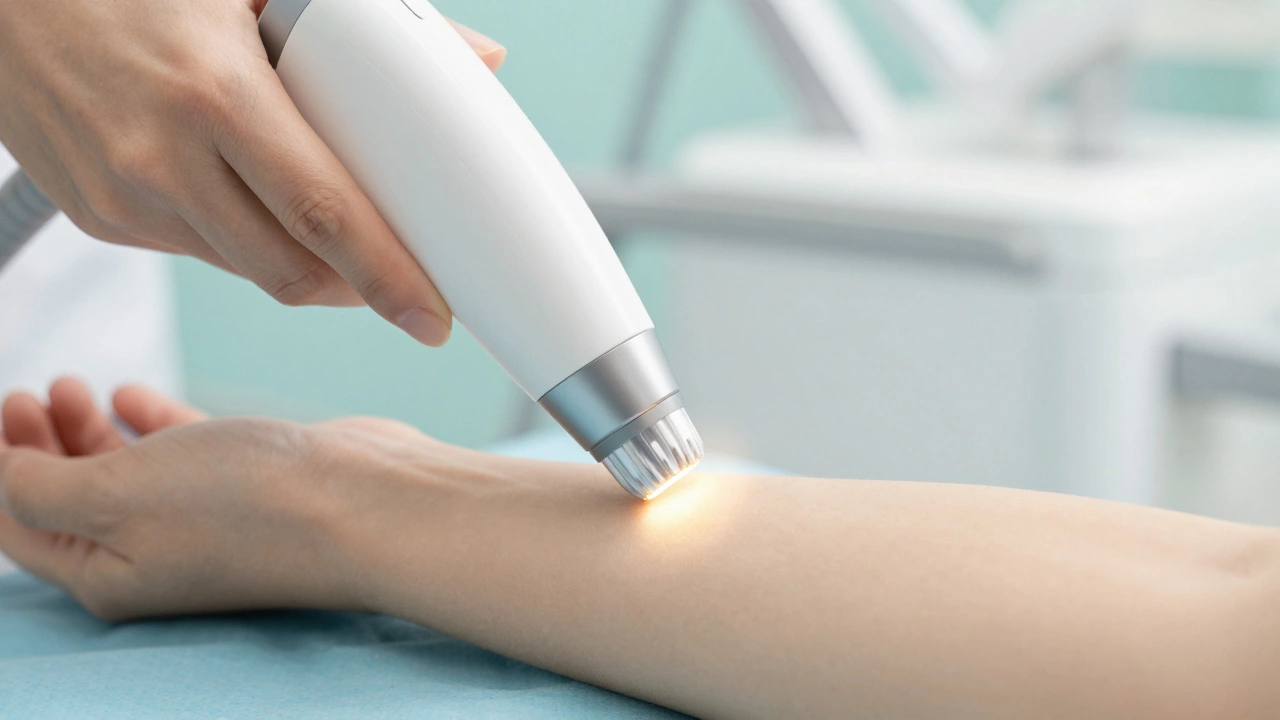
Laser Pain Estimator & Guide
Estimated Sensation
Quick Takeaways on Pain Levels
- Pain varies by body area: Upper lip is usually more sensitive than the calves.
- Technology matters: Newer lasers with cooling tips significantly reduce discomfort.
- Pain threshold is personal: What feels like a pinch to one person might feel like a sting to another.
- Preparation and numbing creams can lower the intensity.
What Does it Actually Feel Like?
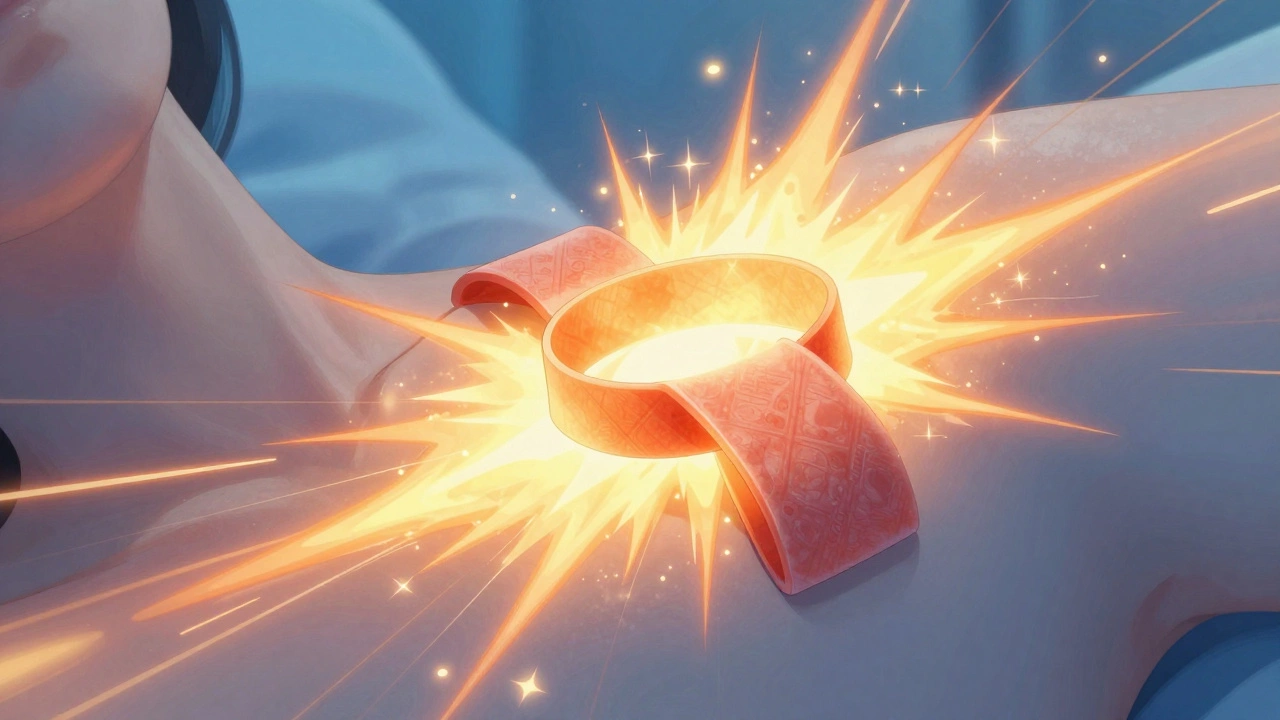
If you've never had a session, it's hard to describe, but most people compare it to the snap of a rubber band. Imagine a tiny, hot elastic band flicking your skin rapidly. Because the laser targets the pigment in your hair follicle, it creates a burst of heat. That heat is what kills the hair root, but it's also what your nerves pick up as a sharp, quick sensation.
For many, the feeling is described as a "prickling" or "stinging" sensation. The good news is that this feeling is momentary. The moment the laser pulse ends, the pain usually disappears almost instantly. You aren't dealing with a lingering ache, but rather a series of quick, repetitive shocks. If you're treating a large area like your legs, you'll get used to the rhythm pretty quickly. However, treating a small, sensitive area like the bikini line or the upper lip can feel more intense because the nerves are more concentrated.
How Different Lasers Change the Pain Game
Not all lasers are created equal. The type of hardware your clinic uses plays a massive role in how much you'll be wincing in the chair. There are three main players in the industry, and they each handle heat and pain differently.
Alexandrite Laser is a gold standard for light to medium skin tones. It's incredibly fast, which means you spend less time under the beam, but the heat can feel more intense. It's great for efficiency, but it might feel a bit 'sharper' than other options.
Diode Laser is often praised for being more comfortable. Because it has a longer wavelength, it penetrates deeper into the skin, and many Diode machines come with an integrated cooling tip that chills the skin's surface. This acts like a shield, numbing the area while the laser works underneath, making the sensation feel more like a warm massage with occasional snaps.
Nd:YAG Laser is the safest choice for darker skin tones because it bypasses the melanin in the skin's surface. While it's safer for the skin, some users report it feeling slightly more painful than the Alexandrite, often described as a deeper, more burning sensation rather than a surface snap.
| Laser Type | Sensation | Best For | Pain Level (1-10) |
|---|---|---|---|
| Alexandrite | Sharp snap | Fair to Olive skin | 6-7 |
| Diode | Warm prickle | Most skin types | 4-5 |
| Nd:YAG | Deep heat | Darker skin tones | 7-8 |
The Geography of Pain: Where Does it Hurt Most?
Your skin isn't the same everywhere. Some areas are packed with nerve endings, while others are relatively numb. Understanding this helps you mentally prepare for different parts of your appointment.
- Low Pain (The Easy Zones): Your forearms and calves are usually the easiest. The skin is thicker and there are fewer sensitive nerve clusters. Most people find this almost tolerable without any extra help.
- Moderate Pain (The Middle Ground): The back of the neck and the upper arms usually fall here. It's more sensitive than the legs but doesn't usually require a grit-your-teeth effort.
- High Pain (The Danger Zones): The Bikini Line, upper lip, and underarms are the toughest. The skin is thinner, and the hair is often coarser. Coarser hair absorbs more energy, which means more heat and more pain. For these areas, the sensation can be quite intense.
Why Some People Find it More Painful Than Others
You might hear a friend say, "It didn't hurt at all!" while another person claims they almost passed out. This isn't just about bravery; there are biological reasons for the difference. First, hair thickness is key. The laser targets the pigment (melanin) in the hair. The more pigment there is-meaning thicker, darker hair-the more energy the follicle absorbs, and the more heat is generated. If you have very fine hair, the experience will be much milder.
Hormones also play a huge role. Many women find that their skin is significantly more sensitive during the week leading up to their period. Prostaglandins, chemicals released during this time, can lower your pain threshold. If you can schedule your appointments for the week after your period, you might find the sessions much more bearable.
Finally, there's the state of your skin. Dry skin can be more prone to irritation and sensitivity. Keeping your skin well-hydrated in the days leading up to your appointment (but not applying lotion on the day of) can help the laser glide and reduce surface irritation.
Pro Tips to Minimize the Ouch
You don't have to just sit there and suffer. There are several ways to make the process more comfortable. The most effective method is using a Topical Anesthetic, such as a 5% Lidocaine cream. Apply this about 30 to 60 minutes before your session. It numbs the surface nerves and can turn a "7" pain level into a "3." Just make sure to wipe it off before the laser starts, as the cream can interfere with the laser's ability to penetrate the skin.
Another trick is to use ice. Some clinics provide cooling gel or a handheld cooling device that freezes the skin's surface. If they don't, you can ask if they allow ice packs between passes. Cold skin is less sensitive to heat, which naturally dampens the pain signal sent to your brain.
Don't forget to breathe. It sounds simple, but many people hold their breath when they feel a zap. This tenses your muscles and actually makes you more sensitive to the pain. Slow, deep breaths help keep your body relaxed and your mind focused, making the time pass faster.
When Should You Be Concerned?
There is a difference between "expected pain" and "danger pain." A snap or a sting is normal. However, if you feel an intense, searing heat that feels like a burn, or if you see immediate blistering, you need to speak up immediately. The technician may need to lower the fluence (the energy setting) or check if the cooling system is functioning correctly.
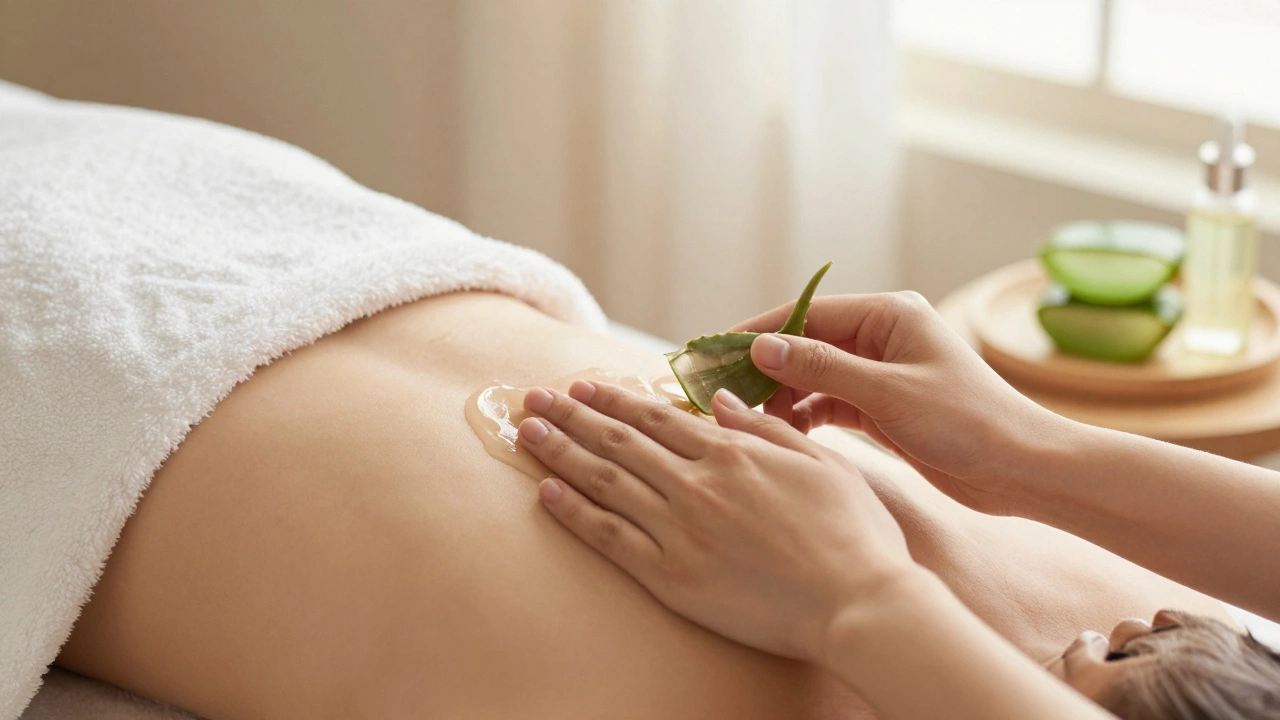
After the session, your skin will likely feel like you have a mild sunburn. This is normal. Using Aloe Vera or a fragrance-free moisturizer helps soothe the area. Avoid hot showers, saunas, or intense workouts for 24 to 48 hours, as additional heat on the skin can increase discomfort and lead to irritation.
Does the pain get worse with more sessions?
Actually, it usually gets easier. As you undergo more sessions, the hair becomes thinner and sparser. Since there is less pigment for the laser to target, there is less heat generated, and the sessions generally feel less intense than the first few.
Is laser hair removal more painful than waxing?
It's a different kind of pain. Waxing is a sharp, sudden pull that removes the hair from the root all at once. Laser is a series of quick, hot snaps. Most people find that while a single laser zap can feel more intense than one strip of wax, the overall experience is more tolerable because you aren't ripping skin and hair away.
Can I take painkillers before my appointment?
Over-the-counter pain relief like ibuprofen can help reduce inflammation and mild discomfort, but it's generally not enough to stop the "snap" sensation of the laser. Topical numbing creams are far more effective for this specific type of treatment.
What happens if I have a very low pain tolerance?
If you are very sensitive, look for clinics that offer Diode lasers with strong cooling systems or those that provide professional-grade numbing creams. You can also ask your technician to start on a lower setting and gradually increase the power as your skin adjusts.
Does the color of my hair affect the pain?
Yes. Darker hair contains more melanin, which absorbs more laser energy. This results in more heat and usually more pain. People with very light brown or red hair (if the laser can even see it) often experience less pain than those with deep black, coarse hair.
Next Steps for Your First Session
If you're still on the fence, the best move is to book a consultation. Most reputable clinics offer a patch test. This is a small area of your skin where they fire the laser a few times to see how you react and how much pain you feel. It's a low-stakes way to gauge if the treatment is right for you.
Once you're ready to commit, prepare your skin by shaving the area the night before. This ensures the laser energy goes straight to the root rather than burning the hair on the surface of the skin, which significantly reduces unnecessary pain and prevents surface burns. Grab some aloe vera for the aftercare, and remember that the temporary sting is a small price to pay for never having to deal with ingrown hairs or daily shaving again.