

Hair Density Health Score Calculator
Answer the questions below to assess your current routine and get personalized tips to increase hair density.
Your Hair Density Score
Based on your answers
Personalized Recommendations:
Looking in the mirror and noticing that your part looks wider than it used to is a frustrating experience. You might be washing your hair less often because you’re trying to hide the scalp, or perhaps you’ve started avoiding updos altogether. If you have thin hair, you aren’t just looking for more volume; you are looking for actual density-the number of hairs per square inch on your scalp. While you cannot change your genetics overnight, you can significantly improve the appearance and health of your hair through specific care routines, product choices, and lifestyle adjustments.
The good news is that hair density isn't fixed forever. It responds to how you treat your scalp, what nutrients you feed your body, and the mechanical stress you put on your strands. This guide breaks down practical, science-backed ways to thicken your hair, from immediate styling tricks to long-term growth strategies.
Understanding Hair Density vs. Hair Thickness
Before diving into solutions, it helps to distinguish between two terms that are often confused: hair thickness and hair density. Thickness refers to the diameter of an individual hair strand. If you have fine hair, each strand is narrow. Density, however, refers to how many hairs grow out of your scalp. You can have thick, coarse strands but low density (lots of space between them), or you can have fine strands with high density (a full head of hair).
If your goal is to increase density, you are aiming to either wake up dormant follicles or prevent existing hairs from shedding prematurely. The hair growth cycle consists of three phases: anagen (growth), catagen (transition), and telogen (resting/shedding). Most people lose 50 to 100 hairs a day during the telogen phase. When too many follicles enter this resting phase at once, density drops. Our strategy focuses on prolonging the anagen phase and protecting the hair shaft from breakage, which mimics thinning.
Nutritional Foundations for Hair Growth
Your hair is made primarily of a protein called keratin. If your diet lacks essential building blocks, your body will prioritize vital organs over hair growth, leading to shedding. To support density, you need to fuel your follicles correctly.
- Protein is the fundamental building block of hair. Aim for lean meats, eggs, beans, and nuts. A deficiency in protein can lead to brittle hair and increased shedding.
- Biotin is a B-vitamin that supports keratin production. Found in sweet potatoes, salmon, and avocados, it helps strengthen the hair structure.
- Iron is crucial for delivering oxygen to hair follicles. Iron deficiency anemia is a common cause of hair loss, especially in women. Spinach, lentils, and red meat are excellent sources.
- Vitamin D is linked to the creation of new hair follicles. Low levels of Vitamin D are associated with alopecia. Consider supplements if you don't get enough sunlight, as recommended by your doctor.
Hydration also plays a role. Dehydrated hair becomes dry and prone to breakage. Drinking enough water ensures that the hair shaft remains flexible and resilient.
Scalp Health: The Root of Density
You wouldn’t plant seeds in concrete and expect flowers to bloom. Similarly, a healthy scalp is essential for dense hair growth. Buildup from products, sweat, and natural oils can clog follicles, inhibiting growth. Regular cleansing is non-negotiable.
Consider using a clarifying shampoo once a week to remove residue. Look for ingredients like salicylic acid or tea tree oil, which help exfoliate the scalp and reduce inflammation. If you have dandruff or seborrheic dermatitis, treating this condition is critical. Inflammation can shorten the hair growth cycle, leading to thinner hair over time.
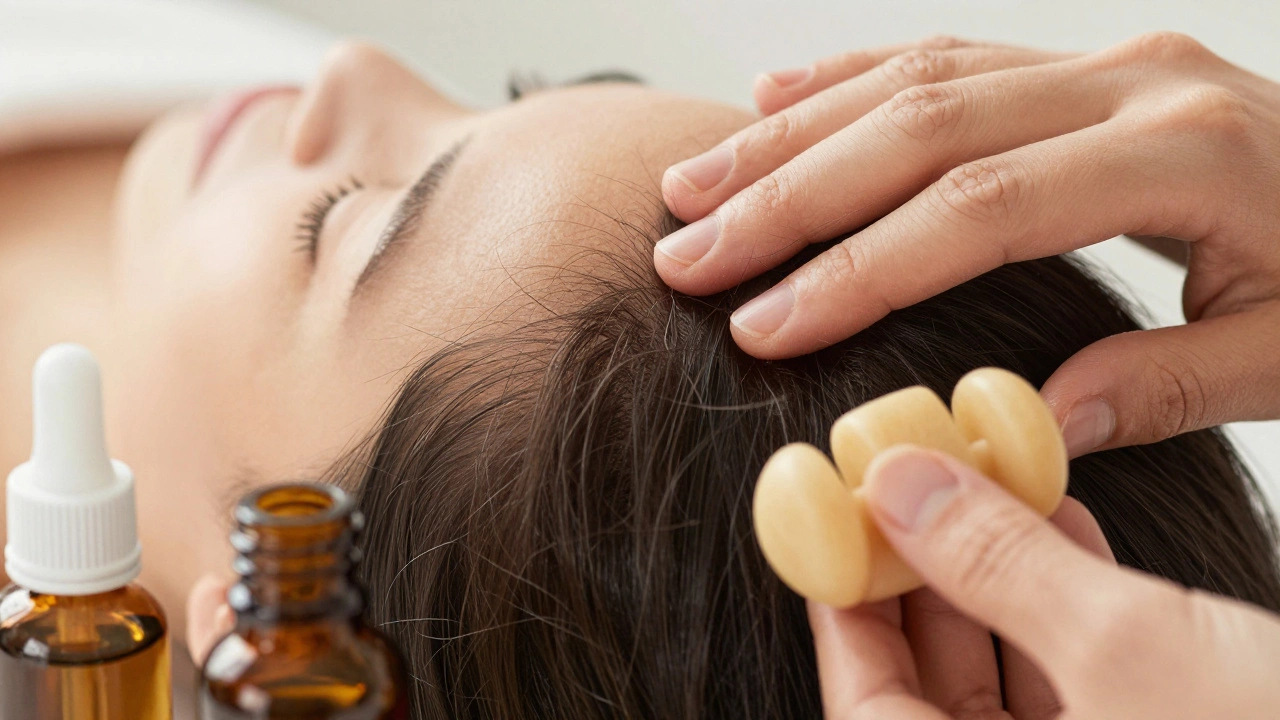
Scalp massage is another effective, low-cost intervention. Studies suggest that massaging the scalp for four minutes daily can increase hair thickness by stimulating blood flow to the follicles. This increased circulation delivers more nutrients and oxygen to the hair roots. You can do this with your fingertips or use a silicone scalp massager while shampooing.
Topical Treatments and Active Ingredients
When it comes to topical solutions, not all products are created equal. Some ingredients have clinical backing for promoting hair growth, while others simply create the illusion of fullness.
| Ingredient | Function | Evidence Level |
|---|---|---|
| Minoxidil | Vasodilator that extends the growth phase | High (FDA-approved) |
| Ketoconazole | Antifungal that reduces scalp inflammation | Moderate |
| Caffeine | Stimulates follicles and counteracts DHT | Moderate |
| Rosemary Oil | Improves circulation and may inhibit DHT | Emerging (comparable to Minoxidil in some studies) |
Minoxidil is the most well-known over-the-counter treatment for hair loss. It works by widening blood vessels around hair follicles, allowing more oxygen and nutrients to reach the hair. Consistency is key; results typically take three to six months to appear.
Rosemary oil is a natural alternative that has gained popularity. A 2015 study found that rosemary oil was as effective as 2% minoxidil in promoting hair growth after six months of use, with less scalp itching as a side effect. Always dilute essential oils in a carrier oil like jojoba or argan before applying to the scalp.
Styling Habits That Preserve Density
Even if your follicles are healthy, mechanical damage can make your hair look sparse. Breakage occurs when hair is pulled, twisted, or exposed to high heat. Adopting gentle styling habits can preserve the length and integrity of your strands.
- Avoid Tight Hairstyles: Ponytails, buns, and braids that pull on the hairline can cause traction alopecia, a form of hair loss caused by constant tension. Opt for loose styles and vary your part regularly to avoid stressing the same follicles.
- Limit Heat Styling: Blow dryers, straighteners, and curling irons can weaken the hair cuticle. Use a heat protectant spray and keep tools on the lowest effective temperature. Air-drying whenever possible is the best option.
- Use a Wide-Tooth Comb: Detangling wet hair with a fine-tooth comb causes significant breakage. Switch to a wide-tooth comb or a detangling brush designed for wet hair.
- Choose the Right Pillowcase: Cotton pillowcases create friction that leads to breakage and frizz. Silk or satin pillowcases allow hair to glide smoothly, reducing nighttime damage.
Volumizing Products for Instant Fullness
While you work on long-term density, you can boost volume immediately with the right products. These don’t grow new hair, but they coat the strands to make them appear thicker and lift the roots away from the scalp.
Look for shampoos and conditioners labeled "volumizing" or "thickening." These formulas are usually lighter and contain polymers that add body without weighing hair down. Avoid heavy silicones and oils near the roots, as they can flatten fine hair.
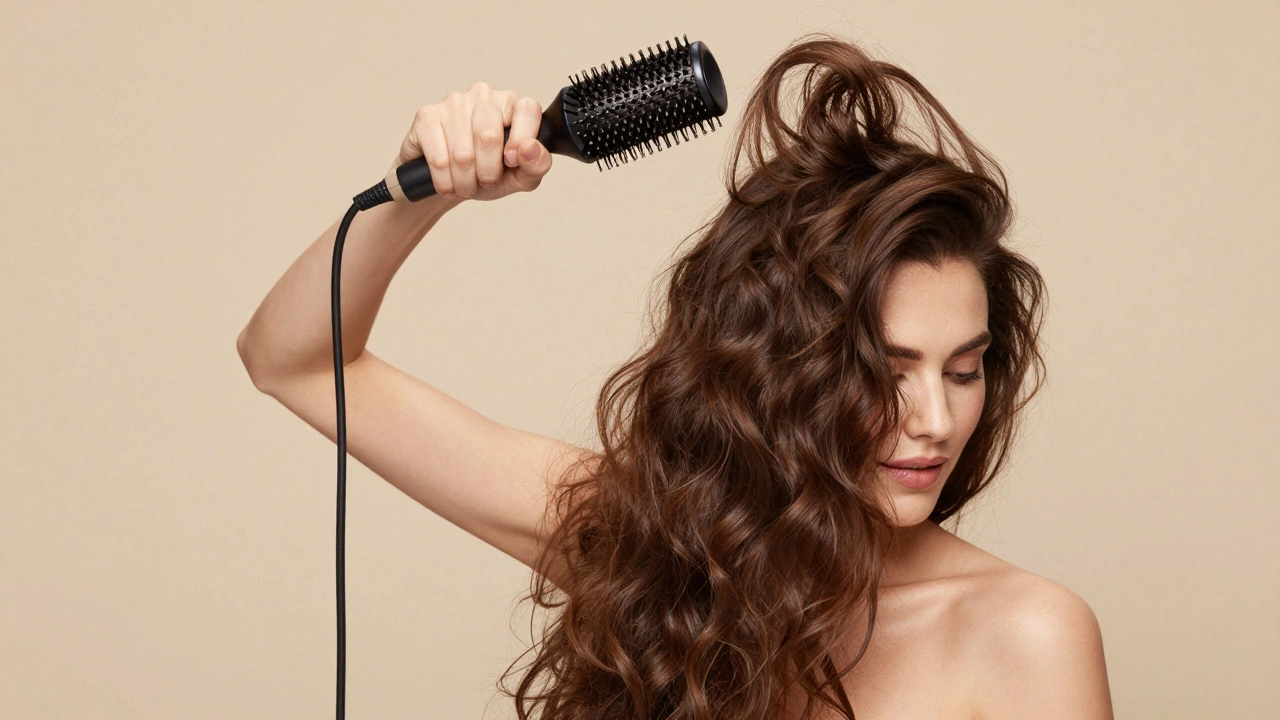
Root-lifting sprays and mousses applied to damp hair before blow-drying can provide significant lift. Technique matters here: flip your head upside down while drying to encourage roots to stand up. Dry shampoo is also a friend to thin hair. Applied to clean, dry roots, it adds texture and grit, making hair easier to style and fuller-looking.
When to See a Professional
If you notice sudden or patchy hair loss, it’s important to consult a dermatologist or trichologist. Underlying medical conditions such as thyroid disorders, hormonal imbalances, or autoimmune diseases can cause hair thinning. Blood tests can check for deficiencies in iron, vitamin D, and thyroid hormones.
In some cases, prescription treatments like finasteride or platelet-rich plasma (PRP) therapy may be recommended. PRP involves drawing your own blood, processing it to concentrate the platelets, and injecting it into the scalp to stimulate growth. While more invasive, it has shown promise for those with genetic hair loss.
How long does it take to see results from hair growth treatments?
Hair grows slowly, averaging about half an inch per month. Most topical treatments and dietary changes require at least three to six months of consistent use before you notice visible improvements in density. Patience and consistency are crucial.
Can stress really cause hair thinning?
Yes. Severe stress can trigger a condition called telogen effluvium, where a large number of hair follicles enter the resting phase simultaneously. This leads to excessive shedding a few months after the stressful event. Managing stress through exercise, sleep, and relaxation techniques can help mitigate this.
Is it better to wash thin hair every day or less often?
It depends on your scalp type. If you have an oily scalp, daily washing with a gentle, sulfate-free shampoo can prevent buildup that clogs follicles. If your scalp is dry, washing every other day may be sufficient. The key is to keep the scalp clean without stripping it of natural oils.
Do hair supplements actually work?
Supplements can help if you have a specific nutritional deficiency. However, if your diet is already balanced, taking extra vitamins may not yield additional benefits and could potentially cause harm. Always consult a healthcare provider before starting any supplement regimen.
What hairstyles are best for thin hair?
Shorter hairstyles often appear fuller because there is less weight pulling the hair down. Blunt cuts eliminate wispy ends that emphasize thinness. Layers can add movement and volume, but too many layers can make hair look sparse. Consult a stylist who specializes in fine hair for personalized advice.