
Cruelty-Free & Vegan Cosmetics Quiz
Are you a savvy ethical shopper? This quiz will help you distinguish between marketing buzzwords and certified cruelty-free or vegan products.
Loading question...
Quiz Complete!
0/5
Reviewing your answers...
You pick up a box of Almay foundation at your local drugstore. It promises to be hypoallergenic and gentle on sensitive skin. But then you pause. You flip the box over, looking for that little bunny logo or a "cruelty-free" stamp. There isn't one. This silence often leaves shoppers confused. Is Almay cruelty-free? The short answer is no, and the reasons why are more complicated than just a missing label.
If you care about where your money goes, this distinction matters. Buying from brands that test on animals supports an industry practice many find unethical. Almay sits in a tricky spot because it markets itself as safe for humans but doesn't explicitly guarantee safety for animals in its supply chain. Let's break down exactly what this means for your makeup bag.
The Short Answer: No, Almay Is Not Certified Cruelty-Free
Almay does not hold certification from major animal welfare organizations like Leaping Bunny or PETA. While the brand states they do not test finished products on animals unless required by law, this phrase is the key red flag for conscious consumers.
Why does "unless required by law" matter? Because some countries, notably China, have historically mandated animal testing for imported cosmetics. If a brand sells physically in mainland China, they may be subject to post-market animal testing. Almay’s parent company, Revlon, has faced scrutiny regarding their stance on selling in markets where animal testing is mandatory. Even if Almay avoids pre-market testing, the risk of government-mandated post-market testing remains if the product is sold in physical stores in those regions.
Without a third-party audit verifying that neither ingredients nor final products are tested on animals at any stage, we cannot call them cruelty-free. Trust us, when a brand truly commits, they shout it from the rooftops with logos on every package. The absence of proof is proof of absence.
Parent Company Ownership Matters
You might think, "But I only buy Almay, not other Revlon brands." That logic holds water until you look at the corporate structure. Almay is owned by Revlon Inc. Many ethical shoppers avoid brands owned by parent companies that conduct animal testing. This is known as the "parent company rule."
| Brand | Parent Company | Cruelty-Free Status | Sells in Mainland China? |
|---|---|---|---|
| Almay | Revlon Inc. | No (Not Certified) | Potentially (Subject to policy changes) |
| Revlon | Revlon Inc. | No (Not Certified) | Yes (Historically) |
| e.l.f. Cosmetics | e.l.f. Beauty Holdings | Yes (PETA Certified) | No (Online only in China previously) |
| NYX Professional Makeup | L'Oréal | Yes (PETA Certified) | No (Direct-to-consumer model) |
When you buy Almay, your money flows up to Revlon. Revlon’s broader portfolio includes brands that may engage in practices conflicting with strict cruelty-free standards. If your goal is to stop funding animal testing entirely, buying from a subsidiary of a non-cruelty-free parent company defeats the purpose. You are essentially subsidizing the parent company’s operations, which may include testing protocols elsewhere.
Vegan vs. Cruelty-Free: Don't Mix Them Up
This is where things get messy. People often use "vegan" and "cruelty-free" interchangeably. They aren't the same. A product can be vegan (no animal-derived ingredients) but still be tested on animals. Conversely, a product can be cruelty-free (not tested on animals) but contain beeswax or carmine (animal-derived).
Almay claims some of its products are free from common allergens like fragrance and dyes. However, being hypoallergenic doesn't mean vegan. Many Almay formulas contain ingredients like lanolin, carmine, or beeswax. Carmine, for instance, is a red pigment made from crushed cochineal insects. If you are avoiding animal products for dietary or ethical reasons beyond just testing, check the ingredient list carefully. Almay does not have a blanket "100% Vegan" claim across all lines.
Here is a quick way to remember the difference:
- Cruelty-Free: No animal testing during development or production.
- Vegan: No animal-derived ingredients (meat, dairy, honey, beeswax, etc.).
Almay fails the strict cruelty-free test due to lack of certification and potential market exposure. It also fails the strict vegan test for many products due to ingredient choices. Always read the label if both criteria matter to you.
What About Ingredients Like Palm Oil?
Another layer of ethical consumption involves sustainability. Palm oil production drives deforestation, threatening habitats for orangutans and tigers. While not strictly an "animal testing" issue, it affects wildlife welfare. Almay uses various emollients and surfactants that may derive from palm oil.
Does Almay use sustainable palm oil? Their transparency reports vary by region and year. Without clear RSPO (Roundtable on Sustainable Palm Oil) certification highlighted on packaging, you're taking a gamble. If habitat destruction worries you as much as lab testing, dig deeper into their specific supplier contracts. Most mainstream drugstore brands struggle with full supply chain transparency here.
Better Alternatives Available Now
So, if Almay isn't cutting it for your ethics, who is? The good news is that affordable, high-quality cruelty-free options have exploded in recent years. You don't need to spend luxury prices to stay aligned with your values.
Consider these alternatives that offer similar price points and accessibility:
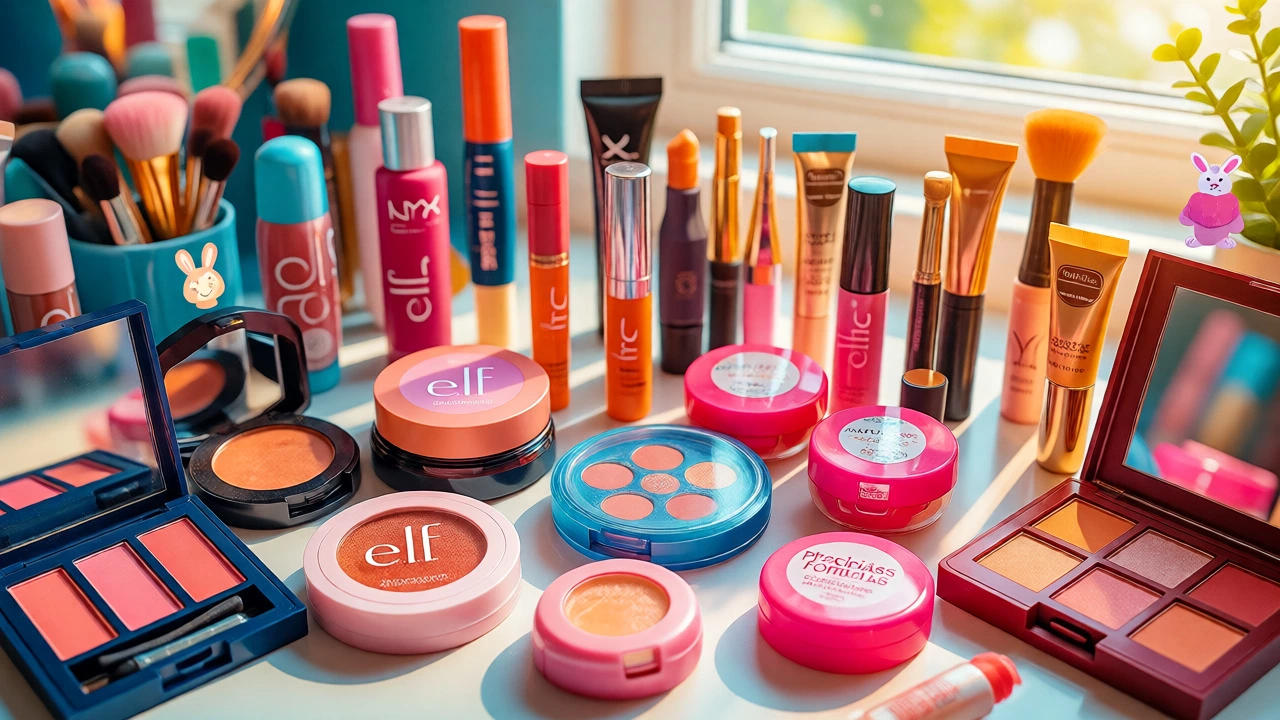
- e.l.f. Cosmetics: Fully certified cruelty-free by PETA. They offer dupes for almost every high-end product. Their foundation range covers diverse skin tones and finishes.
- NYX Professional Makeup: Owned by L'Oréal, but operates independently regarding animal testing policies. Certified by PETA. Great for bold colors and professional-grade tools.
- Milani Cosmetics: Often found in the same aisles as Almay. They are committed to being cruelty-free and offer many vegan options. Check their website for updated lists.
- Physicians Formula: Known for sensitive skin-friendly products, similar to Almay's niche. They are cruelty-free certified by Leaping Bunny.
Switching brands feels daunting. Start small. Replace your next lipstick or mascara with a certified cruelty-free option. You'll likely notice no drop in quality. In fact, many modern formulations outperform older drugstore staples thanks to better technology.
How to Spot Real Certifications
Greenwashing is real. Brands love using words like "natural," "clean," or "ethical" without backing them up. To ensure you're getting the real deal, look for specific logos. These require rigorous audits.
The two gold standards are:
- Leaping Bunny: Requires a fixed cut-off date and ongoing monitoring. They verify the entire supply chain, including raw materials.
- PETA's Beauty Without Bunnies: Easier to obtain than Leaping Bunny but still requires a written commitment. Look for the rabbit logo with the text "Global Beauty Without Bunnies."
If a brand says "We don't test on animals" but lacks these logos, ask yourself why. Usually, it's because they sell in markets requiring testing, or they haven't submitted to the audit. Don't settle for vague statements. Demand proof.
Frequently Asked Questions
Is Almay vegan?
No, Almay is not fully vegan. While some individual products may be free of animal-derived ingredients, the brand does not certify all products as vegan. Common ingredients like carmine, beeswax, and lanolin appear in many of their formulas. Always check the specific ingredient list for each product.
Who owns Almay?
Almay is owned by Revlon Inc. This parent company relationship impacts its cruelty-free status because Revlon as a corporation does not maintain a global cruelty-free policy across all its brands and markets.
Does Almay test on animals?
Almay states they do not test on animals unless required by law. This typically applies to markets like mainland China where post-market animal testing can be mandated by health authorities. Therefore, they are not considered cruelty-free by strict standards.
Are there cruelty-free alternatives to Almay for sensitive skin?
Yes, Physicians Formula and e.l.f. Cosmetics offer hypoallergenic options that are certified cruelty-free. Both brands cater to sensitive skin types and provide similar coverage and finish profiles to Almay products.
Is Almay organic?
No, Almay is not an organic brand. They focus on being hypoallergenic and free from certain irritants like fragrance and dyes, but they do not claim USDA Organic or similar certifications for their ingredients.