
Find Your Perfect Makeup Match
Select your priorities below to see which top US makeup brands fit your profile.
Your Preferences
Select filters and click "Find My Matches" to see recommended brands.
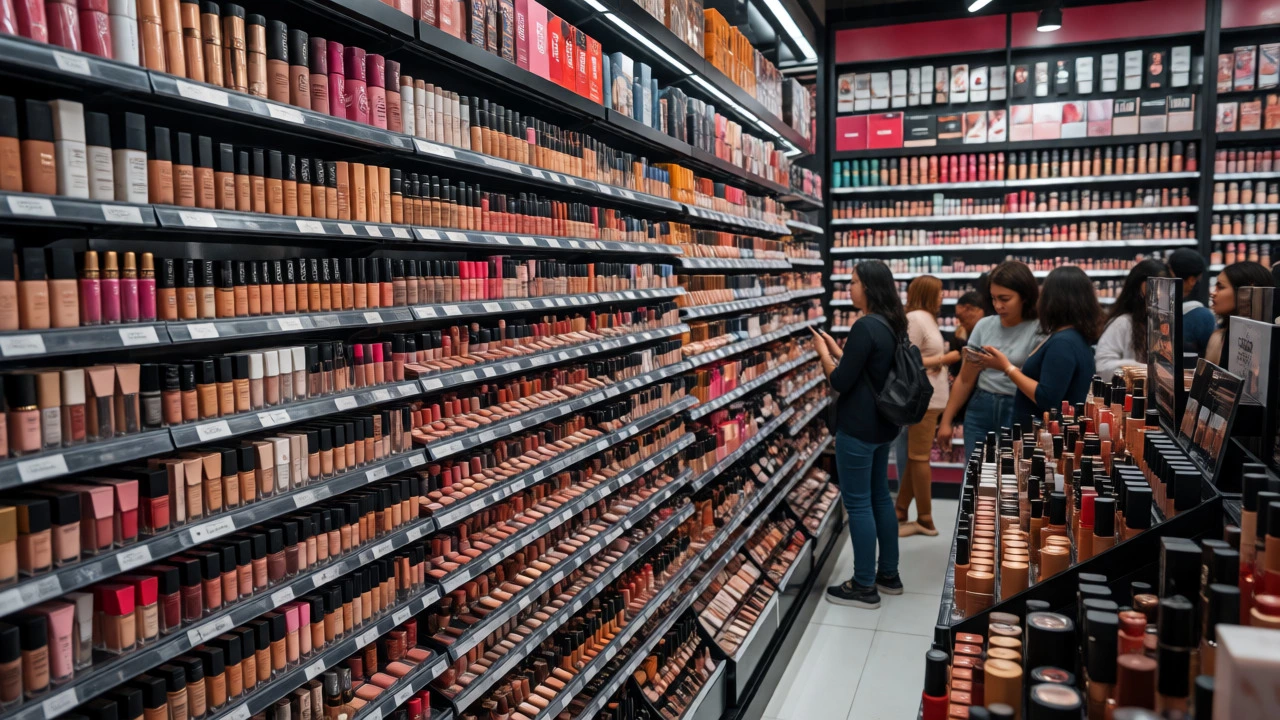
You walk into a Sephora or Ulta, and suddenly you’re paralyzed. There are hundreds of makeup brands companies that manufacture and sell cosmetic products for the face, eyes, lips, and nails, all promising to change your life. But if you look at the sales data and social buzz in the United States right now, only a handful actually dominate the conversation. It’s not just about who has the prettiest packaging; it’s about who is winning on shelf space, digital engagement, and actual product performance.
If you are trying to figure out where to spend your money, you need to understand the landscape. The American market is split into three distinct tiers: mass-market giants, prestige luxury houses, and the rapidly growing indie sector. Knowing which brand fits your needs saves you from buying a $50 lipstick that feels like wax or a $10 foundation that oxidizes orange by lunchtime.
The Mass-Market Titans: Where Volume Wins
When we talk about volume, two names usually sit at the top of the heap: L’Oréal Paris and Maybelline New York. These aren’t just popular; they are ubiquitous. You can find them in every Target, Walmart, and CVS across the country. Why do they win? Accessibility and consistency. If you buy a L’Oréal Infallible Pro-Matte Foundation a long-wearing liquid foundation known for its matte finish and affordable price point, you know exactly what you are getting whether you live in Seattle or Miami.
Maybelline holds a special place in the hearts of American consumers because of its heritage. Their Great Lash Mascara has been a staple since the 1970s. It’s cheap, it works, and it doesn’t try to be something it’s not. For beginners or those on a tight budget, these brands offer the highest return on investment. They invest heavily in R&D to make sure their formulas compete with luxury brands, often using similar ingredients but skipping the fancy glass bottle.
Prestige Powerhouses: The Status Symbols
On the other end of the spectrum, you have the prestige brands. This is where Estée Lauder, MAC Cosmetics, and NARS play. These brands charge a premium, but the value proposition is different. You aren’t just paying for the pigment; you’re paying for the texture, the longevity, and the brand cachet. Estée Lauder Double Wear Stay-in-Place Makeup a transfer-resistant, waterproof foundation designed for 24-hour wear remains the gold standard for brides and professionals who need makeup that survives an 8-hour shift without touch-ups.
MAC Cosmetics occupies a unique middle ground. Owned by Estée Lauder Companies, MAC bridges the gap between professional artist tools and consumer retail. Their Lipstick line is arguably the most recognized in the world. While some critics argue their quality has dipped slightly over the years, their color range and shade diversity remain unmatched. If you need a specific red that matches your skin tone perfectly, MAC likely has it. NARS, meanwhile, appeals to the minimalist who wants one perfect blush and one perfect concealer. Their marketing is sleek, understated, and very much aimed at the urban professional.
The Clean Beauty Revolution: Drunk Elephant and Rare Beauty
A few years ago, "clean beauty" was a niche interest. Today, it drives significant market share. Consumers are increasingly reading ingredient labels, looking for products free from parabens, sulfates, and synthetic fragrances. This shift gave rise to brands like Drunk Elephant and Rare Beauty by Selena Gomez.
Rare Beauty a clean, vegan, and cruelty-free makeup brand founded by Selena Gomez, focusing on mental health awareness exploded onto the scene not just because of celebrity power, but because of its inclusive shade ranges and accessible pricing. Their Liquid Touch Weightless Foundation became a viral hit on TikTok because it offered medium coverage with a natural finish, avoiding the heavy cakey feel of older formulas. Similarly, Drunk Elephant disrupted the skincare-makeup hybrid category, proving that you could have effective active ingredients in your daily routine without harsh chemicals.
Indie Darlings: Glossier and Fenty Beauty
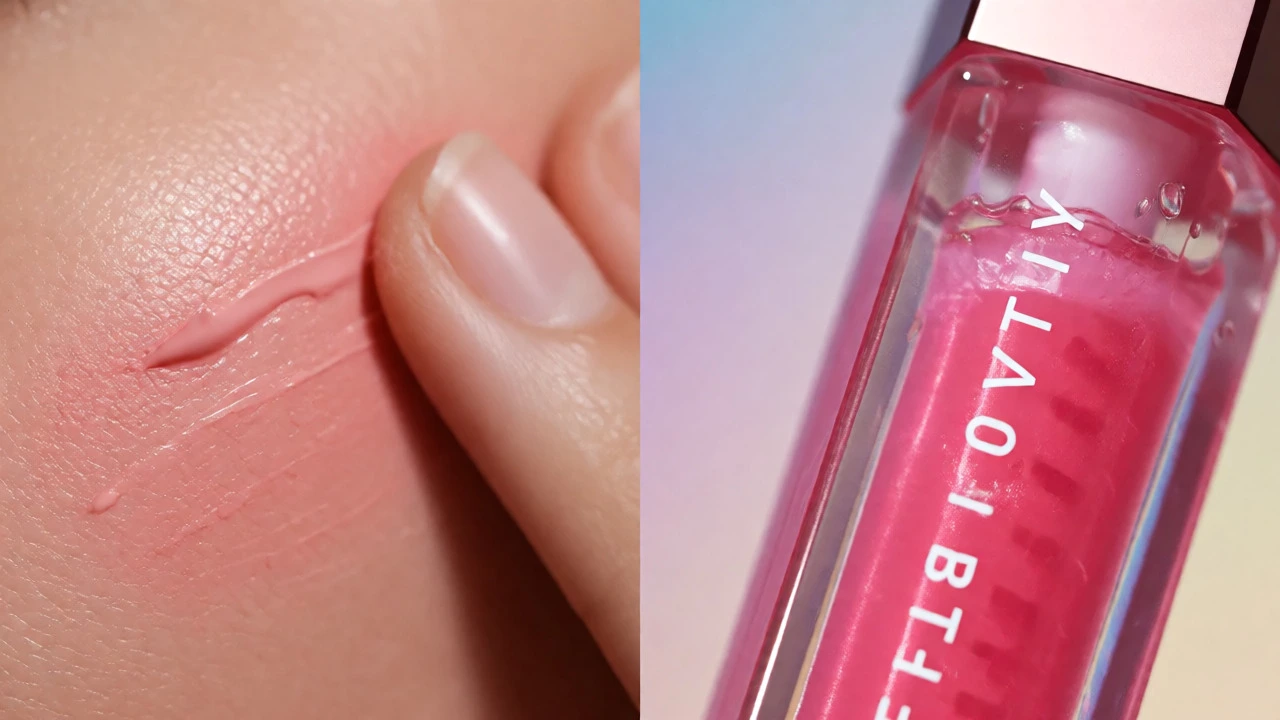
You cannot talk about modern American makeup without mentioning the direct-to-consumer revolution. Glossier changed how beauty brands interact with customers. Before Glossier, beauty marketing was aspirational-models with flawless airbrushed skin. Glossier showed real people with pores and freckles. Their "Skin First, Makeup Second" philosophy resonated deeply with millennials and Gen Z. Products like Cloud Paint Blush became cultural phenomena simply because they looked good on camera and felt effortless to apply.
Fenty Beauty, launched by Rihanna in 2017, set a new benchmark for inclusivity. Before Fenty, finding a foundation match for deep skin tones was a struggle. Rihanna released 40 shades at launch, forcing the entire industry to rethink their offerings. Today, while many brands have expanded their ranges, Fenty remains a leader in trend-driven innovation. Their Gloss Bomb Universal Lip Luminizer is still one of the best-selling lip products in the US, thanks to its universal appeal and smart influencer partnerships.
| Brand | Primary Category | Price Range (USD) | Best For | Key Product |
|---|---|---|---|---|
| L’Oréal Paris | Mass Market | $10 - $20 | Budget-conscious users, everyday wear | Infallible Foundation |
| Maybelline | Mass Market | $8 - $15 | Mascara lovers, beginners | Great Lash Mascara |
| Estée Lauder | Prestige | $45 - $60 | Long-wear, formal events | Double Wear Foundation |
| MAC | Pro/Prestige | $20 - $35 | Color variety, artistic looks | Ruby Woo Lipstick |
| Fenty Beauty | Mid-Tier/Indie | $25 - $40 | Inclusive shades, trendy finishes | Gloss Bomb |
| Glossier | Direct-to-Consumer | $18 - $28 | Natural look, minimalists | Cloud Paint Blush |
How to Choose the Right Brand for Your Skin Type
Just because a brand is "top" doesn’t mean it’s right for you. A brand famous for matte foundations might leave your dry skin flaking. Here is a quick heuristic:
- Oily Skin: Look for brands with strong oil-control technology. Estée Lauder and Laura Mercier excel here. Avoid heavy creams unless they are specifically labeled non-comedogenic.
- Dry Skin: Hydration is key. Glossier and Charlotte Tilbury formulate products with hyaluronic acid and glycerin. These add moisture rather than stripping it away.
- Sensitive Skin: Stick to fragrance-free options. Clinique has been a dermatologist-recommended favorite for decades due to their rigorous allergy testing protocols. Tarte is another solid choice for sensitive types, offering mineral-based options.
- Deep Skin Tones: Check the shade range before you buy. Fenty Beauty, MAC, and Black Opal are leaders in providing true undertone matches, avoiding the gray or ashy cast common in lesser brands.
The Impact of Social Media on Brand Rankings
You might wonder why some relatively new brands outrank established ones in search volume. The answer is social media. TikTok and Instagram drive discovery more than traditional advertising does today. When a product goes viral on #BeautyTok, sales spike overnight. This is why brands like e.l.f. Cosmetics have surged in popularity. e.l.f. used to be seen as a bargain-bin option, but their recent collaborations and high-quality brushes have earned them genuine respect. Their Halo Glow Liquid Filter is a prime example of a product that gained traction through user-generated content showing dramatic "before and after" results.
This dynamic means rankings change fast. A brand that is top today might lose steam if they don’t innovate. However, the legacy players listed above have adapted. They’ve hired social media managers, partnered with influencers, and tweaked their formulas based on online feedback. That agility keeps them relevant.
Where to Buy Authentic Products
With so many brands, counterfeits are a real issue, especially for high-end names. Always buy from authorized retailers. In the US, this includes Sephora, Ulta Beauty, Nordstrom, Macy’s, and the brand’s own website. Be cautious with third-party sellers on Amazon or eBay. If a deal looks too good to be true, it probably is. Counterfeit makeup can contain unsafe levels of lead or bacteria, so protecting your skin is worth the extra effort to verify the seller.
Which makeup brand has the best foundation for oily skin?
Estée Lauder Double Wear is widely considered the best for oily skin due to its 24-hour wear and transfer resistance. For a more affordable option, L’Oréal Infallible Pro-Matte is highly rated for controlling shine throughout the day.
Are expensive makeup brands always better than drugstore ones?
Not necessarily. Drugstore brands like Maybelline and L’Oréal use similar base ingredients to prestige brands. You often pay more for the packaging, marketing, and specific proprietary complexes in luxury items. Many makeup artists mix high-end and drugstore products for the best results.
What is the most inclusive makeup brand in America?
Fenty Beauty is credited with setting the new standard for inclusivity with its initial launch of 40 foundation shades. Today, brands like MAC, Rare Beauty, and UOMA Beauty also offer extensive shade ranges catering to all skin tones and undertones.
Is Glossier suitable for mature skin?
Glossier focuses on a dewy, natural finish which can be flattering for mature skin if applied sparingly. However, those with deeper wrinkles may prefer brands with more filling properties, such as IT Cosmetics, which offers anti-aging benefits alongside coverage.
Which brand is best for beginner makeup users?
e.l.f. Cosmetics and Maybelline are excellent for beginners. They offer low-risk price points, forgiving formulas, and comprehensive starter kits. Their products are easy to blend and remove, allowing novices to practice without wasting money.