
Cruelty-Free Status Checker
CoverGirl Analysis
PETA CertifiedCompliance Metrics
Key Findings
- • Self-reported questionnaire signed by CEO
- • Minimal supply chain monitoring required
- • Sells in China via cross-border e-commerce
- • Parent company Coty owns testing brands
Verdict
According to PETA standards, CoverGirl is considered cruelty-free. However, this relies on self-reporting with minimal independent verification.
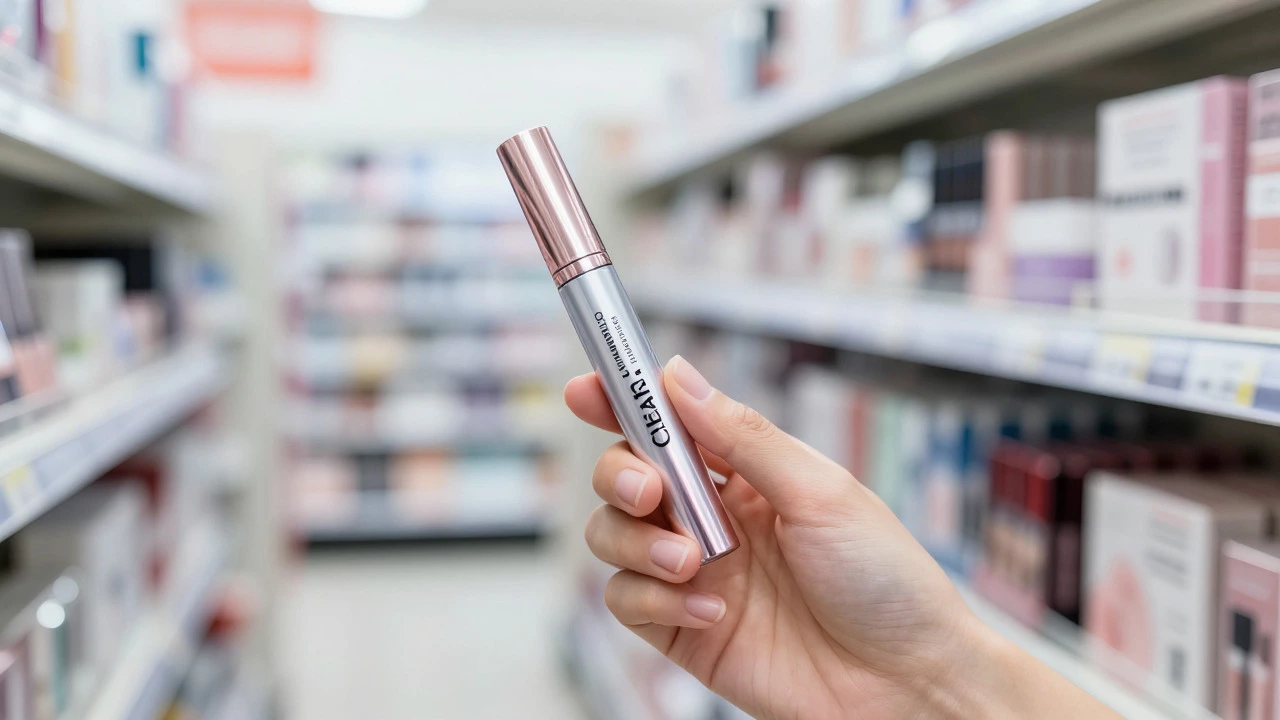
For decades, CoverGirl is a mainstream cosmetics brand owned by Coty that has positioned itself as a leader in affordable, accessible beauty. Known for its iconic mascaras and long-standing marketing campaigns featuring supermodels like Janice Dickinson and Jennifer Lopez, the brand became one of the first major drugstore names to publicly declare it was "cruelty-free" back in 2013. But if you are standing in an aisle today, holding a tube of their Clean Fresh Mascara, you might be asking yourself: Is CoverGirl actually cruelty-free in 2026?
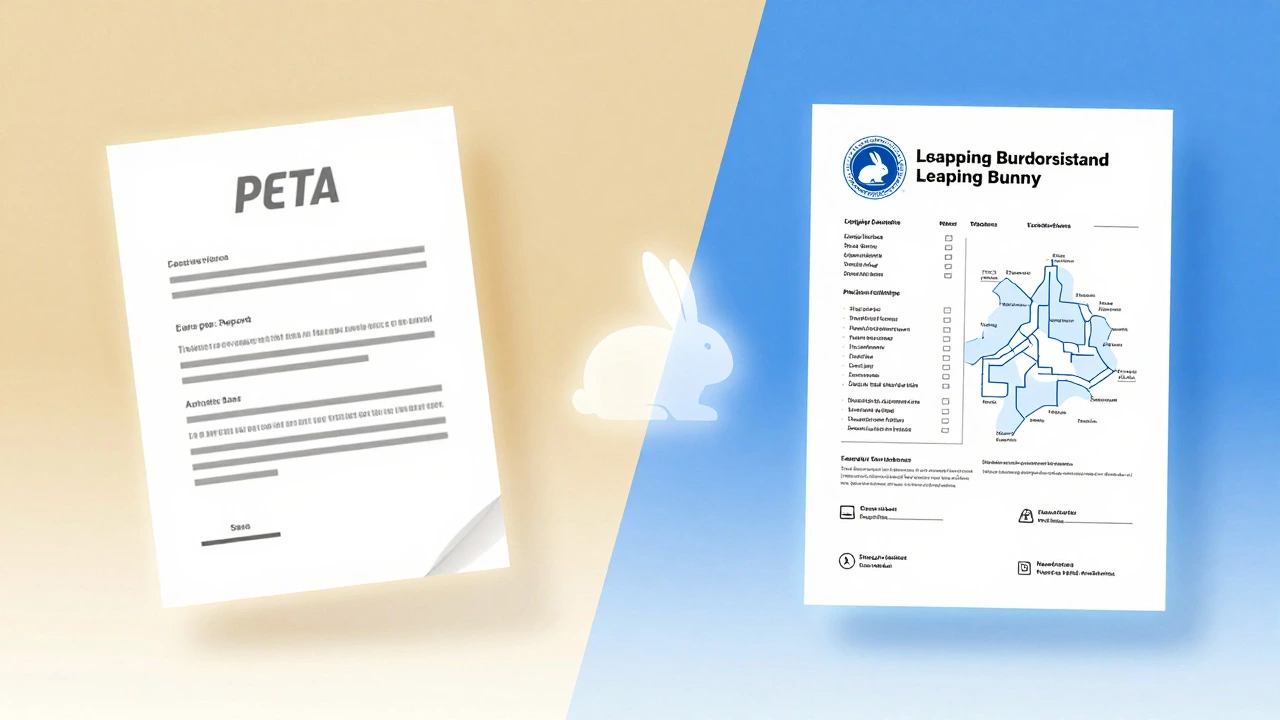
The short answer is complicated. It depends entirely on how you define "cruelty-free." If your definition aligns with PETA is People for the Ethical Treatment of Animals, a non-profit organization that certifies brands based on self-reported questionnaires regarding animal testing policies, then yes, CoverGirl is considered cruelty-free. However, if you hold the stricter standards of Leaping Bunny is the gold-standard certification program administered by CCIC (Coalition for Consumer Information on Cosmetics) that requires independent audits and supply chain monitoring to ensure no animal testing occurs at any stage, then the picture gets murky.
The Core Conflict: Selling in Mainland China
To understand why CoverGirl’s status is debated, we have to look at where they sell their products. For years, the biggest hurdle for any global brand wanting to be truly cruelty-free was mainland China. Until recently, Chinese law required imported cosmetics to undergo mandatory animal testing before hitting the shelves. This meant that even if a brand like CoverGirl didn’t test animals in the US or Europe, they had to submit their products to testing labs in Beijing to sell them physically there.
In 2021, China updated its regulations. They introduced a "General Cosmetics" category which includes most everyday makeup like mascara, lipstick, and foundation. These products can now be sold without mandatory animal testing, provided the manufacturer provides certain safety documentation. This change opened the door for many Western brands to enter the Chinese market while maintaining their cruelty-free claims.
CoverGirl took advantage of this loophole. They resumed selling their physical products in mainland China through online platforms like Tmall Global. Because these products fall under the new exemption rules, CoverGirl argues they do not need to test on animals. This is why PETA still lists them as cruelty-free. PETA’s criteria are largely based on a brand signing a statement of assurance saying they don’t test on animals. They do not require third-party audits or strict supply chain monitoring.
PETA vs. Leaping Bunny: Why the Difference Matters
This brings us to the critical distinction between the two major certification bodies. Understanding this difference is key to making an informed choice as a conscious consumer.
| Feature | PETA (Beauty Without Bunnies) | Leaping Bunny (CCIC) |
|---|---|---|
| Verification Method | Self-reported questionnaire signed by the CEO | Independent annual audits and supply chain monitoring |
| Supply Chain Control | Minimal; relies on brand honesty | Strict; requires all ingredient suppliers to sign affidavits |
| China Sales Policy | Allows sales if no *mandatory* testing is triggered | Generally prohibits sales in markets requiring animal testing |
| Parent Company Influence | Does not penalize parent companies that test | Requires parent company to also be cruelty-free or have separate divisions |
Leaping Bunny does not certify CoverGirl. Why? Because Leaping Bunny requires brands to prove that neither they nor their suppliers test on animals, and they maintain a zero-tolerance policy for selling in markets where animal testing is still mandated for certain product types (like sunscreens or anti-aging creams). Since CoverGirl sells a wide range of products in China, including some that might trigger post-market surveillance testing (where authorities randomly pick products to test on animals), Leaping Bunny considers the risk too high.
The Parent Company Factor: Coty Inc.
Another layer of complexity involves who owns CoverGirl. The brand is part of Coty Inc. is one of the world's largest beauty conglomerates, owning hundreds of brands including Rimmel, Max Factor, and Sally Hansen. Unlike smaller indie brands, Coty is a massive multinational corporation. While Coty has made public commitments to ending animal testing, they still own brands that sell in markets with strict animal testing laws. Furthermore, Coty manufactures products for other companies that may test on animals.
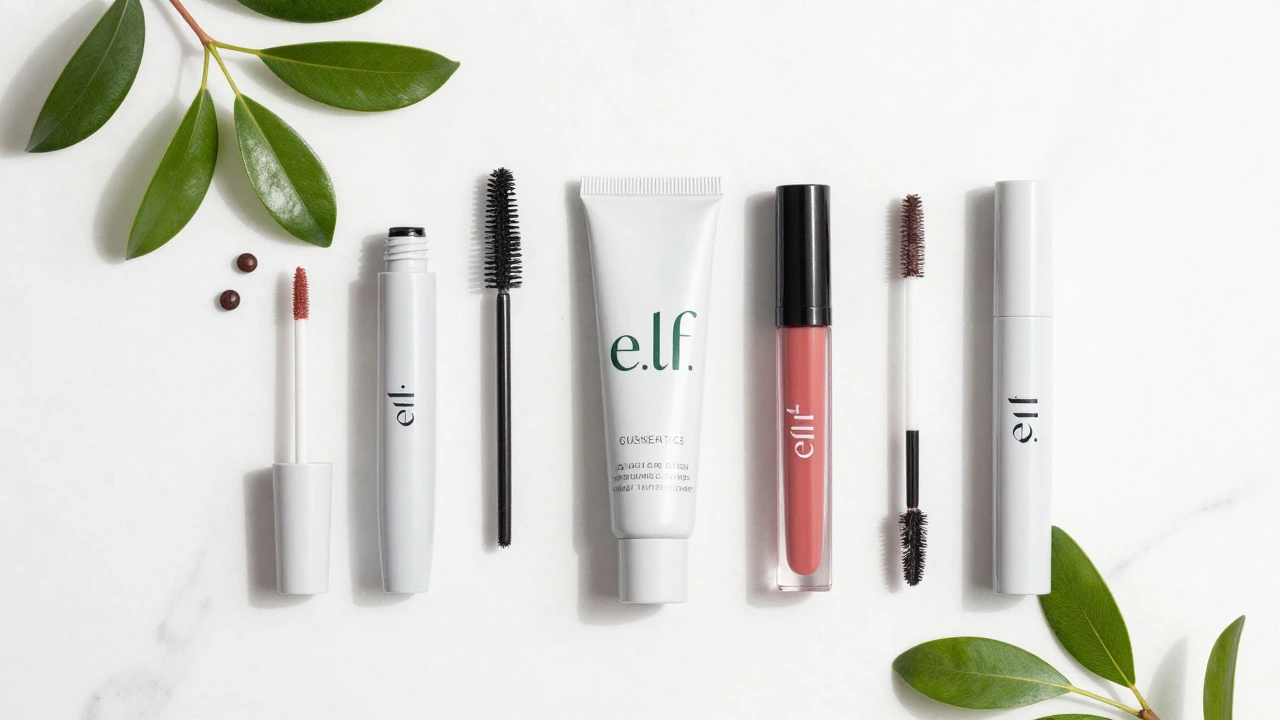
For purists who believe that buying from a subsidiary of a testing giant indirectly funds animal testing, CoverGirl fails the test. However, most ethical consumers focus on the specific brand’s practices rather than the entire corporate portfolio. Still, it is worth noting that your money goes to a parent company that does not share the same uncompromising stance as dedicated cruelty-free startups like e.l.f. Cosmetics is a fully cruelty-free and vegan makeup brand that is Leaping Bunny certified and does not sell in mainland China.
Are CoverGirl Products Vegan?
Being cruelty-free and being vegan are two different things. A product can be tested on animals but contain no animal ingredients (rare, but possible). Conversely, a product can be made with beeswax or carmine but never tested on animals. CoverGirl offers a line called "Clean Fresh" which is marketed as both clean and vegan-friendly. Many of their mascaras and lipsticks are free from animal-derived ingredients. However, not every single product in their lineup is vegan. You have to check the label or their website for the specific "Vegan" icon. So, while you might feel good about the lack of animal testing (depending on your definition), you still need to verify if the formula itself aligns with a plant-based lifestyle.
What Should You Buy Instead?
If the ambiguity of CoverGirl’s status makes you uncomfortable, you are not alone. There is a growing market of brands that offer similar quality and price points but have ironclad cruelty-free credentials. Here are a few alternatives that are Leaping Bunny certified and do not sell in mainland China:
- e.l.f. Cosmetics: Offers incredibly affordable makeup, including mascaras that rival CoverGirl’s performance, with full transparency and Leaping Bunny certification.
- Maybelline New York: Wait, isn't Maybelline owned by L'Oréal? Yes. And L'Oréal tests on animals where required by law. So Maybelline is NOT cruelty-free by strict standards. Stick to e.l.f., Milk Makeup is a clean beauty brand known for innovative formulas and strict cruelty-free policies, or Rare Beauty is Selena Gomez's brand which is Leaping Bunny certified and focuses on inclusive shades.
- Essence: A German brand that offers ultra-low prices and is strictly cruelty-free and Leaping Bunny certified.
How to Verify Cruelty-Free Status Yourself
Don't just take my word for it. The beauty industry changes fast. Regulations shift, and brands switch owners. Here is how you can stay informed:
- Check the Leaping Bunny Website: Go to leapingbunny.com and use their brand search tool. If it’s not there, it’s not certified by the gold standard.
- Look for the Logo: On the packaging, look for the official Leaping Bunny logo or the PETA bunny. Be wary of generic bunnies drawn by artists; these mean nothing legally.
- Read the Fine Print: If a brand says "We don’t test on animals," read what comes next. Does it say "except where required by law"? That is a red flag for strict cruelty-free advocates.
Final Verdict on CoverGirl
So, is CoverGirl cruelty-free? Technically, yes, according to PETA. Practically, maybe not, according to Leaping Bunny and those who demand absolute certainty. The brand benefits from regulatory loopholes in China that allow them to claim cruelty-free status while still accessing one of the world’s largest beauty markets. For the average consumer who wants affordable makeup and trusts PETA’s oversight, CoverGirl remains a viable option. But for the dedicated activist who wants to support brands with no ties to animal testing whatsoever, there are cleaner, clearer choices available today.
Is CoverGirl certified by Leaping Bunny?
No, CoverGirl is not currently certified by Leaping Bunny. Leaping Bunny requires stricter supply chain audits and generally discourages selling in markets like mainland China where animal testing may still occur for certain product categories.
Does CoverGirl sell in China?
Yes, CoverGirl sells its products in mainland China primarily through online cross-border e-commerce platforms like Tmall Global. Under current Chinese regulations, many of these general cosmetics are exempt from mandatory pre-market animal testing, allowing CoverGirl to maintain its PETA cruelty-free status.
Is CoverGirl owned by a company that tests on animals?
Yes, CoverGirl is owned by Coty Inc. Coty is a large multinational conglomerate that owns various brands, some of which may sell in markets requiring animal testing. While Coty has stated goals to end animal testing, it is not considered a cruelty-free parent company by strict standards.
What is the difference between PETA and Leaping Bunny certifications?
PETA’s certification is based on a self-reported questionnaire signed by the brand’s CEO, with minimal ongoing monitoring. Leaping Bunny requires independent annual audits, strict supply chain controls, and a commitment to not selling in countries where animal testing is mandatory for cosmetics.
Are all CoverGirl products vegan?
No, not all CoverGirl products are vegan. While they have a significant line of vegan-friendly products, particularly in their "Clean Fresh" collection, many items still contain animal-derived ingredients like beeswax or carmine. Always check for the "Vegan" label on the packaging.