
When you pick up a tube of CoverGirl Outlast Stay Fabulous lipstick or a pan of their TruNaked eyeshadow, you might assume it’s cruelty-free. After all, CoverGirl has been on shelves for decades, runs ads with celebrities, and even says "Easy, breezy, beautiful" on every box. But does that mean no animals were harmed to make it? The answer isn’t as simple as the slogan.
What Does "Cruelty-Free" Actually Mean?
"Cruelty-free" sounds clear, but it’s not a legally protected term in the U.S. or most countries. A brand can call itself cruelty-free even if it sells in places like China, where animal testing is required by law for imported cosmetics. So the real question isn’t just whether CoverGirl tests on animals-it’s whether they allow third parties to test on animals for them, or if they sell where such testing is forced.True cruelty-free means no animal testing at any stage: not by the brand, not by suppliers, not by governments acting on their behalf. And that’s where CoverGirl’s story gets complicated.
Does CoverGirl Test on Animals?
CoverGirl itself says it does not test its finished products on animals. That’s a fact you can find on their website. They also have a PETA-certified cruelty-free logo on some of their packaging. But here’s the catch: CoverGirl is owned by Procter & Gamble (P&G), a company that does test on animals when required by law-especially in markets like mainland China.P&G has publicly stated they support the elimination of animal testing and invest in alternative methods. But they still sell products in China, where imported cosmetics must undergo animal testing by government labs. That means even if CoverGirl doesn’t test directly, their products are being tested on animals because they’re sold there.
That’s a dealbreaker for many ethical shoppers. Organizations like PETA and Leaping Bunny still list CoverGirl as cruelty-free-but only under their "company policy" definition. They don’t count government-mandated testing as the brand’s fault. But if you believe a brand should avoid markets that force animal testing, then CoverGirl doesn’t meet your standard.
Is CoverGirl Vegan?
Vegan and cruelty-free aren’t the same thing. A product can be cruelty-free but still contain animal ingredients like beeswax, carmine, or lanolin. CoverGirl has a small line called "Clean Fresh" that’s labeled vegan, meaning it contains no animal-derived ingredients. But most of their products do contain things like lanolin, collagen, or shellac.So if you’re looking for vegan makeup, CoverGirl offers a few options-but not many. Their vegan line is limited to lipsticks, foundations, and mascaras. The rest? Not vegan. And even the vegan products aren’t always certified by a third party like Vegan Action or The Vegan Society. You have to check the ingredient list every time.
What About Their Suppliers?
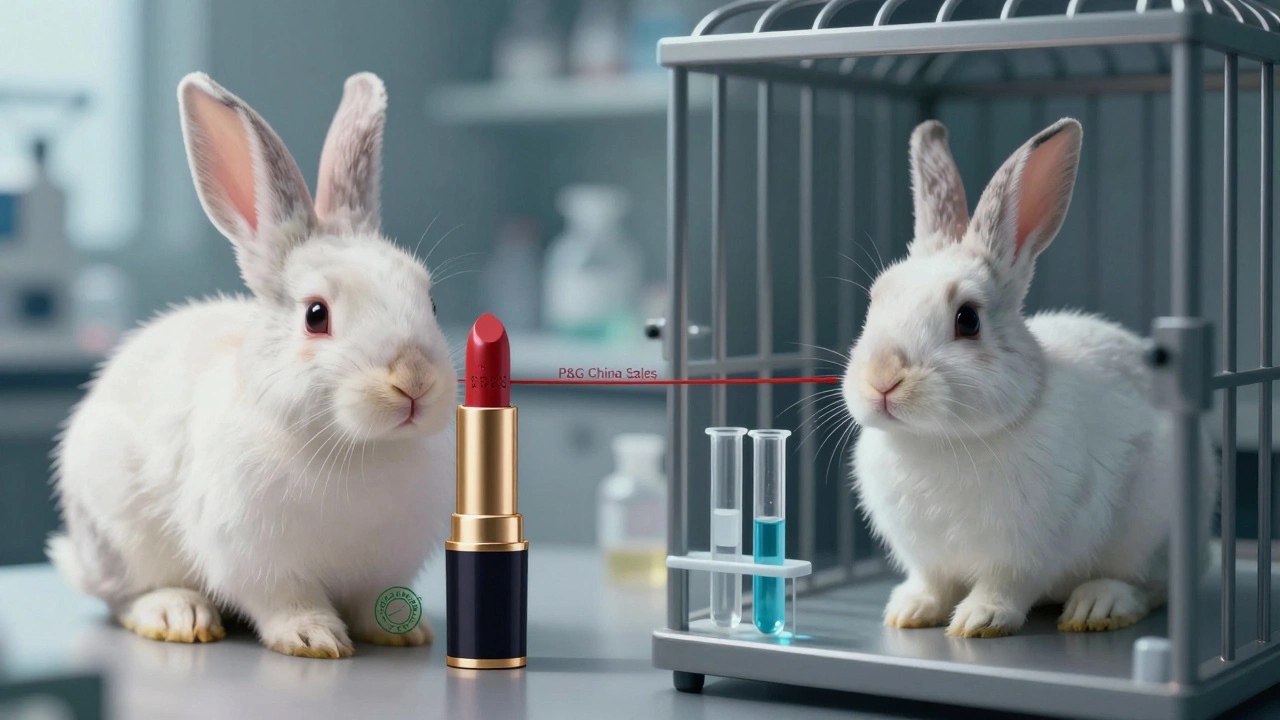
Cruelty-free isn’t just about the final product. It’s also about the ingredients. CoverGirl says they don’t test raw materials on animals. But they don’t publicly disclose their full list of suppliers. That means there’s no way to know if a pigment, preservative, or fragrance in their mascara was tested on animals by a third-party chemist.Brands like e.l.f. or Pacifica go further-they require written guarantees from every supplier that no animal testing was involved. CoverGirl doesn’t make that commitment public. That lack of transparency is a red flag for people who want total confidence in their choices.
Why Does This Matter?
You might think, "It’s just makeup. Does it really matter?" But millions of animals are used in cosmetic testing every year. Rabbits, mice, guinea pigs-they’re forced to have chemicals rubbed on their skin, dripped into their eyes, or fed in high doses to see what happens. Many die. Others live with permanent damage.When you buy from a brand that sells in China, you’re indirectly funding that system. Even if the brand doesn’t do the testing, they’re still profiting from a system that requires it. That’s why many ethical shoppers avoid brands like CoverGirl, L’Oréal, and Estée Lauder-even if those brands claim to be cruelty-free.
Who Else Is Actually Cruelty-Free?
If CoverGirl doesn’t meet your standards, there are plenty of brands that do. Brands like Urban Decay, NYX, Too Faced, and IT Cosmetics are certified by Leaping Bunny, which requires no animal testing anywhere in the supply chain-including in China.Smaller brands like Acure, Dr. Bronner’s, and Herbivore Botanicals go even further: they’re vegan, cruelty-free, and use sustainable packaging. And they don’t sell in China.
Here’s a quick comparison:
| Brand | Cruelty-Free? | Vegan Options? | Sells in China? | Certified by Leaping Bunny? |
|---|---|---|---|---|
| CoverGirl | Yes (company policy only) | Some | Yes | No |
| Urban Decay | Yes | Most | No | Yes |
| NYX | Yes | Many | No | Yes |
| Too Faced | Yes | Some | No | Yes |
| Acure | Yes | All | No | Yes |
What Should You Do?
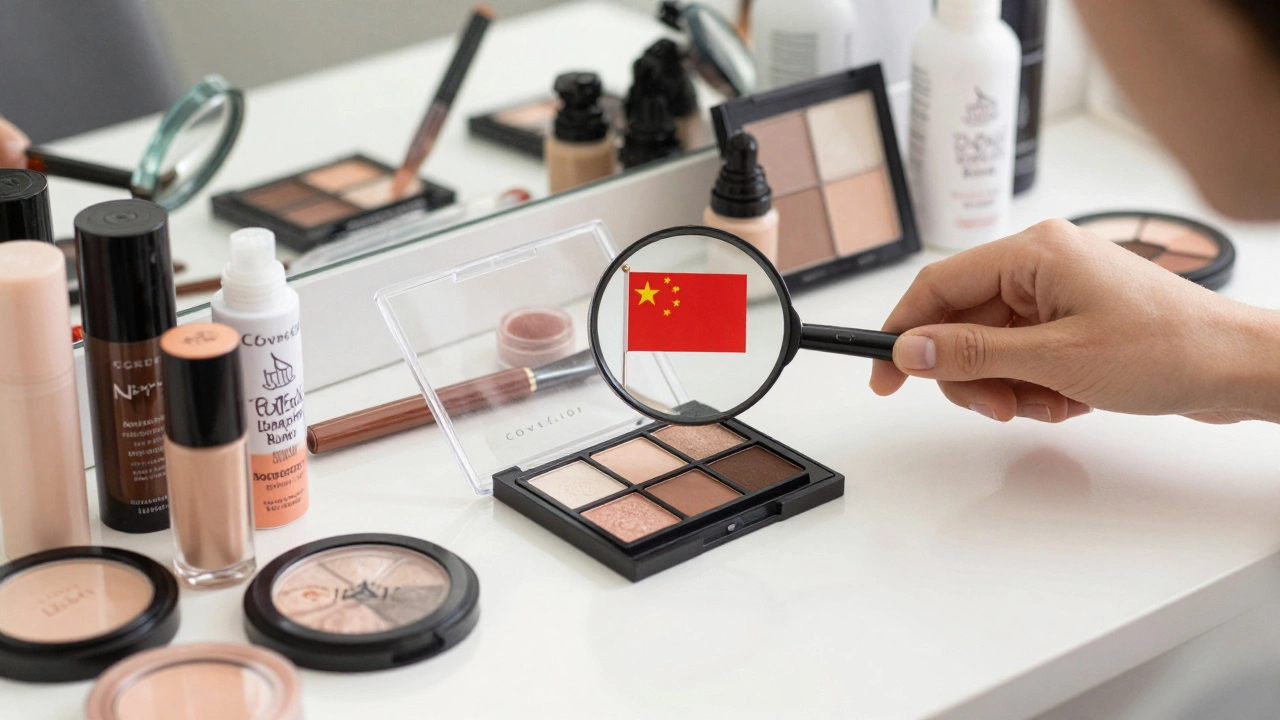
If you care about animal welfare, you have two choices: stop buying CoverGirl, or keep buying it and accept the trade-off.Some people say, "It’s better than nothing." They argue that CoverGirl’s PETA certification raises awareness and that their scale helps normalize cruelty-free makeup. Others say, "If you’re not willing to avoid China, you’re not really cruelty-free."
There’s no single right answer. But if you want to be sure your makeup didn’t cost an animal its life, you need to look beyond the logo. Check the certifications. See where the brand sells. Read the fine print.
How to Spot Real Cruelty-Free Brands
Not all cruelty-free labels are equal. Here’s how to tell the real ones from the greenwashed ones:- Look for the Leaping Bunny logo. It’s the gold standard. Brands must be audited yearly.
- Avoid brands with only "PETA-approved" labels if they sell in China.
- Check the brand’s website for a clear statement: "We do not sell in countries that require animal testing."
- Use apps like Think Dirty or Cruelty-Free Kitty to scan products while you shop.
- When in doubt, contact the brand directly. Ask: "Do you sell in China? If yes, how do you comply with their animal testing laws?"
Final Verdict: Is CoverGirl Cruelty-Free?
CoverGirl is not fully cruelty-free by the strictest definition. They don’t test on animals themselves, but they sell in China, where the government tests their products on animals. They have a few vegan products, but most of their line contains animal ingredients. Their transparency is limited, and they lack third-party certification from Leaping Bunny.If you’re okay with that compromise, then CoverGirl might still be your go-to. But if you want to ensure your makeup doesn’t support animal testing in any form, you’ll need to switch to a brand that refuses to sell in markets that force it.
The truth is, you can’t have it all-cheap, widely available makeup and a completely clean conscience. But you can make a choice that aligns with your values. And that’s more powerful than any slogan on a lipstick tube.
Is CoverGirl really cruelty-free if they sell in China?
No, not by the strict definition. Even if CoverGirl doesn’t test on animals directly, selling in China means their products are subject to mandatory animal testing by government labs. That disqualifies them from being truly cruelty-free in the eyes of many ethical consumers and organizations like Leaping Bunny.
Does CoverGirl use animal-derived ingredients?
Yes, most of their products contain animal-derived ingredients like lanolin, beeswax, carmine, and collagen. They do have a "Clean Fresh" vegan line, but it’s limited. Always check the ingredient list if you’re avoiding animal products.
What’s the difference between PETA-certified and Leaping Bunny-certified?
PETA’s certification only requires a company to sign a statement saying they don’t test on animals. Leaping Bunny requires third-party audits, supply chain verification, and proof that the brand doesn’t sell in countries with mandatory animal testing. Leaping Bunny is stricter and more reliable.
Are CoverGirl’s vegan products truly vegan?
CoverGirl labels some products as vegan, and they don’t contain animal ingredients. But they’re not certified by a vegan organization like The Vegan Society. That means there’s no guarantee about cross-contamination or sourcing. For strict vegans, certified brands are safer.
What’s the best cruelty-free alternative to CoverGirl?
NYX, Urban Decay, and Too Faced are all Leaping Bunny certified, widely available, and offer similar price points and product ranges to CoverGirl. For budget-friendly options, e.l.f. Cosmetics is a top choice with full transparency and no animal testing anywhere.