
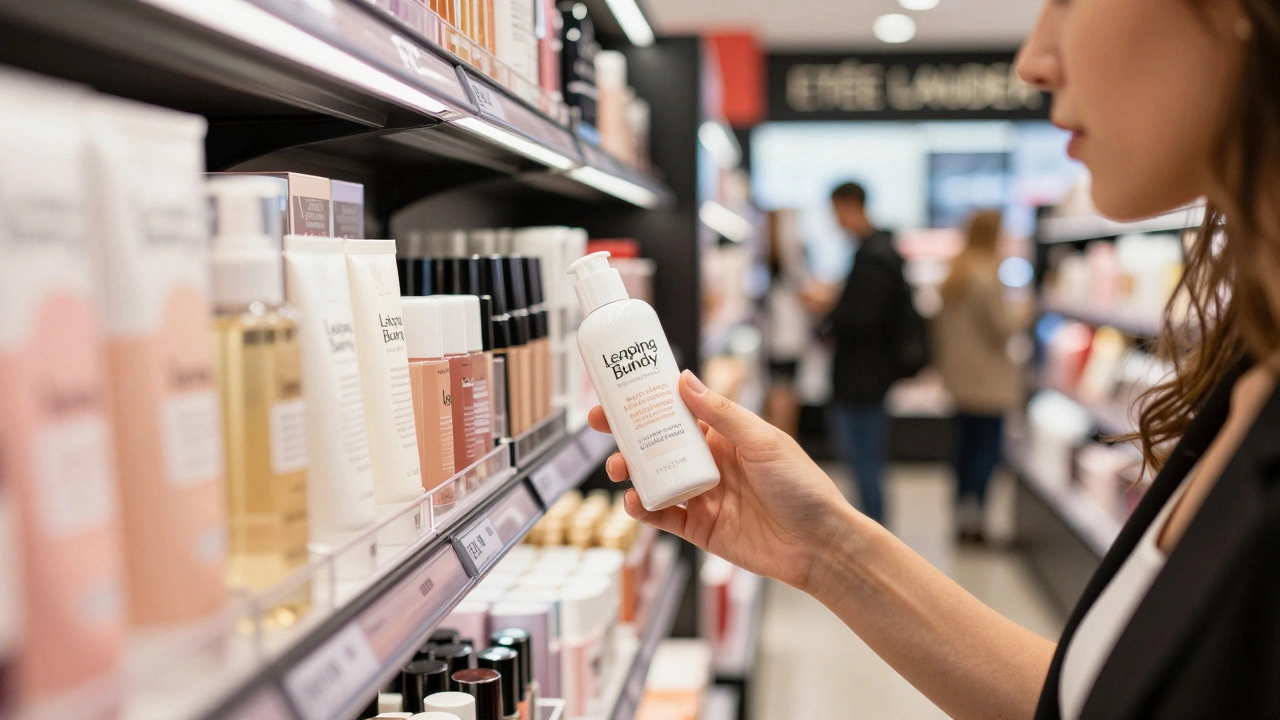
When you walk into Ulta Beauty, you’re greeted with rows of lipsticks, mascaras, and serums from over 500 brands. It’s a paradise for makeup lovers. But if you care about animals, you might be asking: Is Ulta cruelty-free? The answer isn’t simple. And if you’re trying to shop ethically, oversimplified answers won’t help you.
Ulta doesn’t test on animals - but it sells brands that do
Ulta Beauty, the company, doesn’t test its private-label products on animals. That’s clear from their official statement. They’ve signed the Leaping Bunny pledge, which means their own formulations and store-brand items - like the popular Ulta Beauty Collection - are free from animal testing. But here’s the catch: Ulta also sells hundreds of third-party brands. And not all of them follow the same rules.
Brands like MAC, Estée Lauder, and Chanel are sold at Ulta. These companies test on animals when required by law - especially in countries like China, where animal testing is mandatory for imported cosmetics. So even though Ulta itself doesn’t test, it still profits from brands that do. That’s a gray area for many shoppers.
What does ‘cruelty-free’ really mean?
People often use ‘cruelty-free’ to mean one thing: no animals were harmed. But the term isn’t regulated. A brand can slap ‘cruelty-free’ on its packaging and still sell in China. Or, worse, they might outsource testing to third parties to avoid direct responsibility. That’s why certifications matter.
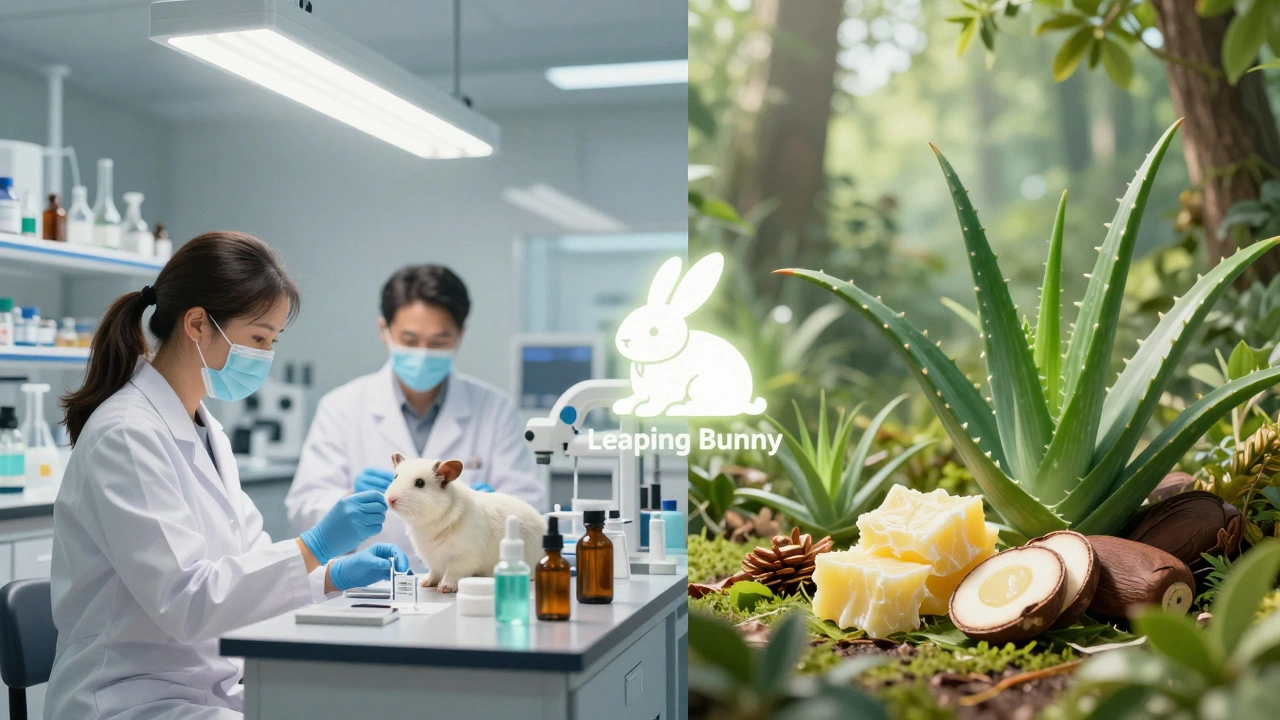
The Leaping Bunny logo (from Cruelty Free International) is the gold standard. It requires companies to audit their entire supply chain and prove no animal testing happens at any stage - even for ingredients. PETA’s Beauty Without Bunnies list is another trusted source, but it’s less strict. It doesn’t require supply chain audits, so some brands on that list still sell in China.
Ulta carries Leaping Bunny-certified brands like Dr. Hauschka, Herbivore Botanicals, and Ilia Beauty. But it also carries brands without any certification. If you’re looking for guaranteed cruelty-free products, you can’t just trust the Ulta shelf label. You need to check each brand’s policy.
Ulta’s own products: safe for animals
Ulta’s in-house line, Ulta Beauty Collection, is certified cruelty-free by Leaping Bunny. That includes their foundation, concealer, lipsticks, and even their makeup brushes. The brand also doesn’t use animal-derived ingredients like beeswax or carmine in this line - making many of their products vegan too.
But here’s something most shoppers don’t realize: Ulta’s private-label products are made by third-party manufacturers. Ulta doesn’t produce them in-house. That means their certification relies on those manufacturers following strict no-testing policies. Ulta audits these suppliers, which is more than most retailers do. That’s why their own line is one of the most reliable cruelty-free options you’ll find at a drugstore-level chain.
Where Ulta falls short
Ulta’s biggest problem is transparency. They don’t clearly label which brands on their shelves test on animals. You won’t find a ‘Tests on Animals’ badge next to Estée Lauder or Lancôme. You have to dig. And most people won’t.
Also, Ulta doesn’t require its vendors to be cruelty-free. Unlike Sephora, which has a stricter policy and removes brands that test on animals, Ulta prioritizes variety over ethics. If a brand sells well and has a big marketing budget, Ulta will carry it - even if it’s linked to animal testing.
There’s also the issue of parent companies. Too Faced is cruelty-free. But it’s owned by Coty, which tests on animals for its other brands. Does that make Too Faced truly ethical? Some say yes - others say no. Ulta doesn’t clarify these corporate ties.
What you can do as a shopper
You don’t have to give up Ulta to shop ethically. But you need to be smarter.
- Look for the Leaping Bunny logo on packaging - it’s small, but it’s there on certified brands.
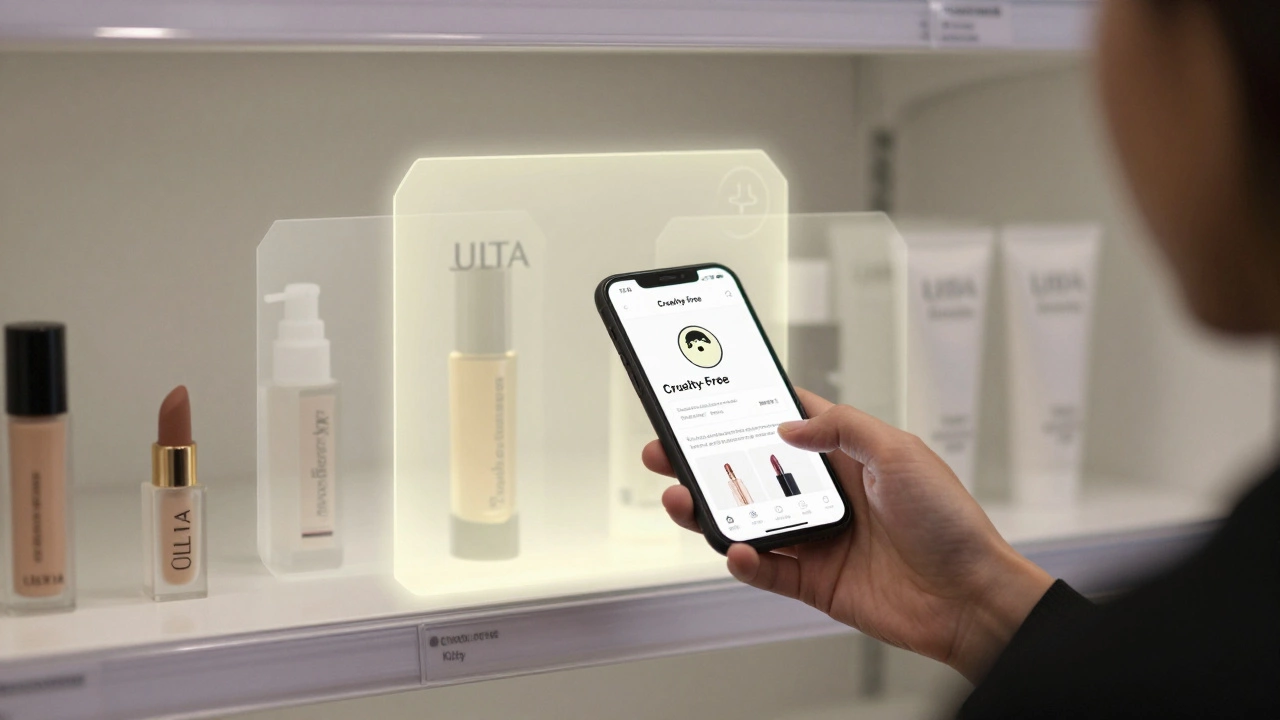
- Use the Cruelty-Free Kitty app or website. Scan a product’s barcode and it tells you if it’s safe.
- Stick to Ulta’s own brand for basics like primer, mascara, and blush. It’s the most reliable option.
- Avoid brands like Maybelline, L’Oréal, and Revlon - they’re owned by companies that test in China.
- Ask store staff for cruelty-free recommendations. Many know which brands are safe.
Ulta’s website has a filter for ‘Cruelty-Free’ under ‘Brand Values’. But it’s not perfect. It includes brands that are only PETA-certified, which isn’t as strong as Leaping Bunny. So use it as a starting point, not a final answer.
Alternatives if Ulta isn’t enough
If you want a retailer that’s fully aligned with cruelty-free values, consider:
- Sephora: They removed brands that test on animals in 2021, but still carry some that do - like Lancôme. Their policy is better than Ulta’s, but not flawless.
- Credo Beauty: They only carry brands that are Leaping Bunny certified or have full supply chain transparency. No exceptions.
- Target: Carries a growing selection of certified brands like Dr. Bronner’s, Herbivore, and ACURE.
- Online-only retailers: Brands like Beautycounter and Earthwise Beauty sell directly and are fully transparent.
Ulta isn’t the enemy. But it’s not the hero either. It’s a middle ground. You can find ethical products there - if you know where to look.
What’s changing in 2026?
China lifted its mandatory animal testing rule for general cosmetics in 2021 - but only for products made and sold domestically. Imported products still face testing unless they’re classified as ‘special-use’ (like sunscreen or whitening creams). Most big brands still test because they sell both types.
More brands are pushing for ‘no animal testing’ status by selling only in China through cross-border e-commerce. That’s a loophole - and it’s growing. Ulta hasn’t updated its policy to reflect this shift.
Meanwhile, the U.S. FDA is considering a ban on animal testing for cosmetics. If that passes, everything could change. But for now, the responsibility falls on you - the shopper.
Ulta isn’t cruelty-free. But it’s not the opposite, either. It’s a marketplace. And like any marketplace, it reflects the choices of its customers. If you buy from certified brands there, you’re voting for change. If you ignore the labels, you’re supporting the status quo.
Is Ulta Beauty’s own brand cruelty-free?
Yes. Ulta Beauty’s private-label collection is certified cruelty-free by Leaping Bunny. None of their in-house products are tested on animals, and many are also vegan. This includes their makeup, skincare, and brushes.
Does Ulta sell brands that test on animals?
Yes. Ulta carries major brands like MAC, Estée Lauder, Lancôme, and Maybelline - all owned by companies that test on animals when required by law, especially in China. Ulta doesn’t ban these brands, even though they’re not cruelty-free.
What’s the difference between Leaping Bunny and PETA’s list?
Leaping Bunny requires full supply chain audits and bans sales in countries that require animal testing. PETA’s list only asks brands to sign a statement - no audits, no restrictions on China sales. Leaping Bunny is stricter and more reliable.
Can I trust Ulta’s ‘Cruelty-Free’ filter online?
Use it as a starting point, not a guarantee. Ulta’s filter includes brands certified by PETA, which is less strict than Leaping Bunny. Some products on that list still sell in China. Always check the brand’s own policy or use the Cruelty-Free Kitty app.
Are all vegan products cruelty-free?
No. Vegan means no animal ingredients. Cruelty-free means no animal testing. A product can be vegan but still tested on animals - or vice versa. Always check both labels if you care about ethics.