
Organic Skincare Ingredient Risk Checker
Select Your Profile
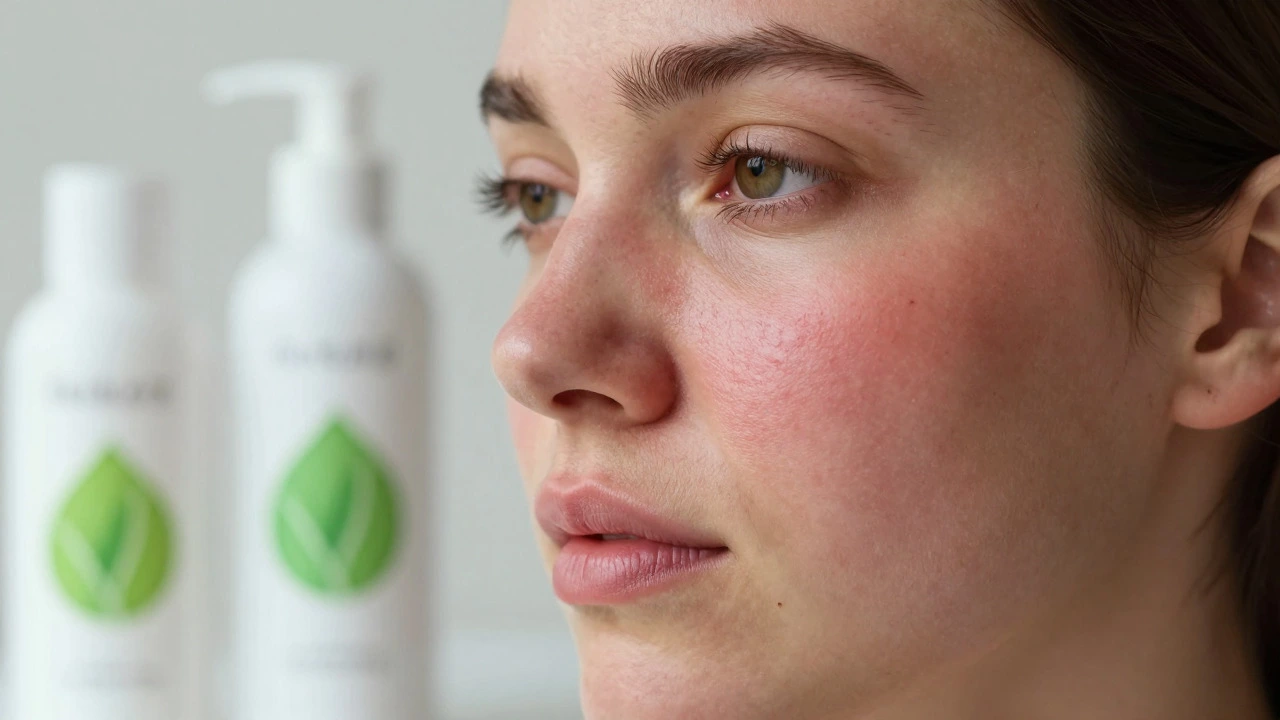
There is a widespread belief that if something is labeled "organic" or "natural," it must be safe for everyone. We see the leaf icons on packaging and assume our skin will love it. But biology doesn't care about marketing labels. In fact, switching to organic skincare can sometimes trigger reactions just as severe as those caused by synthetic products. If you have recently switched to green beauty and noticed redness, itching, or breakouts, you are not alone. Understanding why this happens is the first step to fixing your routine.
The Myth of "Natural Means Safe"
We need to address the biggest misconception in the beauty industry right away. The word "natural" has no legal definition in cosmetics. A product can contain 99% water and 1% lavender oil and still claim to be natural. More importantly, nature is full of potent chemicals. Poison ivy is organic. Belladonna is organic. Just because an ingredient comes from a plant does not mean it is gentle on human skin.
When you buy organic skincare products made with ingredients derived from agriculture without synthetic pesticides, you are often exposing your skin to complex mixtures of essential oils, botanical extracts, and natural preservatives. These compounds are biologically active. They interact with your skin's barrier and immune system. For some people, these interactions cause inflammation rather than healing.
Common Irritants in Green Beauty Products
If you are experiencing side effects, look at your ingredient list. Several common "clean" ingredients are notorious for causing sensitivity.
- Essential Oils: Ingredients like peppermint, citrus (lemon, lime, bergamot), cinnamon, and eucalyptus are highly volatile. They can strip the skin's natural moisture barrier and cause contact dermatitis. Citrus oils also contain furanocoumarins, which make your skin photosensitive, leading to burns when exposed to sunlight.
- Fragrance (Even Natural): Many organic brands use floral waters or essential oil blends for scent. Fragrance is the number one cause of cosmetic allergy. Even "unscented" natural products may smell earthy or herbal due to the base ingredients, which can still irritate sensitive noses and skin.
- Nut Oils: Almond, walnut, or macadamia nut oils are popular emollients. If you have a tree nut allergy, applying these topically can trigger a reaction. Cross-reactivity is real; even if you don't react to eating nuts, your skin might react to the proteins in the oil.
- Botanical Extracts: Chamomile, calendula, and echinacea are soothing for many, but they belong to the Asteraceae family. People allergic to ragweed, chrysanthemums, or marigolds often react to these skincare ingredients too.
Preservative Challenges in Organic Formulas
This is where the science gets tricky. Synthetic preservatives like parabens and phenoxyethanol are effective at stopping bacteria and mold from growing in your jar of cream. Organic standards often restrict or ban these synthetics. So, what do brands use instead?
Many rely on natural preservatives like grapefruit seed extract, rosemary extract, or radish root ferment filtrate. While these work to some extent, they are often less stable and less broad-spectrum than their synthetic counterparts. This leads to two potential problems:
- Product Spoilage: If the preservative system fails, bacteria can grow in the product. Using contaminated skincare can lead to acne, fungal infections, or staph infections. Always check the expiration date and store products in cool, dark places.
- Irritation from Alternative Preservatives: Some natural preservatives, such as certain types of alcohol or high concentrations of essential oils used for their antimicrobial properties, can sting and dry out the skin.
| Ingredient Type | Common Source | Potential Side Effect | Risk Level |
|---|---|---|---|
| Citrus Essential Oils | Lemon, Lime, Bergamot | Photosensitivity, Burning | High |
| Peppermint Oil | Mentha piperita | Stinging, Redness | Medium-High |
| Almond Oil | Prunus dulcis | Allergic Reaction (Nut Allergy) | High (for allergic individuals) |
| Sodium Lauryl Sulfate (SLS) | Coconut/Palm (can be natural-derived) | Dryness, Barrier Damage | Medium |
| Chamomile Extract | Matricaria chamomilla | Contact Dermatitis (Ragweed allergy) | Low-Medium |

Why Your Skin Might Be Breaking Out
You might think organic products are non-comedogenic (won't clog pores) because they are "light." However, many organic moisturizers rely heavily on plant butters and heavy oils like shea butter, cocoa butter, and coconut oil. These are fantastic for dry, cracked skin, but they can be too occlusive for oily or acne-prone skin types.
When you apply a thick layer of unrefined coconut oil, it seals the surface. If your pores are already congested with dead skin cells, that seal traps bacteria inside. This creates an ideal environment for P. acnes bacteria to thrive, leading to breakouts. It’s not that the oil is "bad"; it’s just mismatched with your skin type.
How to Safely Introduce Organic Products
Don’t throw out your entire routine if you had a bad reaction. Instead, change how you introduce new products. The goal is to identify the culprit without damaging your skin barrier further.
1. The Patch Test Rule
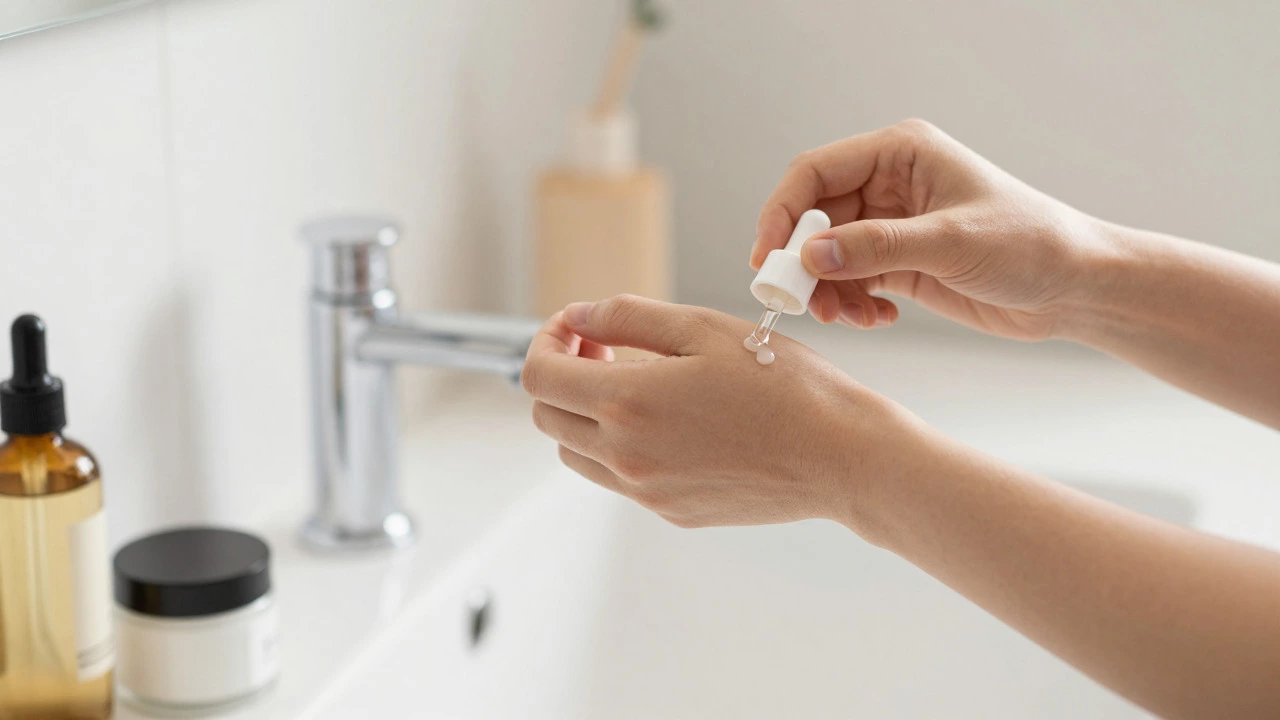
Before applying a new serum, cream, or oil to your face, test it. Apply a dime-sized amount behind your ear or on the inside of your wrist. Wait 24 to 48 hours. If you see redness, feel heat, or notice itching, wash it off immediately. That product is not for you.
2. One Product at a Time
Never overhaul your entire regimen overnight. If you switch your cleanser, toner, moisturizer, and sunscreen all on Monday, and get a rash on Wednesday, you won’t know which product caused it. Introduce one new organic product every two weeks. This isolates variables and makes troubleshooting easy.
3. Check the INCI List, Not the Front Label
Marketing terms like "pure," "eco-friendly," and "dermatologist-tested" are vague. Look at the International Nomenclature of Cosmetic Ingredients (INCI) list on the back. Read every ingredient. If you see "Limonene" or "Linalool" (common allergens found in citrus and lavender), proceed with caution if you have sensitive skin.
When to See a Dermatologist
Sometimes, home remedies and careful selection aren't enough. If you experience swelling of the eyes or lips, difficulty breathing, or widespread hives after using a product, seek medical attention immediately. These are signs of a severe allergic reaction (anaphylaxis).
For persistent issues like chronic eczema flares or cystic acne that started after switching to organic skincare, consult a board-certified dermatologist. Bring the product containers with you. A dermatologist can perform patch testing to identify specific allergens. They might find that you are allergic to a specific botanical compound, allowing you to avoid that entire family of plants in the future.
Conclusion: Balance is Key
Organic skincare can be a wonderful choice for reducing exposure to certain synthetic chemicals and supporting sustainable agriculture. However, it is not inherently superior or safer for every individual. Your skin is unique. Its needs depend on your genetics, environment, and current health status. Treat "organic" as a category of ingredients, not a guarantee of results. Listen to your skin, test carefully, and prioritize formulation quality over marketing buzzwords.
Can organic skincare cause acne?
Yes. Many organic products use heavy plant oils and butters like coconut oil, shea butter, and cocoa butter. While these are moisturizing, they can be comedogenic (pore-clogging) for oily or acne-prone skin types, trapping bacteria and leading to breakouts.
Are essential oils safe for sensitive skin?
Not always. Essential oils are highly concentrated plant extracts. Common irritants include peppermint, citrus oils (like lemon and lime), and cinnamon. They can cause contact dermatitis, stinging, and photosensitivity. If you have sensitive skin, look for fragrance-free organic products or those using only mild, low-concentration botanicals.
Why do my organic products expire so quickly?
Organic standards often restrict strong synthetic preservatives like parabens. Natural alternatives, such as radish root ferment or grapefruit seed extract, are generally less potent and have a narrower spectrum of protection against bacteria and mold. This means organic products often have shorter shelf lives and require stricter storage conditions.
How long should I wait between introducing new organic products?
It is best to introduce one new product every two weeks. This allows enough time for any delayed allergic reactions or sensitivities to appear. If you introduce multiple products at once, it becomes difficult to identify which ingredient caused a negative reaction.
Is "natural" better than "synthetic" for skin health?
Not necessarily. "Natural" does not mean safe; poison ivy is natural. Many synthetic ingredients, such as hyaluronic acid or niacinamide, are well-tolerated, stable, and highly effective. The safety of an ingredient depends on its molecular structure and concentration, not its origin. Both natural and synthetic ingredients can cause irritation or allergies.