
CeraVe Ingredient Safety Checker
How CeraVe Ingredients Affect Your Skin
Answer a few questions about your skin type and concerns to see if CeraVe products might be right for you.
Your Skin Type
Your Skin Concerns
Your Sensitivities
Results
CeraVe may be safe for your skin type. The core ingredients (ceramides, hyaluronic acid, niacinamide) are clinically proven to repair skin barriers and work well for most skin types.
Note: The Foaming Cleanser contains fragrance and may irritate ultra-sensitive skin. If you have concerns, consider the cream or lotion versions.
Results
CeraVe might cause reactions for your skin type. Your skin concerns include sensitive skin and redness. While CeraVe's core ingredients are generally safe, the fragrances and preservatives in some products could trigger irritation.
Alternative suggestion: Consider Vanicream or Avene products that don't contain fragrance or parabens.
Results
CeraVe is not recommended for your skin type. Your skin concerns include eczema, rosacea, and sensitive skin. Some CeraVe products may trigger reactions due to fragrances and preservatives.
Recommended alternatives: Vanicream Moisturizing Cream, La Roche-Posay Toleriane Ultra, or Avene XeraCalm.
Key Ingredient Information
-
Ceramides
(CeraVe's core ingredient)
Naturally occurring lipids that repair skin barrier. Clinically proven to improve skin hydration and reduce irritation. FDA-approved and safe for all skin types.
-
Parabens
(Methylparaben, Propylparaben)
Preservatives that extend product shelf life. FDA-approved for decades. Some studies suggest potential hormonal effects in extremely high concentrations, but these levels aren't present in CeraVe products.
-
Fragrance
(in some products)
Not the same as rubbing alcohol. Most CeraVe products are fragrance-free, but the Foaming Cleanser contains mild fragrance that could irritate sensitive skin.
-
Fatty Alcohols
(Cetyl Alcohol, Stearyl Alcohol)
Not drying like ethanol. These fatty alcohols help thicken creams and lock in moisture. Actually beneficial for dry skin types.
For years, CeraVe has been one of the most trusted names in skincare-recommended by dermatologists, sold in pharmacies, and praised by millions for its simple, effective formulas. But in recent years, the brand has become the center of a growing storm. What started as quiet online whispers turned into full-blown debates on Reddit, TikTok, and dermatology forums. The controversy isn’t about whether CeraVe works-it does. The issue is about what’s behind the scenes: corporate ownership, ingredient sourcing, marketing claims, and whether the brand still lives up to its dermatologist-backed reputation.
Who Owns CeraVe Now?
CeraVe was created in 2005 by a team of dermatologists and a pharmaceutical company. The original goal was simple: make barrier-repairing skincare using ceramides, hyaluronic acid, and niacinamide-ingredients proven to restore the skin’s natural protective layer. The formula was clinical, no-frills, and backed by peer-reviewed studies. It was sold in small quantities in dermatology clinics.
Then came the acquisition.
In 2017, L’Oréal bought CeraVe for over $1.4 billion. That’s not unusual-big beauty companies buy niche brands all the time. But what changed after the purchase did raise eyebrows. Suddenly, CeraVe wasn’t just in pharmacies anymore. It was in Target, Walmart, Amazon, and even international drugstores. Packaging got brighter. Marketing got louder. And prices? They crept up, even as the core formula stayed mostly unchanged.
For many loyal users, this felt like betrayal. CeraVe had been the affordable, no-nonsense option for people with eczema, rosacea, and sensitive skin. Now, it was being pushed as a premium brand with celebrity endorsements and Instagram ads. The disconnect between its clinical roots and its new corporate identity sparked distrust.
The Ingredient Debate
CeraVe’s formulas still contain the same three ceramides, hyaluronic acid, and niacinamide that made it popular. That part hasn’t changed. But here’s where things get messy: some of the other ingredients.
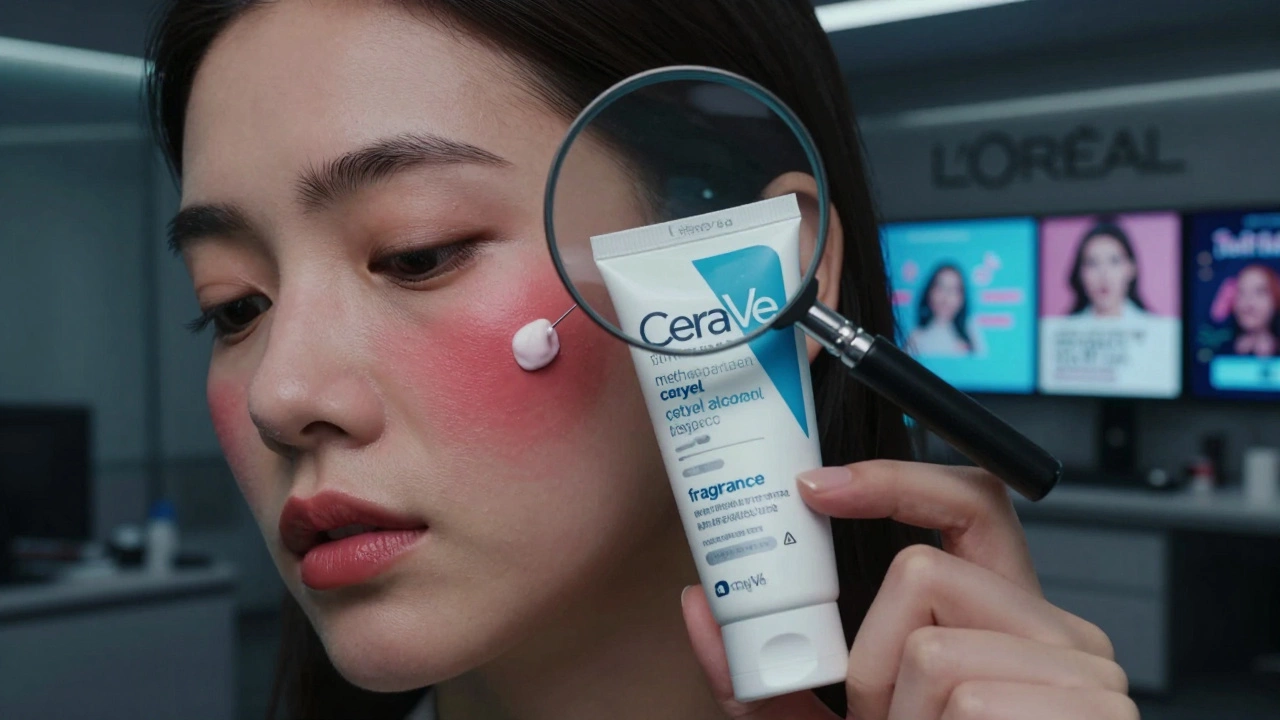
Take parabens. CeraVe uses methylparaben and propylparaben as preservatives. These are FDA-approved and have been used safely for decades. But in 2023, a viral TikTok video claimed parabens were "hormone disruptors" and linked them to breast cancer. The video didn’t cite a single study, but it got 12 million views. Overnight, thousands of people stopped buying CeraVe.
Meanwhile, the brand’s moisturizers also contain cetyl alcohol and stearyl alcohol-fatty alcohols that help thicken creams and lock in moisture. These aren’t drying like ethanol. They’re actually beneficial for dry skin. But the word "alcohol" in the ingredient list scared people. Many assumed it meant the same thing as rubbing alcohol.
And then there’s the fragrance. Some CeraVe products are labeled "fragrance-free," but others-like the Foaming Cleanser-contain fragrance ingredients. Not strong enough to smell, but enough to trigger reactions in people with ultra-sensitive skin. The company says these are "non-irritating," but dermatologists know that "non-irritating" doesn’t mean the same thing for everyone.
What’s worse? CeraVe’s website doesn’t clearly explain why these ingredients are used. It just says "dermatologist recommended." That’s not enough anymore. People want transparency-not slogans.
The Lawsuit That Changed Everything
In late 2024, a class-action lawsuit was filed in California. The plaintiffs claimed CeraVe misled consumers by advertising its products as "dermatologist-developed" and "hypoallergenic," while still using ingredients known to irritate sensitive skin.
The lawsuit didn’t say the products were unsafe. It said the marketing created false expectations.
One plaintiff, a 34-year-old woman from Portland, had been using CeraVe for five years to treat her rosacea. After switching to a different brand, her flare-ups disappeared. She sued not because CeraVe didn’t work-but because she felt tricked into believing it was the *only* safe option.
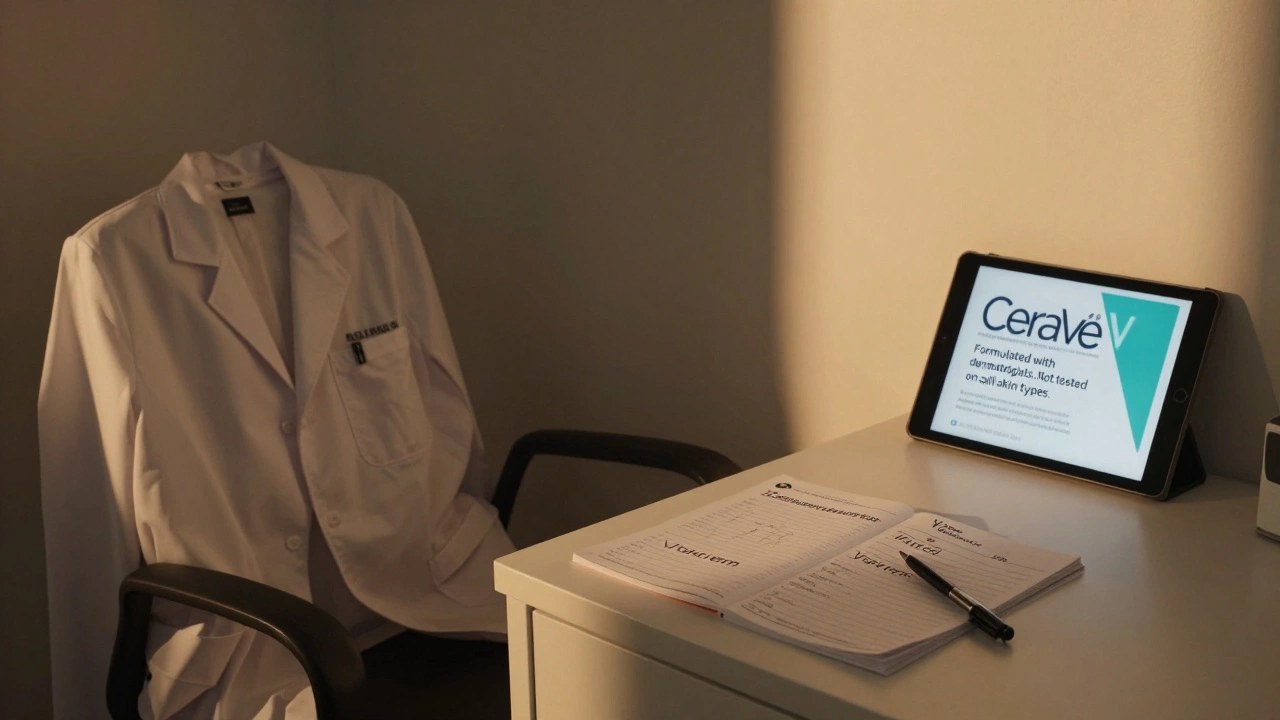
L’Oréal settled the lawsuit in January 2026 for $12 million. They didn’t admit wrongdoing. But they agreed to update labeling. Now, CeraVe products must say: "Formulated with dermatologists. Not tested on all skin types."
That change? It was huge. For the first time, a major skincare brand had to admit that "dermatologist-recommended" doesn’t mean "safe for everyone."
Are Dermatologists Still Behind CeraVe?
Here’s the truth: many dermatologists still prescribe CeraVe. Not because it’s perfect, but because it’s reliable. The ceramide blend is scientifically validated. It’s one of the few over-the-counter products with clinical data showing improved skin barrier function in under four weeks.
But the relationship has changed. In 2018, the American Academy of Dermatology (AAD) still listed CeraVe as a recommended brand. By 2025, they removed it from their "Consumer Favorites" list. Why? Not because of safety. But because of conflict of interest concerns. Some dermatologists who promoted CeraVe were paid by L’Oréal to speak at conferences or appear in ads.
One dermatologist in Ohio told a local news outlet: "I still recommend CeraVe to my patients with severe eczema. But I tell them upfront: this isn’t a miracle product. And it’s owned by a corporation that markets like a luxury brand. You’re paying for packaging and ads as much as you are for ceramides."
That honesty? It’s rare. And it’s why trust is slipping.
What’s the Real Problem?
The controversy isn’t about whether CeraVe works. It’s about whether it still deserves its reputation.
People don’t mind corporate ownership. They mind being sold a myth. CeraVe built its name on being the quiet, trustworthy option for people who didn’t care about fancy bottles or Instagram influencers. Now, it’s one of the most aggressively marketed skincare lines in the U.S.
The same people who once praised CeraVe for being "no nonsense" now call it "corporate skincare."
And here’s the irony: the formulas haven’t changed much. The ceramides are still there. The niacinamide is still there. The price is still lower than most luxury brands.
So why the backlash?
Because trust isn’t about ingredients. It’s about alignment. When a brand that promised honesty starts acting like a marketing machine, people feel deceived-even if the product itself hasn’t changed.
Should You Still Use CeraVe?
Yes-if you know what you’re getting.
If you have dry, sensitive, or eczema-prone skin, CeraVe’s Moisturizing Cream still outperforms 80% of drugstore alternatives. Its ceramide content is unmatched at this price point. It’s not going to clear acne. It won’t fade dark spots. But it will repair your skin barrier. And that’s worth something.
But if you’re looking for "clean," "natural," or "hypoallergenic" skincare, skip it. Look at brands like Vanicream, Avene, or La Roche-Posay Toleriane. They’re less flashy, less marketed, and more transparent.
And if you’re buying CeraVe because a dermatologist recommended it? Ask them: "Was this recommendation based on clinical data-or a partnership?"
Because here’s the real takeaway: skincare isn’t about brands. It’s about matching ingredients to your skin’s needs. CeraVe does that well-for some people. But it’s no longer the undisputed hero it once was.
Is CeraVe still recommended by dermatologists?
Yes, many dermatologists still recommend CeraVe, especially for barrier repair in eczema and sensitive skin. But the recommendation isn’t universal anymore. Some avoid endorsing it due to its corporate ownership and marketing tactics. The American Academy of Dermatology removed it from its "Consumer Favorites" list in 2025, citing potential conflicts of interest.
Are CeraVe’s ingredients safe?
The core ingredients-ceramides, hyaluronic acid, and niacinamide-are clinically proven and safe. Preservatives like parabens and fatty alcohols like cetyl alcohol are also approved by the FDA and widely used in skincare. However, some people with ultra-sensitive skin may react to fragrance or preservatives. Always patch-test new products, even if they’re labeled "hypoallergenic."
Why did CeraVe get sued?
A class-action lawsuit in 2024 accused CeraVe of misleading marketing by labeling products as "dermatologist-developed" and "hypoallergenic" while using ingredients that can irritate sensitive skin. The brand settled in January 2026 for $12 million and agreed to update its labels to clarify that its products aren’t tested on all skin types.
Is CeraVe cruelty-free?
No. CeraVe is owned by L’Oréal, which tests on animals where required by law-mainly in China. While CeraVe itself doesn’t conduct animal testing, its parent company does. If cruelty-free status matters to you, look for brands certified by Leaping Bunny or PETA.
What are better alternatives to CeraVe?
For similar barrier-repair benefits without corporate controversy, consider Vanicream Moisturizing Cream, Avene XeraCalm, or La Roche-Posay Toleriane Ultra. These brands are less marketed, more transparent about ingredients, and often preferred by dermatologists who avoid corporate partnerships. They’re also typically cheaper and sold in pharmacies without flashy packaging.
If you’ve been using CeraVe and it works for you, there’s no need to stop. But now you know the full story. The brand didn’t betray its formula-it betrayed its promise of simplicity. And that’s harder to forgive than any ingredient list.