
Interactive Skincare Routine Builder
Master the "Holy Trinity" of skincare. Follow these steps in order for glowing, healthy skin.
Title
Description
Routine Complete!
You have successfully built a solid foundation for your skincare routine. Remember: consistency is key.
Have you ever stared at a bathroom counter cluttered with serums, creams, and toners, wondering which one goes first? You are not alone. The beauty industry loves to complicate things, selling us the idea that we need twelve different products just to look decent in the morning. But here is the truth: your skin does not want complexity. It wants consistency and clarity.
Getting your proper skin care routine down to a science isn't about buying the most expensive jar on the shelf. It is about understanding what your skin actually needs versus what marketing tells you it needs. Whether you have oily, dry, or sensitive skin, the foundation of healthy skin remains the same. Let’s strip away the noise and build a routine that actually works for your life.
The Non-Negotiable Core: Cleanse, Moisturize, Protect
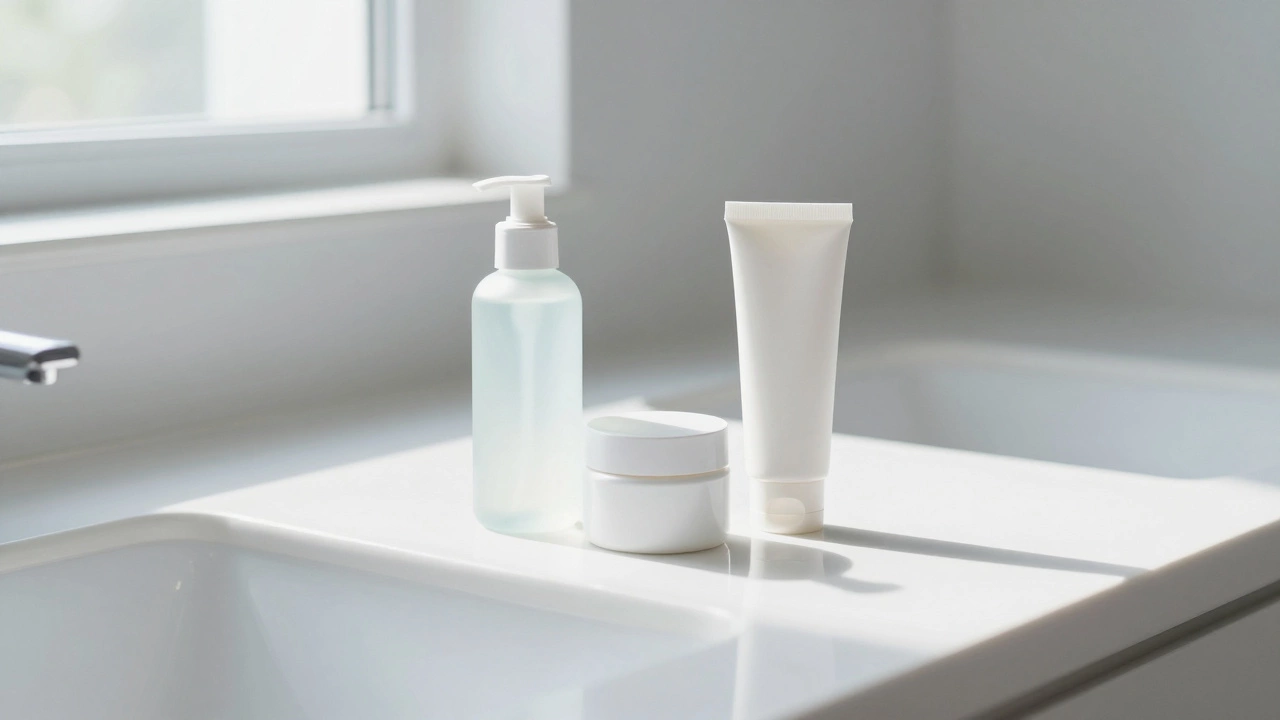
Before you worry about anti-aging peptides or brightening vitamin C, you need to master the holy trinity of skincare. These three steps are the bedrock of every effective regimen. If you skip these, no amount of fancy treatment will save you.
Cleansing isthe process of removing dirt, oil, makeup, and pollutants from the skin's surface. Think of it like washing your face after a long day in Brighton’s salty sea air. If you don’t clean the canvas, any paint you put on top will just sit there, looking muddy. Use a gentle cleanser that doesn’t strip your skin. If your face feels tight or squeaky after washing, you’ve gone too hard. Aim for a soft, hydrated feel.
Moisturizing isapplying a product to hydrate the skin and reinforce its barrier function. Even if you have oily skin, you need this step. Oily skin often overproduces oil because it is dehydrated. A lightweight, non-comedogenic moisturizer helps balance this out. For dry skin, look for ceramides and hyaluronic acid to lock in water.
Sunscreen isa topical agent that absorbs or reflects some of the sun's ultraviolet radiation. This is the single most important anti-aging step you can take. UV rays break down collagen, cause dark spots, and increase cancer risk. No matter how cloudy it is, wear SPF 30 or higher every single morning. Reapply if you are outside for more than two hours.
Morning vs. Night: Why Timing Matters
Your skin has a circadian rhythm, much like your sleep cycle. During the day, it is in defense mode, fighting off pollution and UV rays. At night, it switches to repair mode, rebuilding cells and recovering from daily stress. Your routine should reflect this shift.
| Time of Day | Primary Goal | Key Ingredients to Look For | Products to Avoid |
|---|---|---|---|
| Morning | Protection & Prevention | Vitamin C, Antioxidants, Sunscreen | Retinol, Strong Exfoliants (AHAs/BHAs) |
| Evening | Cleaning & Repair | Retinoids, Peptides, Ceramides | Heavy Sunscreens, Vitamin C (can be irritating at night for some) |
In the morning, focus on antioxidants like Vitamin C. They neutralize free radicals from pollution before they damage your DNA. In the evening, you can introduce active ingredients like retinol. Retinol speeds up cell turnover, but it makes your skin sensitive to sunlight, which is why it belongs strictly in your PM routine.

Tailoring Your Routine to Your Skin Type
One size does not fit all. What works for your friend might cause you to break out. Identifying your skin type is crucial for choosing the right textures and ingredients.
- Oily Skin: You shine by midday and may have enlarged pores. Stick to gel-based cleansers and oil-free moisturizers. Look for niacinamide, which helps regulate oil production without drying you out.
- Dry Skin: Your skin feels tight, looks dull, or flakes. Use creamy, hydrating cleansers and richer moisturizers with oils like squalane or jojoba. Avoid foaming cleansers that strip natural lipids.
- Combination Skin: You have an oily T-zone (forehead, nose, chin) but dry cheeks. This is common. You might need to use different products on different areas, or find a balanced middle ground with lightweight lotions.
- Sensitive Skin: Your skin reacts easily with redness or stinging. Keep it simple. Fragrance-free is non-negotiable. Look for soothing ingredients like centella asiatica or oat extract. Patch test everything new behind your ear for 48 hours.
The Art of Layering: Order of Operations
If you decide to add serums or treatments, the order matters. The general rule is thin to thick. You want the lighter molecules to penetrate first, followed by heavier barriers that seal them in.
- Cleanser: Wash your face.
- Toner (Optional): If you use one, apply it now. Modern toners are hydrating, not astringent.
- Serum/Treatment: Apply your actives here. Vitamin C in the AM, Retinol in the PM.
- Eye Cream (Optional): Gently pat around the orbital bone.
- Moisturizer: Lock in the hydration.
- Sunscreen (AM only): The final step. Never apply makeup over sunscreen; let it set for a minute first.
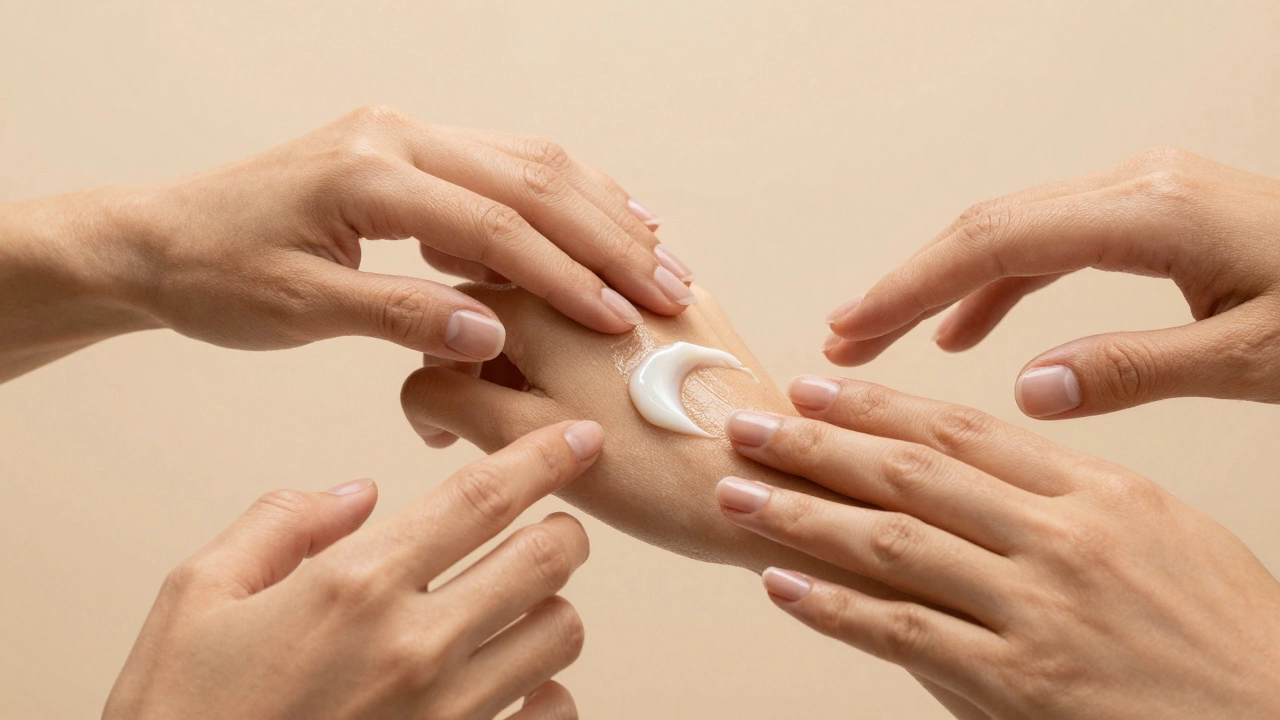
Wait thirty seconds between each step. This allows the product to absorb rather than pill up on your face. Pilling happens when products clash chemically or physically, leaving little white rolls of product on your skin. It’s annoying and means the ingredient isn’t working.
Common Mistakes That Sabotage Results
Even with the best products, bad habits can ruin your progress. Here are the pitfalls I see people fall into constantly.
Over-exfoliating: Just because a scrub says "use daily" doesn’t mean you should. Over-exfoliation damages your moisture barrier, leading to redness, breakouts, and sensitivity. Limit physical scrubs and chemical exfoliants (like glycolic acid) to 1-3 times a week max. Listen to your skin. If it stings, stop.
Ignoring the Neck and Chest: Your face is not an island. The skin on your neck and décolletage ages just as fast, often faster because we forget to protect it. Extend your sunscreen and moisturizer down to your chest.
Changing Products Too Often: Skin cycles take about 28 days. If you try a new retinol for three days and hate it, you haven’t given it a fair shot. However, if you experience severe burning or allergic reactions, wash it off immediately. Otherwise, give new actives at least four weeks to show results.
Not Washing Pillowcases: You spend eight hours a night pressing your face into fabric covered in sweat, oil, and hair products. Change your pillowcase twice a week. It’s cheaper than any serum and prevents acne mechanica.
When to See a Professional
A home routine is powerful, but it has limits. If you have persistent cystic acne, rosacea, or sudden changes in your skin texture, see a dermatologist. Topical products cannot fix hormonal imbalances or deep structural issues. A professional can prescribe stronger retinoids, antibiotics, or procedures like lasers that offer results creams cannot match.
Remember, skincare is self-care, not punishment. It should be a moment of calm in your day, not a chore that stresses you out. Start simple, stay consistent, and let your skin do what it does best: heal itself.
How many steps should a beginner skincare routine have?
A beginner routine should have only three steps: cleanse, moisturize, and sunscreen (in the morning). Once you are comfortable with these basics, you can slowly add one active ingredient at a time, such as a vitamin C serum or retinol.
Can I use the same moisturizer for my face and body?
Technically yes, but facial skin is thinner and more sensitive than body skin. Body lotions often contain fragrances or thicker emollients that can clog facial pores. It is better to use a dedicated facial moisturizer formulated for your specific skin type.
Is double cleansing necessary?
Double cleansing is highly recommended if you wear waterproof makeup or high-SPF sunscreen. An oil-based cleanser breaks down makeup and sunscreen, while a water-based cleanser removes sweat and dirt. If you wear no makeup, a single gentle cleanser is sufficient.
How long does it take to see results from a new routine?
Most improvements in hydration and texture can be seen within two to four weeks. However, treating concerns like hyperpigmentation or fine lines with ingredients like retinol or vitamin C typically takes three to six months of consistent use.
Should I ice my face for puffiness?
Icing can temporarily reduce puffiness by constricting blood vessels, but it is not a replacement for proper skincare. Be careful not to apply ice directly to the skin, as it can cause cold burns. Wrap ice in a cloth and limit contact to under a minute per area.