
Global Beauty Habits Explorer
Explore how cultural norms, economics, and media influence makeup habits across different regions. Click a region below to view detailed insights.
East Asia
South Korea & Japan
United States
Volume & Diversity
Western Europe
Skincare First
Middle East
Luxury & Eyes
East Asia (South Korea/Japan)
Primary Focus
Perfection & Grooming
Top Products
Bases (BB/Cushion), Eye Makeup
Avg. Daily Time Spent
Key Insight
High per capita spending driven by social pressure and multi-step routines. Makeup is viewed as professional grooming.
Test Your Knowledge
Question 1: Which region prioritizes skincare over color cosmetics?
Question 2: Why is eye makeup particularly popular in the Middle East?
You might think you know who wears the most makeup. Maybe it’s the Hollywood stars, or perhaps it’s the influencers flooding your Instagram feed with flawless contouring. But when you dig into the actual data on global beauty consumption, the answer is rarely where you expect it to be. It isn’t just about who buys the most lipstick; it’s about cultural norms, economic accessibility, and what "wearing makeup" even means in different parts of the world.
If you are asking "what ethnicity wears the most makeup," you are looking for a single winner in a game that doesn't have one scoreboard. The reality is far more nuanced. Some cultures prioritize skincare over color cosmetics, while others treat full-face application as a daily social requirement. To understand this, we need to look at market penetration rates, average spending per capita, and cultural attitudes toward cosmetics across major demographic groups.
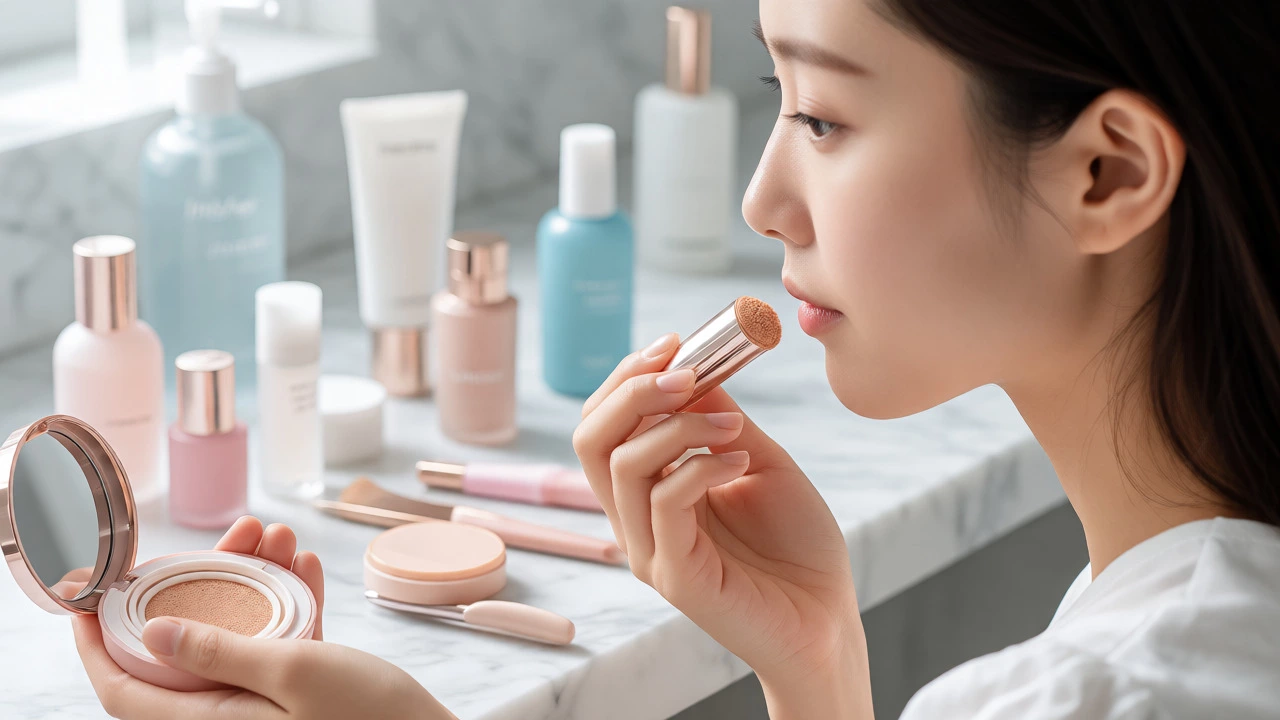
The South Korean Phenomenon: High Frequency, High Investment
If we judge by frequency of use and investment per person, South Korea is arguably the leader in the global makeup race. This isn't just a stereotype; it's backed by hard numbers. South Koreans spend more per capita on cosmetics than almost any other nation. For many women in Seoul, going out without makeup can feel akin to walking outside in pajamas-it’s simply not done.
The K-beauty industry has created a culture where multi-step routines are standard. While Western trends often emphasize "no-makeup makeup," South Korean beauty standards lean towards a polished, perfected look. BB creams, cushion foundations, and intricate eye makeup are staples. The Amorepacific Group, a massive conglomerate behind brands like Laneige and Innisfree, reports consistently high engagement rates. Here, makeup isn't just decoration; it's considered a form of self-respect and professional grooming.
- Daily Usage: Over 80% of working women report using some form of base makeup daily.
- Product Diversity: Consumers often own 15+ distinct beauty products, compared to the global average of 7-9.
- Social Pressure: Appearance is tightly linked to employability and social status.
The United States: Volume vs. Variety
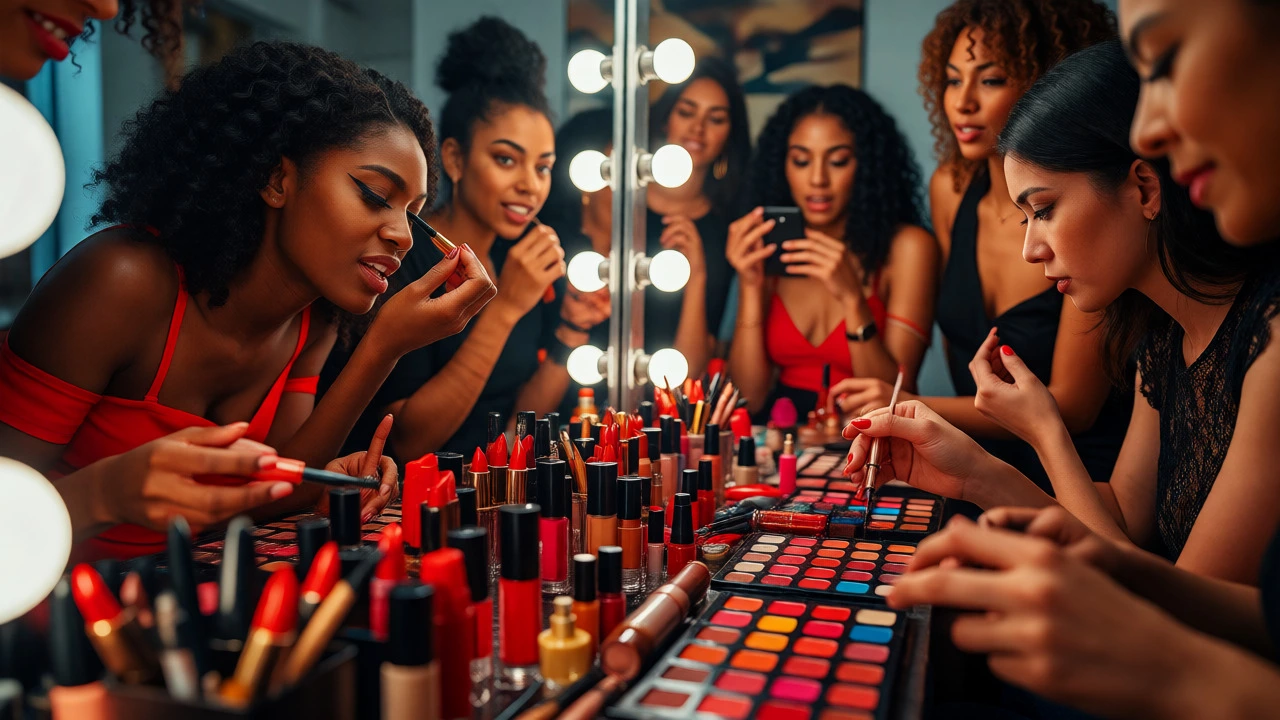
When we talk about total volume-sheer tons of product sold-the United States dominates. With its massive population and robust retail infrastructure, American consumers purchase enormous quantities of foundation, mascara, and lip gloss. However, the *habit* of wearing makeup varies wildly across ethnic groups within the US.
Studies from organizations like NielsenIQ suggest that Black and Hispanic women in the US tend to wear makeup more frequently and spend more annually than their White counterparts. Why? Cultural heritage plays a huge role. In many African American communities, elaborate hair and makeup styling is a long-standing tradition tied to identity and community events. Similarly, Latinx beauty culture often embraces bold colors and defined features, leading to higher consumption of pigmented products.
Conversely, recent trends among younger White Americans show a shift toward minimalism. The "clean girl" aesthetic has reduced daily makeup time for many, whereas traditional beauty standards in other ethnic groups remain more consistent. So, while the US buys the most stuff, the intensity of use often skews toward minority demographics who view makeup as an essential part of their public persona.
Western Europe: The Skincare-First Approach
Cross the Atlantic to France or Germany, and you’ll see a different picture. European women, particularly those in Northern and Central Europe, generally wear less color makeup than their Asian or American peers. The focus here is heavily weighted toward skincare.
In France, there is a pervasive cultural belief that good skin should speak for itself. A quick swipe of mascara and a tinted moisturizer might be all a Parisian woman uses before heading to work. Market data shows that while sales of serums and creams are skyrocketing, sales of heavy foundations and powders are stagnant or declining in countries like Sweden and Norway. The attitude is pragmatic: if your skin looks healthy, you don't need to mask it. This doesn't mean they ignore beauty; they just invest in prevention rather than correction.
| Region/Ethnicity Group | Primary Focus | Avg. Daily Time Spent | Top Product Category |
|---|---|---|---|
| East Asia (South Korea/Japan) | Perfection & Grooming | 45-60 minutes | Bases (BB/Cushion), Eye Makeup |
| USA (Black/Hispanic Demographics) | Expression & Identity | 30-45 minutes | Lipstick, Foundation, Hair Care |
| Western Europe (France/Germany) | Natural Skin Health | 10-15 minutes | Skincare, Tinted Moisturizers |
| Middle East (GCC Countries) | Luxury & Intensity | 40-50 minutes | Eyes (Kohl/Liner), Luxury Brands |
The Middle East: Luxury and Eye-Centric Beauty
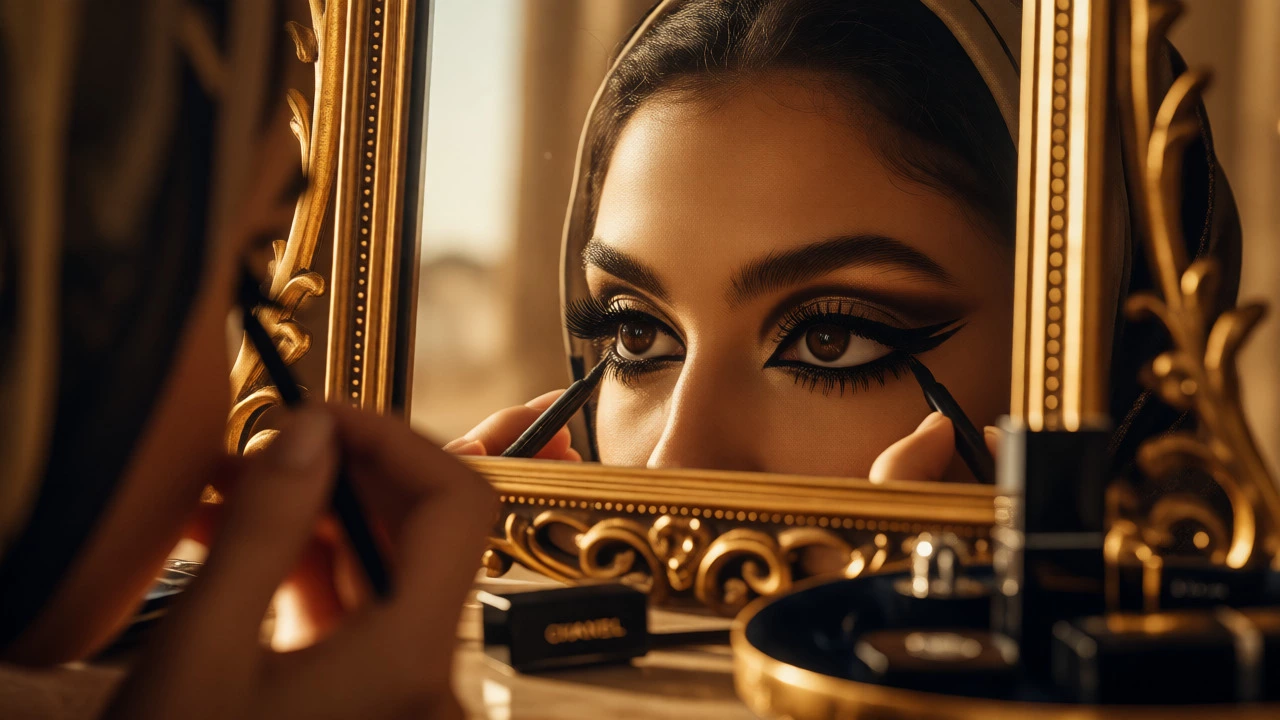
In the Gulf Cooperation Council (GCC) countries, such as Saudi Arabia and the UAE, makeup consumption is surging. Driven by rising disposable incomes and a young population, the Middle East has become one of the fastest-growing markets for luxury cosmetics. Here, the trend is less about everyday subtlety and more about dramatic, high-impact looks, especially for eyes.
Due to modest dress codes in some areas, the face becomes the primary canvas for expression. Consequently, eye makeup products like kohl, eyeliners, and volumizing mascaras sell at record rates. Women in Dubai or Riyadh often spend significantly more per unit on premium brands like Chanel or Dior than consumers in other regions. The act of applying makeup is often a leisure activity, accompanied by tutorials and social sharing, making the region a hotspot for high-value transactions rather than just high-volume purchases.
Why Do These Differences Exist?
It’s tempting to attribute these differences solely to genetics or climate, but sociology offers better explanations. Three main factors drive these disparities:
- Cultural Norms: In collectivist societies like South Korea, conforming to beauty standards is a social duty. In individualist societies like the US, makeup is a tool for personal expression, which leads to polarized habits (some wear none, some wear a lot).
- Economic Access: As economies grow, so does the middle class's ability to buy discretionary items. The rise of the middle class in China and India has exploded global sales figures, even if per-capita usage hasn't yet caught up to South Korea.
- Media Influence: The global export of K-Pop and Hollywood films shapes perceptions. When BTS idols wear subtle eyeliner, it normalizes male makeup in Asia. When Western celebrities promote "bare faces," it influences European minimalism.
Common Misconceptions About Makeup Statistics
One big trap is confusing "sales revenue" with "usage frequency." A country might generate billions in revenue because people buy expensive luxury items once a year, not because they apply makeup every day. Another misconception is treating "ethnicity" as a monolith. "Asian" includes everything from rural farmers in Vietnam to urban professionals in Tokyo, whose habits differ drastically. Always look for specific country-level data rather than broad continental generalizations.
Also, remember that men are increasingly entering the space. In South Korea and Japan, male grooming products account for a significant chunk of the market, skewing the "who wears makeup" question further. If you only count women, you miss nearly 20-30% of the active users in these key markets.
How to Apply This Knowledge
If you are a brand owner or a consumer trying to navigate global beauty trends, context is king. Don't assume a product that flies off shelves in London will do the same in Seoul. In London, you might sell a lightweight serum. In Seoul, you might need a multi-functional cream that acts as primer, sunscreen, and moisturizer. Understanding the *why* behind the usage helps you predict the *what* of future trends.
For travelers, this insight saves money. Buying a heavy foundation in Paris might leave you feeling cakey because locals prefer sheer coverage. Conversely, buying a sheer tint in Riyadh might not give you the drama you want. Align your expectations with local norms to get the best results.
Which country has the highest per capita makeup spending?
South Korea consistently ranks at the top for per capita spending on cosmetics. Residents invest heavily in both skincare and color cosmetics, driven by strong cultural emphasis on appearance and a highly competitive beauty market.
Do American women wear more makeup than European women?
Generally, yes. Studies indicate that American women, particularly within Black and Hispanic communities, tend to wear makeup more frequently and for longer durations than women in Western Europe, where skincare and natural looks are often prioritized over color cosmetics.
Is makeup usage increasing globally?
Yes, the global cosmetics market is growing, primarily driven by emerging economies in Asia-Pacific and the Middle East. Rising disposable incomes and increased exposure to global media are encouraging more people to incorporate makeup into their daily routines.
Does age affect how much makeup someone wears?
Absolutely. Younger generations (Gen Z and Millennials) are experimenting with bold looks and gender-fluid makeup, while older demographics may stick to classic, conservative applications. However, anti-aging skincare products are also categorized under beauty, blurring the lines between "makeup" and "care" for older adults.
Why is eye makeup popular in the Middle East?
In many Middle Eastern cultures, traditional dress covers much of the body, leaving the face visible. This places greater emphasis on facial features, particularly the eyes. Consequently, products like kohl, eyeliner, and mascara are cultural staples used to enhance expressiveness and beauty.