
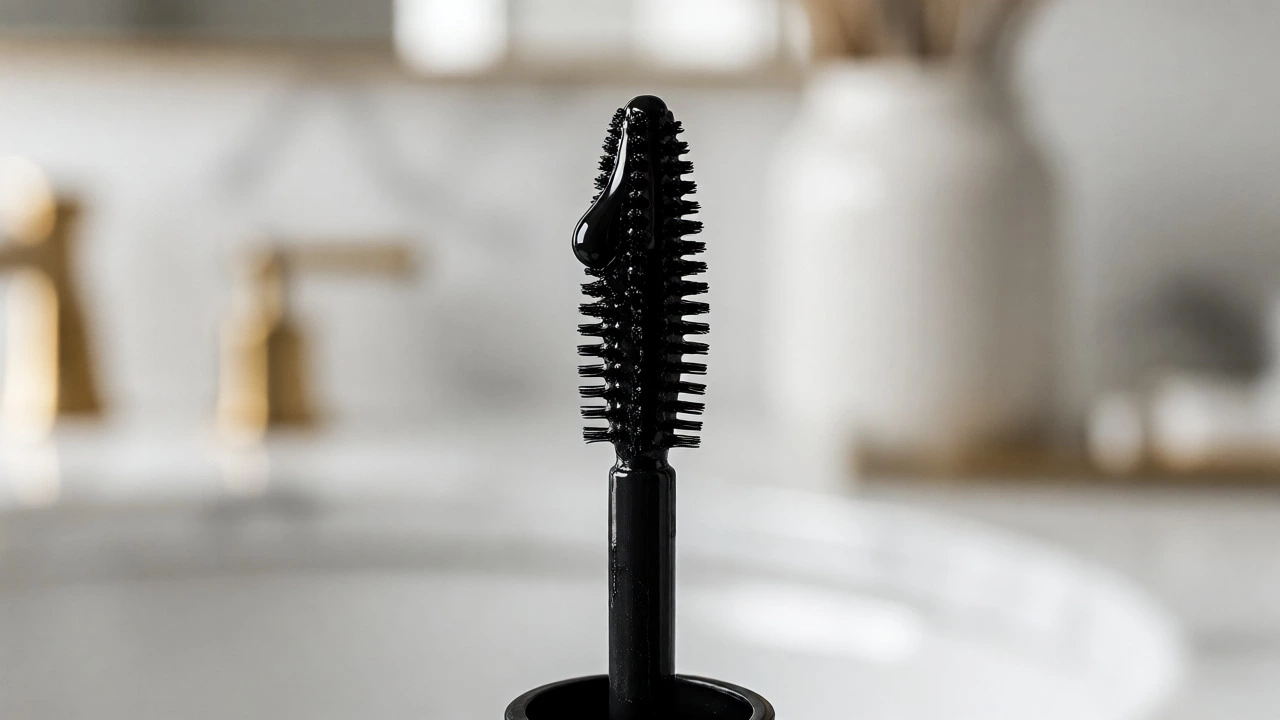
Global Makeup Popularity Explorer
Explore why mascara dominates global sales, compare key metrics for top products, and test your beauty knowledge.
Mascara
Global Rank: #1
Average Lifespan: 3-6 Months
Skill Level Required: Low
Universal Appeal: Very High
Why it wins: Fast application (under 2 mins), no shade matching needed, high replacement rate due to hygiene guidelines.| Product Type | Global Popularity | Avg. Lifespan | Skill Level | Universal Appeal |
|---|
Question 1 of 3: Which factor primarily drives mascara's high sales volume?
You walk into a pharmacy or scroll through an online retailer, and you see thousands of options. Eyeliners, blushes, highlighters, setting sprays. It’s easy to get lost in the noise. But if you stripped away all the marketing hype and looked at raw sales data across every continent, one product would stand head and shoulders above the rest. It isn’t the luxury lipstick everyone talks about on social media, and it certainly isn’t the expensive foundation that costs more than your weekly grocery run.
The answer might surprise you because it’s so simple, yet so universally adopted. To understand what dominates the global beauty market, we have to look beyond viral TikTok trends and examine consistent purchasing habits from Tokyo to Toronto. We are looking for the item that has survived decades of changing aesthetics, economic shifts, and cultural differences. This isn't just about what looks good; it's about utility, accessibility, and the basic human desire to enhance natural features with minimal effort.
The Global Sales Leader: Why Mascara Wins
If you had to bet money on which single makeup item sells the most units globally, put your chips on mascara is widely considered the most purchased and used makeup product worldwide due to its universal appeal and low barrier to entry. The numbers back this up. Industry reports consistently show that eye makeup, specifically mascara, accounts for the largest share of color cosmetics revenue by volume. Why? Because eyelashes are the first thing people notice when they look at your face. They frame the eyes, and enhancing them creates an immediate impact without requiring the skill level needed for a perfect winged liner or contouring.
Think about the practicality here. You can apply mascara in under two minutes. You don’t need mirrors, brushes, or blending sponges. Just pull the wand out and swipe. For many people, especially those new to makeup, it’s the gateway drug. Once you see how much bigger and brighter your eyes look, you’re hooked. Plus, it works on almost every skin tone and eye shape. Unlike foundation, where matching your shade is a nightmare, black or brown mascara is pretty much universal. You buy it, you use it, and you replace it every three to six months. That high replacement rate drives massive sales volumes year after year.
The Silent Competitor: Lip Balm and Tints
While mascara takes the crown for traditional "makeup," there is a strong argument for lip balm, often categorized as skincare but frequently counted in cosmetic sales, holds a massive global market share due to daily necessity and low cost. If you count anything applied to the lips as makeup, then tinted balms and sheer glosses are right there with mascara. In many cultures, particularly in East Asia, a slight flush on the lips is considered essential even for a bare-faced look. Products like the Laneige Lip Sleeping Mask or classic Carmex with a hint of color sell millions of units annually.
Lip products are cheaper to produce and buy, leading to higher unit sales. A tube of mascara might cost $15-$30, while a basic lip balm is often under $5. This price point allows for impulse buys and bulk purchasing. People go through lip balm faster than mascara, too. You reapply it throughout the day, whereas mascara stays put until you wash it off. However, purists argue that clear balm is skincare, not makeup. When we restrict the definition to pigmented cosmetics, mascara pulls ahead again. But keep in mind that the line between skincare and makeup is blurring, with hybrid products becoming increasingly popular.
Foundation vs. Concealer: The Skin Complexion Battle
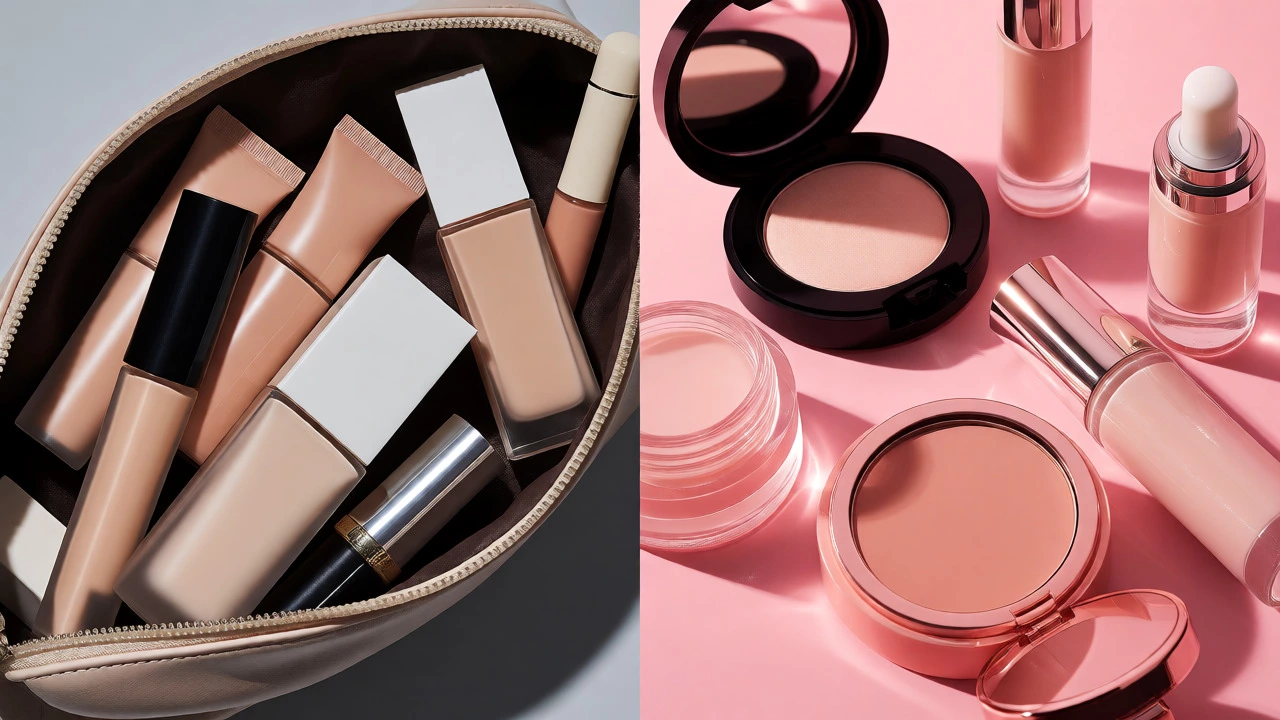
Foundation is often perceived as the most important product in a routine, but does it actually sell the most? Probably not by unit volume. Foundation requires a precise shade match, which leads to high return rates and hesitation among buyers. If you pick the wrong shade, you waste money. With mascara, there’s no such risk. Still, foundation remains a staple for many, driving significant revenue despite lower unit counts compared to eye products.
Concealer often outsells foundation in specific markets because it serves a dual purpose: covering blemishes and brightening under-eyes. It’s more versatile. You can spot-treat acne, hide dark circles, or highlight areas of the face. Many people skip full-face foundation but never leave home without concealer. This targeted approach saves time and product, making it a favorite for busy professionals and students alike. The rise of "skinimalism"-a trend favoring light coverage over heavy masks-has boosted concealer sales even further. Brands like NARS Radiant Creamy Concealer have become cult classics precisely because they offer high payoff with minimal application.
Cultural Differences in Usage
Geography plays a huge role in what becomes the "most used" product. In Western Europe and North America, mascara and concealer dominate. These regions value defined eyes and flawless complexions. However, shift your gaze to South Korea and Japan, and you’ll see a different pattern. There, BB creams and cushion compacts are incredibly popular, serving as multi-purpose products that combine moisturizer, sunscreen, and light foundation.
In these markets, the goal is often a dewy, glass-like complexion rather than matte perfection. Cushion foundations allow for quick touch-ups throughout the day, fitting perfectly into fast-paced urban lifestyles. Meanwhile, in parts of the Middle East, heavy eye makeup including kohl and intense eyeliner is culturally significant, sometimes surpassing mascara in traditional settings. Understanding these nuances helps explain why no single product truly rules every corner of the globe, though mascara comes closest to a universal standard.
Why Volume Beats Value in Beauty Stats
When analysts talk about the "most used" product, they usually mean unit sales, not total dollars spent. This distinction matters. High-end luxury brands generate impressive revenue, but mass-market brands drive volume. Drugstore mascaras from L’Oréal, Maybelline, and Rimmel sell tens of millions of tubes per quarter. These products are accessible, affordable, and reliable. They form the backbone of the global beauty economy.
Consider the lifecycle of a makeup product. Mascara has a short shelf life once opened-usually three months-to prevent bacterial growth. This forces regular repurchase. Foundation lasts longer, often six to twelve months. Lipstick can last years if rarely used. The rapid turnover of mascara ensures a steady stream of cash flow for manufacturers. It’s a business model built on consumables, similar to coffee pods or razor blades. You always need another one soon.
| Product Type | Global Popularity Rank | Average Lifespan | Skill Level Required | Universal Appeal |
|---|---|---|---|---|
| Mascara | #1 | 3-6 Months | Low | Very High |
| Tinted Lip Balm | #2 | 1-3 Months | None | High |
| Concealer | #3 | 6-12 Months | Medium | High |
| Foundation | #4 | 6-12 Months | High | Medium (Shade Matching) |
| Eyeliner | #5 | 6-12 Months | High | Medium |
The Rise of Multi-Use Sticks
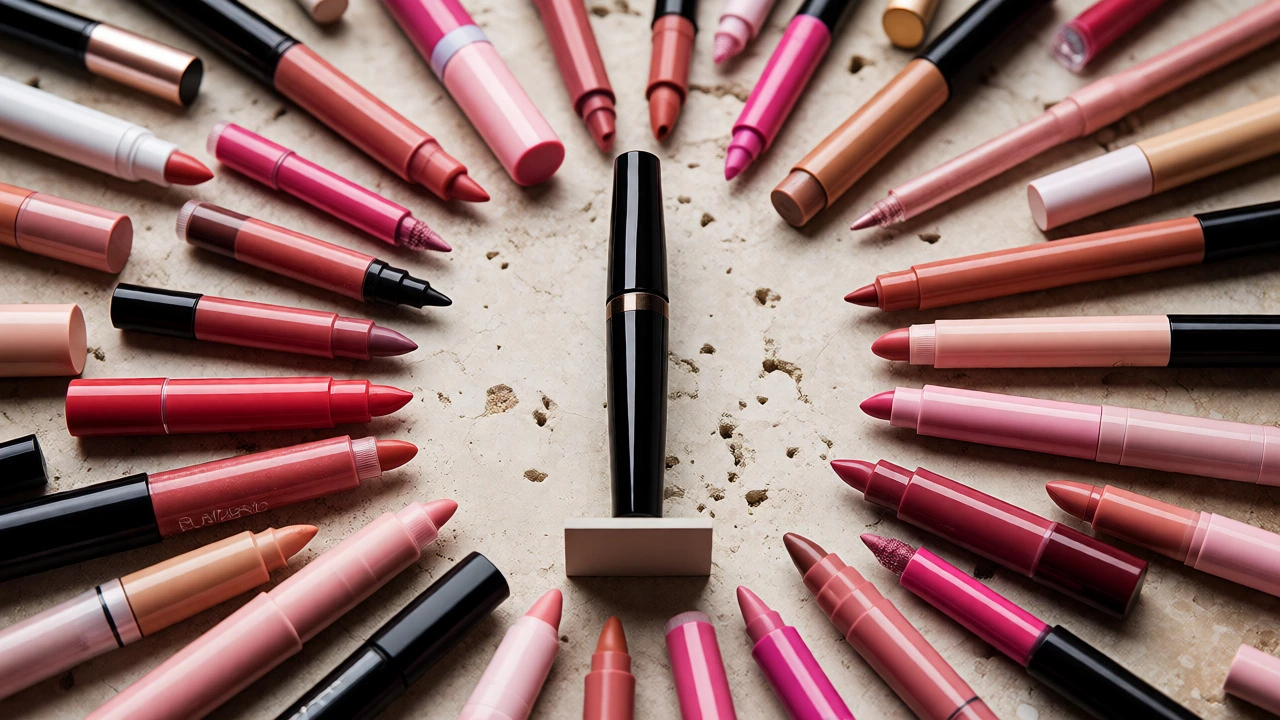
A newer contender is entering the ring: the multi-use cream stick. Products that act as blush, lip tint, and eyeshadow in one are gaining traction. They appeal to travelers and minimalists who want to reduce their bathroom clutter. While not yet the top seller, their growth rate is steep. They offer the convenience of mascara with the versatility of a palette. If you’re looking to streamline your routine, these sticks are worth watching. They represent a shift towards efficiency in beauty routines, reflecting our increasingly busy lives.
Brands like Glossier and Rare Beauty have capitalized on this trend. Their cheek-to-lip formulas are designed for fingers, eliminating the need for brushes entirely. This tactile application makes makeup feel less like a chore and more like self-care. As consumers prioritize ease and speed, these hybrid products may eventually challenge traditional categories. But for now, the trusty old mascara wand remains unchallenged in terms of sheer ubiquity.
How to Choose What Works for You
Just because mascara is the most used doesn’t mean it’s the best for you. Some people have sensitive eyes and react to preservatives in common formulas. Others prefer a bold lip over emphasized eyes. Your personal preference should always trump global statistics. However, knowing what others use can help you troubleshoot issues. If you’re struggling with smudging, check if you’re using a waterproof formula suited for your climate. Humidity in Brighton, for instance, affects wear time differently than dry heat in Arizona.
Start with the basics. Invest in a quality mascara brush that separates lashes without clumping. Pair it with a neutral concealer if you have uneven skin tone. Add a tinted balm for hydration. This trio covers 80% of daily needs for most people. From there, experiment. Try eyeliner if you want drama, or powder if you need oil control. Remember, makeup is a tool, not a rulebook. Use what makes you feel confident.
Is mascara really the number one selling makeup product?
Yes, industry data consistently ranks mascara as the highest-selling color cosmetic by unit volume globally. Its low cost, ease of use, and universal applicability make it a staple in beauty routines across diverse demographics and regions.
Why do some people consider lip balm a makeup product?
Tinted lip balms provide color and shine, functioning similarly to lipsticks but with a more natural finish. Because they enhance appearance rather than just treating dryness, many retailers and analysts include them in cosmetic sales figures.
Does foundation sell more than concealer?
In many markets, concealer outsells foundation due to its versatility and lower commitment regarding shade matching. Consumers often prefer spot-covering imperfections rather than applying full-face coverage, driving higher demand for concealers.
How long does a typical mascara tube last?
Dermatologists recommend replacing mascara every three to six months after opening. Beyond this period, bacteria can accumulate in the tube, increasing the risk of eye infections, and the formula tends to dry out.
Are there regional differences in makeup popularity?
Absolutely. While mascara is globally dominant, East Asian markets heavily favor BB creams and cushion foundations for a dewy look, whereas Western markets lean toward matte finishes and full-coverage foundations. Cultural beauty standards significantly influence purchasing habits.