
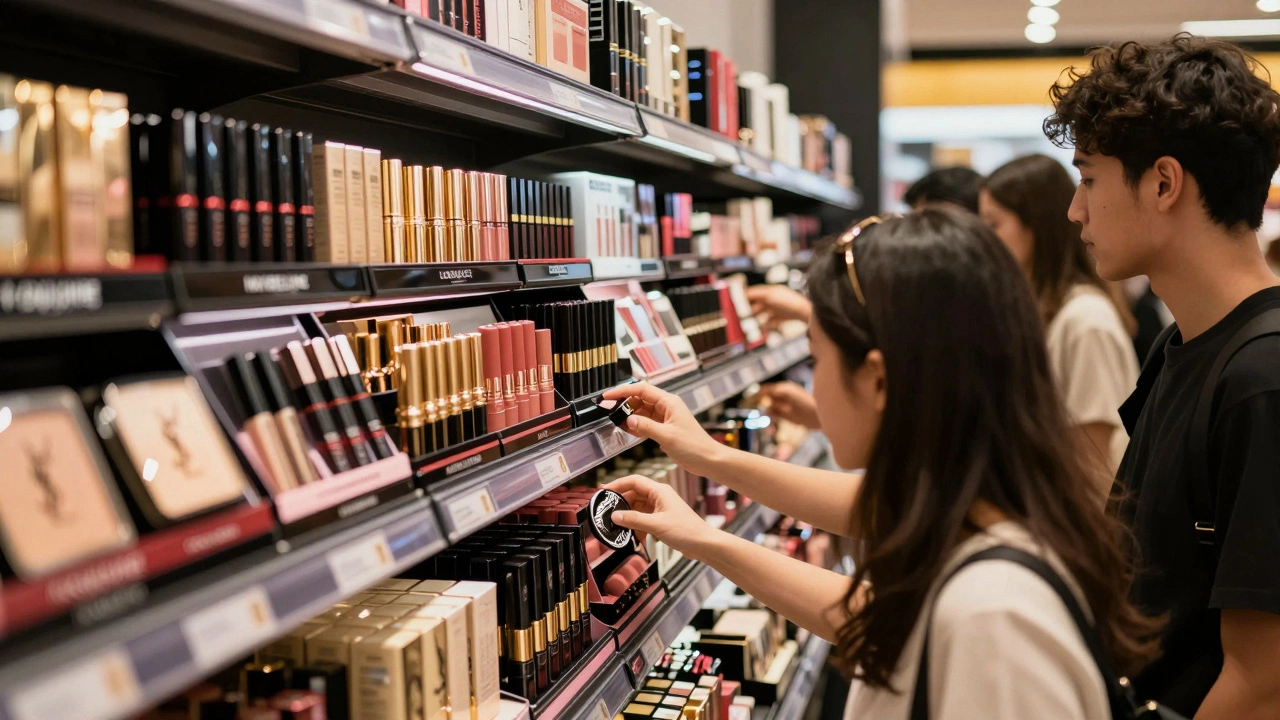
When you walk into a drugstore, a department store, or scroll through Instagram ads, you see dozens of makeup brands. But only a handful are pulling in billions. The question isn’t just which brand is the most popular-it’s which one is making the most money. And the answer might surprise you.
Who’s really winning in makeup sales?
L'Oréal is the undisputed leader. In 2024, the French conglomerate brought in $40.2 billion in global beauty sales, with makeup accounting for nearly half of that. That’s more than the entire revenue of the next three biggest makeup brands combined. L'Oréal owns 34 beauty brands, from luxury names like YSL and Lancôme to mass-market staples like Maybelline and L'Oréal Paris. Their strategy? Own every price point, every channel, and every demographic. They don’t just sell lipstick-they sell identity, aspiration, and accessibility.Estée Lauder Companies come in second, with $17.9 billion in total beauty revenue in 2024. Their portfolio includes Clinique, MAC, Bobbi Brown, and Too Faced. What sets them apart is their focus on prestige. While L'Oréal dominates shelves in Walmart and CVS, Estée Lauder controls the counters at Nordstrom and Sephora. Their products carry higher price tags, and their marketing leans into exclusivity and skincare-infused makeup. MAC, for example, is a cult favorite among makeup artists and Gen Z alike-not because it’s cheap, but because it’s trusted.
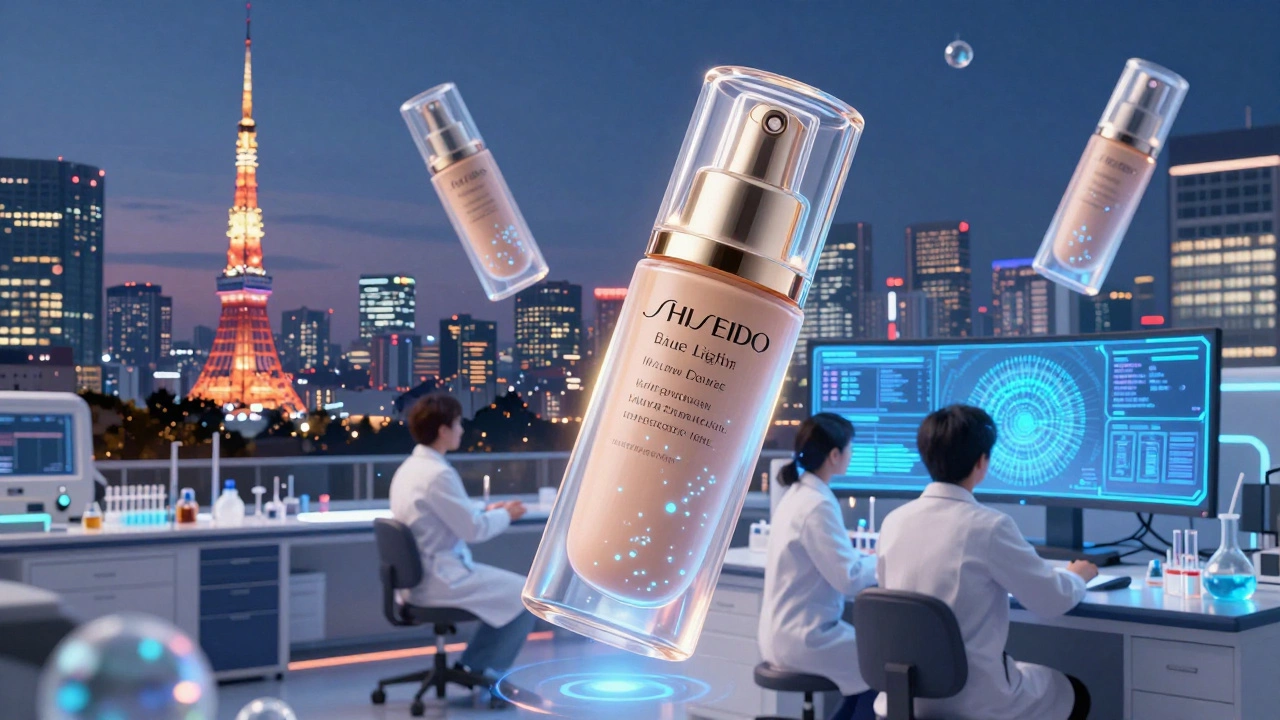
Third place goes to Shiseido, with $11.4 billion in beauty sales. The Japanese giant owns NARS, BareMinerals, and Dr. Barbara Sturm. Shiseido’s strength lies in its science-backed formulations and Asian market dominance. They’ve mastered the art of blending skincare and makeup into one seamless experience. Their best-selling foundation, for instance, doesn’t just cover-it hydrates, protects from blue light, and lasts 16 hours. That’s why their products sell out in Tokyo, Seoul, and Shanghai faster than anywhere else.
Why do these brands make so much more than others?
It’s not just about selling more products. It’s about selling more value. L'Oréal, Estée Lauder, and Shiseido don’t rely on one-hit wonders. They build ecosystems.Take L'Oréal’s Maybelline. A $7 mascara might seem like a small win. But when 150 million people buy it every year, that’s over $1 billion in annual sales from one product alone. Then there’s the cross-selling: someone buys the mascara, sees the ad for the matching eyeliner, and picks that up too. The brand knows this. Their packaging, social media campaigns, and in-store displays are all designed to trigger repeat purchases.
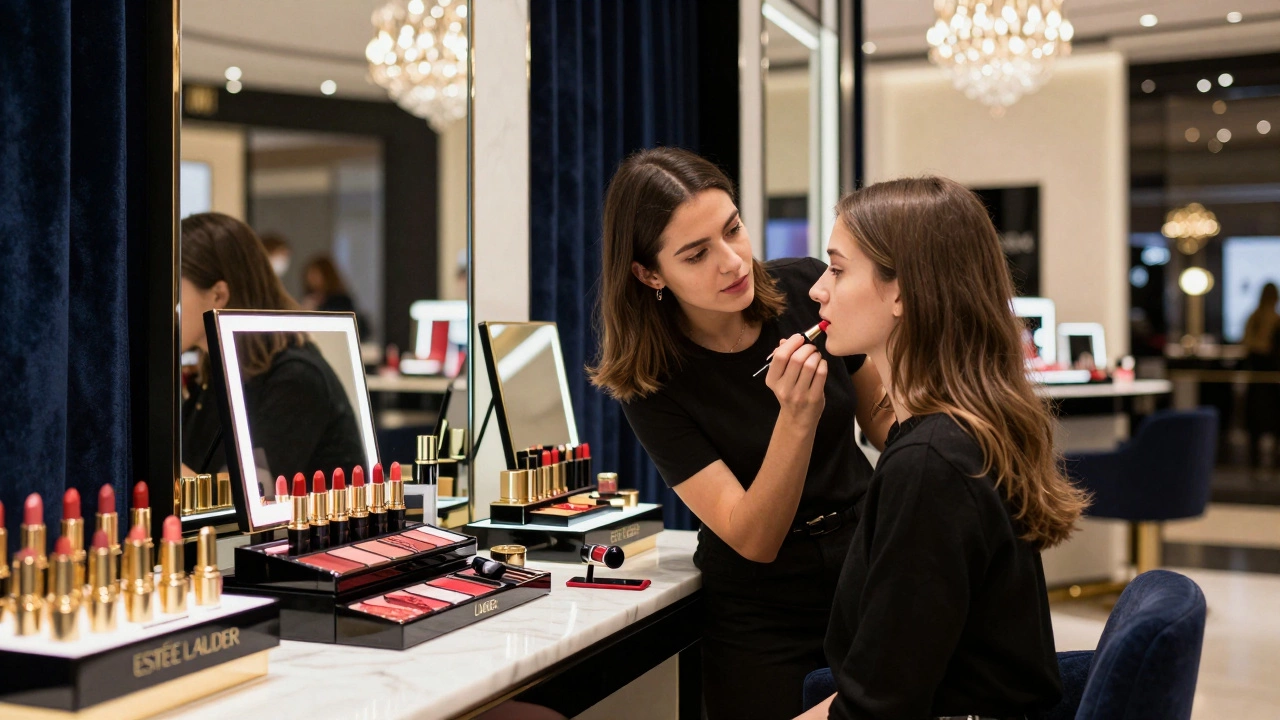
Estée Lauder does something similar but with premium positioning. A $38 lipstick might not sound like a blockbuster, but when it’s sold in a luxury boutique with a free mini-facial and personalized shade matching, the perceived value skyrockets. Customers don’t just buy color-they buy an experience. And they’re willing to pay for it.
Shiseido’s secret? Innovation. Their R&D budget is bigger than most independent beauty brands’ entire annual revenue. They invest in things like skin microbiome research and AI-powered shade matching tools. That’s why their foundations perform better in humid climates and why their blushes don’t fade after six hours. Performance drives loyalty.
What about the indie brands? Are they even in the game?
Brands like Fenty Beauty, Rare Beauty, and Huda Beauty are huge in social media buzz and viral sales. Fenty Beauty made $600 million in its first five years. Rare Beauty hit $1 billion in revenue by 2024. But compared to the giants? They’re still small fry.Why? Scale. Fenty Beauty is owned by L'Oréal. Rare Beauty is backed by the Estée Lauder Companies. Even Huda Beauty, once independent, sold a majority stake to a private equity firm in 2023. The truth is, indie brands can’t survive without the infrastructure of the big players. Distribution, logistics, global marketing, regulatory compliance-it’s too expensive for one person to handle.
That’s why you’ll see indie brands popping up everywhere, but you won’t see them topping the revenue charts. They’re trendsetters, not profit engines. The real money is in systems, not slogans.
Where is the money going next?
The next wave of growth isn’t in new lipsticks. It’s in hybrid products. Think: foundation with SPF 50+, tinted moisturizer with antioxidants, mascara that strengthens lashes. Consumers want makeup that does more than look good-it has to care for skin too.Asian markets are driving this shift. In South Korea and China, 72% of women say they choose makeup based on skincare benefits. L'Oréal and Shiseido are already ahead here. They’ve spent decades perfecting the blend. Western brands are playing catch-up.
Another trend? Sustainability. But not the greenwashing kind. Real, measurable reductions in plastic, carbon-neutral shipping, refillable packaging. L'Oréal announced in 2024 that 90% of its packaging will be refillable or recyclable by 2030. Estée Lauder is doing the same. These aren’t PR moves-they’re cost-saving strategies. Consumers are demanding it, and regulators are enforcing it.
What does this mean for you?
If you’re a consumer, you’re getting more value than ever. The top brands are competing on performance, not just packaging. You can buy a $5 mascara that lasts all day, or a $50 one that doubles as a lash serum. Either way, you’re winning.If you’re thinking of starting a brand? Understand this: you can’t beat them on scale. But you can beat them on niche. Find a gap no one else is serving-like makeup for sensitive skin in hot climates, or products for post-chemo patients-and build something real. The giants can’t move fast enough to catch every small idea.
If you’re an investor? Look at the infrastructure, not the hype. The companies with the strongest R&D, global distribution, and supply chain control will keep winning. Social media virality fades. Profit margins don’t.
Bottom line
L'Oréal makes the most money-not because it’s the flashiest, but because it’s the most complete. It owns the entire makeup journey: from the drugstore to the luxury counter, from the teen first-timer to the celebrity makeup artist. It’s not about one best-selling product. It’s about building a global machine that never stops selling.The other top players aren’t far behind. But they all follow the same playbook: scale, science, and strategy. The rest? They’re just trying to keep up.