
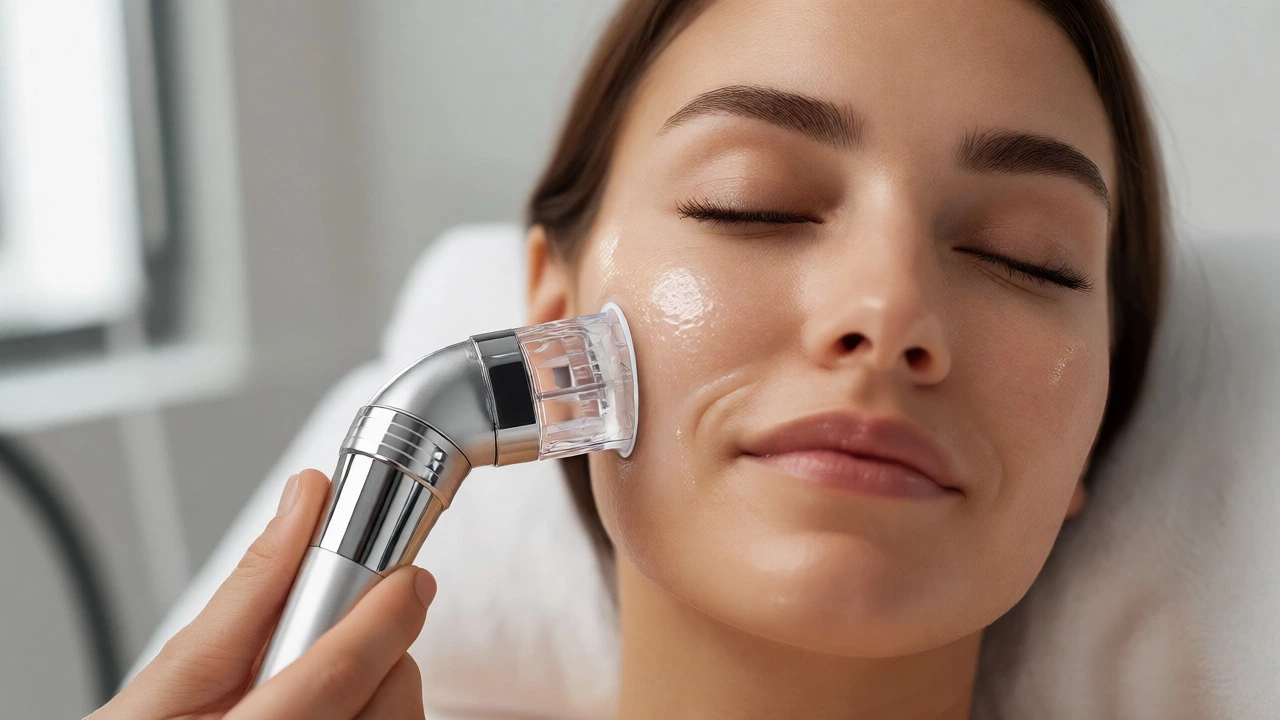
Facial Treatment Matcher
Not sure which facial is right for you? Answer three quick questions to find your ideal treatment.
Select your options and click "Find My Facial"
Your personalized recommendation will appear here.
You walk into a clinic, see a menu with twenty different facial treatments designed to improve skin health and appearance, and you freeze. Hydrafacial, microneedling, LED therapy, deep cleansing-what actually works? The truth is, there is no single "best" facial for everyone. Your skin type, your specific concerns (like acne versus aging), and your budget dictate the winner. But if you want visible changes without weeks of downtime, certain treatments consistently outperform others in clinical settings and real-world reviews.
Understanding What "Best Results" Actually Means
Before booking an appointment, define what success looks like for you. Are you chasing immediate glow before a wedding? Or are you trying to fix years of sun damage? Different facials target different layers of the skin. A basic hydrating facial sits on the surface, offering temporary plumpness. In contrast, treatments that penetrate the dermis, like laser resurfacing or radiofrequency, trigger collagen production that lasts months. If you expect a one-time deep cleanse to erase ten years of wrinkles, you will be disappointed. Realistic expectations are half the battle.
Consider the timeline. Immediate gratification comes from exfoliation and hydration. Long-term transformation requires cellular turnover and structural repair. Most people confuse these two categories, leading to frustration when the "glow" fades after three days. To get lasting results, you need treatments that stimulate biological processes, not just cosmetic cover-ups.
The Heavy Hitters: Facials with Proven Efficacy
If we look at dermatological data and patient satisfaction scores, a few names rise to the top. These aren't just marketing fluff; they have measurable outcomes.
| Treatment | Primary Benefit | Downtime | Results Duration | Best For |
|---|---|---|---|---|
| Hydrafacial | Deep cleansing, hydration, extraction | None | 3-7 days | All skin types, pre-event prep |
| Chemical Peel | Exfoliation, pigment correction | 1-7 days | Months | Acne scars, hyperpigmentation |
| Microneedling | Collagen induction, texture refinement | 1-3 days | 6-12 months | Aging skin, large pores, scarring |
| LED Light Therapy | Inflammation reduction, bacterial control | None | Cumulative | Active acne, sensitive skin |
| Microdermabrasion | Surface exfoliation, dullness removal | None | 1-2 weeks | Rough texture, mild discoloration |
Why Microneedling Often Wins for Anti-Aging
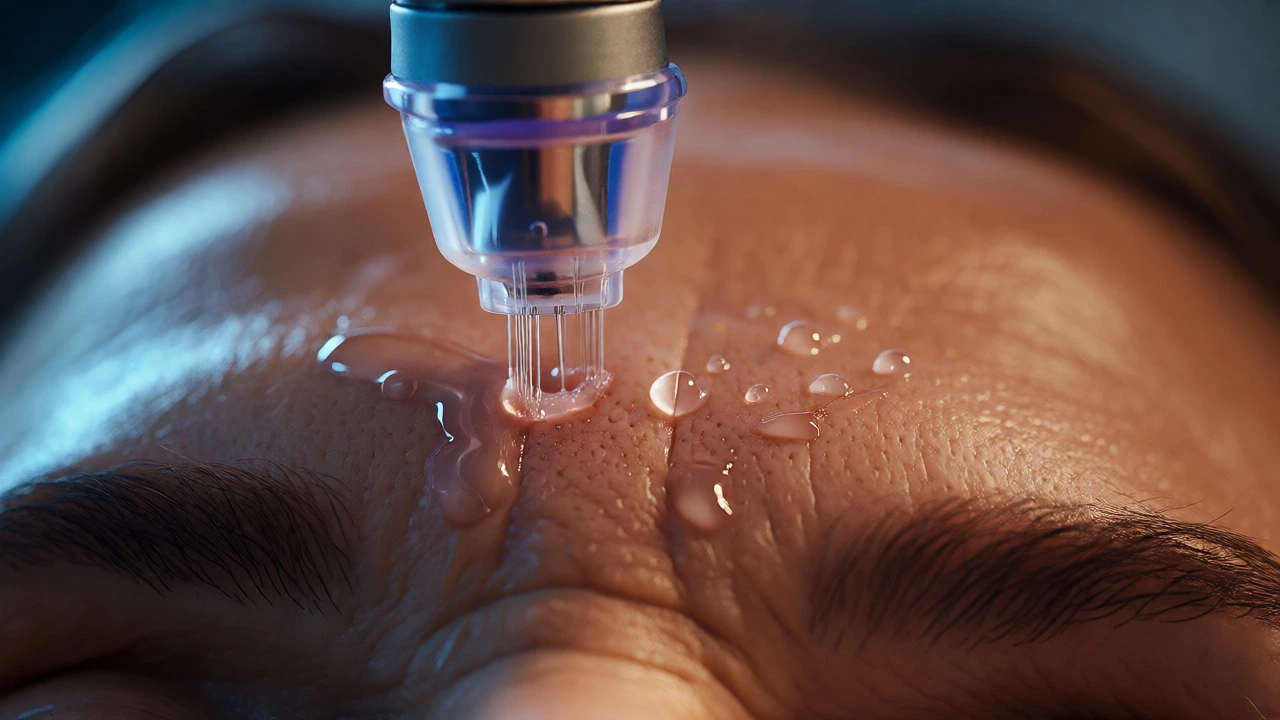
Among non-surgical options, microneedling a procedure involving tiny punctures in the skin to promote collagen regeneration frequently delivers the most dramatic long-term improvements. It works by creating controlled micro-injuries. Your body responds by rushing healing factors to the area, producing new elastin and collagen. Unlike creams that sit on top, this rebuilds the skin's architecture from within. Studies suggest that multiple sessions can significantly reduce fine lines and improve skin elasticity. However, it hurts a bit more than a standard massage and leaves you red for a day or two. If you have active cystic acne, skip this one-it can spread bacteria.
The Case for Chemical Peels
For stubborn pigmentation issues, nothing beats a well-formulated chemical peel a treatment using acid solutions to remove damaged outer layers of skin. Glycolic acid peels, for instance, break down the bonds between dead skin cells. This reveals fresher, brighter skin underneath. You might experience some stinging and subsequent peeling, but the payoff is often smoother tone and reduced dark spots. Professional-grade peels use higher concentrations than over-the-counter products, meaning faster results. Just remember: sun sensitivity spikes after a peel. If you cannot commit to rigorous SPF application, choose a gentler option.
Matching the Treatment to Your Skin Type
Your skin barrier dictates which treatment will heal nicely and which will cause a flare-up. Oily, resilient skin can handle aggressive exfoliation. Dry, thin skin needs gentle hydration and barrier support.
- Oily/Acne-Prone: Look for salicylic acid peels or blue LED light. These target oil glands and kill P. acnes bacteria directly.
- Dry/Mature: Prioritize hydrating infusions and collagen-stimulating techniques like radiofrequency or microneedling with hyaluronic acid serums.
- Sensitive/Rosacea: Avoid heat and harsh acids. Opt for calming green LED light or oxygen facials that soothe inflammation without irritation.
- Pigmented/Dull: Vitamin C infusions and glycolic peels are your best friends here. They brighten and even out tone effectively.
Never let a technician guess. Ask them to assess your barrier function first. If your skin feels tight and reactive, a deep pore cleanse might strip it further. Conversely, if your skin is thick and congested, a gentle enzyme mask won't do much.
The Role of Home Care in Sustaining Results
Here is the hard truth: a facial is a jumpstart, not a cure-all. Without proper home care, your results will vanish quickly. Think of the professional treatment as opening doors; your daily routine walks through them. If you spend £150 on a high-end antioxidant facial but go home and wash your face with bar soap, you wasted your money.
Post-facial protocols matter. After a peel, you need gentle cleansers and heavy moisturizers. After microneedling, avoid makeup for 24 hours to prevent infection. Always follow your provider's specific advice. Generally, though, incorporating a vitamin C serum in the morning and retinol at night amplifies and maintains the effects of almost any anti-aging facial. Consistency beats intensity every time.
Cost vs. Value: Is the Expensive Option Better?
Not always. A £300 luxury spa facial with aromatherapy and hot towels feels amazing, but it might offer less physiological change than a £100 medical-grade chemical peel. You are paying for ambiance and relaxation in the former, and for biological efficacy in the latter. Decide what you value more. If stress relief is part of your skincare strategy because cortisol worsens your acne, then the expensive spa session has merit. But if you want to shrink pores, invest in technology-driven treatments instead of fluffy robes.
Also, consider package deals. Single sessions rarely show full potential. Collagen production takes time. Buying a course of six microneedling sessions usually costs less per visit and ensures you stick to the schedule needed for real change.
Frequently Asked Questions
How often should I get a facial for best results?
It depends on the treatment type. Hydrating facials can be done monthly. Chemical peels and microneedling typically require spacing of 4-6 weeks to allow skin recovery. Acne treatments might need bi-weekly visits initially. Consult your specialist for a personalized schedule based on your skin's cell turnover rate.
Can facials make acne worse?
Yes, if done incorrectly. Aggressive extractions on inflamed cysts can push bacteria deeper, causing more breakouts. Also, using heavy oils during a facial on oily skin can clog pores. Always inform your esthetician about current breakouts so they can adjust pressure and product choices accordingly.
What is the quickest way to see glowing skin?
A combination of gentle exfoliation and intense hydration yields the fastest glow. Hydrafacials or enzyme masks provide immediate brightness by removing dead surface cells and flooding the skin with moisture. Expect this effect to last only a few days, making it ideal for events rather than long-term correction.
Do I need downtime after a facial?
Most basic facials have zero downtime. You can return to work immediately. Medical-grade treatments like medium-depth peels or microneedling may cause redness, swelling, or peeling for 1-3 days. Plan your social calendar accordingly if you choose these more invasive options.
Are natural facials better than synthetic ones?
Not necessarily. "Natural" does not mean effective or safe. Some natural ingredients like lemon juice or undiluted essential oils can irritate the skin barrier. Clinical ingredients like hyaluronic acid, niacinamide, and peptides are often synthesized for purity and stability, offering predictable results without allergenic risks.