
Cosmetic Usage Frequency Calculator
Daily Application Habits
Your Daily Intensity
Enter your data above
This tool estimates how frequently you interact with cosmetic products compared to the average global consumer.
It might surprise you to learn that the single most used cosmetic product in the world isn't lipstick, mascara, or even foundation. While those items dominate social media and advertising campaigns, they don't come close to matching the daily usage rates of a much simpler item: moisturizer. In fact, if we broaden the definition slightly to include simple protective balms, lip balm often rivals it for the top spot in terms of sheer frequency of application.
The question "what is the most common cosmetic?" seems straightforward, but the answer depends heavily on how we define "cosmetic." Are we talking about products that change appearance, or those that maintain skin health? For billions of people, the line between skincare and makeup has blurred. The result is a global reliance on hydration-based products that serve as the foundation for every other beauty routine.
The Global Dominance of Moisturizers
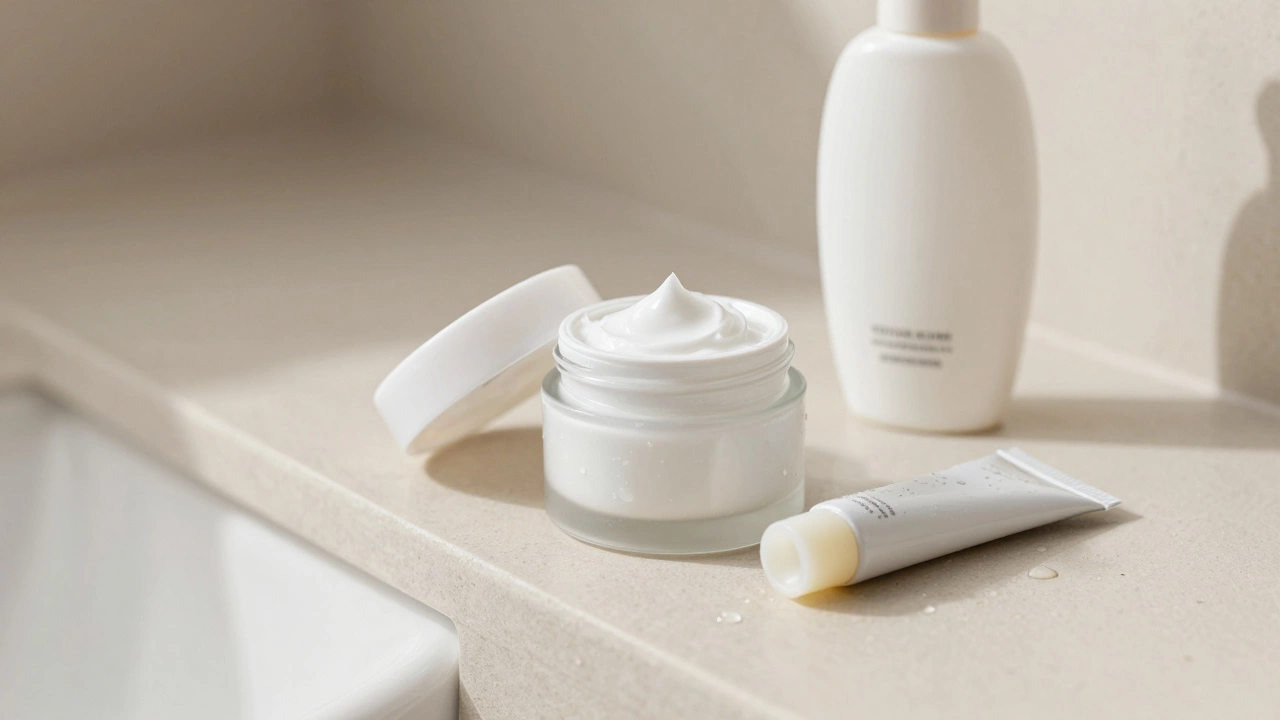
When market researchers analyze global consumption data, face moisturizer emerges as the undisputed leader. This category includes everything from heavy night creams to lightweight gel-foams designed for oily skin. The reason for its dominance is simple: everyone has skin, and everyone’s skin needs water.
In 2025 and moving into 2026, the global skincare market surpassed $180 billion, with facial care accounting for nearly half of that revenue. But money doesn't always equal volume. If you look at household penetration-the percentage of homes that own at least one unit-moisturizers win easily. Even in regions where color cosmetics are less popular due to cultural norms or economic constraints, basic skin protection remains a universal standard.
Consider the demographics. A teenager in Seoul using a hydrating toner-moisturizer hybrid, a professional in New York applying an anti-aging serum under their foundation, and a farmer in rural India using a traditional oil-based emollient-all are using a form of moisturizer. It transcends age, gender, income level, and geography. No other product achieves this level of universal adoption.
Lip Balm: The Silent Champion
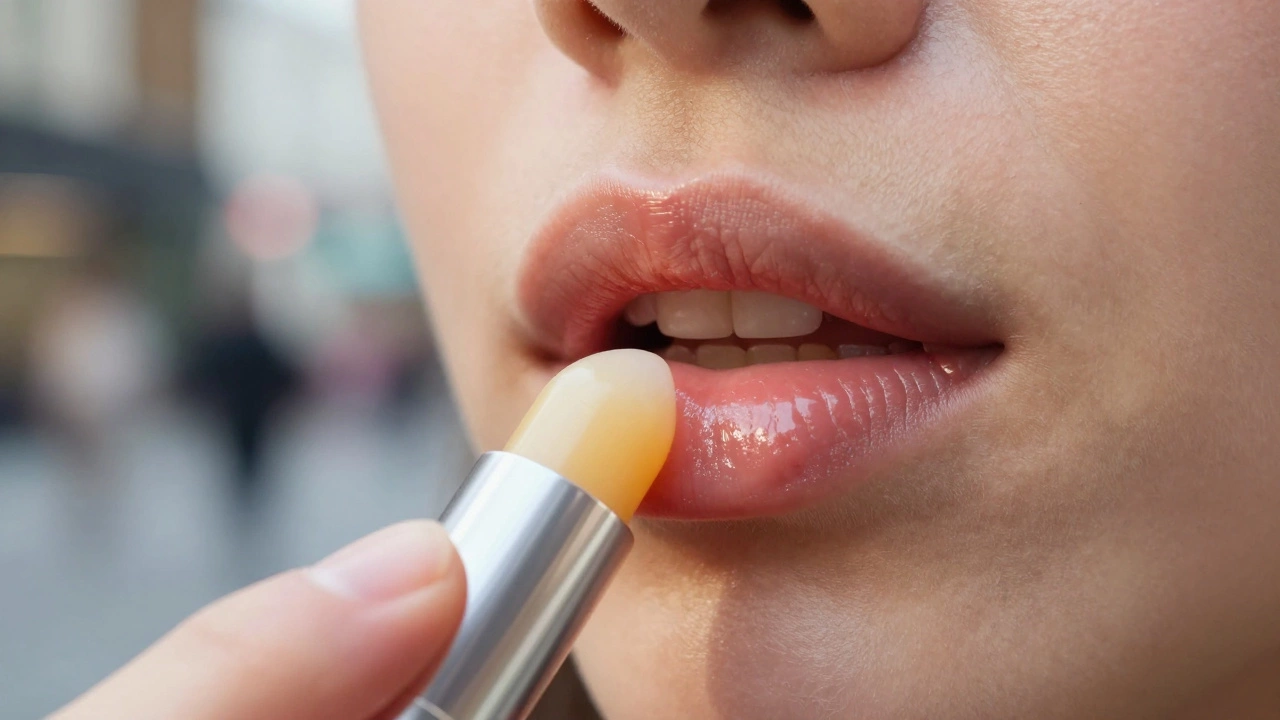
If face cream takes the crown for total market value, lip balm is the champion of frequency. Think about your own day. You likely apply lip balm multiple times a day without thinking twice about it. It sits in pockets, bags, and car consoles everywhere. Unlike foundation, which requires removal and reapplication, lip balm is applied continuously throughout the day.
The mechanics of lips make them uniquely vulnerable. They lack sebaceous glands, meaning they cannot produce their own natural oils to stay hydrated. As a result, chapping is a near-universal human experience, especially in dry climates or during winter months. This biological necessity drives consistent consumption. Data from major retail chains shows that lip care products have some of the highest repurchase rates in the entire beauty sector.
Furthermore, lip balm serves a dual purpose. It functions as a medicinal aid for cracked skin while also acting as a cosmetic base. Many people use tinted balms to add a subtle flush of color, bridging the gap between pure skincare and makeup. This versatility ensures that whether you identify as someone who wears "no makeup" or full glam, you still reach for lip balm.
Sunscreen: The Mandatory Cosmetic
We cannot discuss the most common cosmetics without addressing sunscreen. In many countries, including Japan, Australia, and increasingly across Europe and North America, sunscreen is considered a non-negotiable part of the daily routine. Dermatologists universally agree that UV protection is the single most important step in preventing premature aging and skin cancer.
Historically, sunscreen was viewed as a seasonal product, reserved for beach days. However, recent shifts in public health awareness have transformed it into a daily essential. Modern formulations now double as primers or moisturizers, encouraging users to wear them every morning regardless of weather. In East Asia, where fair skin is traditionally prized, sunscreen usage is so high that it often outpaces even moisturizers in specific demographic groups.
The regulatory landscape also plays a role. With stricter labeling laws and clearer SPF guidelines introduced in the mid-2020s, consumers are more informed than ever. This education has turned sunscreen from an optional summer accessory into a permanent fixture in bathroom cabinets worldwide.
Why Color Cosmetics Lag Behind
You might wonder why products like foundation or mascara don't hold the top spot. The answer lies in barrier to entry and necessity. Foundation requires shade matching, application skill, and often removal products. It is time-consuming and expensive. Mascara can irritate sensitive eyes and requires careful cleaning.
In contrast, moisturizer and lip balm are low-risk and high-reward. There is no wrong way to apply them. They do not require mirrors or precise techniques. During economic downturns, which have been frequent in recent years, consumers tend to cut back on luxury color cosmetics first. They keep the basics because these products provide immediate sensory relief and long-term health benefits.
| Product Type | Primary Function | Daily Application Rate | Barrier to Entry |
|---|---|---|---|
| Moisturizer | Hydration & Barrier Repair | Very High (1-2x/day) | Low |
| Lip Balm | Protection & Hydration | Extremely High (3-5x/day) | Very Low |
| Sunscreen | UV Protection | High (1x/day) | Medium |
| Foundation | Evening Skin Tone | Medium (1x/day) | High |
| Mascara | Eye Enhancement | Low-Medium (1x/day) | Medium |
Cultural Variations in Cosmetic Use
While moisturizer is globally dominant, regional preferences shape what "common" looks like locally. In South Korea, the multi-step skincare routine means that essences and serums are just as common as creams. The concept of "glass skin" has driven massive innovation in hydrating textures.
In contrast, in parts of Latin America and the Middle East, bold color cosmetics remain deeply embedded in cultural expression. Here, eyeshadow and eyeliner might see higher daily usage among younger demographics compared to conservative European markets. However, even in these regions, the underlying layer is almost always a moisturized base. Makeup artists emphasize that makeup applies poorly to dry skin, reinforcing the centrality of hydration.
This cultural diversity proves that while the *form* of cosmetics varies, the *function* remains consistent. People want to feel cared for, protected, and presentable. Moisturizers deliver on all three fronts simultaneously.

The Rise of Multi-Functional Products
A major trend accelerating the dominance of simple cosmetics is the rise of multi-tasking formulas. Consumers are increasingly tired of buying ten separate bottles. Brands have responded by creating tinted moisturizers that offer light coverage, SPF, and hydration in one step. Similarly, CC creams (color-control creams) have gained popularity for their ability to correct redness while moisturizing.
This consolidation simplifies routines. Instead of choosing between skincare and makeup, users pick one product that does both. This shift further cements the status of moisturizing bases as the core of the cosmetic industry. Even when people buy "makeup," they are often buying enhanced moisturizers.
Ingredients Driving Popularity
What makes these products so universally appealing? The ingredients list offers clues. Hyaluronic acid has become a household name since the early 2020s. Known for holding up to 1,000 times its weight in water, it provides instant plumping effects that appeal to all ages. Ceramides, which repair the skin barrier, have also moved from clinical treatments to everyday drugstore items.
Natural ingredients like shea butter and jojoba oil continue to drive sales in lip balms and body moisturizers. Their association with purity and safety resonates with consumers wary of synthetic chemicals. The transparency movement has forced brands to highlight these beneficial components, making the act of moisturizing feel like a health investment rather than a vanity expense.
Future Trends: Personalization and Sustainability
Looking ahead to late 2026 and beyond, the "most common" cosmetic will likely evolve toward personalization. AI-driven skin analysis apps are helping users identify their exact hydration needs, leading to customized moisturizer blends. At the same time, sustainability concerns are pushing brands to replace plastic tubes with refillable systems or solid balm formats that eliminate packaging waste entirely.
Despite these technological advances, the core function won't change. We will still need to hydrate our skin and protect our lips. The delivery method may become smarter, but the product itself remains rooted in basic human biology.
Is sunscreen considered a cosmetic?
Yes, in most jurisdictions, sunscreen is classified as a cosmetic or an over-the-counter drug depending on its SPF level and intended use. When used primarily for beautification or as part of a daily skincare routine without specific medical claims, it falls under the cosmetic umbrella. Its widespread daily use makes it one of the most common topical products globally.
Why is lip balm used more frequently than foundation?
Lips lack natural oil glands, making them prone to drying and cracking throughout the day. This necessitates frequent reapplication of lip balm for comfort and protection. Foundation, however, is typically applied once in the morning and removed at night. Additionally, lip balm is less invasive and easier to apply discreetly in various settings.
Do men use the same cosmetics as women?
Increasingly, yes. While marketing targets differ, the fundamental products are the same. Men are increasingly purchasing moisturizers, sunscreens, and lip balms. The stigma around skincare has diminished significantly, leading to a surge in male grooming products that focus on hydration and protection rather than color correction.
What is the difference between a moisturizer and a lotion?
The primary difference lies in consistency and oil content. Lotions generally have a higher water content and lower oil content, making them lighter and better suited for warm climates or oily skin. Moisturizers (or creams) are thicker, contain more oil, and provide a stronger barrier against moisture loss, ideal for dry skin or colder weather.
How has the definition of cosmetics changed in recent years?
The definition has expanded to include products that support skin health, not just those that alter appearance. Skincare items like serums, cleansers, and moisturizers are now firmly integrated into the broader cosmetic industry. This shift reflects consumer demand for products that offer both aesthetic and functional benefits, blurring the lines between medicine and beauty.