
Beauty Subscription Box Profile Calculator
Your Profile
Estimated Results
Select OptionsEnter your details to see estimated costs and demographic alignment.
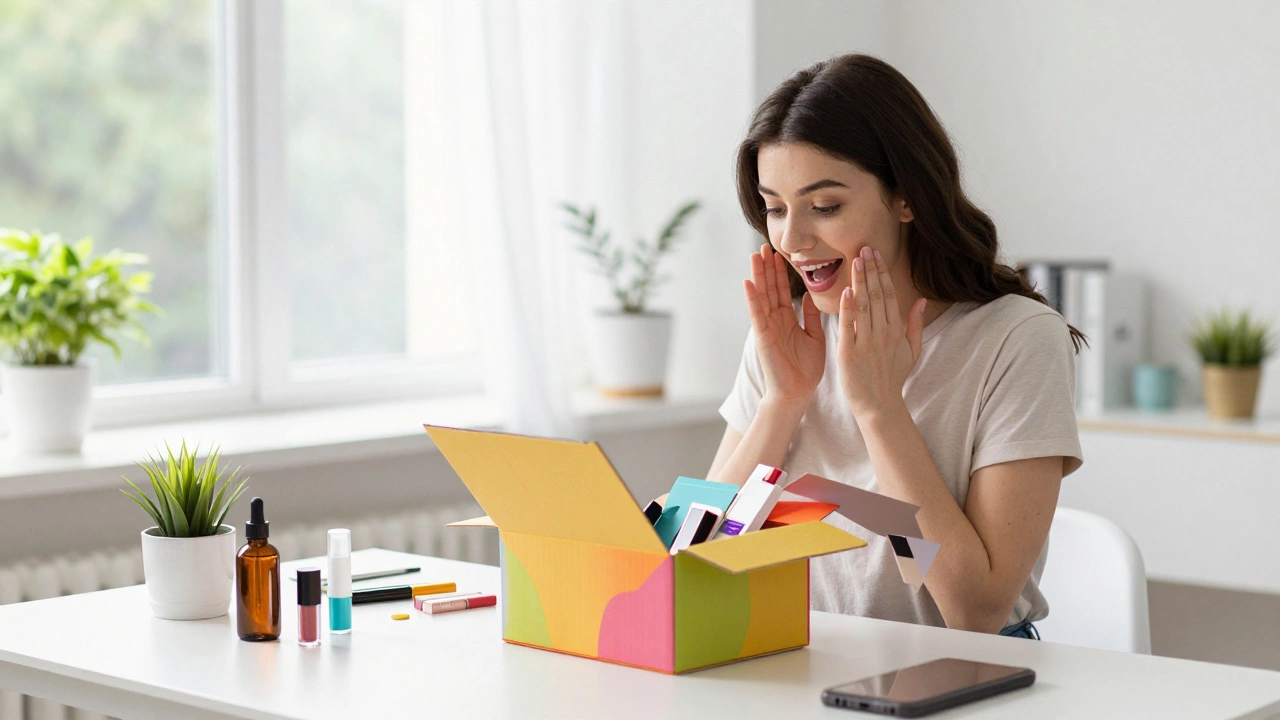
You’ve probably seen them everywhere. From Instagram stories to your neighbor’s front porch, those colorful boxes filled with mini-sized serums and lipsticks are hard to miss. But who is actually opening them? It’s not just a random group of people looking for free samples. There is a very specific type of person driving this multi-billion dollar industry.
If you are trying to launch a box or wondering if one is right for you, understanding the demographic that buys subscription boxes is the difference between success and failure. The data shows us a clear picture of age, income, and lifestyle preferences that define this unique customer base.
The Age Factor: Why Millennials and Gen Z Dominate
When we look at the numbers, two generations stand out clearly. Millennials (born roughly between 1981 and 1996) and Generation Z (born after 1997) make up the vast majority of subscribers. In fact, studies from market research firms like McKinsey and eMarketer suggest that nearly 60% of all subscription box users fall into these age groups.
Why these two groups? It comes down to how they grew up. Millennials were the first generation to grow up with the internet as adults. They value convenience and curation. They don’t want to spend three hours reading reviews for every new face cream on the market. They want an expert to pick the best five products for them each month.
Gen Z is different but equally engaged. For them, it’s about discovery and identity. A beauty box isn’t just skincare; it’s a monthly ritual that signals their taste in aesthetics, sustainability, and brand values. They are digital natives who trust online communities more than traditional advertising. If a TikTok influencer unboxes a product and loves it, Gen Z is ready to subscribe.
| Generation | Primary Motivation | Avg. Monthly Spend | Churn Rate |
|---|---|---|---|
| Millennials | Convenience & Curation | $35 - $50 | Moderate (15-20%) |
| Gen Z | Discovery & Social Proof | $25 - $40 | High (25-30%) |
| Gen X | Luxury & Brand Loyalty | $50+ | Low (<10%) |
Gen X (born 1965-1980) is a smaller segment but highly valuable. They tend to stick with premium brands once they find something they like. They aren’t as likely to jump on trends, but when they do subscribe, they stay longer and spend more per box.
Income Levels: The "Treat Yourself" Budget
Let’s be honest: subscription boxes are rarely cheap. Even the entry-level beauty boxes often cost between $15 and $30 a month, which adds up quickly. This means income plays a huge role in who subscribes.
Data indicates that the core demographic earns between $50,000 and $100,000 annually. These individuals have disposable income. They aren’t buying luxury handbags every week, but they can afford small luxuries. Psychologists call this the "latte factor"-small, frequent purchases that feel manageable but add up over time.
For someone earning $75,000, a $30 box feels like a harmless treat. It’s less painful than dropping $150 on a single high-end serum. This psychological pricing strategy works well for middle-income earners who want to feel indulgent without breaking the bank.
However, there is a growing segment of lower-income subscribers who use boxes for sampling. They subscribe to get full-size products at a discount, then resell unused items or share them. This "hack" is common among students and young professionals who want access to premium brands they couldn’t otherwise afford.
Gender Breakdown: Beyond Just Women
Historically, beauty subscription boxes were marketed almost exclusively to women. Brands like Birchbox and Ipsy started with a female-first approach. And yes, women still make up about 70-75% of the subscriber base.
But the landscape is shifting fast. Men are increasingly interested in grooming, skincare, and self-care. The stigma around men using moisturizer or eye cream has faded significantly since 2020. As a result, men now account for nearly 25% of beauty box subscriptions, and that number is rising by 5% each year.
This shift isn’t just about marketing. It’s about changing social norms. Younger men are seeing influencers and celebrities prioritize skincare routines. They want products that work, and a curated box removes the guesswork. Brands that cater specifically to men, focusing on simplicity and efficacy rather than fragrance and packaging, are seeing huge growth in this demographic.
Geography: Urban vs. Rural Preferences
Where you live matters more than you might think. Subscribers are heavily concentrated in urban and suburban areas. Cities like New York, Los Angeles, London, and Toronto have the highest density of box lovers.
Urban dwellers are often busy professionals with little time to visit physical stores. They value the convenience of having products delivered to their door. Plus, city residents are more exposed to trend cycles through media, fashion weeks, and local boutiques. They want to stay current, and boxes help them do that.
Rural subscribers exist, but they behave differently. They often prefer boxes with larger quantities or practical items because shipping costs and delivery times can be higher. They also tend to be more loyal to local or regional brands rather than global luxury labels.
In international markets, Asia-Pacific regions are showing explosive growth. Countries like South Korea and Japan have deep-rooted cultures of beauty innovation. Subscribers there expect high-quality, innovative ingredients and are willing to pay premium prices for exclusive K-beauty or J-beauty products.
Psychographics: What Drives the Decision?
Demographics tell us who they are, but psychographics tell us why they buy. Understanding the mindset behind the subscription is crucial.
- The Curator: Loves discovering new brands. Gets bored easily. Will cancel if the same brands appear twice in a row.
- The Value Seeker: Calculates the retail value of the box. Only stays if the total value exceeds the subscription cost by a significant margin.
- The Routine Builder: Uses the box to establish a consistent skincare routine. Values education and instructions included with products.
- The Gift Giver: Subscribes occasionally to give boxes as gifts. Not a long-term user but drives seasonal spikes in sales.
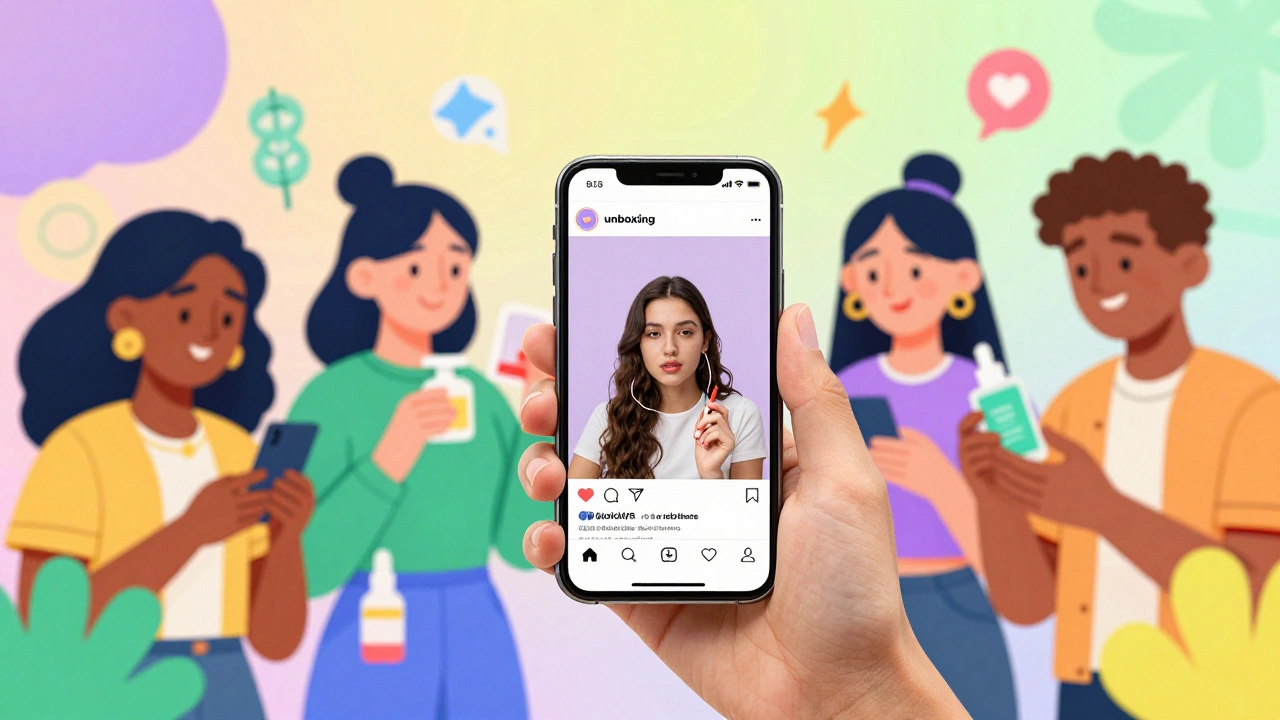
Social media influence cannot be overstated. Over 80% of subscribers discover boxes through Instagram, TikTok, or YouTube. Unboxing videos create a sense of FOMO (Fear Of Missing Out). Seeing someone else enjoy a surprise package triggers a dopamine response that encourages others to join in.
Retention Challenges: Why People Cancel
Knowing who buys is only half the battle. You also need to know why they stop. Churn rates in the subscription industry are notoriously high, averaging 20-30% per month for many companies.
The biggest reason for cancellation? Lack of personalization. If a subscriber receives products that don’t match their skin type, hair color, or preferences, they feel ignored. Today’s consumers expect algorithms to know their needs better than their friends do.
Another major issue is "subscription fatigue." People sign up for too many services and eventually have to cut back. When they do, beauty boxes are often the first to go because they are seen as non-essential luxuries.
To combat this, successful brands focus on community building. They create apps where users can swap products, rate items, and connect with other subscribers. This turns a transactional relationship into a social experience, increasing loyalty.
What is the average age of a beauty subscription box subscriber?
The average age falls between 25 and 34 years old. This range captures the majority of Millennials and older Gen Z members who have disposable income and are active on social media platforms where these boxes are heavily marketed.
Do men subscribe to beauty boxes?
Yes, approximately 25% of subscribers are men. This number is growing rapidly as grooming and skincare become more normalized for male audiences. Men typically prefer boxes focused on simple routines and practical products.
How much does the typical subscriber earn?
Most subscribers earn between $50,000 and $100,000 annually. This income level allows for discretionary spending on small luxuries like monthly beauty boxes without impacting essential financial obligations.
Why do people cancel their subscriptions?
The top reasons include lack of personalization, receiving unwanted products, subscription fatigue, and finding better deals elsewhere. Personalization is key to retaining customers in this competitive market.
Which cities have the most subscribers?
Major metropolitan areas like New York, Los Angeles, London, and Toronto lead in subscription numbers. Urban dwellers value convenience and are more exposed to beauty trends through local culture and media.