

Skincare Value Calculator
Analyze Your Skincare Product
Enter your skin concern and paste an ingredient list to see if the product provides real value.
Have you ever stared at a $200 face cream and wondered if it’s worth it? You’re not alone. The skincare industry thrives on high prices, and brands don’t just slap on fancy packaging and call it premium-they back it up with science, sourcing, and strategy. But does paying more actually mean better results? The answer isn’t simple, but it’s clearer than most influencers let on.
It’s Not Just Marketing-The Science Is Different
Expensive skincare often works better because it’s built on deeper research. Many high-end brands invest in clinical trials that smaller companies can’t afford. For example, La Mer’s Moisturizing Cream isn’t just a moisturizer-it’s built on a fermentation process developed over 50 years. Their lab tested over 6,000 formulations before landing on the one that works. That’s not luck. That’s R&D.Compare that to drugstore brands that rely on proven, low-cost ingredients like glycerin or hyaluronic acid. Those work fine, but they’re not optimized for complex skin concerns like barrier repair, chronic inflammation, or hormonal acne. Luxury brands use targeted delivery systems-liposomes, encapsulated retinoids, peptide chains-that penetrate deeper and last longer. These aren’t buzzwords. They’re engineered solutions validated in peer-reviewed journals.
Ingredient Purity and Concentration Matter
A $15 serum might list vitamin C as its star ingredient. But if it’s not stabilized, it oxidizes in the bottle and turns brown before you even open it. Expensive products use stabilized forms like L-ascorbic acid at concentrations above 15%, often paired with ferulic acid and vitamin E to boost absorption. That’s not a coincidence. It’s chemistry.Look at retinol. A cheap version might contain 0.1% and be suspended in a thick, irritating base. A premium retinol serum? It could have 1% encapsulated retinol delivered via lipid nanoparticles, with soothing ceramides and niacinamide to reduce irritation. The difference isn’t just strength-it’s how your skin tolerates and uses it. You get results without the redness, peeling, or sensitivity.
Active Ingredients Are Often Excluded from Budget Brands
Here’s something most people don’t realize: many affordable products leave out key actives because they’re too expensive or unstable. Think of bakuchiol, a plant-based retinol alternative. It’s gentler than retinol but just as effective for fine lines. It’s common in $100+ serums but rarely found under $40. Why? It costs 10x more than retinol to source and stabilize.Same with niacinamide. A 10% concentration is proven to reduce pore size and redness. But most drugstore brands cap it at 2-5% to keep costs low and avoid regulatory scrutiny. Premium brands use 10% because they can afford the testing, the stability protocols, and the higher raw material cost.
Formulation Is an Art-And It’s Expensive
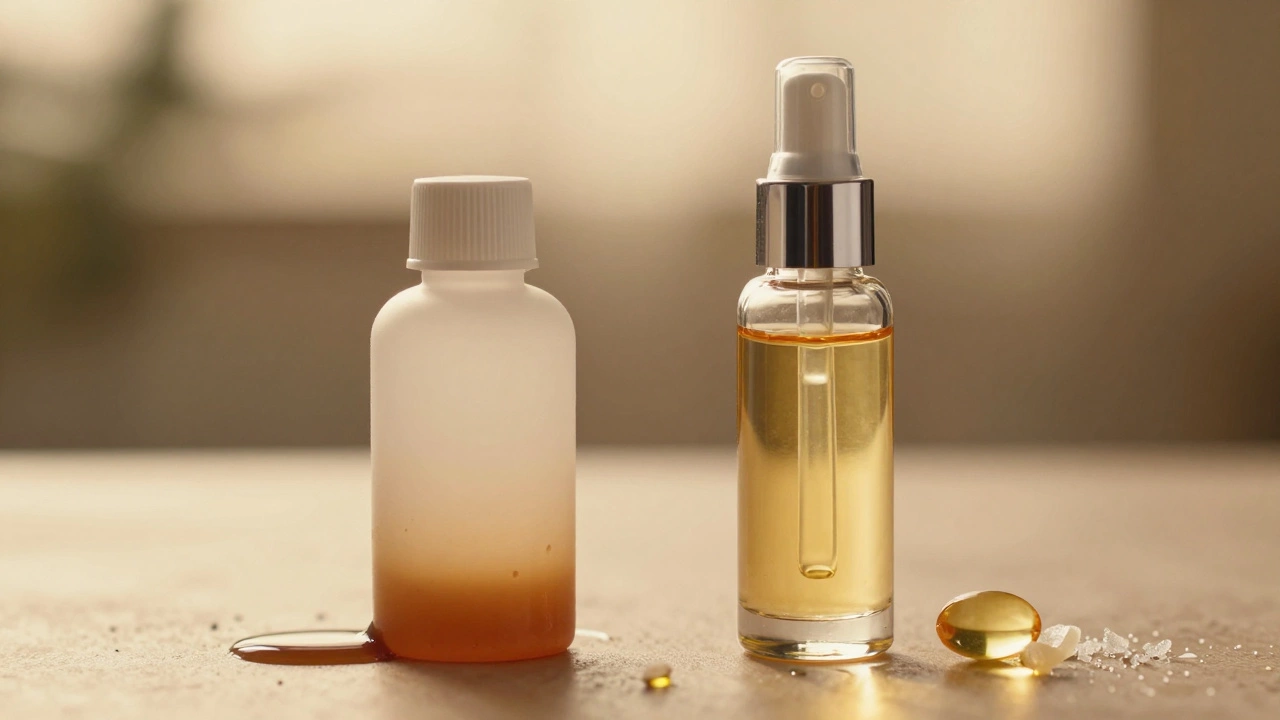
A great skincare product isn’t just about what’s in it. It’s about how it’s made. Expensive brands use low-heat mixing, nitrogen-purged packaging, and sterile filling lines to preserve potency. A vitamin C serum exposed to air and light loses 50% of its effectiveness in 30 days. Premium brands use airless pumps, opaque glass, and nitrogen flushing to keep it active for 12+ months.Texture matters too. A $50 cream might feel greasy. A $200 one glides on like silk and absorbs instantly. Why? It’s not magic-it’s emulsion science. The right balance of oils, water, and emulsifiers takes months of testing. Most budget brands use cheap emulsifiers that leave a film. Luxury brands use multiple-phase emulsions that mimic your skin’s natural lipid structure. That’s why they feel different and work better.
Testing and Safety Are More Rigorous
When you buy a $100 serum, you’re not just paying for ingredients. You’re paying for safety testing. Premium brands conduct patch tests on hundreds of people with sensitive skin, eczema, rosacea, and acne. They test for endocrine disruption, allergens, and long-term irritation. Many follow ISO 16128 standards for natural ingredient certification, which requires full traceability.Drugstore brands? They test for basic irritation. That’s it. They don’t test for cumulative effects over months. They don’t test on diverse skin tones. They don’t test how it works with other actives. That’s why you hear stories of people breaking out after switching to a new drugstore moisturizer. It’s not your skin-it’s the formulation.
What You’re Really Paying For
Let’s be honest: part of the price is branding, packaging, and retail markup. But here’s what you’re not paying for:- Advertising hype
- Celebrity endorsements
- Overpriced bottles
What you are paying for:
- Higher concentrations of proven actives
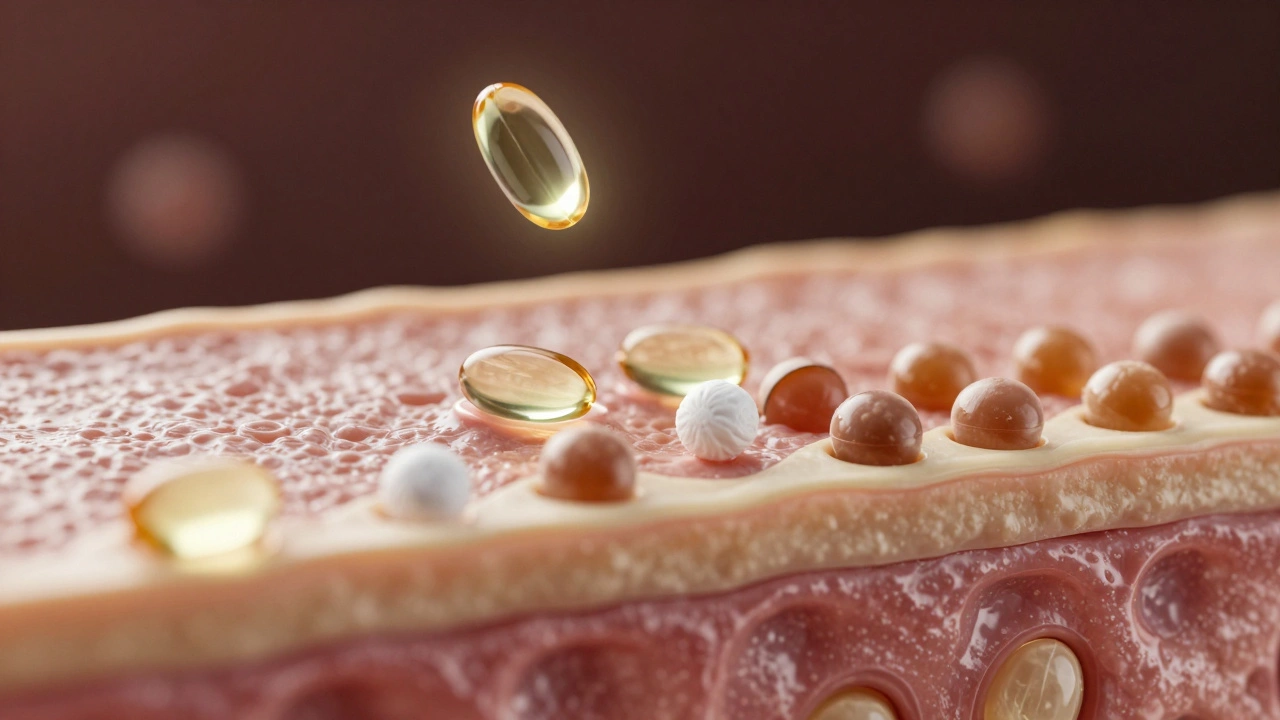
- Advanced delivery systems
- Stable, non-degrading formulations
- Third-party clinical validation
- Minimal irritants and allergens
Think of it like this: a $500 pair of running shoes isn’t expensive because of the logo. It’s expensive because of the carbon fiber plate, the foam density, and the biomechanical testing. Skincare is the same.
When Expensive Skincare Isn’t Worth It
This isn’t a blanket rule. Not all expensive skincare works. Some brands charge $300 for a jar of water with a few botanical extracts. Others charge $150 for a formula that’s identical to a $20 version.How to tell the difference? Check the ingredient list. If the first three ingredients are water, glycerin, and alcohol, it’s not worth the price. If you see active ingredients like peptides, bakuchiol, or encapsulated retinol listed in the top five, and the brand publishes clinical data, you’re likely getting real value.
Also, your skin doesn’t need luxury. If you’re 20 with clear skin, a $15 niacinamide serum will do more than a $200 anti-aging cream. Expensive skincare shines when your skin has complex issues-barrier damage, chronic redness, stubborn hyperpigmentation, or hormonal breakouts. That’s where the science pays off.
Bottom Line: You Get What You Pay For-If You Know What to Look For
Expensive skincare isn’t better because it’s fancy. It’s better because it’s smarter. It uses higher-quality ingredients, more advanced delivery methods, and more rigorous testing. It’s designed for skin that doesn’t respond to basic formulas.But you don’t need to spend $200 to fix your skin. You just need to know what’s actually in the bottle. Look for clinical data. Check the ingredient order. Avoid products where water is the first ingredient and actives are buried at the bottom. And remember: your skin doesn’t care about the brand name. It cares about what it absorbs.