
Mature Skin Facial Treatment Finder
Not sure which treatment is right for you? Answer these questions to get a personalized recommendation based on your skin's needs.
Turning fifty isn't just a birthday; it's a biological shift. Your skin stops producing collagen at the rate it used to, cell turnover slows down, and that glow you took for granted in your thirties? It needs a bit more help now. If you've been wondering what is the best facial treatment for over 50, the answer isn't one-size-fits-all. It depends entirely on whether your main concern is dryness, deep wrinkles, or loss of volume.
Here is the truth: generic "anti-aging" facials sold in department stores often miss the mark. They might smell nice, but they rarely penetrate deeply enough to make a real difference. At this stage, you need treatments that actively stimulate collagen production or restore hydration barriers that have thinned out. Let's break down what actually works, cutting through the marketing fluff to get you results you can see in the mirror.
Why Your Skin Needs Different Care Now
Mature skin behaves differently. Estrogen levels drop during menopause, which directly impacts skin thickness and elasticity. You might notice your skin feels thinner, drier, and more prone to bruising. This isn't just cosmetic; it's structural. The dermis, the layer where collagen and elastin live, becomes less dense. Standard moisturizers sit on top. Professional treatments work by signaling the skin to repair itself from within.
You aren't trying to look twenty again. You're trying to look like the healthiest, most vibrant version of yourself at fifty-plus. That means prioritizing barrier repair and structural support over aggressive exfoliation that could damage already sensitive skin.
Hydration Is the Foundation: Why Hydrating Facials Come First
Before you tackle wrinkles, fix the dryness. Dehydrated skin makes every fine line look twice as deep. If your face feels tight after cleansing or looks dull by midday, start here. Hyaluronic acid is the star player, but not all forms are created equal. Look for treatments using multi-molecular hyaluronic acid, which penetrates different layers of the skin rather than just sitting on the surface.
A good hydrating facial for mature skin should include:
- Ceramide-rich masks to rebuild the lipid barrier.
- Hyaluronic acid serums applied with gentle massage to boost absorption.
- LED red light therapy to reduce inflammation and encourage cellular energy.
This is often the safest starting point if you have rosacea or sensitivity, which becomes more common after fifty. It plumps the skin immediately, giving you a dewy look without downtime.
Stimulating Collagen: Microneedling and Radiofrequency
If hydration isn't enough, you need to wake up your collagen factories. This is where microneedling comes in. Also known as collagen induction therapy, this procedure uses tiny needles to create micro-injuries in the skin. Your body responds by rushing to heal these injuries, producing new collagen and elastin in the process.
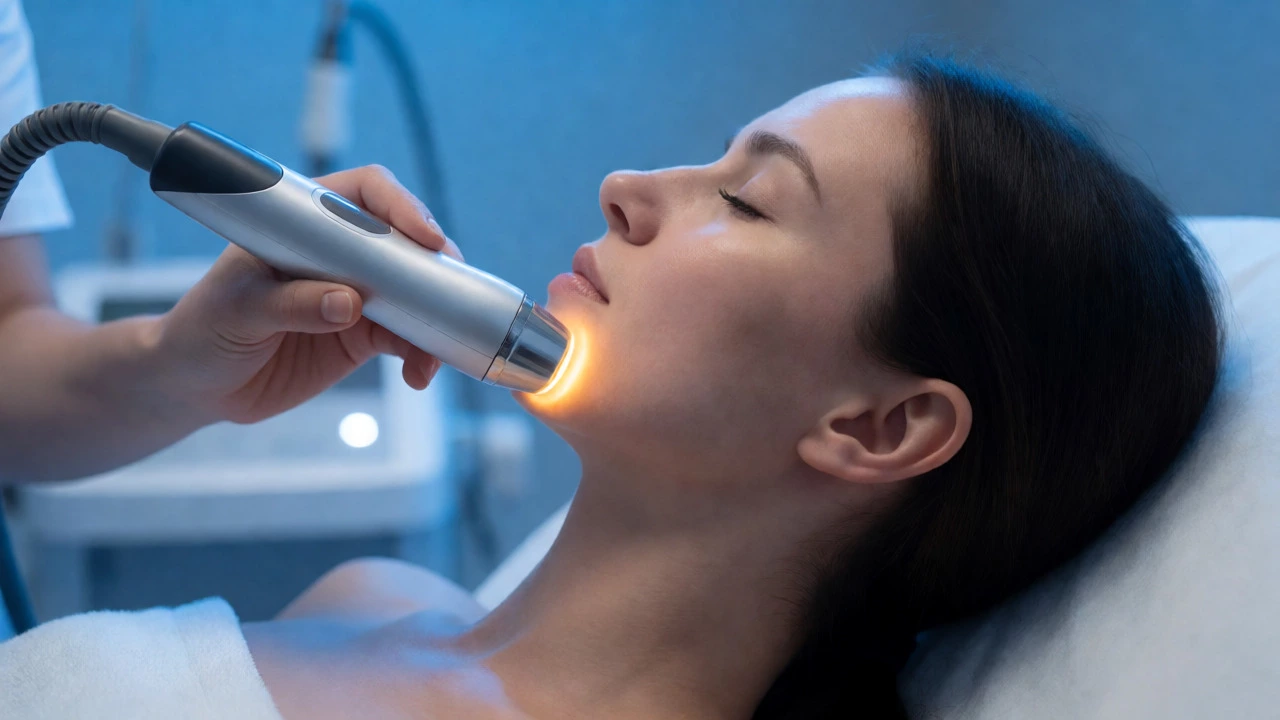
For those over fifty, standard microneedling might be too intense on its own. Many clinics now combine it with radiofrequency (RF). RF energy heats the deeper layers of the skin, tightening existing collagen fibers while stimulating new growth. It’s particularly effective for jawline definition and reducing the appearance of sagging cheeks.
| Treatment Type | Primary Benefit | Downtime | Best For |
|---|---|---|---|
| Hydrating Facial | Immediate plumping and barrier repair | None | Dry, sensitive, or dull skin |
| Microneedling | Collagen production and texture refinement | 1-3 days redness | Fine lines, acne scars, uneven tone |
| Radiofrequency | Skin tightening and lifting | Minimal | Loose skin, jowls, laxity |
| Chemical Peels | Exfoliation and pigment correction | 3-7 days peeling | Sun spots, rough texture |
The Power of Chemical Peels: Proceed with Caution
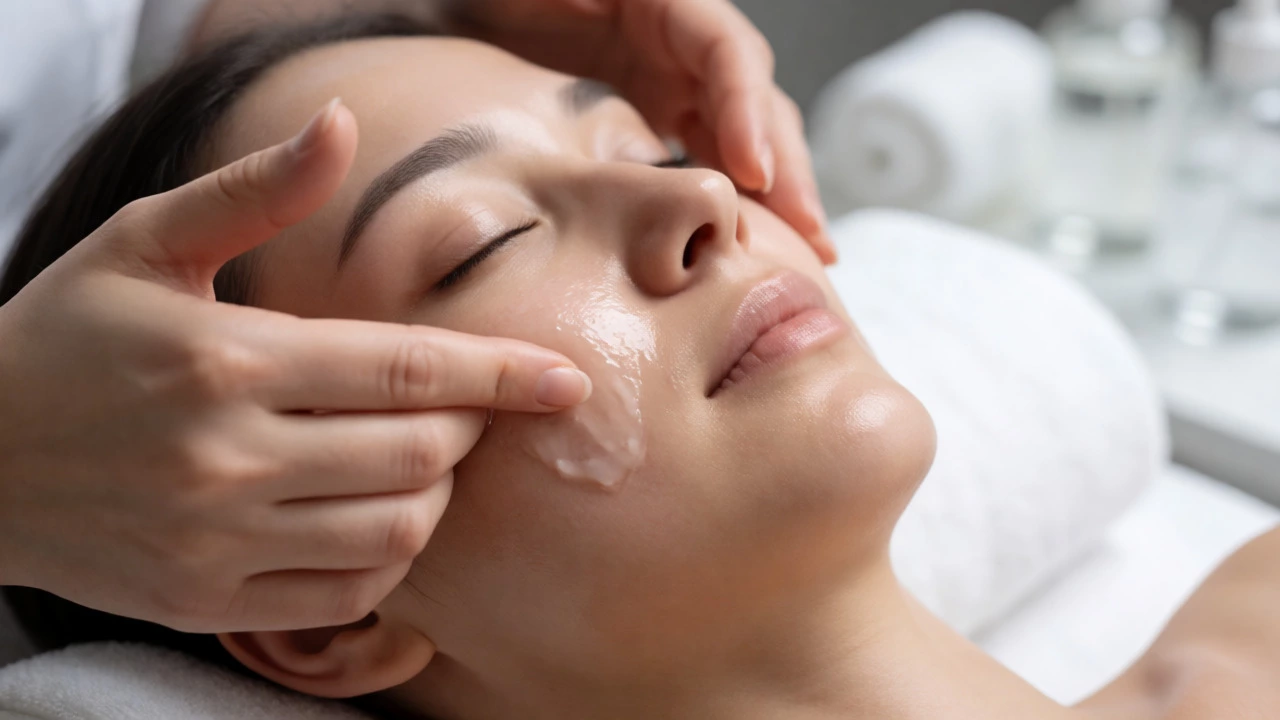
Peels are fantastic for sun damage and age spots, which are almost inevitable by fifty. However, mature skin is thinner. Aggressive peels that worked in your forties might cause hyperpigmentation now. Stick to superficial peels containing glycolic acid, lactic acid, or mandelic acid. Mandelic acid is particularly good because it has a larger molecular size, meaning it penetrates slowly and gently-perfect for sensitive, mature complexions.
Avoid high-concentration TCA (Trichloroacetic Acid) peels unless recommended by a dermatologist who knows your specific skin history. The goal is brightening, not stripping your skin raw.
Facial Massage and Lymphatic Drainage
Don't underestimate the power of touch. As we age, our lymphatic system becomes less efficient, leading to puffiness and a sluggish complexion. Manual lymphatic drainage (MLD) is a specialized massage technique that encourages fluid movement. It doesn't build collagen, but it dramatically improves circulation and reduces morning puffiness.
Many high-end spas now incorporate MLD into their standard facials. It feels incredible and leaves your face looking sculpted and awake. If you suffer from under-eye bags or general facial swelling, ask specifically for this technique during your appointment.
How to Choose the Right Clinic
Not all estheticians are trained to handle mature skin. Some still treat every client with the same aggressive extraction methods. When booking your consultation, ask these questions:
- Do you have experience treating menopausal or post-menopausal skin?
- What products do you use? Are they free from harsh fragrances and alcohol?
- Can you customize the treatment based on my current medication or hormonal status?
Look for clinics that offer patch tests. Mature skin can react unpredictably to new ingredients. A reputable practitioner will never rush you into a full-face application without testing first.
Home Care Matters More Than Ever
A monthly facial won't undo daily neglect. To maintain results, your home routine must align with professional treatments. Retinoids are still the gold standard for anti-aging, but start with a low concentration (0.25% retinol) if you haven't used them before. Pair them with a heavy-duty moisturizer containing peptides, which signal skin cells to produce more collagen.
Sunscreen is non-negotiable. UV damage accelerates collagen breakdown faster than any other factor. Use SPF 50 daily, even in Brighton's cloudy weather. Yes, especially there.
Common Pitfalls to Avoid
One major mistake is over-exfoliating. Scrubbing away dead skin cells feels satisfying, but mature skin regenerates slowly. Too much physical exfoliation damages the barrier, leading to redness and irritation. Switch to chemical exfoliants used only once or twice a week.
Another trap is chasing trends. Laser resurfacing and ultrasound lifts are popular, but they come with higher costs and potential risks. Start with less invasive options like microneedling or RF. See how your skin responds before escalating to heavier machinery.
How often should I get a facial after 50?
Typically, every 4 to 6 weeks is ideal. This aligns with your skin's natural cell turnover cycle, which slows down with age. However, if you are undergoing a series of treatments like microneedling, your provider may recommend sessions every 2 to 4 weeks initially.
Are chemical peels safe for mature skin?
Yes, but choose wisely. Superficial peels with AHAs like mandelic or lactic acid are generally safe and beneficial. Avoid deep peels unless advised by a specialist, as mature skin heals slower and is more prone to pigmentation changes.
Can facials help with menopause-related skin issues?
Absolutely. Menopause causes drops in estrogen, leading to dryness and thinning. Hydrating facials with ceramides and hyaluronic acid directly address this moisture loss. Additionally, red light therapy can help combat the inflammatory responses that become more common during hormonal shifts.
What is the difference between microneedling and dermaplaning?
Dermaplaning is a physical exfoliation method that removes peach fuzz and dead skin cells, offering instant smoothness. Microneedling creates controlled micro-injuries to stimulate collagen production over time. For anti-aging, microneedling offers longer-term structural benefits, while dermaplaning provides immediate surface refinement.
Will facial treatments hurt?
Most modern treatments are comfortable. Hydrating facials and massages are relaxing. Microneedling might feel like a mild vibration or tingling, and numbing cream is usually applied beforehand. Radiofrequency feels warm, similar to a hot stone massage. Pain tolerance varies, but severe pain is a sign something is wrong.