

Hair Restoration Strategy Planner
1. Identify Your Symptoms
Select the option that best describes your situation.
Select your symptoms to begin
We'll generate a personalized plan based on the article's evidence-based strategies.
Looking in the mirror and noticing your parting looks wider than it used to is a sinking feeling. You pull your ponytail back, and it feels lighter, stringier, less substantial. The immediate question that pops into your head is simple but heavy: can thin hair become thick again?
The short answer is yes, but with a massive asterisk. It depends entirely on why your hair has thinned. If the hair follicles are still alive but dormant or stressed, you can often wake them up and restore volume. If they have miniaturized beyond repair or closed up completely, no shampoo will bring them back. Understanding the difference between temporary shedding and permanent loss is the only way to get results.
Understanding Why Your Hair Thins
Before you buy another bottle of expensive serum, you need to diagnose the root cause. Hair thinning isn't one single condition; it's a symptom. Most people fall into one of three buckets: genetic pattern loss, telogen effluvium (stress-induced shedding), or nutritional deficiency.
Androgenetic alopecia is the most common form of hair loss, driven by genetics and hormones like dihydrotestosterone (DHT). In this scenario, DHT shrinks the hair follicle over time. The hair grows back thinner and shorter with each cycle until it stops growing altogether. This is what we call male or female pattern baldness. Once a follicle dies, it’s gone. But if it’s just shrinking, there is hope.
Then there is Telogen effluvium, which is temporary excessive hair shedding caused by physical or emotional stress. Did you have a high fever six months ago? Go through a breakup? Start a crash diet? Your body pushes hair follicles into the resting phase to save energy. Three to four months later, all those hairs fall out at once. The good news? This type of thinning reverses itself once the stressor is removed.
Nutritional gaps play a huge role too. Your hair is made of keratin, a protein. If you aren’t eating enough protein, iron, zinc, or biotin, your body deprioritizes hair growth because it’s not vital for survival. A blood test can reveal if low ferritin (iron stores) or vitamin D is sabotaging your efforts.
The Role of Scalp Health
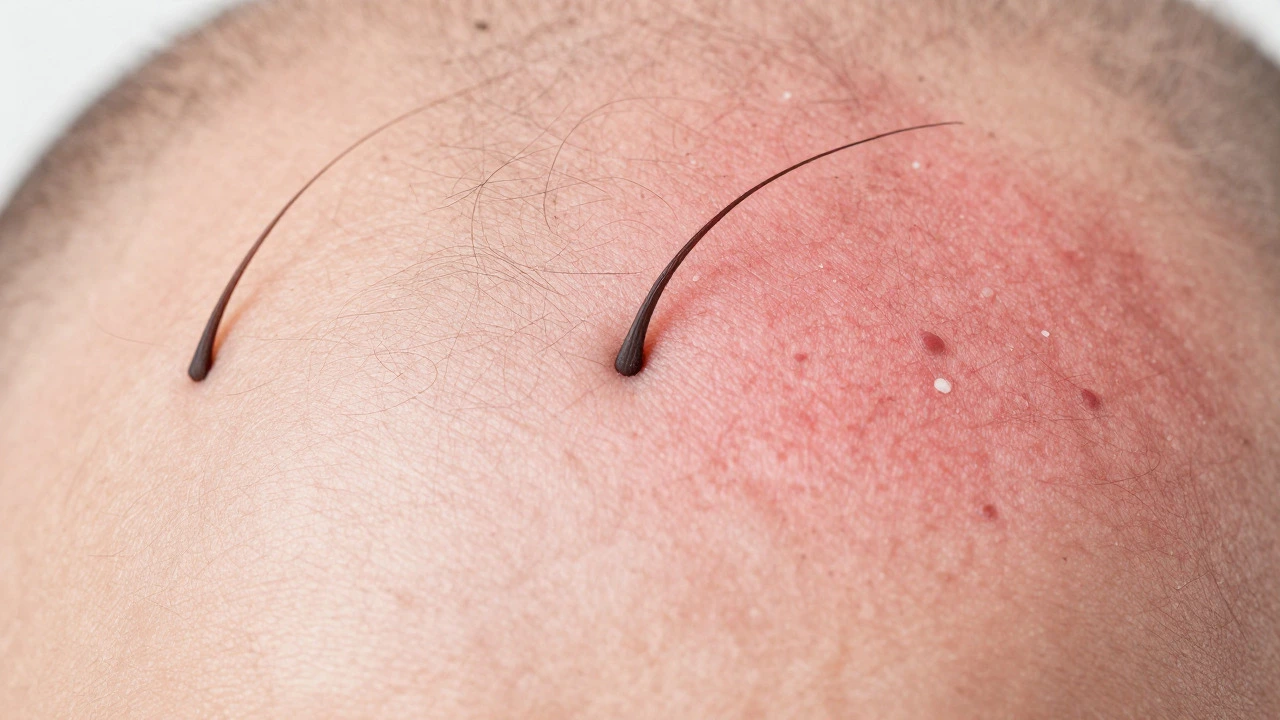
You wouldn’t plant seeds in concrete and expect flowers. Your scalp is the soil. If your scalp is inflamed, clogged with sebum, or suffering from dandruff, hair cannot grow properly. Conditions like Seborrheic dermatitis create an environment where inflammation blocks nutrient delivery to the follicle.
Look closely at your scalp. Is it red? Flaky? Itchy? If so, treating the skin comes before treating the hair. Using a gentle, pH-balanced cleanser helps maintain the acid mantle of the scalp. Over-washing strips natural oils, causing the scalp to overproduce oil in response, leading to more buildup. Aim for washing every other day or when necessary, using lukewarm water rather than scalding hot showers, which can damage the cuticle and irritate the skin.
Proven Treatments for Regrowth
If your goal is to make thin hair thick again, you need active ingredients that have clinical backing. Here are the heavy hitters:
- Minoxidil: This is the gold standard for OTC treatment. It works by prolonging the anagen (growth) phase of the hair cycle. It doesn’t fix the hormonal cause of pattern loss, but it forces follicles to stay open and produce thicker shafts. You’ll see results in 4-6 months, but you must use it indefinitely. Stop, and you lose the gains.
- Ketoconazole Shampoo: Often found in anti-dandruff shampoos, ketoconazole has mild anti-androgen properties. It reduces scalp inflammation and may block DHT locally. Using it two to three times a week alongside minoxidil can boost results.
- Finasteride/Dutasteride: These are prescription pills that lower systemic DHT levels. They are highly effective for men and increasingly prescribed off-label for women (post-menopausal). They stop the progression of loss but require ongoing medical supervision due to potential side effects.
Natural Remedies and Lifestyle Hacks
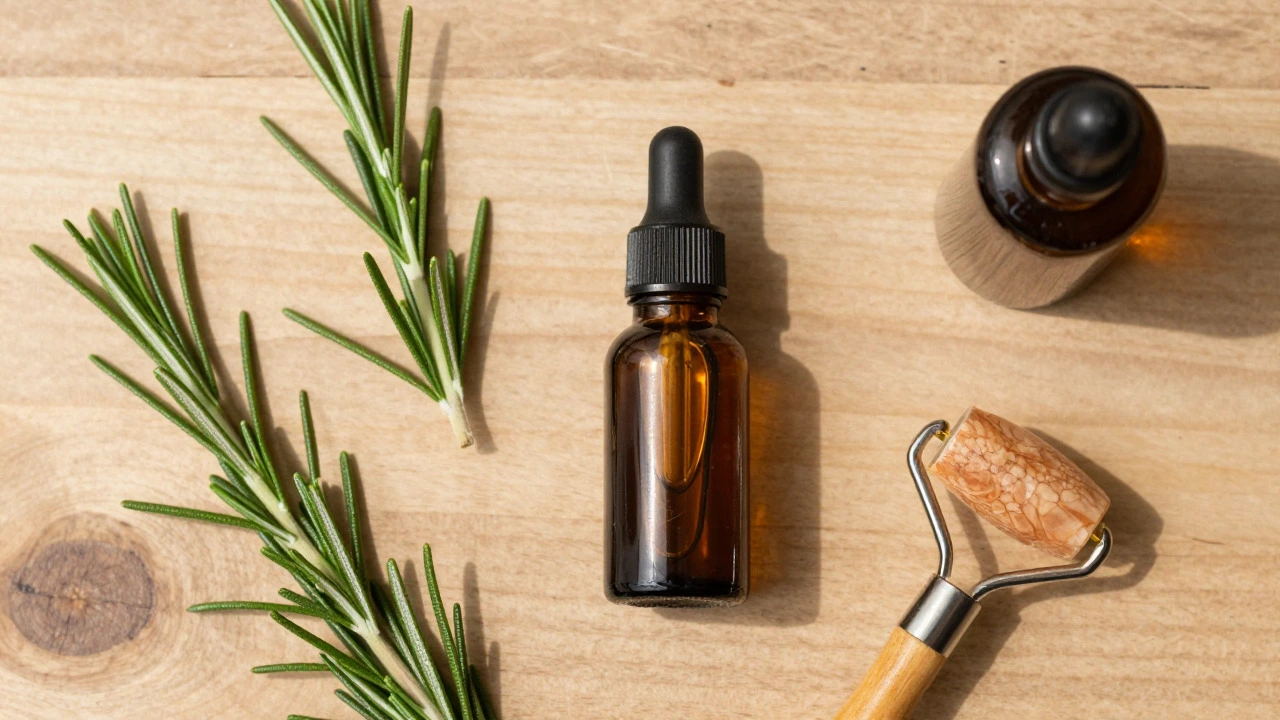
While drugs work fast, lifestyle changes support long-term health. Rosemary oil has gained significant attention recently. A 2015 study compared rosemary oil to 2% minoxidil and found similar efficacy in promoting hair growth after six months of use. It works by improving circulation to the scalp. Mix a few drops with a carrier oil like jojoba or pumpkin seed oil and massage it into your scalp before washing.
Scalp massage itself is beneficial. Mechanical stimulation increases blood flow, bringing more oxygen and nutrients to the follicles. Five minutes of daily massage with your fingertips (not nails) can make a difference over time.
Diet matters immensely. Ensure you’re getting at least 0.8 grams of protein per kilogram of body weight. Iron-rich foods like spinach, red meat, and lentils are crucial, especially for women with heavy periods. Omega-3 fatty acids from fish or flaxseeds reduce inflammation systemically, creating a better environment for hair growth.
| Strategy | Best For | Time to See Results | Maintenance Required |
|---|---|---|---|
| Minoxidil | Pattern hair loss | 4-6 months | High (lifelong use) |
| Rosemary Oil | Mild thinning, sensitive scalps | 6+ months | Medium (regular application) |
| Finasteride | Aggressive genetic loss | 6-12 months | High (daily pill) |
| Dietary Correction | Nutritional deficiencies | 3-4 months | Low (lifestyle change) |
| PRP Therapy | Early-stage thinning | 3-6 months | High (clinic visits) |
What About PRP and Microneedling?
If topical treatments aren’t cutting it, professional procedures offer another layer of intervention. Platelet-Rich Plasma (PRP) therapy involves drawing your blood, spinning it to concentrate the platelets, and injecting them into your scalp. Platelets release growth factors that stimulate dormant follicles. Studies show mixed but promising results, particularly when combined with microneedling.
Microneedling uses tiny needles to create micro-injuries in the scalp. This triggers the body’s wound-healing response, increasing collagen production and enhancing the absorption of topical treatments like minoxidil. Doing this once a week at home with a dermaroller (0.5mm to 1.5mm) can significantly boost regrowth efforts.
Managing Expectations
Hair growth is slow. The average head of hair grows about half an inch per month. To see visible thickness, you need new hairs to emerge and mature. Patience is non-negotiable. Most treatments take at least three months to show any sign of improvement and six to twelve months for full results.
Also, distinguish between density and diameter. You can increase the number of hairs (density) and the thickness of individual strands (diameter). Minoxidil helps with both. Styling tricks like volumizing powders or blow-drying roots upside down help with the appearance of thickness immediately, while treatments work on the biology underneath.
Don’t fall for miracle cures. If a product promises overnight thickening, it’s lying. Hair biology doesn’t work that way. Stick to evidence-based methods, be consistent, and give your body the time it needs to respond.
How long does it take for thin hair to become thick again?
It typically takes 3 to 6 months to see initial signs of regrowth and 6 to 12 months for noticeable thickness. Hair grows slowly, averaging 0.5 inches per month, so consistency with treatments is key.
Can stress permanently thin your hair?
Usually, no. Stress-induced hair loss (telogen effluvium) is temporary. Once the stressor is resolved, hair typically regrows within 6 to 9 months. However, chronic stress can exacerbate genetic hair loss patterns.
Does minoxidil work for everyone?
Minoxidil works best for people with recent hair loss or active thinning. It is less effective for those who have been bald in a specific area for many years, as the follicles may be dead. It also requires lifelong use to maintain results.
Are there natural ways to thicken hair without medication?
Yes. Rosemary oil, scalp massage, correcting nutritional deficiencies (iron, protein, vitamin D), and reducing heat styling can naturally improve hair density and strand thickness over time.
Should I see a doctor for thinning hair?
Yes, especially if the thinning is sudden, patchy, or accompanied by other symptoms like fatigue or weight changes. A dermatologist can perform blood tests to rule out thyroid issues, anemia, or hormonal imbalances.