
Cruelty-Free Brand Comparison Tool
Comparison Results
| Feature | Selected Brands | ||
|---|---|---|---|
Walking down the aisle at a major retailer or scrolling through endless feeds on social media, you’ve likely seen the bunny logo. It’s become the universal sign for 'we don’t hurt animals.' But here is the hard truth: that symbol alone doesn't always mean what you think it means. In 2026, the landscape of cruelty-free makeup is more complex than ever. With greenwashing on the rise and regulations shifting globally, knowing which brands truly stand by their word requires looking past the marketing.
You want to look good without causing harm. That is a fair demand. However, the definition of 'cruelty-free' varies wildly between companies. Some claim they are cruelty-free because they don't test the final product, while ignoring the fact that their suppliers might be testing individual ingredients. Others sell in China, where animal testing is still legally required for certain imported cosmetics. To help you navigate this minefield, we need to separate the genuine ethical leaders from the opportunists.
The Gold Standard: Understanding Certification Bodies
Before listing specific brands, we must establish the rules of engagement. If a brand says 'cruelty-free' but has no third-party verification, treat that claim with skepticism. Two organizations currently hold the most weight in the industry: Leaping Bunny is the international gold standard for cruelty-free certification, requiring brands to monitor their entire supply chain. Unlike looser standards, Leaping Bunny demands that every single ingredient supplier signs a commitment not to test on animals. They also conduct regular audits.
The other major player is PETA (People for the Ethical Treatment of Animals), which offers a widely recognized 'Beauty Without Bunnies' program based on self-certification by brands. While easier to join than Leaping Bunny, PETA’s list is still a reliable starting point for many consumers. When evaluating a brand, prioritize those with Leaping Bunny certification, as it involves rigorous supply chain monitoring rather than just a signed letter from the CEO.
Top-Tier Drugstore & Mass Market Brands
You do not need to spend a fortune to avoid animal testing. Several mass-market giants have fully committed to ethical practices. These brands are accessible, affordable, and verified.
- e.l.f. Cosmetics: This brand is a favorite among budget-conscious shoppers. e.l.f. is not only cruelty-free but also 100% vegan. They are Leaping Bunny certified, meaning their supply chain is monitored. You can find everything from mascaras to foundations here without guilt.
- Milk Makeup: Known for its trendy, minimalist packaging and high-performance formulas, Milk Makeup is a staple in many kits. They are PETA-approved and Leaping Bunny certified. Their products are also largely vegan, though you should check individual items for honey or beeswax.
- Glossier: A pioneer in the direct-to-consumer beauty space, Glossier maintains strict cruelty-free policies. They do not test on animals, nor do they allow others to test on their behalf. Their aesthetic is clean, simple, and effective.
- NYX Professional Makeup: For years, NYX was the go-to for professional-quality makeup at drugstore prices. They remain cruelty-free and are owned by L’Oréal, which does test on animals where required by law. However, NYX operates independently regarding its ethical stance and does not sell in markets that require animal testing, maintaining its cruelty-free status despite parent company controversies.
Premium & Indie Beauty Leaders
If you are willing to invest more in your routine, these independent and premium brands offer exceptional quality alongside uncompromising ethics. Many of these brands are also vegan, meaning no animal-derived ingredients like carmine or lanolin are used.
- Tarte Cosmetics: Tarte is famous for its Amazonian clay foundation and maracuja oil-infused products. They are Leaping Bunny certified and claim over 75% of their line is vegan. They actively lobby against animal testing legislation globally.
- Hourglass Cosmetics: Founded by Gucci Westman, Hourglass positions itself as a luxury clean beauty brand. They are Leaping Bunny certified and focus on high-end skincare-makeup hybrids. Their packaging is sustainable, and their formulas are free from harmful chemicals.
- Pat McGrath Labs: Often cited as the pinnacle of artistic makeup, Pat McGrath Labs is cruelty-free. While not all products are vegan, none are tested on animals. The brand emphasizes inclusivity and innovation in shade ranges and textures.
- Ilia Beauty: Ilia bridges the gap between skincare and makeup. They are Leaping Bunny certified and use organic ingredients. Their Super Serum Skin Tint is a cult favorite for its natural finish and skin benefits.
| Brand | Certification | Vegan Options | Price Point |
|---|---|---|---|
| e.l.f. Cosmetics | Leaping Bunny | 100% Vegan | Budget ($) |
| Milk Makeup | Leaping Bunny & PETA | Mostly Vegan | Mid-Range ($$) |
| Tarte Cosmetics | Leaping Bunny | 75%+ Vegan | Mid-Range ($$) |
| Hourglass | Leaping Bunny | Select Items | Luxury ($$$) |
| Pat McGrath Labs | Cruelty-Free Policy | Select Items | Luxury ($$$) |
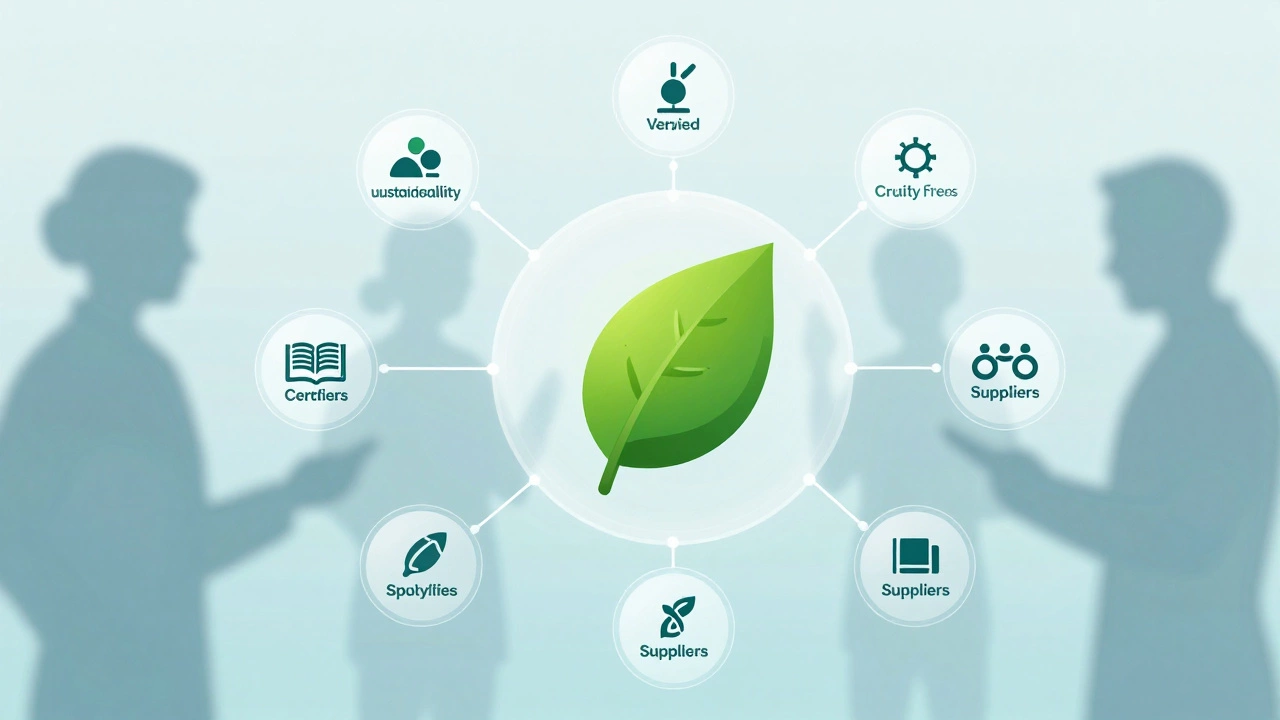
The China Conundrum: Why Location Matters
This is the most critical nuance in the 2026 beauty landscape. For decades, China mandated animal testing for all imported cosmetics. This forced many global brands to choose between selling in the world's second-largest economy and maintaining their cruelty-free status. Most chose the market, thereby losing their ethical standing.
However, regulations changed in May 2021. China now allows 'ordinary' cosmetics (like shampoos, moisturizers, and non-color cosmetics) to be sold without mandatory post-market animal testing if they meet specific safety assessment criteria. 'Special-use' cosmetics (like sunscreens and hair dyes) may still face stricter scrutiny. Despite this shift, some brands continue to sell in physical stores in mainland China, where random government tests can still trigger animal testing requirements.
To remain truly cruelty-free, a brand must either: 1. Not sell in mainland China at all. 2. Sell only online in China, avoiding physical store mandates. 3. Manufacture locally in China under new regulations that waive testing for domestic production.
Brands like Lush is a handmade cosmetics brand known for solid shampoo bars and bath bombs, which refuses to sell in countries requiring animal testing. famously refused to enter the Chinese market for years to protect their ethos. Now, they operate cautiously. Always check if a brand sells in physical stores in mainland China. If they do, they are not considered cruelty-free by strict standards.
Greenwashing: How to Spot Fake Claims
Not every bunny logo is created equal. Some brands use vague language like 'never tested on animals' while omitting crucial details. Here is how to spot the fakes:
- 'No Animal Testing' vs. 'Cruelty-Free': A brand might say they don't test finished products but allow third parties to test ingredients. True cruelty-free brands ban both.
- Parent Company Loopholes: A subsidiary might be cruelty-free, but if the parent company tests on animals (e.g., Estée Lauder, L’Oréal, Coty), your money still supports an unethical system. Purists avoid these subsidiaries entirely.
- Vegan vs. Cruelty-Free: These terms are not interchangeable. A product can be vegan (no animal ingredients) but tested on animals. Conversely, a product can be cruelty-free but contain beeswax or carmine. Look for both labels if you want total ethical alignment.
Skincare & Hair Care Crossovers
Your face care routine matters just as much as your makeup. Many makeup brands extend into skincare, and vice versa. Here are key players in adjacent categories that maintain strict ethical standards.
In skincare, The Ordinary is a clinical formulation brand owned by DECIEM, known for transparent pricing and single-ingredient serums, which is fully cruelty-free. They provide extensive educational content about their ingredients and refuse to test on animals. Similarly, Youth to the People is a superfood-based skincare brand that is Leaping Bunny certified and focuses on sustainability. Their cleansers and masks are staples in eco-conscious routines.
For hair care, Ouai is a luxury haircare brand founded by Jen Atkin, which is cruelty-free and uses high-quality botanicals. While pricier, their shampoos and treatments deliver salon results without animal testing. Budget-friendly options include Hask, which is a widely available haircare brand offering cruelty-free conditioners and oils at drugstore prices.
How to Verify a Brand Yourself
Don't just take my word for it. Empower yourself with tools to verify claims instantly. The beauty industry changes fast; a brand that is ethical today might change its policy tomorrow due to mergers or new market entries.
- Check Leaping Bunny’s Website: They maintain an up-to-date database of certified brands. This is the most reliable source.
- Use PETA’s Database: Search their 'Beauty Without Bunnies' list. Note that this is self-reported, so cross-reference with Leaping Bunny if possible.
- Read the Fine Print: Visit the brand’s official website. Look for a dedicated 'Ethics' or 'About Us' page. Vague statements like 'we care about animals' are red flags. Specific commitments to supply chain monitoring are green flags.
- Contact Customer Service: Ask directly: 'Do you test on animals? Do your suppliers? Do you sell in markets that require animal testing?' If they hesitate or give a non-answer, walk away.
The Future of Ethical Beauty
The trend toward cruelty-free beauty is accelerating. Consumers are more informed than ever, demanding transparency. By 2026, we are seeing a rise in 'clean' beauty certifications that combine cruelty-free status with environmental sustainability. Brands are increasingly adopting vegan formulations to appeal to this growing demographic.
As technology advances, alternative testing methods like organ-on-a-chip and computer modeling are replacing animal testing even in regulated markets. This technological shift will eventually make animal testing obsolete everywhere. Until then, your purchasing power drives change. Every dollar spent on a certified cruelty-free brand sends a message to the industry.
Choosing ethical makeup is not about perfection; it is about progress. Start with one swap. Replace your next mascara with a Leaping Bunny-certified option. Check your skincare routine for hidden animal testers. Small steps lead to significant impact. Remember, looking good should never come at the cost of another creature's suffering.
Is MAC Cosmetics cruelty-free?
No, MAC Cosmetics is not considered cruelty-free by strict standards. Although they state they do not test on animals unless required by law, they sell in mainland China where animal testing may be mandated for certain products. Additionally, they are owned by Estée Lauder Companies, which conducts animal testing where required by law.
What is the difference between vegan and cruelty-free?
Cruelty-free means the product and its ingredients were not tested on animals. Vegan means the product contains no animal-derived ingredients (like honey, beeswax, or carmine). A product can be cruelty-free but not vegan, or vegan but tested on animals. Look for both labels if you want to ensure neither harm nor exploitation occurred.
Can I trust the bunny logo on packaging?
Only if it is from a recognized certification body like Leaping Bunny or PETA. Many brands create their own generic bunny logos without any third-party verification. Always check the specific certification name or visit the certifying organization's website to confirm the brand's status.
Are drugstore makeup brands really cruelty-free?
Yes, several major drugstore brands are genuinely cruelty-free. Examples include e.l.f. Cosmetics, Milani, and Wet n Wild. However, you must verify each brand individually, as some large retailers carry both cruelty-free and non-cruelty-free lines under different brand names.
Why do some cruelty-free brands sell in China?
Strictly speaking, brands that sell in physical stores in mainland China cannot be considered cruelty-free due to potential post-market animal testing requirements. However, some brands sell exclusively online in China, which bypasses mandatory testing for ordinary cosmetics. Always check the brand's distribution channels in China to determine their true ethical standing.