
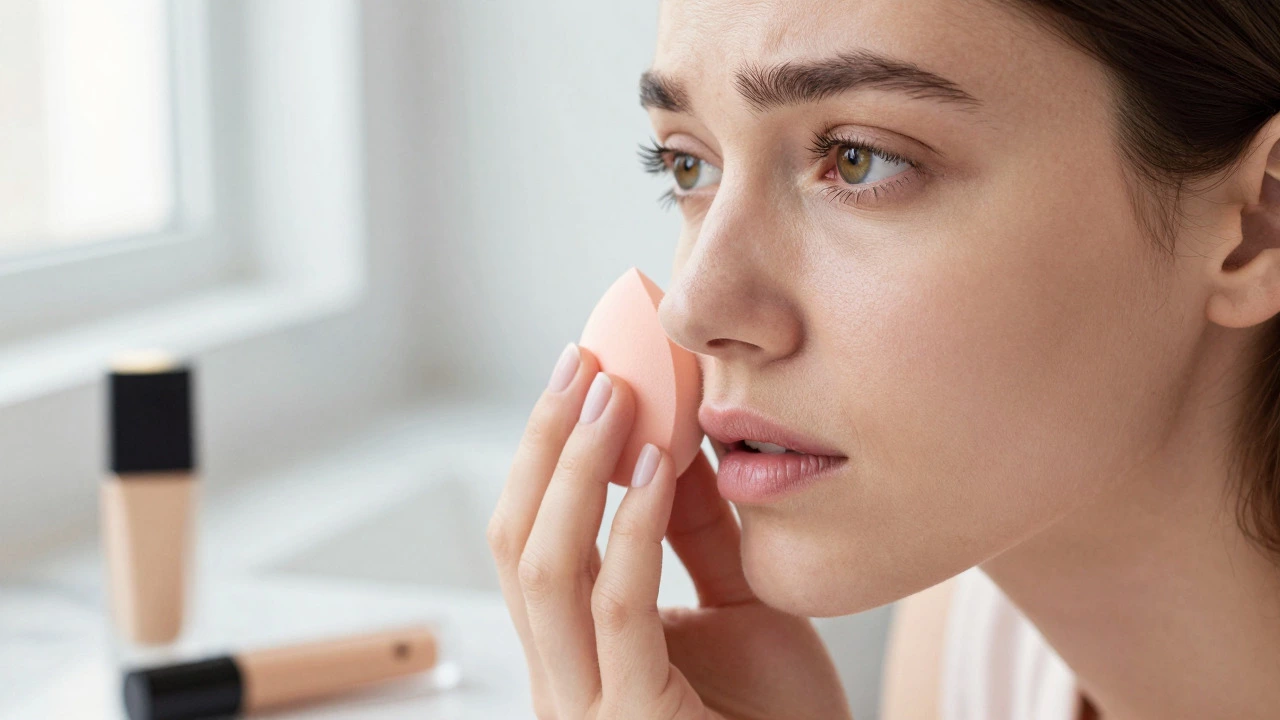
Makeup Routine Planner
Your Step-by-Step Guide
Why This Works
There is one question that causes more panic in the makeup aisle than any other: do you put concealer on top of foundation, or underneath it? If you have ever spent twenty minutes blending only to watch your under-eye brightener disappear into a cakey mess, you are not alone. The answer isn't just "yes" or "no." It depends entirely on what you are trying to hide and what kind of finish you want.
Most professional makeup artists agree on a general rule, but breaking that rule can sometimes save your look. Understanding the chemistry of these two products-how they interact with skin texture, oil production, and light reflection-is the key to making them work for you, not against you.
The Golden Rule: Why Foundation Usually Comes First
In the world of base makeup, there is a standard hierarchy designed to maximize coverage while minimizing product usage. For the vast majority of people, applying foundation first is the correct move. Here is why this method works so well.
Foundation acts as an even canvas. When you apply a full-coverage foundation all over your face, you neutralize redness, uneven tone, and minor blemishes across the entire surface area. If you were to apply concealer first, you would be covering spots individually. Then, when you sweep foundation over those spots, you risk dragging the thick, pigmented concealer around, effectively undoing your hard work. You end up using more product to get less coverage because the layers are fighting each other.
By laying down the foundation first, you assess exactly where extra coverage is still needed. Often, you will find that your foundation has done 80% of the heavy lifting. You only need a tiny dot of concealer on the remaining dark circles or stubborn acne scars. This approach keeps the makeup looking lightweight and natural rather than mask-like.
- Even out skin tone: Foundation creates a uniform base color.
- Reduce product waste: You use less concealer because the foundation handles the broad issues.
- Prevent patchiness: Blending foundation over pre-concealed areas can create visible patches or streaks.
The Exception: When Concealer Goes Under Foundation
Rules exist to be broken, especially in makeup. There are specific scenarios where applying color correcting concealer or high-coverage spot concealers before foundation yields better results. This technique is often called "strategic placement" or "pre-correction."
If you have severe hyperpigmentation, deep purple under-eye circles, or active, inflamed acne, a standard skin-toned foundation might not be opaque enough to cover them without looking gray or ashy. In these cases, you apply a targeted color corrector (like peach for blue tones or green for redness) or a high-pigment concealer directly onto the problem area. You then gently pat it in.
Once that intense pigment is set, you apply your foundation over the top. Because the foundation is usually sheerer or medium-coverage, it blends seamlessly with the corrected area, locking the color correction in place while evening out the surrounding skin. This is particularly useful for people with very fair or very deep skin tones who struggle to find a foundation that matches their unique undertones perfectly.
Another scenario is if you are using a very sheer, tinted moisturizer as your base. Since tinted moisturizers offer minimal coverage, layering a thicker concealer on top can sometimes result in a stark contrast between the treated area and the rest of the face. Applying the concealer first allows the tinted moisturizer to act as a unifying veil, softening the edges of the concealer so it looks like part of your skin rather than a sticker placed on top.
Texture Matters: Liquid vs. Cream vs. Stick
The formula of your products plays a huge role in how they interact. Mixing incompatible textures is the fastest way to ruin your makeup. Let's look at how different formats behave when layered.
| Base Layer | Top Layer | Result |
|---|---|---|
| Liquid Foundation | Cream Concealer | Ideal. The cream sits smoothly on the liquid base without slipping. |
| Cream Foundation | Liquid Concealer | Risky. The liquid can break down the cream, causing patchiness. |
| Stick Foundation | Stick Concealer | Good. Both melt into the skin together for a seamless blend. |
| Matte Powder Base | Any Liquid/Cream | Avoid. Liquids will pill and ball up on dry powder surfaces. |
If you are using a matte, long-wear foundation, you generally want to apply your concealer immediately after, before the foundation oxidizes and sets completely. However, if your foundation is dewy or hydrating, ensure it is fully blended and slightly tacky before adding concealer. This helps the concealer adhere to the skin rather than sliding off.
For those with oily skin, the "baking" technique often involves applying a thick layer of concealer under the eyes, setting it with translucent powder, and then dusting off the excess. In this case, the concealer is technically going on top of the foundation, but the powder acts as a barrier that prevents creasing throughout the day.
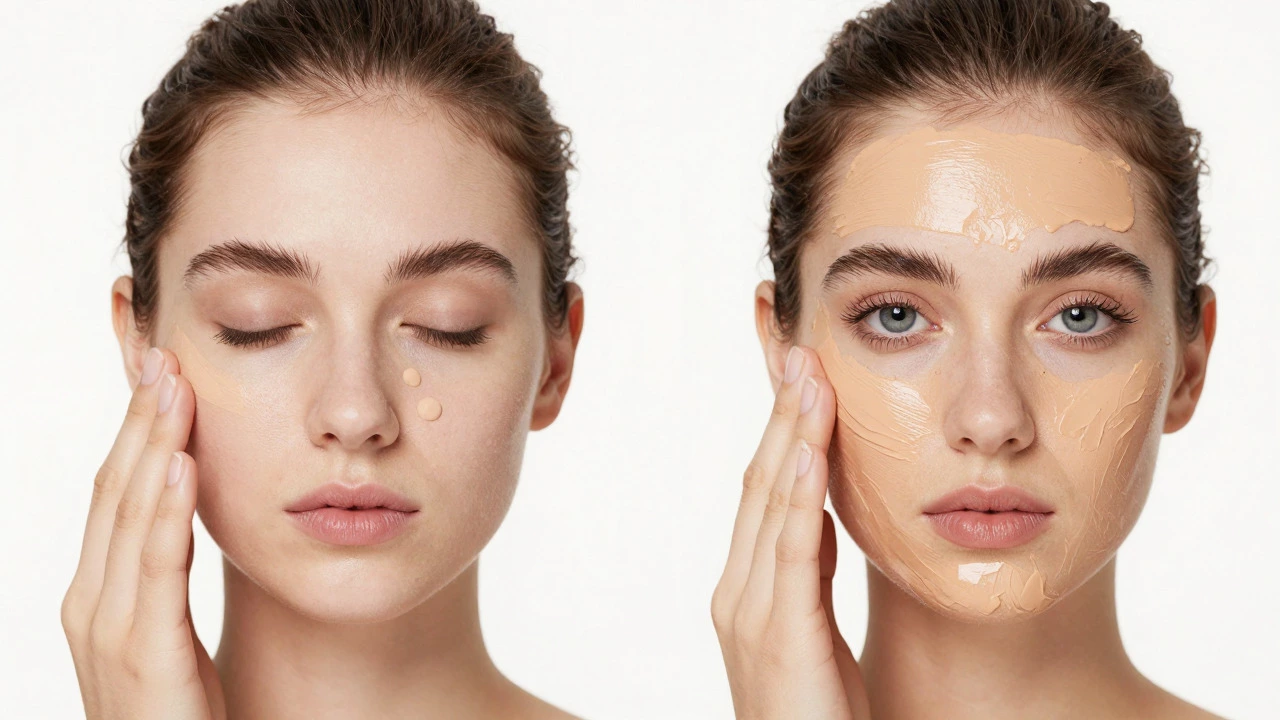
Step-by-Step: The Perfect Application Routine
To help you decide which method suits your needs, here is a streamlined routine that balances coverage with longevity. This approach assumes you are following the standard "foundation first" rule, which works for 90% of users.
- Prep the Skin: Start with a clean, moisturized face. Apply sunscreen as the last step of skincare. Wait 60 seconds for it to absorb. If your skin is too slick, makeup will slide around; if it's too dry, makeup will cling to flakes.
- Prime Strategically: Use a hydrating primer in dry areas (cheeks) and a pore-filling or mattifying primer in oily zones (T-zone). This creates a smooth surface for the foundation to grip.
- Apply Foundation: Use a damp beauty sponge or a dense brush to apply your foundation. Start from the center of your face and blend outward. Don't forget to blend down your neck to avoid a line of demarcation.
- Assess Coverage: Step back from the mirror. Do you still see dark circles? Is that blemish on your chin still visible? Only address these specific areas now.
- Apply Concealer: Dot your concealer on the high points of your face (under the eye triangle, bridge of the nose, chin). Use a small, precise brush or your ring finger to pat it in. Avoid dragging, which removes the product.
- Set with Powder: Lightly dust translucent setting powder over areas where you applied concealer. This locks the product in place and prevents it from settling into fine lines.
Common Mistakes That Ruin Your Base
Even if you get the order right, application errors can make your makeup look unnatural. Here are the most frequent pitfalls I see clients make.
Using Too Much Product: One common mistake is piling on concealer to cover dark circles. More product does not mean better coverage; it means more creasing. Instead, use a higher-coverage formula and apply a thin layer. Build up only if necessary.
Wrong Shade Selection: Many people choose a concealer that is three shades lighter than their foundation to "brighten." While a half-shade to one shade lighter is fine for highlighting, going too light can create a gray cast on deeper skin tones or look ashen on fair skin. Match your concealer to your foundation for blemishes, and go slightly lighter only for under-eye brightening.
Skipping Setting Powder: If you have oily skin or large pores, skipping the setting powder step will cause your concealer to migrate into your laugh lines within hours. A light dusting of silica-based or talc-free powder absorbs excess oil and extends wear time significantly.
Ignoring Skincare: Makeup is only as good as the skin beneath it. If your under-eyes are dehydrated, no amount of concealer will hide the fine lines. Incorporate a caffeine-infused eye serum or a rich eye cream into your morning routine. Allow it to fully absorb before starting makeup.
FAQ: Answering Your Most Pressing Questions
Should I apply concealer before or after foundation for under-eye circles?
For most people, applying concealer after foundation is best. Foundation evens out the overall skin tone, reducing the intensity of dark circles. This means you need less concealer, which prevents creasing and cakiness. However, if your circles are extremely dark or blue-toned, you might apply a peach color corrector first, then foundation, then a skin-toned concealer on top.
Can I mix concealer with my foundation?
Yes, you can mix a drop of concealer into your foundation to increase its coverage. This is a great hack if you have a sheer foundation but need more opacity for special occasions. Just mix them on the back of your hand or a palette, not directly in the bottle, to avoid altering the formula's stability.
Why does my concealer always crease under my eyes?
Creasing happens when too much product is applied to a mobile area of the skin. To fix this, exfoliate your under-eye area gently once a week to remove dead skin cells. Use a hydrating eye cream, let it absorb, and then apply a thin layer of concealer. Set it immediately with a small amount of translucent powder. Also, check if your concealer is expired, as old formulas lose their binding agents.
What is the difference between concealer and foundation?
Foundation is designed to even out the overall complexion and provide a uniform base. It typically has lower coverage and is applied all over the face. Concealer is more pigmented and thicker, designed to target specific imperfections like dark circles, blemishes, or redness. Think of foundation as the wall paint and concealer as the touch-up paint for scratches.
Do I need concealer if I wear full-coverage foundation?
Not necessarily. Full-coverage foundations are formulated to hide significant imperfections. If your foundation covers your dark circles and blemishes adequately, skip the concealer. Adding more product can make your makeup look heavy and mask-like. Reserve concealer for days when you need extra brightness or targeted spot correction.
How do I stop my concealer from oxidizing (turning orange)?
Oxidation occurs when makeup reacts with oxygen and skin oils. To prevent this, ensure your skincare is fully absorbed before applying makeup. Choose a concealer that matches your skin tone in natural light, not artificial store lighting. If your concealer still turns orange, try selecting a shade slightly lighter or cooler-toned than your usual match, or set it with powder immediately after application.
Is it okay to apply concealer before foundation for acne scars?
It can be, but it requires a delicate touch. If you apply a thick concealer to acne scars before foundation, the foundation may drag the product away, leaving the scar visible again. A better approach is to apply foundation first, then use a precise brush to dab a small amount of concealer directly onto the scar, letting it sit for a few seconds before lightly pressing it in with a fingertip. This "pressing" motion ensures adhesion without spreading.
What tools are best for applying concealer?
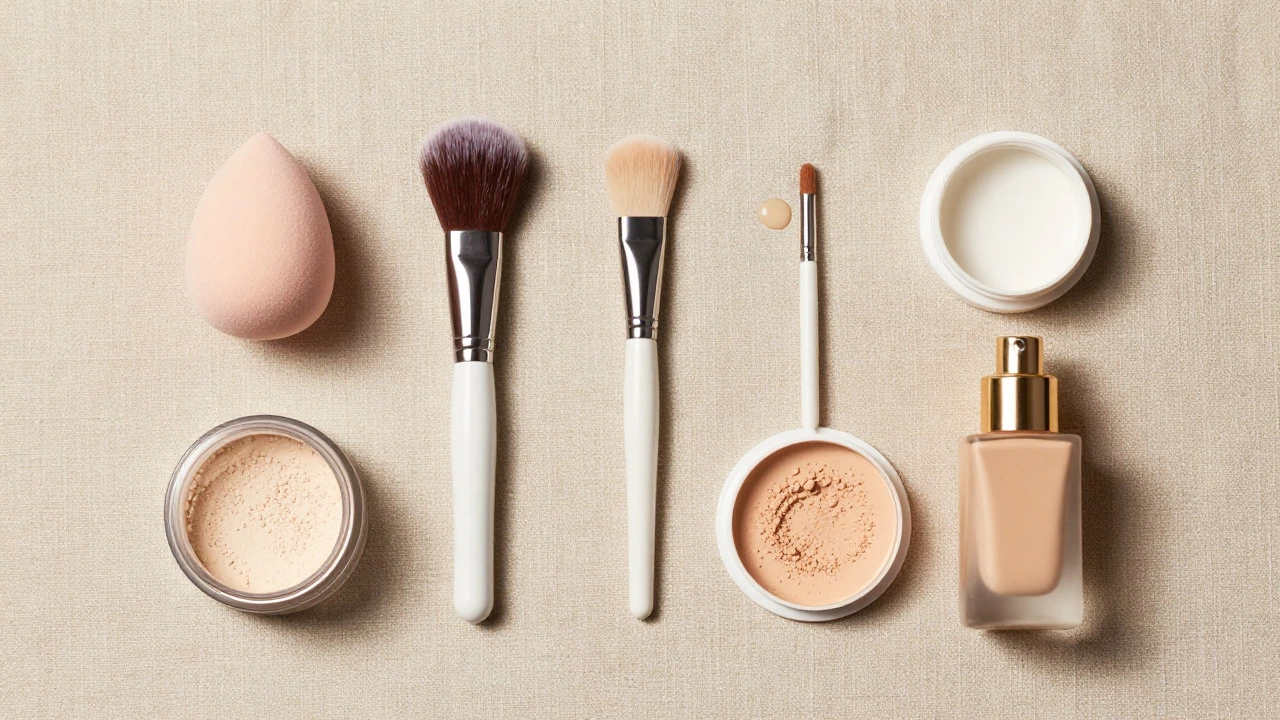
For under-eyes, a damp beauty sponge is excellent because it sheers out the product and presses it into the skin without tugging. For blemishes and precise spot concealing, a small, flat synthetic brush offers the most control and density. Fingers can also work well for warming up the product and blending edges, but ensure your hands are clean to avoid introducing bacteria to your skin.
Final Thoughts: Trust Your Eyes, Not Just the Rules
Ultimately, makeup is personal. The "right" way is the way that makes you feel confident and comfortable. If you have tried the standard foundation-first method and still feel like your coverage is lacking, experiment with layering techniques. Try applying a thin layer of concealer, then foundation, then another tiny dot of concealer on the darkest spots. This "sandwich" method can provide incredible coverage without looking heavy.
Pay attention to how your skin behaves throughout the day. Does the makeup slide off by noon? You might need a better primer or a different setting powder. Does it look cakey in the afternoon? You might be using too many layers. Adjust your routine based on your skin's feedback, not just internet trends. With practice, you will develop an intuitive sense of how much product your skin needs and where it goes.