
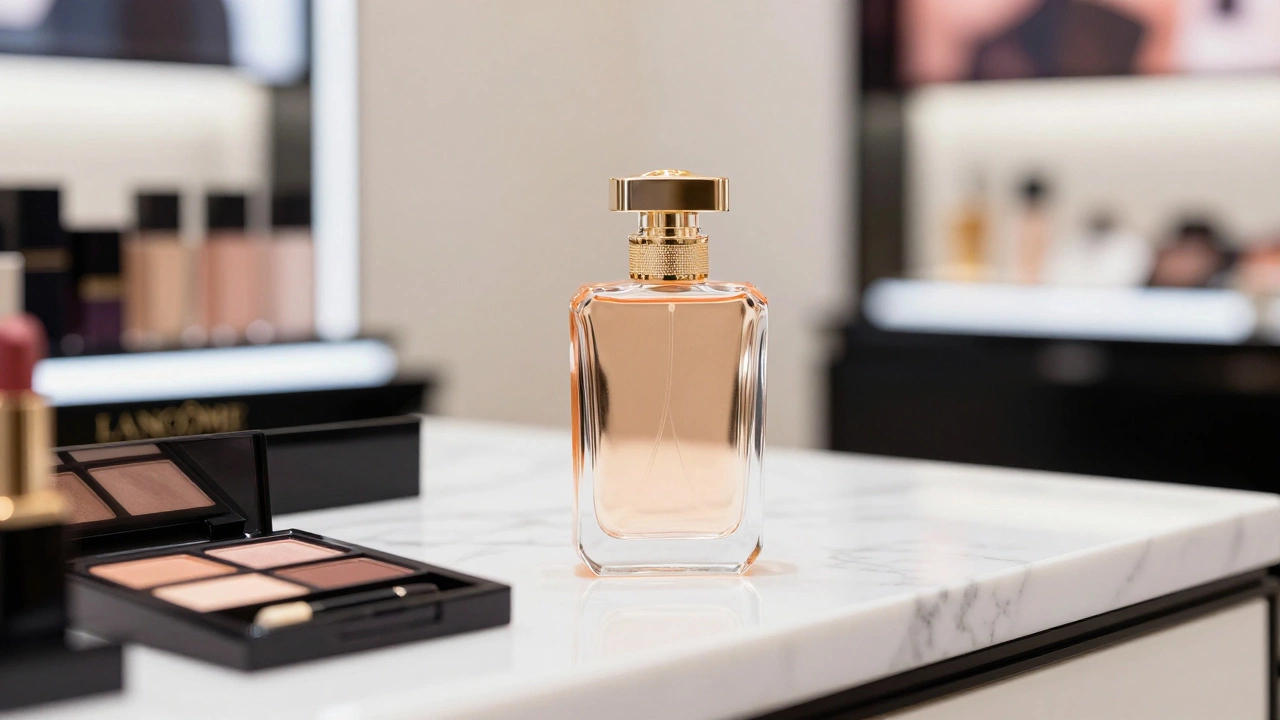
Cruelty-Free Status Checker
Brand Criteria
Enter the details for the brand you want to check (e.g., Lancôme) or use the defaults.
Ready to Check
Adjust the criteria above and click the button to see if the brand meets strict ethical standards.
Detailed Breakdown
Selling in physical stores subjects products to mandatory or random post-market animal testing.
If the parent company tests on animals, the subsidiary usually follows suit unless explicitly separated.
Self-declared claims are not enough. Look for Leaping Bunny or PETA logos.
True cruelty-free brands do not test at any stage of product development.
It’s a question that keeps many of us up at night: Does Lancôme still test on animals? If you’re scrolling through their gorgeous website or standing in front of their counter in your local department store, the answer might not be immediately obvious. They claim to be "cruelty-free" in many markets, yet they sell in China. So, what’s the real deal? As of May 2026, the short answer is no-they are not considered cruelty-free by strict ethical standards. But the long answer involves some messy gray areas regarding global regulations and corporate policies that every conscious consumer needs to understand.
The Core Issue: Selling in Mainland China
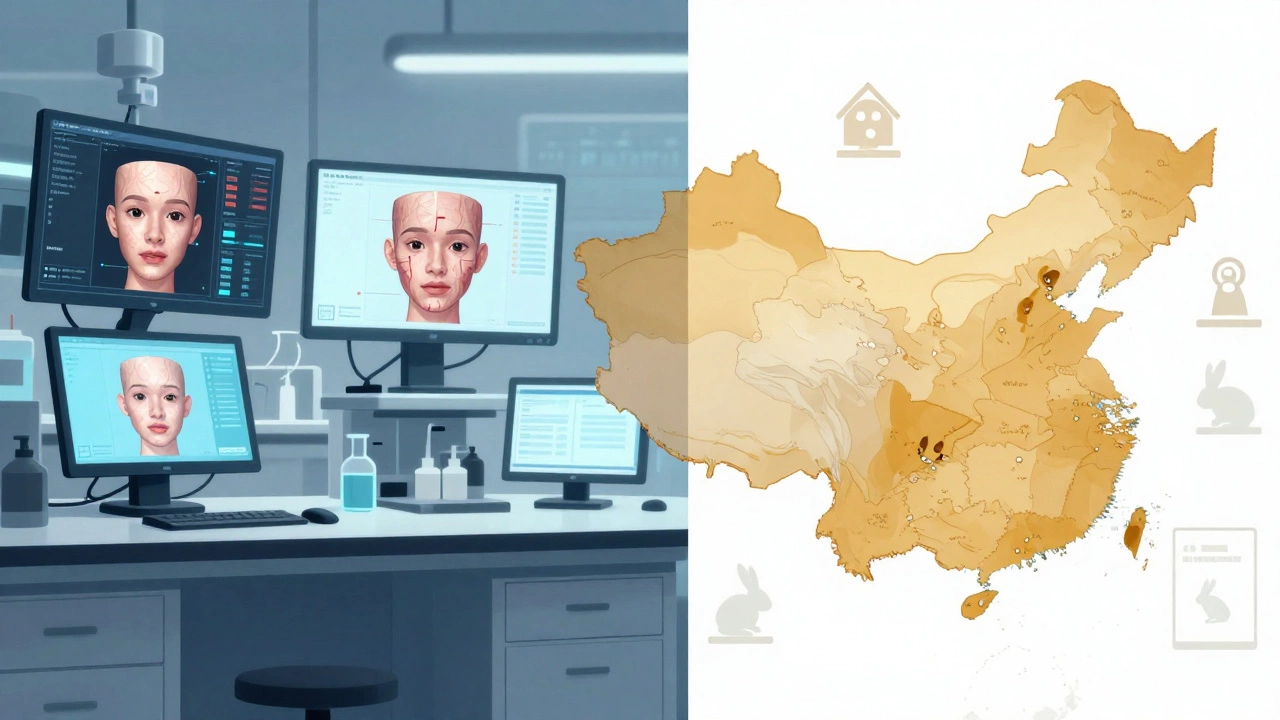
To understand why Lancôme is a luxury cosmetics brand owned by L'Oréal that is not classified as cruelty-free due to sales in mainland China isn't cruelty-free, we have to look at where they sell their products. Lancôme sells its products in physical stores in mainland China. For years, Chinese law required imported cosmetics to undergo mandatory animal testing before they could hit the shelves. This meant that even if a brand didn't test on animals anywhere else in the world, they had to pay for third-party tests on rabbits and mice just to enter the Chinese market.
In 2021, China updated its regulations. They removed the mandatory animal testing requirement for "ordinary" cosmetics (like makeup, shampoos, and lotions) manufactured domestically or imported, provided they meet certain safety criteria. However, "special use" cosmetics-such as anti-aging creams, sunscreens, and whitening products-still often require animal testing. More importantly, post-market surveillance can trigger random animal tests on any product sold in the country. Because Lancôme chooses to maintain a significant physical retail presence in mainland China, they remain subject to these potential tests. Therefore, they cannot claim to be fully cruelty-free.
What Does "Cruelty-Free" Actually Mean?
There is a massive difference between a brand saying they don't test on animals themselves and being certified cruelty-free. Many people get confused here. A brand can say "we do not conduct animal testing" while still allowing others to test on their behalf when required by law. That’s exactly what happens with Lancôme and other major conglomerates.
True cruelty-free status means:
- The brand does not test on animals at any stage of product development.
- The brand does not allow third parties to test on their behalf.
- The brand does not sell in countries where animal testing is legally required for cosmetics.
- The brand holds a certification from an independent organization like Leaping Bunny is the gold standard certification program for cruelty-free cosmetics verified by Cruelty Free International or PETA is People for the Ethical Treatment of Animals, an organization that certifies cruelty-free brands.
Lancôme does not hold either of these certifications. In fact, because they are part of the L'Oréal Group is one of the world's largest cosmetics companies which owns multiple brands including both cruelty-free and non-cruelty-free lines, they operate under a corporate umbrella that engages in animal testing where required by law. L'Oréal has invested heavily in alternative testing methods, which is great for science, but it doesn’t change the fact that they comply with laws that mandate animal testing in specific regions.
Lancôme’s Official Stance vs. Reality
If you visit Lancôme’s website, you’ll see statements like "We do not test our products on animals." This is technically true in most parts of the world. They use modern, non-animal testing methods for safety assessments in Europe, the US, and other regions where animal testing is banned. They point to their investment in reconstructed skin models and computer simulations as proof of their commitment to ethics.
However, this statement lacks the crucial caveat: "except where required by law." By omitting that exception in their marketing, they create a misleading impression. When you buy a bottle of Lancôme foundation, you are supporting a company that prioritizes access to the lucrative Chinese market over a strict no-animal-testing policy. For consumers who define cruelty-free as "zero animal involvement anywhere," Lancôme fails that test.
Why Don’t They Just Stop Selling in China?
You might wonder, why doesn’t Lancôme just pull out of mainland China? It’s simple: money. The Chinese beauty market is huge and growing rapidly. For a luxury brand like Lancôme, abandoning that revenue stream would be financially devastating. Instead, they walk a tightrope. They sell online via cross-border e-commerce platforms (which sometimes bypass certain testing requirements) but also maintain brick-and-mortar stores. The latter subjects them to stricter regulatory oversight, including the possibility of post-market animal testing.
This strategy allows them to capture the high-end market in Asia while maintaining their image as a progressive, eco-conscious brand in the West. It’s a compromise that satisfies shareholders but disappoints ethical shoppers.
| Feature | Lancôme | Certified Cruelty-Free (e.g., Fenty Beauty) |
|---|---|---|
| Tests on Animals? | No (except where required by law) | No |
| Sells in Mainland China? | Yes (physical stores) | No |
| Leaping Bunny Certified? | No | Yes |
| Parent Company Policy | L'Oréal (tests where required) | Independent or committed cruelty-free parent |
| Price Point | Luxury ($30-$100+) | Varies (Mid-range to Luxury) |
Alternatives That Are Truly Cruelty-Free
If you love Lancôme’s aesthetic but want to align your purchases with your values, there are plenty of alternatives. Many brands offer similar quality and prestige without the ethical compromise. Here are a few top picks available in 2026:
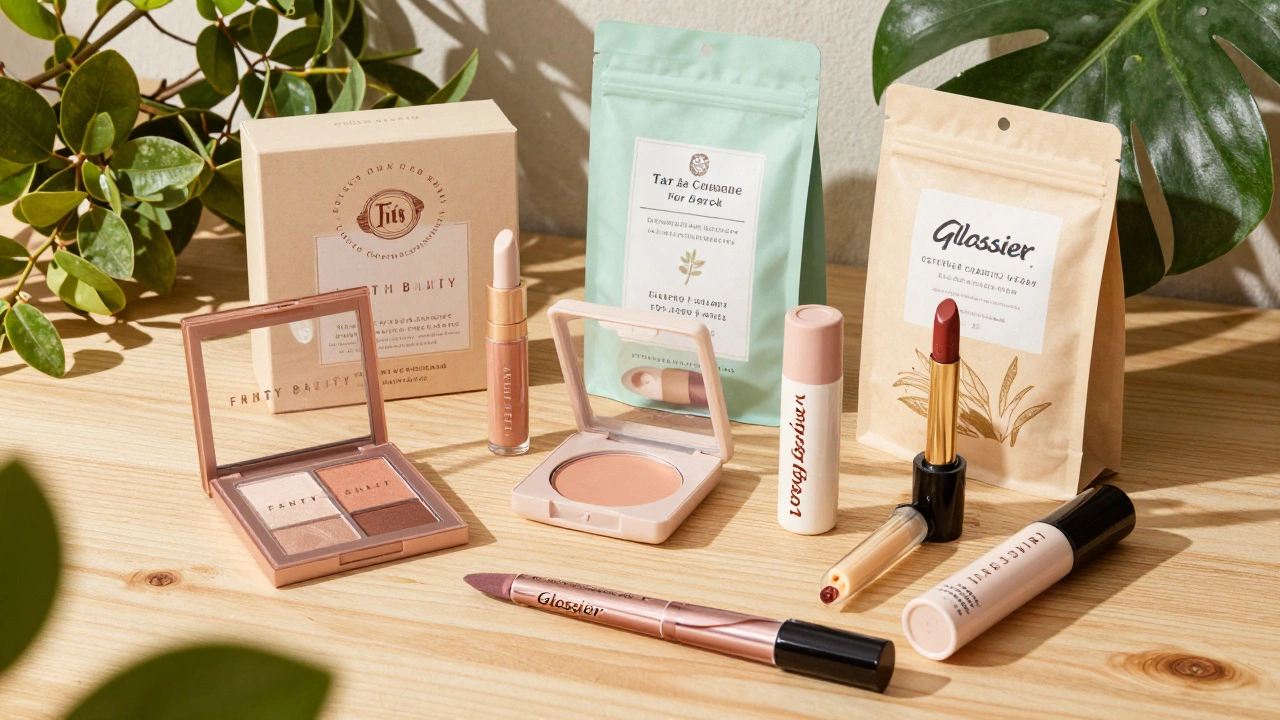
- Fenty Beauty is a Rihanna-founded makeup brand that is Leaping Bunny certified and does not sell in mainland China: Known for inclusive shade ranges and luxurious packaging.
- Tarte Cosmetics is a cruelty-free and vegan-friendly brand that focuses on natural ingredients: Offers a wide range of skincare-infused makeup.
- Milk Makeup is a clean beauty brand that is Leaping Bunny certified and offers minimalist, effective products: Great for everyday wear with a focus on transparency.
- Glossier is a direct-to-consumer beauty brand that is cruelty-free and focuses on skin-first makeup: Popular for its cult-favorite primers and lip balms.
These brands have made a conscious decision to exclude themselves from markets that require animal testing. They prove that you don’t need to sacrifice quality or style to stay ethical.
How to Spot Greenwashing in Beauty
Greenwashing is when companies spend more time marketing themselves as ethical than actually being ethical. Lancôme is a classic example. They use words like "clean," "natural," and "cruelty-free" loosely. To avoid being misled, check for these red flags:
- Vague Language: If a brand says "we don't test on animals" but doesn't mention certifications or legal exceptions, be skeptical.
- Sales in China: Check if the brand sells in physical stores in mainland China. If yes, they are likely not cruelty-free.
- Parent Company Ownership: Look up who owns the brand. If the parent company tests on animals, the subsidiary usually follows suit unless explicitly separated (which is rare).
- Lack of Certification: Trust logos from Leaping Bunny or PETA over self-declared claims.
By doing a quick search on Cruelty Free Kitty is a popular online resource and blog that maintains an up-to-date list of cruelty-free brands or the Leaping Bunny website, you can verify a brand’s status in seconds.
The Future of Animal Testing in Cosmetics
While the situation is frustrating now, things are slowly changing. China continues to relax its rules. In 2025, further exemptions were introduced for certain categories of imported cosmetics. However, full abolition of animal testing in China is still years away. Until then, brands like Lancôme will continue to navigate this complex landscape.
Meanwhile, technology is advancing. Reconstructed human skin models, organ-on-a-chip systems, and AI-driven toxicity predictions are becoming more accurate and accepted by regulators worldwide. These innovations reduce the need for animal testing globally, but they haven’t eliminated it entirely yet.
As consumers, our power lies in our wallets. Every time you choose a certified cruelty-free brand over a conventional one, you send a message. You demand better practices. You support innovation. And you ensure that animals aren’t used as tools for our beauty routines.
Is Lancôme cruelty-free in 2026?
No, Lancôme is not considered cruelty-free in 2026. While they do not conduct animal testing themselves in most markets, they sell their products in mainland China where animal testing may be required by law for certain cosmetics. They do not hold certifications from Leaping Bunny or PETA.
Does Lancôme test on animals in China?
Lancôme does not directly test on animals, but they sell in physical stores in mainland China. Under current Chinese regulations, imported cosmetics sold in physical stores may be subject to mandatory or post-market animal testing by authorities. This makes Lancôme non-compliant with strict cruelty-free standards.
Is L'Oréal cruelty-free?
No, L'Oréal is not cruelty-free. As a parent company to many brands including Lancôme, L'Oréal complies with laws requiring animal testing in certain countries. They invest in alternative testing methods but still engage in animal testing where legally mandated.
What brands are similar to Lancôme but cruelty-free?
If you're looking for luxury, high-quality makeup that is certified cruelty-free, consider brands like Fenty Beauty, Tarte Cosmetics, Milk Makeup, and Glossier. These brands do not sell in markets that require animal testing and hold certifications from organizations like Leaping Bunny.
Can I trust Lancôme's "cruelty-free" claims?
You should be cautious. Lancôme uses the term "cruelty-free" in marketing materials, but this is misleading. They do not test on animals directly in most regions, but they allow testing where required by law. True cruelty-free brands avoid all animal testing, including third-party testing mandated by governments.