

Hair Washing Frequency Calculator
Find your perfect wash schedule by answering these questions about your hair and habits.
...
Custom Tips For You:
You wake up, look in the mirror, and wonder: do I really need to wash my hair again? It’s a question that plagues millions of people, from those with fine, flat strands to those with thick, curly locks. The truth is, there is no single magic number. Hair washing frequency is a personal hygiene practice determined by individual factors such as scalp oil production, hair texture, and lifestyle habits rather than a universal daily rule. If you’re scrubbing your scalp every morning, you might be stripping away essential oils. If you’re only washing once a month, you might be letting buildup clog your follicles. Finding the sweet spot isn’t about following a trend; it’s about understanding your own biology.
The Science Behind Your Scalp’s Oil Factory
To understand when to wash, you first need to know what you’re washing off. Your scalp contains tiny glands called sebaceous glands. These are attached to each hair follicle and produce an oily substance known as sebum. Think of sebum as nature’s conditioner. It travels down the hair shaft, coating it to keep moisture in and protect against environmental damage. When these glands work overtime, your hair looks greasy. When they underperform, your hair feels brittle and straw-like. The rate at which you produce sebum is largely genetic, but hormones play a huge role too. This is why teenagers often struggle with oily hair-their hormonal shifts kick the glands into high gear. Conversely, as we age, oil production tends to slow down, which is why older adults often find their hair drier. Understanding this biological clock helps you stop guessing and start planning. If your scalp feels tight or itchy shortly after washing, you’re likely over-washing. If your roots look flat and feel heavy within hours, you’re probably under-washing for your specific biology.
Determining Frequency Based on Hair Texture
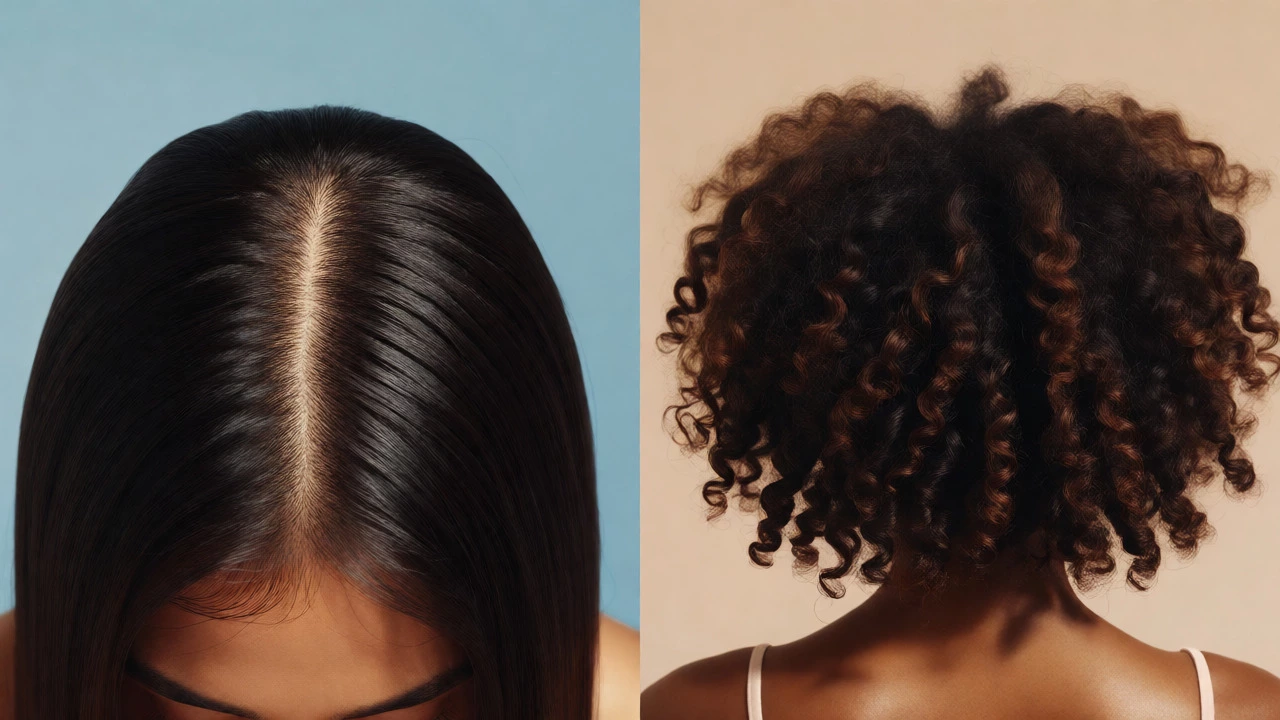
Your hair type is the biggest factor in how often you should hit the shower. Sebum moves differently depending on the shape and thickness of your hair strand. Straight hair allows oil to travel from the root to the tip quickly, making it look greasy faster. Curly or coily hair has bends and twists that act like speed bumps, trapping oil near the scalp and leaving the ends dry. If you have straight, fine hair, you might need to wash every day or every other day. The oil reaches the ends quickly, weighing the hair down. For wavy hair, washing two to three times a week is usually sufficient. Thick, coarse, or curly hair types can often go longer between washes-perhaps once a week or even less. The natural oils take longer to distribute, so washing too frequently strips the length before the scalp has had a chance to condition it naturally. Afro-textured hair, which is often fragile and prone to breakage, typically benefits from washing only once every one to two weeks to maintain moisture integrity.
| Hair Type | Oil Distribution Speed | Recommended Frequency | Key Concern |
|---|---|---|---|
| Straight & Fine | Fast | Daily to Every Other Day | Grease at roots, lack of volume |
| Wavy | Moderate | 2-3 Times per Week | Frizz vs. Greasiness balance |
| Curly | Slow | Once per Week | Dry ends, defined curls |
| Coily / Afro | Very Slow | 1-2 Times per Month | Moisture retention, breakage |
Lifestyle Factors That Change the Rules
Your hair doesn’t exist in a vacuum. What you do during the day impacts how clean it gets. If you spend your days sitting in an air-conditioned office, your scalp produces less sweat and collects less particulate matter than someone working outdoors or hitting the gym five days a week. Sweat itself isn’t terribly dirty, but it mixes with sebum and dead skin cells, creating a breeding ground for bacteria and yeast. This mixture can lead to odor and irritation if left unwashed for too long. Exercise is a major variable here. Many people think they must shampoo after every workout. That’s not always true. Water rinsing or using a lightweight conditioner (co-washing) can remove sweat without stripping the scalp’s natural oils. However, if you use heavy styling products like gels, pomades, or hairsprays, you’ll need to wash more often to prevent product buildup. This buildup blocks follicles and can mimic the feeling of dirty hair, even if the scalp itself isn’t overly oily. Living in a polluted city or a dusty environment also means your hair traps external grime, requiring more frequent cleansing than someone living in a rural, clean-air area.
The Dangers of Over-Washing and Under-Washing
It’s tempting to think that cleaner is always better, but your scalp operates on a feedback loop. When you strip all the oil away with harsh shampoos daily, your scalp may panic and produce *more* oil to compensate. This creates a vicious cycle where you feel you must wash daily because your hair gets oily quickly, but the washing is actually causing the oiliness. Signs of over-washing include frizzy hair, static electricity, itchiness, and redness on the scalp. If your hair feels like straw or tangles easily despite using conditioner, you’ve likely gone too far.
On the flip side, under-washing leads to its own set of problems. Buildup of sebum, dead skin, and pollution can clog hair follicles, potentially leading to folliculitis or even temporary hair thinning. Dandruff thrives in environments with excess oil and yeast (Malassezia). While dandruff isn’t caused by poor hygiene alone, infrequent washing can exacerbate symptoms. An itchy, flaky scalp that doesn’t improve with anti-dandruff shampoo might actually be a sign of dryness from over-washing, or it could be genuine seborrheic dermatitis from under-washing. Observing your scalp’s reaction to changes in routine is crucial. If you switch to washing less often and notice increased itching or visible flakes, your scalp might need more frequent cleansing, or you might need a gentler shampoo.
Building a Custom Routine
So, how do you find your perfect schedule? Start by observing your hair’s natural state. Skip washing for a few days and note when your roots look visibly oily or feel uncomfortable. This gives you a baseline. From there, adjust based on the factors we discussed. If you have fine hair but exercise heavily, you might need to wash daily but use a very mild, sulfate-free shampoo to minimize stripping. If you have curly hair and live in a humid climate, you might find that weekly washing leaves you feeling sweaty and weighed down, prompting you to try twice-weekly washes with a focus on scalp cleansing rather than scrubbing the lengths.
Consider incorporating "no-poo" days or co-washing. Co-washing involves using conditioner instead of shampoo to cleanse the hair. It removes surface dirt and sweat while retaining moisture. This is excellent for maintaining intervals between full shampoo sessions. Also, pay attention to water temperature. Hot water can stimulate oil production and dry out the scalp, while lukewarm water is generally more effective for cleaning without irritation. Always focus your shampoo application on the scalp, not the ends. Let the suds run through the lengths as you rinse; this cleans the hair without drying it out.Choosing the Right Products
The tools you use matter as much as the frequency. Shampoos labeled "clarifying" are strong detergents meant for occasional use to remove heavy buildup. Using them daily will destroy your hair’s lipid barrier. For daily or frequent washers, look for gentle, moisturizing formulas with ingredients like glycerin, panthenol, or natural oils. If you have a sensitive scalp, avoid fragrances and sulfates, which are common irritants. Conditioner is non-negotiable for most hair types, especially if you wash frequently. Apply it from the mid-lengths to the ends, avoiding the scalp unless you have extremely dry skin. Leave-in conditioners or light hair oils can help manage dryness between washes. If you find your hair getting oily quickly, try a dry shampoo. It absorbs excess sebum at the roots, extending the time between washes. But remember, dry shampoo is a cosmetic fix, not a cleansing agent. It sits on the scalp and can build up if not washed out regularly, so don’t rely on it indefinitely.
Does washing hair every day cause hair loss?
No, washing your hair does not cause permanent hair loss. You may see more hair in the drain simply because you are dislodging hairs that were already ready to fall out (shedding phase). However, aggressive scrubbing or using harsh chemicals can cause breakage, which might look like hair loss. Gentle washing prevents this mechanical damage.
Can training my scalp to produce less oil work?
There is anecdotal evidence supporting the idea that reducing wash frequency can normalize oil production over time. By stopping the constant removal of sebum, the scalp may reduce its overproduction response. However, this process can take several weeks and varies by individual. During the transition period, hair may look and feel oilier than usual.
Is it okay to wash hair with just water?
Yes, this method is known as the "water-only" method. It works best for people with low sebum production or very curly hair. Water can remove sweat and some dust, but it cannot dissolve sebum effectively. For many, water-only washing leaves hair feeling waxy or greasy because the natural oils remain untouched. It requires experimentation to see if it suits your specific hair chemistry.
How does humidity affect washing frequency?
High humidity causes hair to absorb moisture from the air, leading to frizz. People with frizz-prone hair might wash more often to reset their style, but this can worsen dryness. In humid climates, focusing on anti-humidity serums and lighter conditioning routines can help extend the time between washes without sacrificing style.
Should I wash my hair before bed or in the morning?
This depends on your scalp type. If you have an oily scalp, washing at night removes the day's accumulated oils and pollutants, preventing them from transferring to your pillowcase and causing acne. If you have dry or curly hair, washing in the morning might allow the natural oils produced overnight to provide extra conditioning throughout the day. There is no medical rule; choose what fits your schedule and hair needs.