
Professional Skincare Routine Builder
What is your primary skin type?
Select the description that best matches your skin's natural state before washing.
Shiny appearance, enlarged pores, prone to blackheads and acne.
Tight feeling, flaky patches, dull complexion, fine lines more visible.
Oily in T-zone (forehead, nose, chin) but dry or normal on cheeks.
Comfortable, no tightness or oiliness, even texture and tone.
Prone to redness, irritation, stinging, or reactions to products.
What are your top skin concerns?
Select up to two main issues you want to address.
Loss of firmness, crow's feet, forehead lines.
Pimples, blackheads, clogged pores, inflammation.
Age spots, sun damage, uneven skin tone.
Lack of radiance, rough texture, lack of plumpness.
Rosacea, general redness, sensitivity to environment.
Your Professional-Grade Routine
Based on your skin type () and concerns (), here is a recommended regimen aligned with professional standards like Dermalogica.
1. Cleanse
Remove overnight impurities without stripping natural oils.2. Treat
Targeted active ingredient application.3. Protect
Hydrate and shield from UV damage (SPF 30+).1. Double Cleanse
Thoroughly remove makeup, sunscreen, and pollutants.2. Treat
Repair and regenerate skin overnight.3. Nourish
Deep hydration and barrier support.You’ve probably seen the term "medical grade" slapped on countless skincare bottles in high-end spas and boutique stores. It sounds authoritative, clinical, and superior. But when you look at Dermalogica, a brand frequently cited by estheticians and dermatologists alike, does it actually hold up to that label? The short answer is complicated because "medical grade" isn't a regulated term.
To understand where Dermalogica fits, we need to strip away the marketing jargon. We have to look at ingredient concentrations, clinical testing standards, and how these products perform under professional supervision. This isn't just about slapping a fancy label on a jar of cream; it's about whether the science backs the results you’re paying for.
The Myth of "Medical Grade" Regulation
Here is the biggest secret in the beauty industry: there is no legal definition for "medical grade skincare." The Food and Drug Administration (FDA) does not recognize this term. Unlike pharmaceutical drugs, which must undergo rigorous trials to prove efficacy and safety before hitting the market, cosmetics-including those labeled as medical grade-are largely self-regulated.
This means any company can call their product medical grade if they want to. However, within the professional community, the term has come to signify a specific standard. It implies that the products contain higher concentrations of active ingredients, are backed by peer-reviewed research, and are often formulated without common irritants like fragrances or dyes. When professionals use the term, they are usually referring to products that deliver clinical-level results comparable to minor cosmetic procedures.
Dermalogica operates in this space, but they prefer the term "professional-grade." Why the distinction? Because they focus on the expertise required to use them effectively rather than claiming a regulatory status that doesn’t exist. This shift in language reflects a deeper commitment to education and proper application over empty buzzwords.
Dermalogica’s Approach to Formulation
Dermalogica was founded in 1986 by Dr. Dray, an aesthetician who believed that skincare should be effective, safe, and tailored to individual needs. Unlike mass-market brands that prioritize shelf appeal and low costs, Dermalogica formulates with the assumption that a trained professional will guide the user.
Their formulations rely on high-potency active ingredients. For example, their signature product, Daily Microfoliant, uses rice bran powder and papain enzyme to provide gentle yet effective exfoliation. This isn't just scrubbing; it's a chemical and physical exfoliation process that resurfaces the skin without causing micro-tears, a common issue with harsh physical scrubs found in drugstores.
Another key aspect is their avoidance of unnecessary additives. Most Dermalogica products are free from artificial colors, fragrances, and sulfates. This reduces the risk of irritation, allowing the active ingredients-like retinoids, vitamin C, and peptides-to do their work without interference. This philosophy aligns closely with what dermatologists recommend for sensitive or compromised skin barriers.
Comparing Professional vs. Over-the-Counter Skincare
| Feature | Professional-Grade (e.g., Dermalogica) | Mass-Market / Drugstore |
|---|---|---|
| Active Ingredient Concentration | Higher, clinically proven levels | Lower, often diluted for safety/mass appeal |
| Formulation Focus | Efficacy and skin barrier health | Sensory experience (scent, texture) and cost |
| Additives | Fragrance-free, dye-free, minimal preservatives | Often contains synthetic fragrances and dyes |
| Education & Support | Requires professional training/certification | Self-guided, minimal expert input |
| Pricing | Premium ($30-$150+ per product) | Affordable ($5-$25 per product) |
The table above highlights why professionals swear by brands like Dermalogica. It’s not just about price; it’s about potency and purity. When you buy a mass-market moisturizer, you might be paying more for packaging and advertising than for the actual beneficial ingredients. In contrast, professional-grade products invest heavily in R&D to ensure that every drop delivers measurable results.

Clinical Testing and Evidence-Based Results
If "medical grade" is unregulated, what gives Dermalogica its credibility? The answer lies in clinical testing. Many of their core products undergo independent clinical studies to verify claims. For instance, their Age Reversal Eye Cream has been tested to show improvements in dark circles and puffiness within weeks of use.
This evidence-based approach is crucial. It moves the conversation from "this feels nice" to "this changes your skin structure." Ingredients like niacinamide, hyaluronic acid, and peptides are included at concentrations known to penetrate the epidermis and stimulate collagen production. Without these clinical validations, even expensive products remain little more than luxury lotions.
Furthermore, Dermalogica collaborates with dermatologists and estheticians worldwide. These professionals provide feedback on formulation efficacy and patient outcomes. This continuous loop of real-world data ensures that the products evolve alongside current skin health science. It’s a dynamic process that static, mass-produced lines rarely replicate.
The Role of Professional Guidance
One reason Dermalogica stands out is its emphasis on professional guidance. You can buy their products online, but the brand’s ecosystem is built around certified estheticians. These experts assess your skin type, concerns, and lifestyle to create a customized regimen. This personalized approach prevents the trial-and-error method that often leads to wasted money and irritated skin.
Consider acne treatment. Using the wrong strength of salicylic acid or benzoyl peroxide can damage your skin barrier, making acne worse. A Dermalogica-trained professional knows exactly which combination of cleansers, serums, and treatments will tackle breakouts without causing excessive dryness or peeling. This level of customization is the true value proposition of professional skincare.
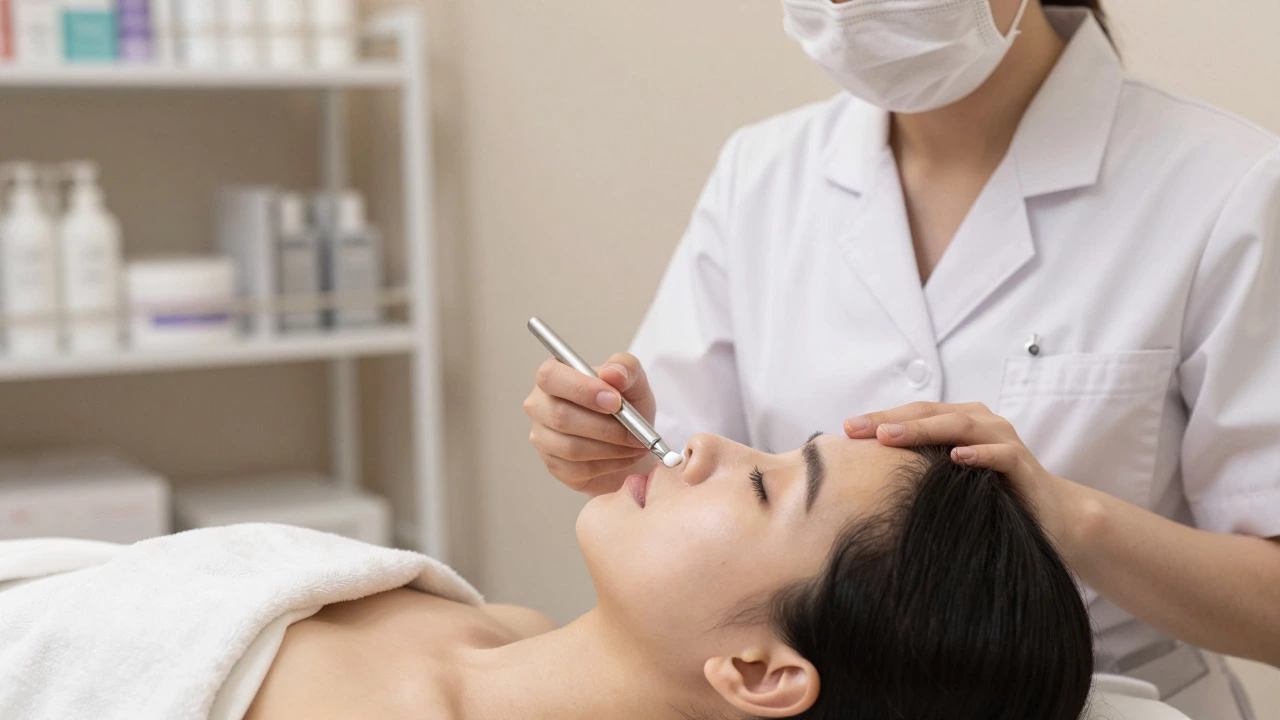
In-home care is only half the battle. Professional facials using Dermalogica products leverage tools like ultrasound therapy and extractions to enhance product absorption and address deeper layers of the skin. This synergy between at-home maintenance and in-clinic treatments creates a comprehensive skin health strategy that over-the-counter products alone cannot match.
Common Misconceptions About Medical Grade Skincare
Let’s clear up some myths. First, medical grade doesn’t mean "harsh." In fact, many professional formulas are gentler than drugstore alternatives because they lack irritating fillers. Second, you don’t need a prescription for most professional skincare. While some ingredients like tretinoin require a doctor’s visit, many effective actives like retinol and vitamin C are available through licensed estheticians.
Another misconception is that professional skincare is only for people with severe skin issues. While it’s excellent for treating acne, rosacea, and hyperpigmentation, it’s also ideal for prevention. Maintaining a strong skin barrier and promoting collagen synthesis early can delay signs of aging significantly. Think of it as insurance for your skin’s long-term health.
Finally, price shouldn’t be the sole deciding factor. Yes, Dermalogica is an investment. But considering the concentration of actives and the reduced need for multiple products due to their multi-functional nature, the cost-per-use can be justified. Plus, avoiding ineffective products saves you from wasting money on things that don’t work.
How to Choose the Right Products for Your Skin
If you’re considering switching to professional-grade skincare, start with a consultation. Look for a licensed esthetician who is certified in Dermalogica or similar professional brands. They can analyze your skin using magnifying lamps or digital imaging tools to identify underlying issues you might miss.
When building your routine, focus on three pillars: cleansing, protection, and treatment.
- Cleansing: Use a gentle, pH-balanced cleanser like Dermalogica Special Cleansing Gel to remove impurities without stripping natural oils.
- Protection: Daily sunscreen is non-negotiable. Look for broad-spectrum SPF 30 or higher. Dermalogica offers sunscreens that double as primers, making them easier to wear daily.
- Treatment: Address specific concerns with targeted serums. For aging, consider retinol or peptide complexes. For brightness, opt for vitamin C derivatives.
Consistency is key. Professional skincare works best when used correctly and consistently. Don’t expect overnight miracles. Skin cell turnover takes about 28 days, so give any new regimen at least a month to show visible results. Patience and persistence pay off far more than constantly switching products.
Conclusion: Is It Worth the Investment?
So, is Dermalogica medical grade? Technically, the term is meaningless. Practically, yes-it meets and often exceeds the standards implied by that phrase. Their commitment to high-potency actives, clinical testing, and professional education places them firmly in the top tier of skincare brands.
If you’re serious about your skin health, investing in professional-grade products like Dermalogica makes sense. You’re not just buying a bottle of cream; you’re buying into a system designed by experts to deliver real, measurable results. Whether you’re dealing with stubborn acne, premature aging, or simply want to maintain healthy, glowing skin, the science-backed approach of professional skincare offers a reliable path forward.
Is Dermalogica owned by a larger corporation?
Yes, Dermalogica is owned by L'Oréal, one of the largest beauty conglomerates in the world. However, it operates as a distinct professional division, maintaining its own research and development standards separate from L'Oréal's mass-market brands.
Can I use Dermalogica products if I have sensitive skin?
Absolutely. Most Dermalogica products are fragrance-free and hypoallergenic, making them suitable for sensitive skin. However, always patch test new products and consult with a professional to select the right formula for your specific sensitivities.
Do I need a license to sell Dermalogica products?
To become an authorized retailer or distributor, you typically need to complete Dermalogica’s certification program. This ensures that sellers are knowledgeable enough to recommend products correctly. Consumers can buy directly from certified spas or authorized online retailers.
How does Dermalogica compare to Obagi or SkinCeuticals?
All three are professional-grade brands. Obagi focuses heavily on hyperpigmentation and melasma treatments. SkinCeuticals is known for its antioxidant serums, particularly vitamin C. Dermalogica offers a broader range of solutions for all skin types, emphasizing holistic skin health and barrier support.
Are Dermalogica products cruelty-free?
Dermalogica states that they do not test on animals unless required by law. They are not currently certified by Leaping Bunny or PETA, which some strict cruelty-free advocates may note. However, they are committed to alternative testing methods.