

Personalized Shower Frequency Calculator
Your Recommended Routine
Based on your profile.
You step into the shower, turn on the hot water, and let it wash away the day. It feels clean. It feels fresh. But have you ever stopped to wonder if that daily ritual is actually doing more harm than good? For years, we’ve been taught that cleanliness equals health, leading most of us to hop in the tub every single morning or night without a second thought.
Here’s the twist: your skin might be begging for a break. The idea that you must shower daily is largely a cultural habit rather than a biological necessity. In fact, over-washing can strip your natural oils, disrupt your skin microbiomethe community of beneficial bacteria living on your skin, and leave your hair brittle and frizzy. So, how often should a woman really shower? The answer isn’t a one-size-fits-all number-it depends on your lifestyle, your environment, and the state of your skin.
The Science Behind Your Skin’s Natural Defenses
To understand why less might be more, you need to look at what your skin is actually doing. Your skin isn’t just a barrier; it’s an active organ covered in a thin layer called the acid mantle. This layer is slightly acidic (pH 4.5 to 5.5) and acts as a shield against harmful bacteria, viruses, and environmental pollutants.
When you shower with harsh soaps and hot water, you don’t just wash away dirt-you wash away this protective layer. This leads to a condition dermatologists call xerosismedically significant dry skin. Without its natural oils, your skin becomes tight, itchy, and prone to cracking. These micro-cracks allow bad bacteria to enter, which can trigger eczema flare-ups or even acne. Think of your skin like a garden. You wouldn’t hose down your plants with high-pressure water every hour, right? You’d let them breathe and only water when necessary. Your skin works the same way.
Factors That Determine Your Ideal Shower Frequency
There is no universal rule because our lives are different. A software engineer working from home in Brighton needs a very different routine than a personal trainer running HIIT classes all day. Here are the key factors that should dictate your schedule:
- Activity Level: If you sweat heavily during workouts or manual labor, you likely need to shower immediately after to prevent bacterial growth and clogged pores. Sweat itself doesn’t smell, but when it mixes with bacteria on your skin, it creates odor. In these cases, daily showers-or at least post-workout rinses-are essential.
- Skin Type: People with oily skin may feel the need to wash more often to control shine and prevent acne. However, over-washing can signal your sebaceous glands to produce *more* oil to compensate for the dryness, creating a vicious cycle. Those with dry or sensitive skin should aim for fewer showers to preserve moisture.
- Climate and Season: Living in a humid climate like Southeast Asia means you’ll likely sweat more and need frequent washing. Conversely, if you live in a dry, cold environment, the air already pulls moisture from your skin. Adding hot water to the mix can be devastating. During winter months, many dermatologists recommend reducing shower frequency to three times a week.
- Age: As we age, our skin produces less sebum (natural oil). Older adults often benefit from bathing less frequently-perhaps two to three times a week-to avoid excessive dryness and itching.

The Impact on Hair Health and Product Performance
Since you’re reading this on a site focused on beauty and care, let’s talk about your hair. Shampooing every time you shower is another common mistake. Your scalp produces natural oils that travel down the hair shaft, keeping strands flexible and shiny. Stripping these oils daily leaves hair dull, tangled, and prone to breakage.
If you have straight, fine hair, it might get greasy faster, requiring more frequent washing. But if you have curly, coily, or thick hair, those natural oils take much longer to reach the ends. Washing too often can lead to severe dryness. This is where choosing the right hair care productsformulations designed to cleanse without stripping becomes critical. Look for sulfate-free shampoos that gently lift dirt without destroying your lipid barrier. Many women find success with "co-washing" (using conditioner only) or dry shampoo between washes to extend the life of their style and protect their hair’s integrity.
| Lifestyle / Skin Profile | Recommended Frequency | Key Focus Area |
|---|---|---|
| Sedentary / Dry Skin | 2-3 times per week | Moisture retention, gentle cleansers |
| Active / Oily Skin | Daily (post-workout) | Bacterial removal, pH balance |
| Mixed Activity / Normal Skin | Every other day | Balance, targeted washing |
| Elderly / Sensitive Skin | 1-2 times per week | Gentle hygiene, preventing irritation |
The "Top and Tail" Compromise
If you love the feeling of a daily shower but your skin is suffering, try the "top and tail" method. This involves focusing your washing efforts on the areas that matter most: the armpits, groin, and feet. These are the zones where sweat glands are concentrated and where odor-causing bacteria thrive. You can rinse the rest of your body with plain water, which removes surface dust without stripping oils.
This approach allows you to maintain social hygiene standards while giving your arms, legs, and back a rest. It’s a practical middle ground that respects both your desire for freshness and your skin’s biological needs. Plus, using less water is better for the planet-a small win-win.
Optimizing Your Shower Routine for Health
If you do shower, how you do it matters just as much as how often. Most people make simple mistakes that damage their skin barrier. Here is how to fix your routine:
- Lower the Temperature: Hot water is the enemy of hydration. It dissolves natural lipids rapidly. Switch to lukewarm water. It still feels comforting but won’t shock your system or dry out your skin.
- Shorten the Duration: Aim for five to ten minutes. Long, soaking showers expose your skin to prolonged heat and detergent, increasing the risk of irritation.
- Choose the Right Cleanser: Avoid bar soaps with high pH levels, which can disrupt your acid mantle. Instead, use a syndet (synthetic detergent) bar or a creamy, fragrance-free body wash. Fragrances are a leading cause of contact dermatitis, so skipping them reduces inflammation risks.
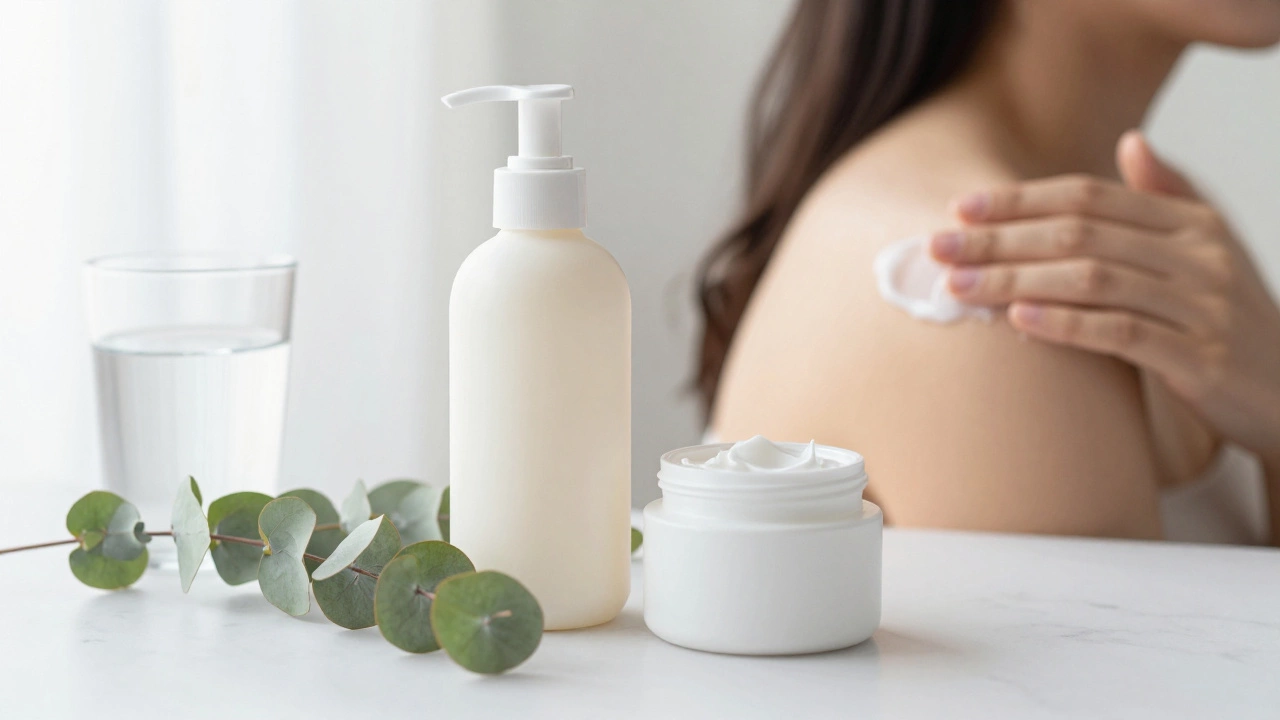
- Moisturize Immediately: Within three minutes of stepping out, apply a moisturizer. Your skin is still slightly damp, which helps trap water inside. Look for ingredients like ceramides, hyaluronic acid, or glycerin. These act as humectants and occlusives, sealing in hydration.
When Less Washing Is Actually More Hygienic
It sounds counterintuitive, but washing less can sometimes improve your body odor. Why? Because constant scrubbing kills off the good bacteria that keep bad bacteria in check. When you wipe out the entire microbial ecosystem, opportunistic pathogens can move in. By allowing your microbiome to stabilize, your body naturally regulates odor better over time. Additionally, some studies suggest that reduced washing can help manage conditions like psoriasis and eczema by preventing the itch-scratch cycle triggered by dryness.
However, there are exceptions. If you have open wounds, are immunocompromised, or work in healthcare, strict hygiene protocols may require daily full-body washing. Always consult a medical professional if you have specific health concerns.
Is it bad to shower every day?
For most people, daily showering isn't inherently "bad," but it can be detrimental if done with hot water and harsh soaps. It strips natural oils, leading to dryness, irritation, and a compromised skin barrier. If you shower daily, keep it short, use lukewarm water, and moisturize immediately after.
How often should I wash my hair if I shower every day?
You don't need to shampoo every time you shower. For most hair types, washing 2-3 times a week is sufficient. On non-shampoo days, rinse your hair with water or use a dry shampoo to absorb excess oil. Over-washing can lead to scalp irritation and brittle hair strands.
What is the best time of day to shower?
Showering in the evening is generally recommended because it washes away the day's pollutants, sweat, and allergens before bed. This prevents you from transferring dirt onto your pillowcase and bedding. Morning showers can help wake you up, but ensure you're not re-contaminating clean sheets with unwashed skin.
Can showering less often cause body odor?
Body odor is caused by bacteria breaking down sweat. If you reduce shower frequency, focus on washing high-sweat areas like armpits and feet daily. Using an antibacterial soap in these zones can control odor without needing a full-body wash every day.
Does water temperature affect skin health?
Yes, significantly. Hot water strips natural oils and damages the skin barrier, leading to dryness and redness. Lukewarm water is ideal as it cleanses effectively without causing excessive dehydration or thermal stress to the skin.